ByMax Lee
NH Implements of Husbandry: Definition & Road Safety Rules
Navigating New Hampshire implements of husbandry definition and road safety regulations can feel like a legal maze. You want to move your tractor or hay wagon safely, but the state's road rules aren't always obvious. Getting it wrong means fines, safety risks, and tow-away troubles.
Good news: the core requirements are straightforward if you know where to look. For instance, most farm equipment traveling below 25 mph must display a reflective orange-and-red slow-moving vehicle (SMV) emblem and meet basic lighting standards. Let's walk through exactly what qualifies, what limits apply, and how to stay compliant.
What Counts as an "Implement of Husbandry" in New Hampshire?
In New Hampshire, an "implement of husbandry" is any vehicle or device used exclusively in farming operations that moves slowly on public roads. The state defines it under RSA 266:78 as equipment integral to agricultural work rather than commercial transport.
This classification matters because it grants specific road privileges. Farmers can travel at lower speeds without blocking traffic flow. The equipment gets exemptions from certain standard vehicle requirements.
However, those privileges come with strict safety obligations.
Not every piece of farm gear qualifies automatically. The definition hinges on primary agricultural use, speed limitations, and size restrictions. Understanding these boundaries keeps your equipment legal and your operations running smoothly.
Quick Answer: Are You Legal on NH Roads?
Yes, your farm equipment can travel legally on New Hampshire roads if it meets specific criteria. You must display an approved SMV emblem when traveling below 25 mph. Your equipment needs proper lighting for nighttime operation.
Width, length, and weight limits apply to prevent road hazards.
If you exceed these standards, you need special permits or modifications. The state enforces these rules primarily for safety. Motorists need clear visibility of slow-moving agricultural equipment.
Proper compliance protects everyone sharing those rural roads.
How NH Defines Implements of Husbandry (and What Doesn’t Qualify)
New Hampshire law provides a clear definition, but some boundaries need clarification. Let's examine what qualifies and what falls outside the classification.
What Qualifies as an Implement of Husbandry
Equipment qualifies when it meets three core criteria:
- Agricultural Purpose: Used primarily for farming operations like planting, harvesting, or livestock care
- Low Speed Operation: Designed to travel at 25 mph or below on public roads
- Non-Commercial Transport: Not used for transporting goods for hire or commercial sale
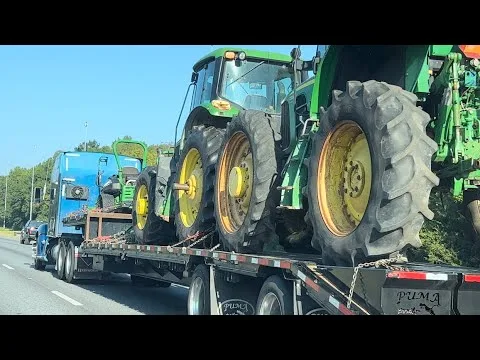
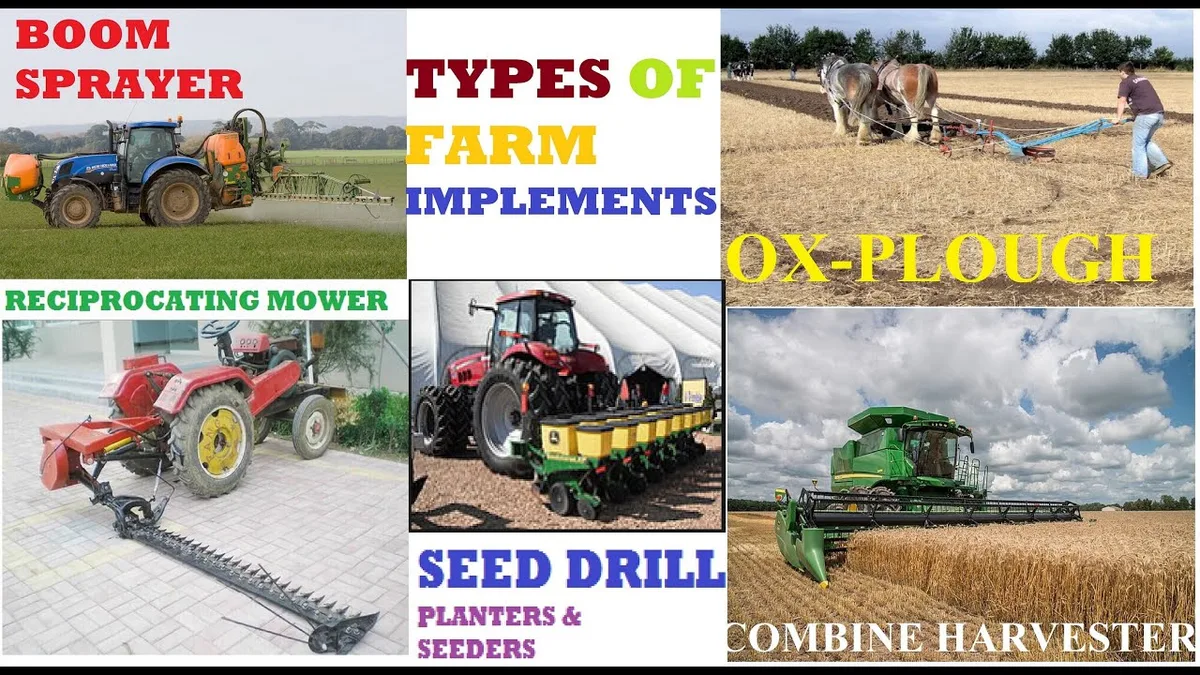
Examples of qualifying equipment include tractors, combines, hay balers, manure spreaders, and towed farm trailers. These tools move slowly but serve essential farming functions.
Common Misclassifications
Some equipment operators mistakenly assume their vehicles qualify when they don't. Understanding these exclusions prevents legal trouble:
- Commercial Trucks: Vehicles used for hauling crops to market don't qualify
- Modified Equipment: Farm machinery altered to travel faster than 25 mph loses classification
- Transport Trailers: Utility trailers without agricultural purpose face different regulations
The 3 Key Conditions That Decide Your Road Rules
Your road regulations depend on three determining factors. These conditions create different compliance requirements for different situations.
Condition 1: Equipment Type and Speed
Self-propelled farm equipment faces different rules than towed implements. Tractors operating below 25 mph qualify for full implement status. Equipment modified to travel faster may lose those protections.
Condition 2: Width and Dimensions
Equipment width determines whether you need additional markings or permits. Standard-width equipment (under 8 feet 6 inches) faces fewer restrictions. Oversized equipment requires special considerations for road safety.
Condition 3: Travel Time and Route
Daytime travel allows simpler compliance than nighttime operation. Rural roads present different challenges than highways. Understanding when and where you travel helps you prepare appropriately.
Width, Length, and Weight: NH’s Hard Limits for Farm Equipment
Size restrictions exist to protect road infrastructure and ensure safety. Here are the specific limits that apply to implements of husbandry in New Hampshire.
Width Restrictions
Standard width limit: 8 feet 6 inches without special permits. Equipment exceeding this width requires oversize load permits. Wider loads may need escort vehicles for public safety.
Length Limitations
Maximum length for single vehicles: 40 feet. Combined length for towing setups: 60 feet. Exceeding these limits triggers additional regulatory requirements.
Weight Considerations
While weight limits exist for all vehicles, farm equipment often receives temporary exemptions during harvest seasons. These exemptions typically require proper documentation and timing restrictions.
Comparison Table: Standard vs. Oversize Requirements
| Requirement | Standard Equipment | Oversize Equipment |
|---|---|---|
| Width Limit | Under 8'6" | 8'6" and over |
| Permit Needed | No | Yes |
| Escort Vehicle | Not required | Often required |
| Travel Hours | Any legal hours | May be restricted |
| SMV Emblem | Required if <25 mph | Required if <25 mph |
Lighting, Reflectors, and the SMV Emblem—What’s Actually Required
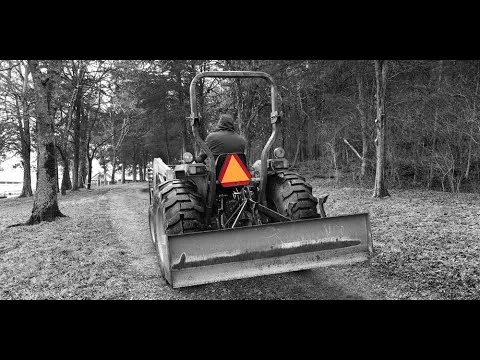
Every implement of husbandry traveling under 25 mph must display a slow-moving vehicle emblem. The SMV triangle must be mounted 2 to 6 feet above the road, centered, and clearly visible from the rear.
At night, you need at least two white headlights and two red taillights. Reflectors are mandatory: one red on the rear and amber on the sides if the equipment extends beyond the vehicle width.

Common Lighting Mistakes
Farmers often forget side reflectors on wide implements. Others mount the SMV emblem too low or off-center. Both errors can lead to citations and reduced visibility.
Speed Limits and When You Need a Permit
The default speed limit for farm equipment on NH roads is 25 mph. If your implement can't maintain this speed, you must use hazard lights and stay in the right lane where possible.
Oversize or overweight loads require a permit from NHDOT. Equipment exceeding 8'6" in width or 40' in length typically needs approval. Permits may restrict travel to daylight hours or specific routes.

Permit Exceptions
Seasonal agricultural exemptions exist for harvest periods. These allow temporary weight limit increases but still require proper documentation. Always check current NHDOT guidelines before assuming an exemption applies.
Self-Propelled vs. Towed Implements: Different Rules for Each
Self-propelled equipment like tractors must meet standard vehicle lighting requirements. They need functional brakes and proper registration if used on public roads.
Towed implements have additional rules. Any trailer over 3,000 lbs must have its own braking system. Safety chains are mandatory for all towed farm equipment.
Key Differences at a Glance
| Requirement | Self-Propelled | Towed Implements |
|---|---|---|
| Brakes | Required | Required over 3,000 lbs |
| Lighting | Standard vehicle lights | Additional reflectors often needed |
| Registration | Often required | Usually tied to towing vehicle |
| Speed | 25 mph max | 25 mph max |
Step-by-Step: How to Check if Your Equipment Is Road-Legal
Start with the basics. Verify your equipment qualifies as an implement of husbandry under NH law. Confirm it travels below 25 mph.
Next, check dimensions. Measure width, length, and height against NH limits. Note any oversize elements that might need permits.
Then inspect safety features. Ensure the SMV emblem is properly mounted. Test all lights and reflectors before each trip.
Finally, plan your route. Avoid roads with weight restrictions. Check for any local ordinances that might affect your travel.
Common Mistakes That Get NH Farmers Fined
Missing or improperly placed SMV emblems top the list. Officers look for this first during traffic stops. A missing emblem can result in an immediate citation.
Inadequate lighting at night is another frequent violation. Many farmers assume their tractor lights are sufficient. NH law often requires additional reflectors and markers.
Exceeding width limits without a permit brings hefty fines. Even a few inches over 8'6" can trigger penalties. Always measure before hitting the road.
Day vs. Night Travel: Extra Rules After Dark
Nighttime travel adds lighting requirements beyond the standard SMV emblem. You must have at least two white headlights visible from 500 feet. Two red taillights must be visible from the same distance.
Reflectors become critical after dark. Red rear reflectors and amber side reflectors are mandatory for any equipment wider than the towing vehicle.

Best Practices for Night Moves
Plan nighttime travel during low-traffic hours when possible. Use additional reflective tape on wide implements. Consider adding rotating amber lights for extra visibility.
What Happens If You’re Pulled Over?
Officers will first check for the SMV emblem and proper lighting. Missing either can result in an immediate citation. Fines typically range from $50 to $200 for first offenses.
If your equipment exceeds size limits without a permit, you may face higher penalties. Officers can require you to move the equipment off the road until compliance is achieved. Repeat violations can lead to increased fines and potential court appearances.
Your Rights During a Traffic Stop
You have the right to ask why you were stopped. Officers must explain the specific violation. You can request a warning for first-time minor offenses.
NH vs. Neighboring States: Key Differences to Know
New Hampshire's 25 mph speed limit for farm equipment matches Vermont and Maine. However, Massachusetts requires SMV emblems for all farm vehicles regardless of speed. This can create confusion for farmers operating near state borders.
Width limits vary slightly between states. New Hampshire allows 8'6" without permits. Vermont permits up to 10 feet for farm equipment.
Maine matches New Hampshire's 8'6" standard.
Border Crossing Tips
Check each state's regulations before crossing borders. Carry copies of all relevant permits. Be prepared to adjust your equipment for different state requirements.
FAQs About NH Farm Equipment on Public Roads
Do I need a driver's license to operate farm equipment on NH roads?
Yes, you need a valid driver's license to operate any farm equipment on public roads. The class of license depends on the equipment's size and weight. Standard passenger vehicle licenses cover most farm tractors.
Can I drive my tractor on the interstate in New Hampshire?
No, farm equipment is generally prohibited from interstate highways. Some exceptions exist for short distances to cross or access fields. Always check with NHDOT before attempting interstate travel.
What's the fine for missing an SMV emblem in NH?
The fine for a missing SMV emblem is typically $100 for first offenses. Repeat violations can result in higher fines. Officers may also require you to obtain and display the emblem before continuing.
Do I need insurance for farm equipment on public roads?
Yes, any vehicle or equipment operated on public roads must be insured. Minimum liability coverage is required. Check with your insurance provider about specific farm equipment policies.
How do I get an oversize load permit for farm equipment?
Apply through the NHDOT Motor Carrier Division. Provide equipment dimensions and your planned route. Permits are typically issued within a few business days.
What speed limit applies to farm tractors on NH roads?
Farm equipment traveling at 25 mph or below qualifies as an implement of husbandry. If you travel slower than 25 mph, you must display an SMV emblem and use hazard lights when appropriate.
Final Checklist: Are You Ready to Hit the Road?
Before you drive onto NH roads, verify each item on this list. Missing any one could result in a citation or safety hazard.
Equipment Compliance:
- SMV emblem mounted 2-6 feet above ground, centered
- Two white headlights operational
- Two red taillights functional
- Red rear reflectors installed
- Amber side reflectors for wide loads
Documentation:
- Valid driver's license for equipment class
- Proof of insurance on file
- Oversize permits (if applicable)
- NHDOT contact information handy
Pre-Trip Inspection:
- All lights tested before departure
- SMV emblem clean and visible
- Safety chains properly connected
- Brakes functioning correctly
- Hitch secure and locked
Route Planning:
- Roads checked for weight restrictions
- Bridge clearances verified
- Bypass high-traffic routes when possible
- Emergency contacts saved
Staying compliant with New Hampshire's farm equipment regulations protects you, your neighbors, and your livelihood. The rules exist for safety, not inconvenience. A quick pre-trip check takes minutes but prevents costly violations.
Keep this guide bookmarked for reference each season. Regulations change, so verify current requirements with the New Hampshire Department of Transportation before major equipment moves.