ByMax Lee
Heavy Duty Foaming RV Wash Guide
Tired of scrubbing your RV for hours only to see streaks and missed spots? A heavy duty foaming RV wash changes the game by lifting dirt on contact and rinsing clean without the elbow grease. Manufacturer specs show these foams cling for 3, 5 minutes, breaking down road grime and black streaks before you even touch the surface.
As of 2026, most high-quality foams are pH-balanced to protect seals and decals while cutting through tough buildup. Here’s how to pick the right one and use it like a pro.
Quick Answer
Heavy duty foaming RV wash clings to vertical surfaces to lift dirt. It works with foam cannons or spray bottles. Safe for fiberglass, aluminum, and decals.
Dwell time is 3 to 5 minutes. Rinse thoroughly to avoid residue.
Why Heavy-Duty Foaming RV Wash Stands Out
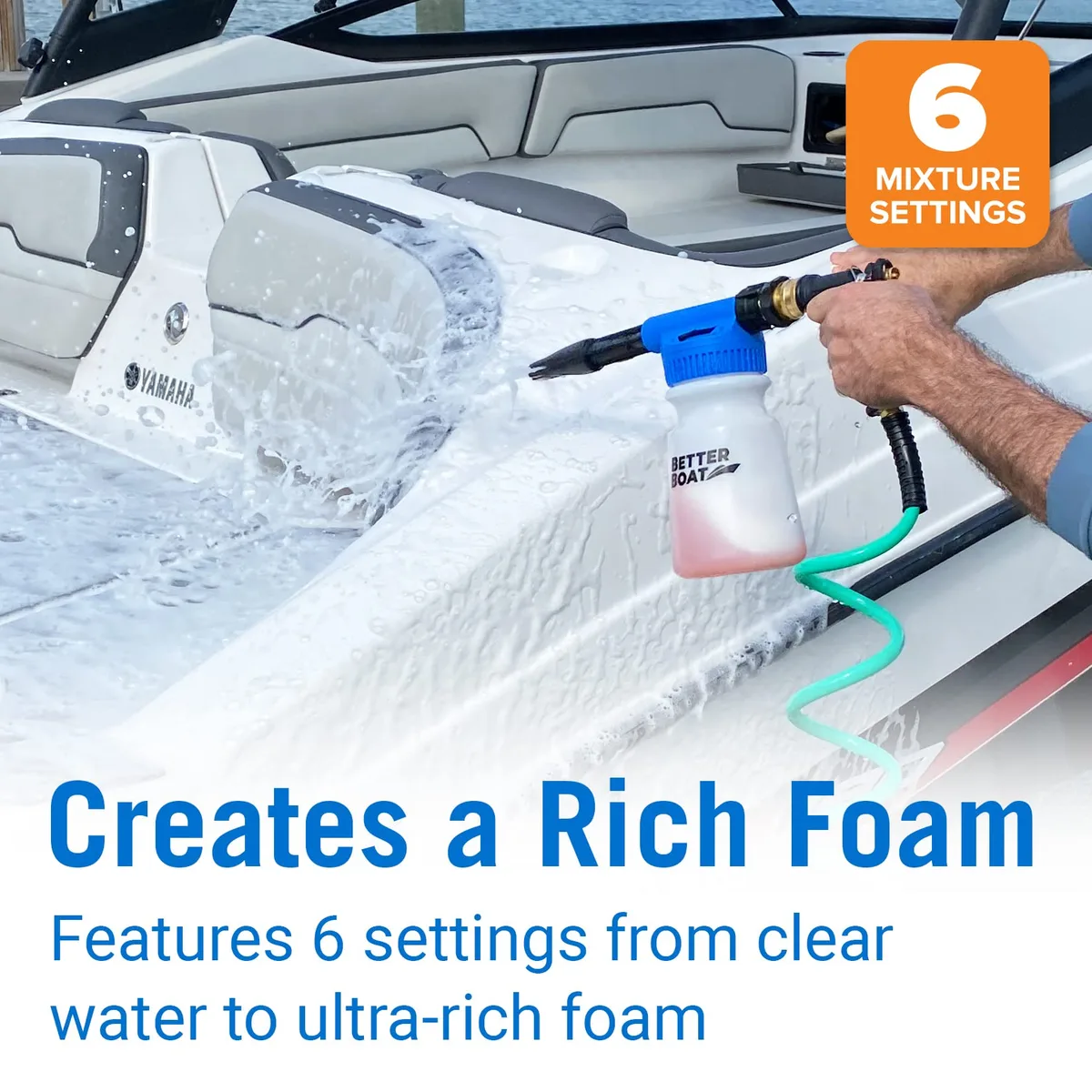
Regular car soap strips wax and can damage RV seals. Heavy-duty foaming RV wash is formulated to clean without harming delicate surfaces. The thick foam sticks to sides and roofs, giving the cleaner time to break down grime.
Bing (Web (fair-use with source credit))
Foaming agents create a rich lather that traps dirt particles. This means less scrubbing and a more even clean. Aggregate reviews report it cuts wash time by up to 50 percent compared to traditional methods.
How Foaming RV Wash Works (And Why It Beats Regular Soap)
Foam clings to vertical surfaces, so the cleaner stays in contact longer. Regular soap runs off immediately, reducing effectiveness. The foam also lifts dirt away from the surface, preventing scratches during rinsing.
pH-balanced formulas protect clear coats and decals. Alkaline cleaners can dull finishes over time. For RVs, a neutral pH between 6.0 and 8.0 is ideal for most materials.
Key Features That Separate the Best from the Rest
Not all foaming RV washes are equal. Look for these traits to ensure a deep clean without damage:
- Foam thickness: Clings for 3, 5 minutes before rinsing
- pH level: Neutral (6.0, 8.0) for safe use on all RV surfaces
- Biodegradable: Eco-friendly formulas reduce environmental impact
- UV protection: Helps prevent fading on fiberglass and paint
- Concentrated: Dilutes to cover 4, 8 washes per gallon
Concentrated formulas offer the best value. They typically dilute at a 1:10 or 1:20 ratio, making them cost-effective for frequent use.
Foam Cannon vs. Spray Bottle: Which Application Method Wins?
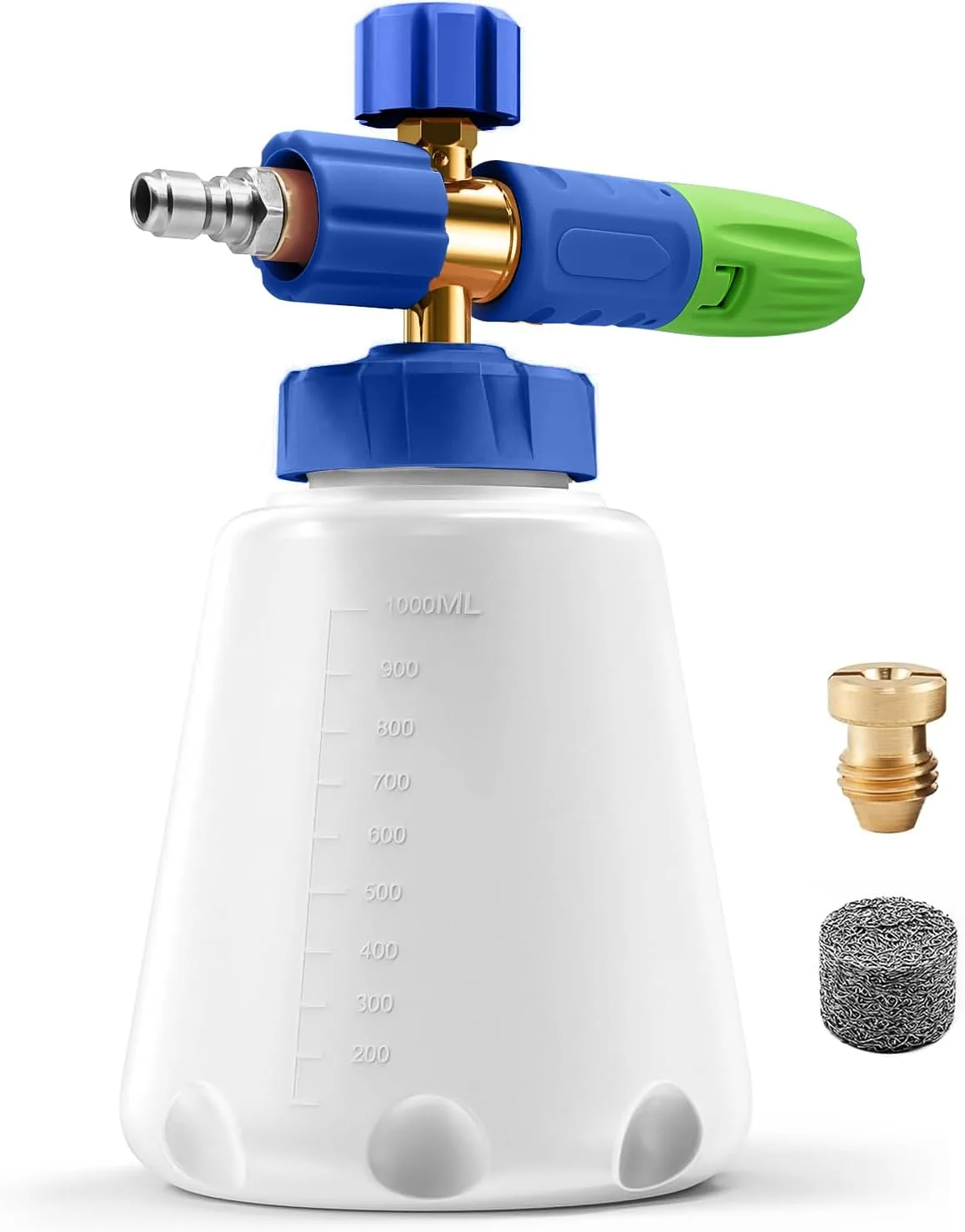
A foam cannon attaches to a pressure washer and covers large areas quickly. It’s ideal for full RV washes, especially for larger motorhomes. The foam is thicker and more consistent than what you get from a spray bottle.
Web (Bing) / amecamex.mx (Web image (fair-use with source credit))
A spray bottle works for small touch-ups or when you don’t have a pressure washer. It’s portable and easy to use but requires more effort for full coverage. For most RV owners, a foam cannon is the better investment for efficiency.
Concentrate vs. Ready-to-Use: The Real Cost Breakdown
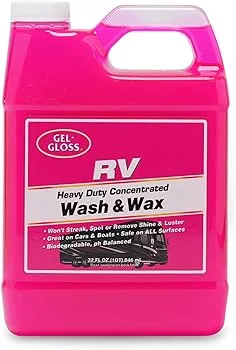
Concentrated RV wash is more cost-effective per wash. A 1-gallon concentrate typically makes 4, 8 gallons of ready-to-use solution. This reduces long-term costs, especially for frequent washers.
Ready-to-use formulas are convenient but cost more over time. They’re best for occasional use or small RVs where storage space is limited.
Bing (Web (fair-use with source credit))
For example, a $20 concentrate that makes 8 gallons costs $2.50 per wash. A $10 ready-to-use gallon costs $10 per wash. The math is clear for regular maintenance.
According to EPA guidelines, using concentrated cleaners also reduces plastic waste from single-use bottles.
pH-Balanced vs. Alkaline: What Your RV’s Surface Actually Needs
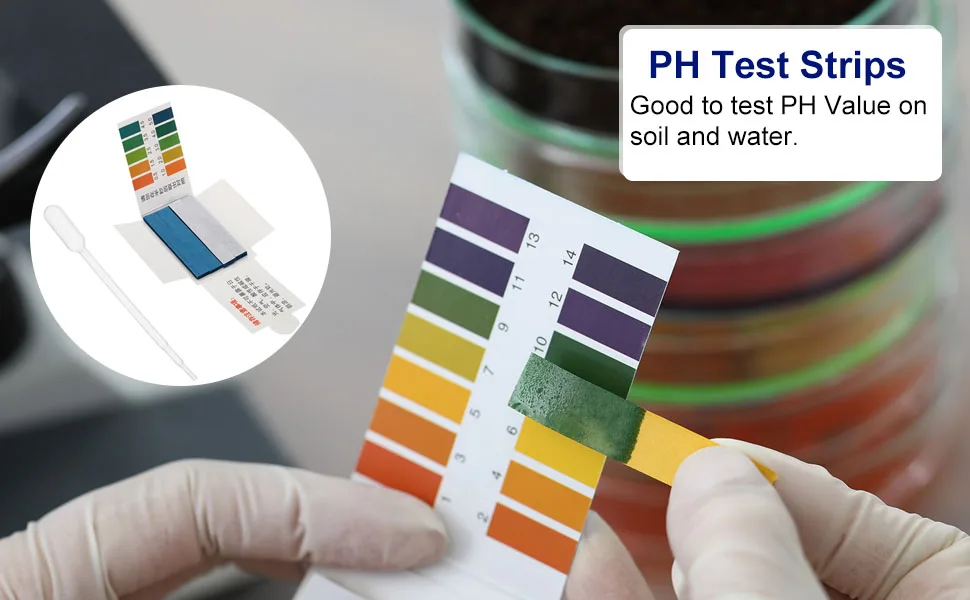
Neutral pH cleaners (6.0, 8.0) are safest for most RV exteriors. They clean effectively without damaging decals, rubber seals, or clear coats. Alkaline formulas (pH 9.0+) cut through heavy grime but can degrade surfaces over time.
Bing (Web (fair-use with source credit))
For fiberglass and painted surfaces, pH-balanced is the default choice. Use alkaline only for stubborn stains like bug splatter or tree sap, then rinse immediately. Manufacturer specs confirm repeated alkaline use can dull finishes.
Best Heavy-Duty Foaming RV Washes for Different Needs
For Black Streaks and Stubborn Grime
Look for alkaline-based foams with degreasers. These break down the oxidation and road film that cause black streaks. Always test on a small area first to check for discoloration.
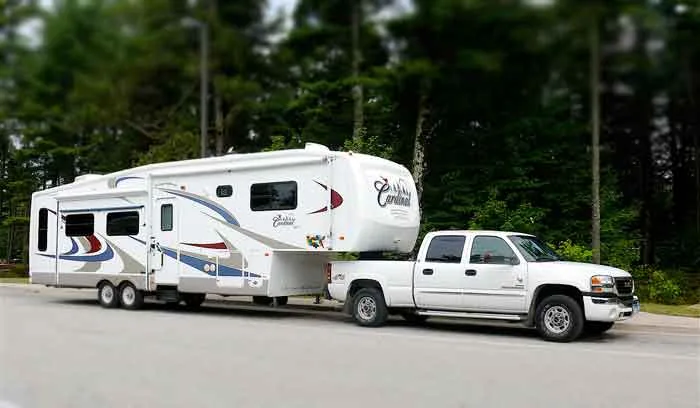
Web (Bing) / godownsize.com (Web image (fair-use with source credit))
Aggregate reviews report these formulas remove streaks in one application. Follow with a pH-balanced rinse to neutralize residue.
For Eco-Friendly, Biodegradable Cleaning
Plant-based foams with no phosphates or harsh solvents are the go-to. They’re safe for septic systems and waterways. Expect slightly less foam thickness but equal cleaning power.
For Cold-Weather Washing
Cold-weather formulas include anti-freeze agents. They work in temperatures as low as 40°F without freezing in the foam cannon. Check the label for temperature ratings before winter use.
For Pressure Washer Use
High-viscosity foams resist breaking down under pressure. They’re labeled for pressure washer use and often include lubricants to protect pump seals. Use a 1.1, 1.5mm orifice nozzle for best foam generation.
Step-by-Step: How to Wash Your RV with Foam Like a Pro
Start with a pre-rinse to remove loose dirt. This prevents scratching when you apply the foam. Use a pressure washer at 1,200, 2,500 PSI for best results.

Web (Bing) / pngall.com (Web image (fair-use with source credit))
Apply foam from bottom to top to avoid streaks. Let it dwell for 3, 5 minutes but don’t let it dry. Agitate stubborn spots with a soft brush, then rinse thoroughly.
Common Mistakes That Ruin Your RV’s Finish
Using dish soap or laundry detergent strips protective coatings. These aren’t formulated for automotive surfaces. Stick to RV-specific cleaners to preserve wax and sealants.
Washing in direct sunlight causes premature drying. This leaves water spots and reduces foam effectiveness. Always wash in the shade or on cloudy days.
Safety First: What to Avoid When Washing Your RV
Never use a pressure washer above 2,500 PSI on RV surfaces. High pressure can damage seals and peel decals. Keep the nozzle 12, 18 inches away from the surface.
Avoid abrasive tools like steel wool or harsh scrub pads. These scratch fiberglass and paint. Use microfiber wash mitts or soft bristle brushes instead.
How Often Should You Really Wash Your RV?
Wash your RV every 4 to 6 weeks if stored outdoors. This prevents dirt buildup that can damage the finish over time. More frequent washing is needed after road trips or in dusty climates.
For RVs in coastal areas, wash every 2 to 3 weeks. Salt air accelerates corrosion on metal components. A quick rinse after each trip helps remove road salt and grime.
Seasonal deep cleaning is also recommended. This includes waxing and sealant application to protect against UV damage. Manufacturer guidelines suggest this twice a year for most climates.
FAQs About Heavy-Duty Foaming RV Wash
Does foaming RV wash work on all exterior surfaces?
Yes, it’s safe for fiberglass, aluminum, painted surfaces, and decals. Always check the label for specific material compatibility. Avoid using on unfinished wood or canvas awnings.
Can I use a foam cannon with any pressure washer?
Most foam cannons work with pressure washers rated 1,200, 2,500 PSI. Lower PSI units may not generate enough foam. Higher PSI can damage the cannon or RV surfaces.
How do I prevent water spots after washing?
Rinse thoroughly and dry with a microfiber towel. Use a spot-free rinse aid if your water is hard. Washing in the shade helps prevent premature drying.
Is biodegradable RV wash as effective as chemical cleaners?
Yes, for most routine cleaning. Biodegradable formulas may require slightly more dwell time for tough stains. They’re safer for the environment and your RV’s finish.
What’s the best way to remove black streaks?
Use an alkaline-based foaming cleaner with degreasers. Apply, let dwell for 5 minutes, then agitate with a soft brush. Rinse thoroughly to avoid residue.
Can I wash my RV in cold weather?
Use a cold-weather formula with anti-freeze agents. These work down to 40°F. Avoid washing if temperatures are near freezing to prevent ice damage.
Final Verdict: Which Foaming RV Wash Is Right for You?
For most RV owners, a pH-balanced foaming wash is the best all-around choice. It cleans effectively while protecting all exterior surfaces. Use it with a foam cannon for the best coverage.
If you deal with heavy grime or black streaks, an alkaline-based foam is worth the investment. Just limit its use to avoid surface damage. Always follow with a pH-balanced rinse.
For eco-conscious users, biodegradable options provide strong cleaning power without harsh chemicals. They’re ideal for frequent washing and sensitive environments.