ByMax Lee
Range Rover Air Suspension: Lower or Raise It for a Spotless Wash?
If you own a Range Rover, you know it has a special feature called air suspension. This system helps the car change its height. But what about when you need to wash the car’s undercarriage? Should you lower or raise the car? Let’s explore this question together.
What Is Air Suspension?
Air suspension is a fancy way to say the car can lift or lower itself. Instead of regular springs, the car uses air bags filled with air. This makes the ride smooth. You can make the car higher or lower with buttons inside the car.
Why does Range Rover have this? Because it is a luxury SUV. It can drive on rough roads or smooth city streets. Sometimes you want the car high for rough roads. Other times you want it low for easier entry and exit.

Credit: www.reddit.com
Why Clean the Undercarriage?
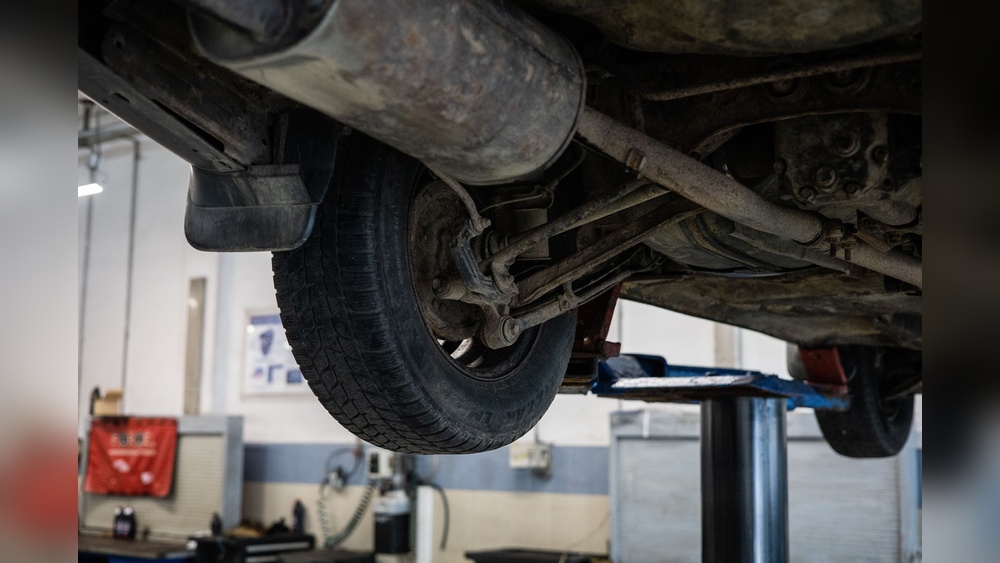
The undercarriage is the bottom part of your car. It holds many important parts like the exhaust, brakes, and suspension. Dirt, mud, salt, and other things can stick there. This can cause rust and damage.
Cleaning the undercarriage is very important. It keeps your car safe and working well. But washing this part is tricky. You cannot just spray water everywhere. You must be careful.
How Does Air Suspension Help With Washing?
Since the Range Rover can change height, you can adjust it for washing. But should you raise it or lower it? Let’s look at both options.
Option 1: Lower The Air Suspension
Lowering the car means the undercarriage is closer to the ground. This might seem like a bad idea. But some people say it helps with washing.
- Water pressure is stronger at low height.
- It is easier to reach the undercarriage with a hose or brush.
- You can see the dirty parts better.
Sounds good, right? But wait, there are problems.
- The car is closer to the ground, so water might splash on the tires.
- You might not get under the highest parts.
- Some dirt hides in hard-to-reach places.
So, lowering the car is good for some spots, but not all. It also needs care to avoid splashing water where it should not go.
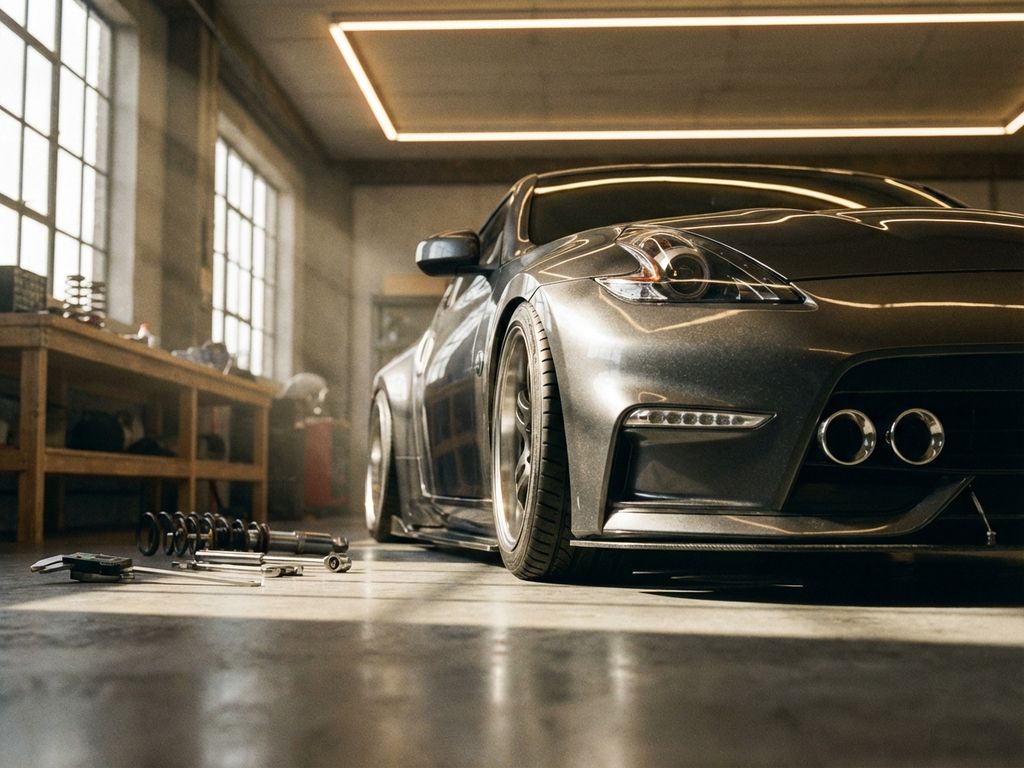
Option 2: Raise The Air Suspension
Raising the car means the undercarriage is higher from the ground. This is the opposite of lowering. Many people think this is better for washing.
- You can spray under the car easily.
- Water and dirt can fall down without splashing too much.
- You avoid spraying water on tires and brakes.
Raising the car gives more space to clean. But it also has some issues.
- The water pressure might be weaker at high points.
- You may need special tools or brushes to reach all parts.
Still, most experts say raising is better for undercarriage washing.
Credit: www.intraxracing.nl
What Do Range Rover Experts Say?
Many Range Rover owners and mechanics prefer raising the car. It makes washing easier and safer. The air suspension has a setting called “Off-Road Height.” Use this to lift the car.
This height gives space under the car. You can spray water or use a brush without trouble. It also protects important parts from water damage.
Some experts warn that lowering the car can cause problems. Water can splash on electrical parts. Dirt may not come off well. The car may also get scratches if it sits too low.
How to Use Air Suspension for Washing?
Here are simple steps to get your Range Rover ready for an undercarriage wash:
- Park your car on a flat surface.
- Turn on the engine and use the control panel.
- Choose the “Raise” or “Off-Road” height setting.
- Wait for the car to lift to the new height.
- Use a hose or pressure washer to clean under the car.
- After washing, lower the car back to normal height.
Easy! This way, you protect your car and clean it well.
Tips for a Good Undercarriage Wash
Besides adjusting the height, here are more tips:
- Use a pressure washer with moderate power.
- Spray from front to back to remove dirt.
- Avoid spraying electrical parts directly.
- Use soap or special cleaners for tough dirt.
- Wash tires and wheel wells too.
- Dry the undercarriage if possible, to avoid rust.
Remember, a clean undercarriage means a healthy car.
Is It Safe to Wash Your Range Rover Underneath?
Yes, but be careful. Water and dirt can cause damage if done wrong. The air suspension helps protect the car.
Raising the car is safer. It keeps electrical parts away from water. It also helps remove mud and salt. This stops rust and keeps parts working.
Do not use too much water pressure. It can hurt sensitive parts. Use gentle sprays for best results.
What If You Don’t Have Air Suspension?
Some cars do not have this feature. Then, washing the undercarriage is harder. You may need a car lift or ramps to get under.
Be very careful if you try this at home. Use safe equipment and do not hurt yourself.
If unsure, visit a professional car wash. They have tools to clean under your car safely.
Summary: Raise or Lower for Washing?
| Option | Advantages | Disadvantages |
|---|---|---|
| Lower Air Suspension |
|
|
| Raise Air Suspension |
|
|
Conclusion: Raising the Range Rover air suspension is best for undercarriage washing. It offers more space and better cleaning. Use the “Off-Road” height for best results.
Final Thoughts
Range Rover’s air suspension is a handy tool. It helps keep your car clean and safe. When washing the undercarriage, raising the car is smart. It protects parts and removes dirt well.
Remember, wash gently. Use proper tools. And enjoy your clean Range Rover!
Frequently Asked Questions
Should I Lower My Range Rover Air Suspension For Undercarriage Wash?
Lowering the air suspension helps clean the undercarriage better by bringing it closer to the ground. It allows water and cleaning tools to reach hidden parts easily. Just be sure to avoid scraping the bottom.
Can Raising Air Suspension Protect My Range Rover During A Wash?
Raising the suspension lifts the vehicle higher, preventing water from reaching sensitive parts. It also helps avoid damage from strong water jets. Great for a quick, gentle undercarriage rinse.
How Do I Adjust Air Suspension For A Safe Undercarriage Wash?
Use the vehicle’s control system to lower or raise suspension smoothly. Choose the height based on the type of wash and ground clearance needed. Always check the owner’s manual for proper settings.