Black Friday deals are live on Amazon · limited-time discounts, grab them before they’re gone
Grab the deals

ByMax Lee
BMW i3: Special Considerations for Washing Carbon Fiber Reinforced Plastic – Expert Tips Revealed!
The BMW i3 is not built like a conventional steel-bodied car. Its passenger cell uses carbon fiber reinforced plastic (CFRP) to reduce weight, while many exterior panels are separate thermoplastic components. That distinction matters when washing the car: the visible panel may not itself be structural CFRP, but its painted or clear-coated finish can still be scratched, stained, or damaged by careless cleaning.
The safest approach is not to treat the i3 as fragile or avoid washing it altogether. Instead, use controlled water pressure, pH-neutral car shampoo, clean microfiber tools, and careful drying. This guide explains what deserves special attention, what to avoid, and when washing should stop so a damaged panel can be inspected. For more on this, see our guide on crack the code ny license plate colors special.
What CFRP Means on the BMW i3
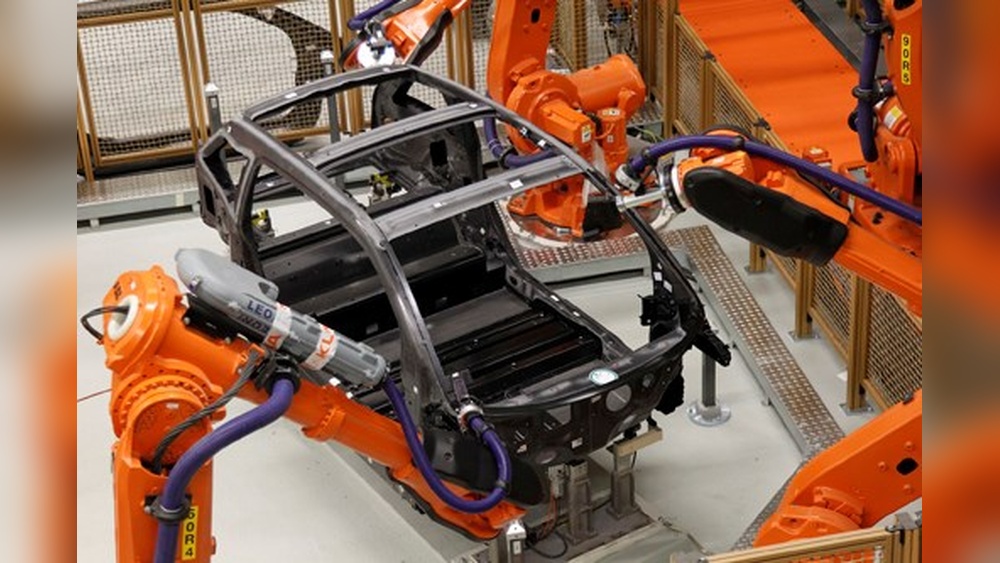
CFRP combines carbon fibers with a polymer resin. The fibers provide much of the material’s strength and stiffness, while the resin binds them together and protects the fiber structure.
On the BMW i3, CFRP is primarily associated with the Life Module, the passenger-cell structure. The car’s exterior also includes painted plastic panels and other materials, so not every black, painted, or textured surface is carbon fiber. For more on this, see our guide on trailer towing tips ny safety chain lighting requirements.
That leads to an important practical point:
Washing the i3 does not require a special “carbon-fiber-only” soap. It requires a safe process for the vehicle’s paint, clear coat, plastic trim, seals, glass, and exposed composite areas.
BMW’s official information about its vehicles and materials is available through the BMW manufacturer site. For exact restrictions on your model year, paint finish, and optional trim, consult the vehicle’s owner documentation before using a pressure washer, polish, or coating.
Why Washing the i3 Requires More Care
A common mistake is assuming that the carbon fibers themselves will be harmed by ordinary water. In practice, a sound, finished composite structure is not normally damaged by a gentle exterior wash. The greater risks are usually:
- Clear-coat scratching: Dirt trapped beneath a sponge can create fine swirls.
- Chemical staining: Strong cleaners, alkaline degreasers, and solvents may dull paint or affect trim.
- Water intrusion: A concentrated jet can force water past seals, badges, charging-port covers, or damaged finishes.
- Heat stress and water spotting: Hot panels cause shampoo and minerals to dry quickly.
- Existing damage: Cracks, delamination, chipped paint, or exposed fibers should not be scrubbed aggressively.
- Mixed materials: Plastic panels, rubber seals, glass, painted metal, and composite structures respond differently to chemicals and pressure.
Visible weave beneath clear coat is not automatically a sign that the surface is unsafe to wash. It may be a decorative carbon-fiber finish, a structural component visible in an opening, or simply a pattern in trim. Treat every surface gently, but do not assume all dark panels are exposed CFRP.
Before Washing: Inspect the BMW i3
Spend a minute inspecting the car before water and shampoo touch it. Look closely at:
- Door and hatch edges
- Wheel-arch liners
- Lower rocker areas
- Bumper corners
- Charging-port door and surrounding seal
- Any visible composite or carbon-fiber trim
- Areas with chipped paint, cracks, bubbling, or lifting clear coat
If you see a deep crack, a soft or flexible area, separated layers, exposed fibers, or moisture trapped under a finish, avoid aggressive washing and arrange a professional inspection. Washing will not repair composite damage, and rubbing a damaged area can spread contamination or lift the coating.
Remove loose leaves and grit from panel gaps by hand or with gentle water flow. Do not insert a sharp tool into seals or use compressed air at close range.
Equipment and Products That Work Best
You do not need an exotic detailing kit. The important factors are cleanliness, lubrication, and control.
Recommended supplies
- pH-neutral automotive shampoo
- Two clean wash mitts or soft microfiber mitts
- A dedicated wheel and lower-body mitt
- A hose with a gentle spray pattern
- Several clean, plush microfiber drying towels
- A soft detailing brush for emblems and gaps
- A separate bucket for wheels and heavily soiled areas
- Optional: a blower or compressor used at low pressure and a safe distance
A properly arranged two-bucket washing setup helps keep grit away from the mitt that touches the painted body. Do not use the same brush or sponge on wheels and the upper body; brake dust and road grit can cause immediate scratching.
Products to avoid
Avoid products that are not intended for automotive exterior finishes, including:
- Household dishwashing liquid
- Powdered cleaners
- Abrasive scouring products
- Acetone and paint thinner
- Tar remover used beyond its label instructions
- Strong engine degreasers on painted or composite surfaces
- Solvent-heavy cleaners on rubber seals
- Silicone or petroleum products near the charging connection
A pH-neutral shampoo is a sensible default, but “pH-neutral” does not guarantee that a product is safe for every surface. Follow its dilution instructions and test any unfamiliar product on a small, inconspicuous area first.
Step-by-Step BMW i3 Washing Method
1. Choose a cool, shaded location
Wash when the bodywork is cool to the touch. Early morning, late afternoon, or a shaded driveway is usually better than midday sun.
Avoid washing immediately after driving if the brakes, wheels, or body panels are hot. Heat causes water and shampoo to evaporate before you can rinse them, leaving mineral spots or concentrated chemical residue.
Shade is helpful, but do not wash beneath a tree where falling sap, pollen, or bird droppings can contaminate the wet surface.
2. Secure the vehicle safely
Park on a stable surface, switch the vehicle off, and make sure the charging cable is disconnected. Keep the charging-port area closed during the wash.
Do not spray directly into the charging socket, door-handle gaps, mirror mechanisms, ventilation openings, or damaged seals. Water resistance is not the same as protection from a concentrated jet at close range.
3. Rinse from top to bottom
Begin with a gentle rinse to remove loose dust and grit. Start at the roof and work downward so dirty water flows toward the dirtiest lower panels.
A hose with a fan-like spray is preferable to a narrow, forceful jet. If you use a pressure washer, keep the nozzle well away from the car, use a broad spray pattern, and never hold it stationary over a seam, badge, trim edge, charging-port door, or visible damage.
The aim is to loosen contamination—not to blast it into seals or drive it across the clear coat.
4. Wash the upper panels first
Mix the shampoo according to the manufacturer’s instructions. Saturate the wash mitt, then clean one small section at a time using straight, light passes.
Work in this order:
- Roof and glass
- Upper side panels
- Hood and hatch
- Lower doors and bumpers
- Wheels and wheel arches last
Rinse the mitt frequently in clean water. Never continue using it after it has fallen onto the ground until it has been thoroughly rinsed.
For visible carbon-fiber trim or painted composite areas, use the same light-touch method as the rest of the paintwork. Do not scrub in circles, press harder on stains, or use a stiff brush to “bring out” the weave.
5. Treat stubborn contamination separately
Do not attack tar, tree sap, insects, or road film with a rough sponge. First soak the area with shampoo solution. If contamination remains, use an automotive product specifically labeled for that type of deposit and safe for clear coat and plastic.
Apply the product to a microfiber towel rather than flooding the entire panel. Wipe gently, rinse thoroughly, and stop if the finish changes appearance.
Road salt and winter grime deserve attention underneath the car as well, but avoid directing water into electrical connectors, underbody openings, or damaged shields. If you regularly drive in severe winter conditions, combine careful exterior cleaning with a professional inspection of the underbody.
6. Rinse thoroughly
Rinse until no foam or slick residue remains, paying attention to:
- Door jambs
- Hatch edges
- Mirror bases
- Emblems
- Panel gaps
- Rocker panels
- The charging-port surround
Do not leave shampoo drying on the surface. Dried residue can look like staining and may require unnecessary polishing to remove.
7. Dry without dragging grit
Use a clean, absorbent microfiber drying towel. Lay it flat and gently pull it across the panel, or pat the surface dry. Avoid using an old bath towel, paper towel, chamois that has collected grit, or a towel previously used on wheels.
A low-pressure blower can remove water from mirrors, badges, door handles, and panel gaps. If you use a large-tank air compressor, use clean, dry air and a soft blow-gun tip. Keep the nozzle away from the surface and avoid forcing water toward seals or electrical openings.
Pressure-Washer Guidance for the BMW i3
A pressure washer is not automatically forbidden, but misuse creates avoidable risk. High pressure can damage more than CFRP: it can lift loose paint, disturb weather seals, force water into bearings, and dislodge trim.
If you use one:
- Select a wide fan spray rather than a pinpoint nozzle.
- Keep the wand moving.
- Maintain generous distance from the body.
- Never spray directly at seals, badges, cameras, sensors, charging connections, or damaged paint.
- Do not use a turbo nozzle on the vehicle.
- Use lower pressure around wheel arches and underbody panels.
- Do not use pressure to clean an exposed crack or delaminated area.
For most home washes, a normal hose and a pre-rinse are safer and easier to control. Pressure washing is most useful for loosening loose mud before hand washing, not for replacing careful contact washing.
What Not to Do
| Avoid this mistake | Why it matters |
|---|---|
| Washing in direct, intense sun | Shampoo and minerals can dry before rinsing |
| Using dish soap or household cleaner | Formulations may be too harsh for automotive finishes |
| Scrubbing with a stiff brush | Can mark clear coat and textured trim |
| Using one mitt for wheels and paint | Brake dust and grit can create scratches |
| Spraying a narrow jet at close range | May damage seals, trim, paint, or charging-area components |
| Polishing exposed or damaged composite | Can remove finish or worsen visible damage |
| Using solvent without a compatibility test | May stain plastic, rubber, or clear coat |
| Letting bird droppings or sap remain | Etched contaminants become harder to remove |
| Drying with a dirty towel | Embedded grit can mar the surface |
Protecting the Finish After Washing
Once the i3 is clean and dry, inspect it in indirect light. Look for water spots, streaks, new chips, or areas where the gloss appears different.
A compatible synthetic sealant or automotive wax can help water bead and make future cleaning easier. Apply it only to surfaces the product is designed for, and keep it away from textured rubber, matte trim, sensors, and charging contacts. A ceramic coating may also be suitable, but preparation and product compatibility matter more than the marketing label.
Do not polish routinely just to improve gloss. Polishing removes a small amount of the finish and should be reserved for genuine defects. If the surface has deep scratches, cloudiness, exposed fibers, or suspected delamination, consult a body-repair or composite specialist rather than trying a more aggressive compound.
Parking habits also make a difference:
- Remove bird droppings and tree sap promptly.
- Avoid leaving wet salt deposits on the lower body.
- Use a breathable, properly fitted cover for long-term storage.
- Do not place a dirty cover on a clean car.
- Avoid parking beneath trees when possible.
- Keep door and hatch seals clean so trapped grit does not abrade them.
When preparing for long drives in mountainous or severe-weather areas, it can also help to review applicable vehicle equipment requirements for the route, particularly if snow, grit, or de-icing chemicals are expected.
When Professional Help Is the Better Choice
Stop cleaning and seek advice if you notice:
- A crack that appears to extend through a panel
- A raised edge or peeling finish
- Bubbling beneath clear coat
- Exposed or loose carbon fibers
- A soft spot in a structural-looking area
- Repeated moisture behind a panel or trim piece
- Damage near the charging port or high-voltage components
Do not sand, drill, heat, or glue a suspected structural composite defect. The i3’s CFRP passenger cell is a safety-related structure, and repairs require appropriate procedures and materials. Cosmetic exterior-panel damage may be handled by a qualified body shop, but structural or uncertain damage deserves specialist assessment.
Frequently Asked Questions
Can I wash the BMW i3 normally?
Yes. The i3 can be hand-washed using normal automotive methods, provided you use a mild car shampoo, clean microfiber tools, controlled water pressure, and careful drying. The key is protecting the finish and avoiding concentrated spray around seals, openings, and damaged areas.
Does water damage BMW i3 carbon fiber?
Water should not damage an intact, finished CFRP structure during a normal exterior wash. The larger concern is water forced into damaged finishes, seams, seals, or electrical areas. If you see cracks, delamination, or exposed fibers, avoid aggressive spraying and arrange an inspection.
Is a pressure washer safe for the BMW i3?
It can be used cautiously for pre-rinsing, but it should not be aimed closely at the body, charging port, seals, trim, or damaged paint. A wide spray pattern, moving wand, and generous distance are essential. A regular hose is the lower-risk choice for most owners.
What soap should I use on i3 carbon-fiber surfaces?
Choose a pH-neutral automotive shampoo labeled as safe for clear coat, painted plastic, and exterior trim. Avoid dish soap, abrasive cleaners, strong degreasers, and untested solvents. Follow the product’s dilution instructions rather than assuming more soap cleans better.
Can I wax or ceramic-coat the BMW i3?
A compatible automotive wax, sealant, or coating can be used on suitable painted surfaces. Clean and decontaminate gently first, and follow the product’s instructions. Do not apply products to charging contacts, rubber seals, matte trim, sensors, or textured areas unless the manufacturer specifically approves it.
How should I clean bird droppings or tree sap?
Soak the contamination with a damp microfiber towel or automotive-safe cleaner, allow it to soften, and lift it gently. Do not scrape or rub a dry deposit. Prompt removal reduces the chance of staining or etching the clear coat.
Final Takeaway
The BMW i3’s CFRP construction does not make routine washing complicated, but it does reward a disciplined technique. Rinse away grit first, use pH-neutral automotive shampoo, keep wheel grime away from the bodywork, control water pressure, and dry with clean microfiber towels.
Most importantly, distinguish normal dirt from possible composite or finish damage. A gentle wash is appropriate for a sound vehicle; aggressive scrubbing or close-range pressure washing is not. With regular inspection and sensible products, you can keep the i3’s distinctive materials clean, glossy, and protected without taking unnecessary risks.