ByMax Lee
Are Drive Thru Car Washes Bad? Shocking Truths Revealed!
Have you ever wondered if those quick drive-thru car washes might actually be harming your car? You probably want your vehicle to look clean and shiny without causing any damage.
But are these fast and convenient washes really safe for your paint and finish? You’ll discover the surprising truth about drive-thru car washes and whether they’re a smart choice for keeping your car spotless. Keep reading—you might think twice before your next wash.
How Drive Thru Car Washes Work
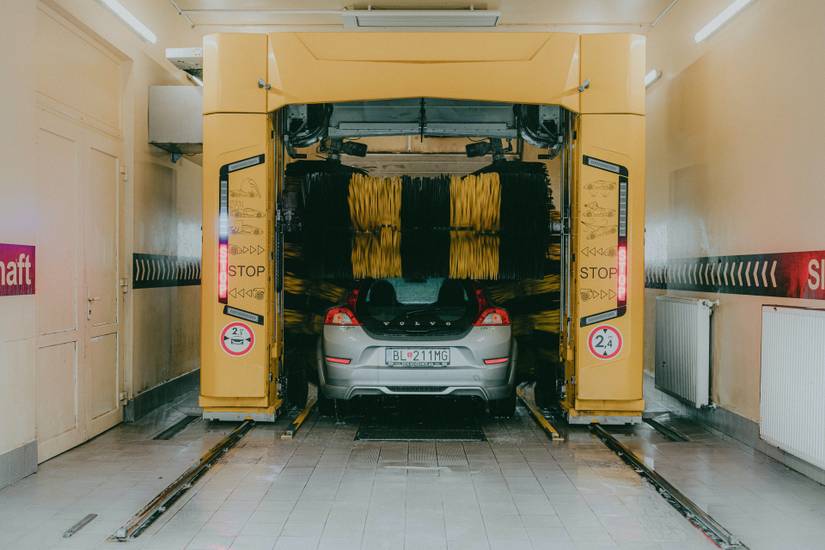
Drive thru car washes offer a quick and easy way to clean your vehicle. These systems use machines to wash your car while you stay inside. Understanding how they work helps you decide if they are right for you.
Types Of Drive Thru Systems
There are mainly two types of drive thru car wash systems. The first uses soft cloth or foam brushes that gently scrub the car. The second uses high-pressure water jets and chemicals without brushes. Each type has its own benefits and cleaning style.
Cleaning Process Steps
The process starts with a pre-wash rinse that removes loose dirt. Next, soap or detergent sprays cover the car’s surface. Then, brushes or jets clean the dirt and grime. After washing, the system rinses off all soap. Finally, dryers blow air to dry the car quickly.
Common Features And Add-ons
Many drive thru washes offer extra features to improve cleaning. Wax coatings protect the paint and add shine. Tire cleaners brighten the wheels. Some places offer undercarriage sprays to remove road salt. Air fresheners and spot-free rinses are common add-ons too.
Credit: www.hotcars.com
Potential Risks To Your Vehicle
Drive-thru car washes offer quick cleaning, but they can harm your vehicle. Some risks may not be obvious at first. Understanding these risks helps you protect your car better.
Scratches And Paint Damage
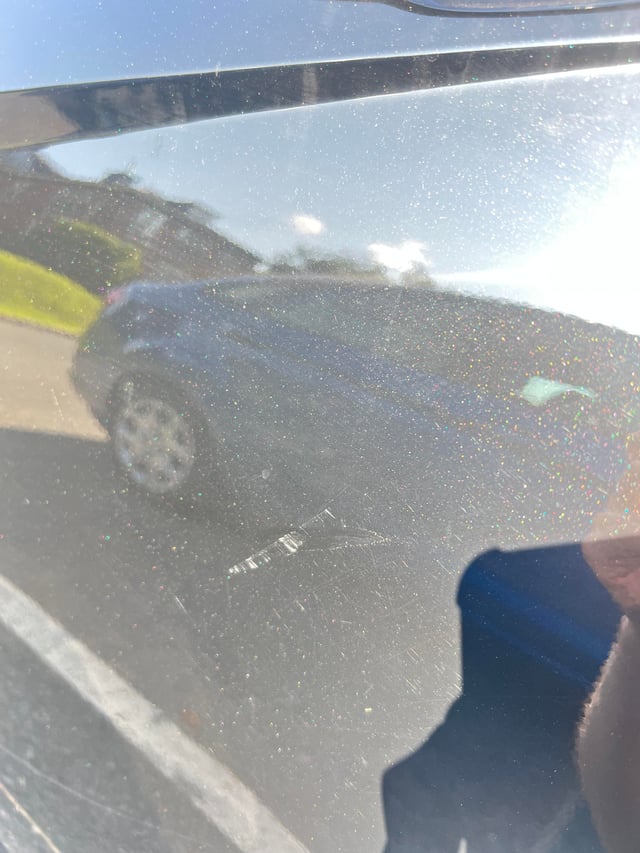
Brushes and cloth strips in drive-thru washes can cause scratches. Dirt caught in the brushes acts like sandpaper. This wears down your car’s clear coat and paint. Over time, small scratches can turn into bigger paint problems.
Effects On Car Exterior Materials
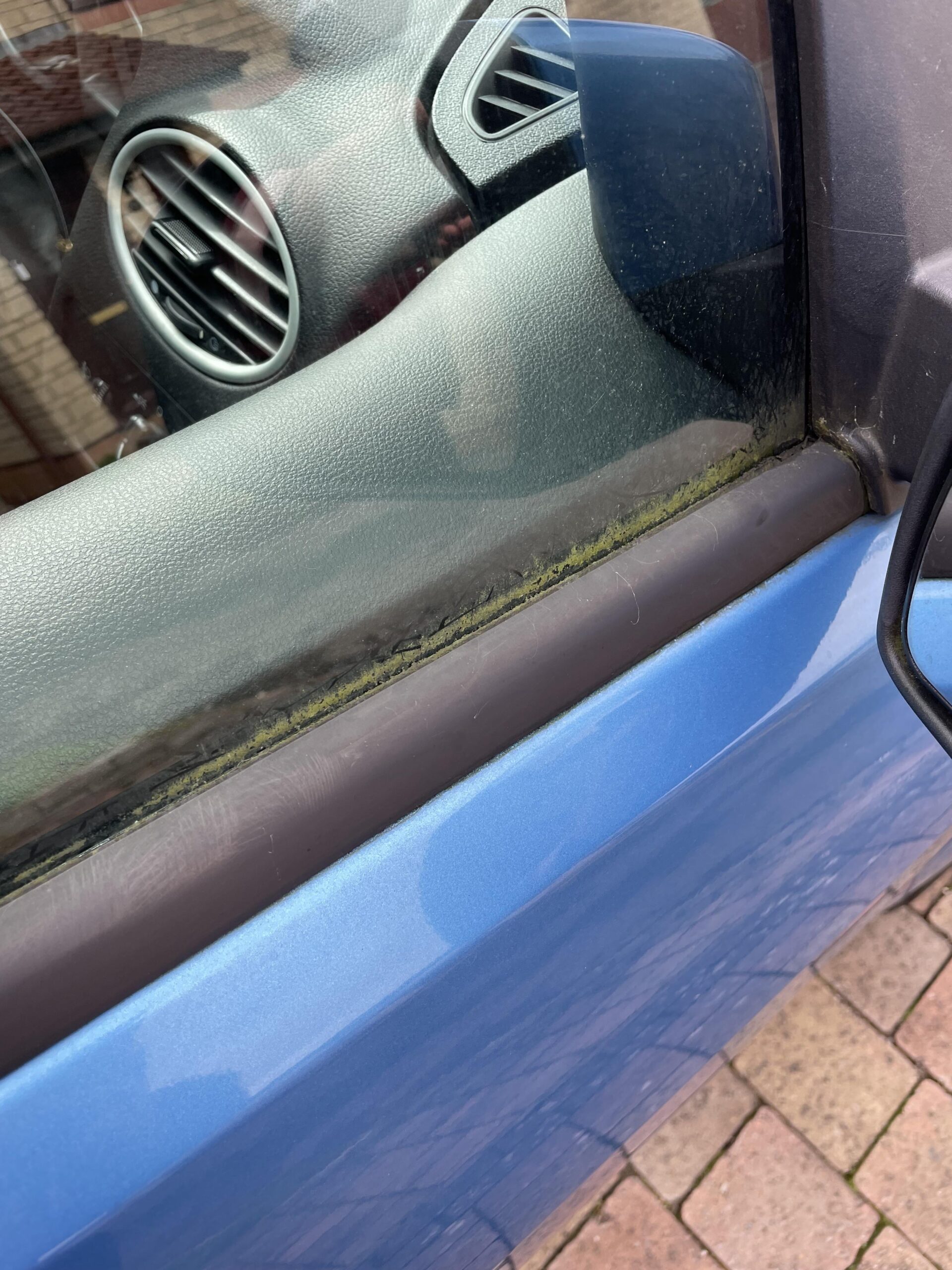
Car washes may damage rubber seals and plastic parts. Strong water pressure can loosen or crack these materials. Faded or brittle trims might break easily during the wash. This damage can lead to leaks or costly repairs.
Mechanical Issues From Wash Components
Some automatic car washes use moving parts near your car. These parts may hit side mirrors or antennas. Sensors or door seals may also be affected. Such impacts can cause mechanical failures or extra repairs.
Environmental Impact
Drive thru car washes impact the environment in several ways. Understanding these effects helps us make better choices. The key areas of concern include water use, chemical runoff, and energy consumption. Each plays a role in the overall environmental footprint of these car washes.
Water Usage And Waste
Drive thru car washes use a lot of water. Some facilities recycle water to reduce waste. Still, many use fresh water for each wash. This high water use can strain local supplies. Wastewater often contains dirt and oil from cars. Proper treatment is necessary to avoid pollution. Water efficiency varies between car wash businesses.
Chemical Runoff Concerns
Car washes use soaps and cleaning chemicals. These substances can harm plants and animals if released into nature. Proper drainage systems help manage chemical runoff. Some car washes use eco-friendly products. This reduces the risk of water pollution. Chemical runoff remains a major environmental issue to watch.
Energy Consumption
Drive thru car washes require energy for machines and dryers. This energy often comes from non-renewable sources. High energy use increases the carbon footprint. Some car washes install energy-saving equipment. Using renewable energy can lower environmental harm. Energy consumption is a key factor in sustainability efforts.
Pros Of Using Drive Thru Car Washes
Drive thru car washes offer several benefits for car owners. They save time and effort compared to washing your car by hand. Many people choose them for quick and easy car cleaning. Here are some key advantages of using drive thru car washes.
Convenience And Speed
Drive thru car washes are fast and easy to use. You do not need to get out of your car. The whole process takes just a few minutes. This saves a lot of time compared to washing by hand. They are open most hours, so you can wash your car anytime. Perfect for busy days or bad weather.
Cost-effectiveness
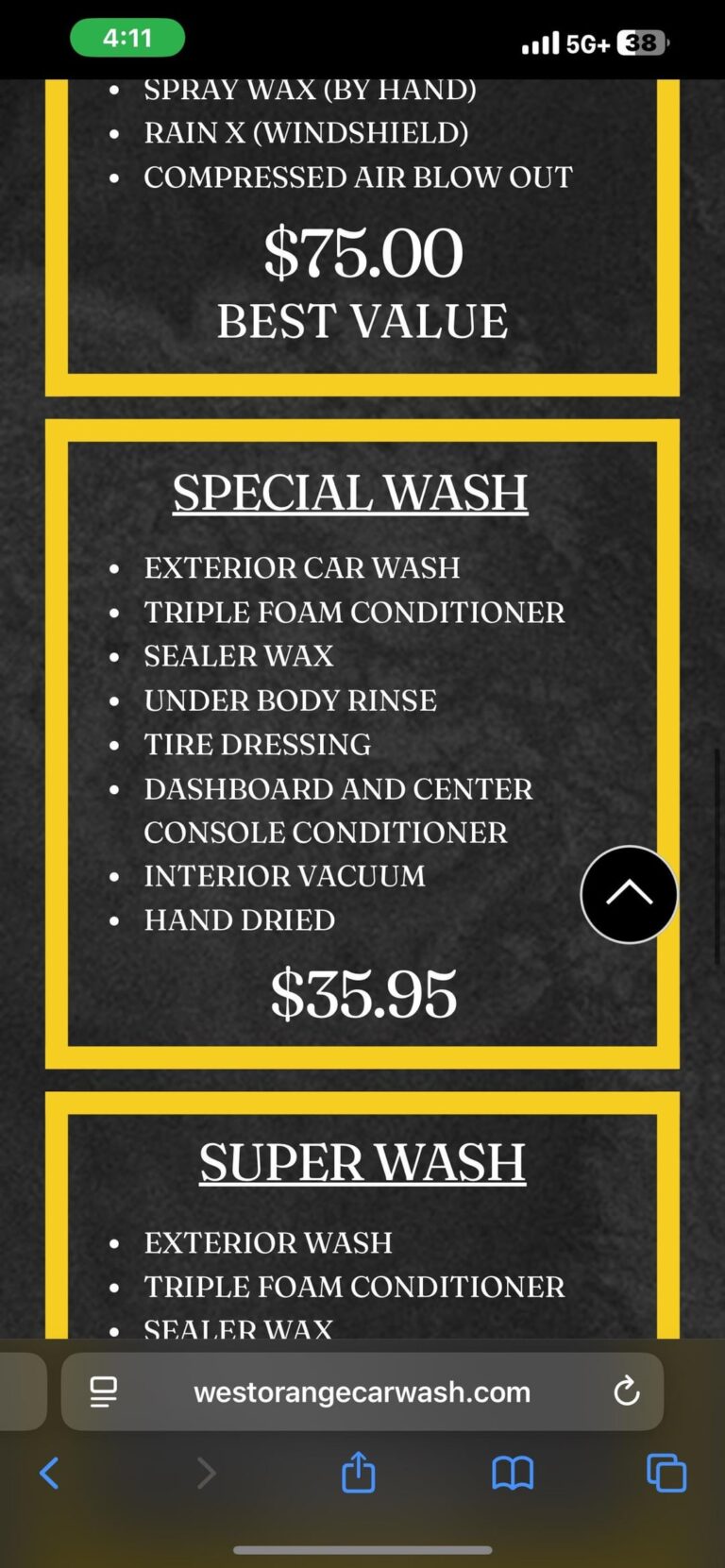
Drive thru car washes usually cost less than professional hand washes. You pay a fixed price for the service. This helps you keep your car clean without spending too much. Many places offer different packages, so you can choose what fits your budget. It is cheaper than buying cleaning supplies and doing it yourself.
Consistent Cleaning Quality
These car washes use machines to clean your car. The machines follow the same process every time. This means the cleaning quality is steady and reliable. You get a good wash even if you are in a rush. Machines can reach spots that are hard to clean by hand. Your car looks cleaner and well maintained.
Alternatives To Drive Thru Car Washes
Drive thru car washes are quick and easy. Yet, they might not suit everyone’s needs. Many people want gentler, more thorough cleaning options. Alternatives offer better care for your car’s paint and finish. These choices also let you control the cleaning process.
Hand Washing Benefits
Hand washing lets you clean your car carefully. You can spot dirt and stains that machines miss. It reduces the risk of scratches from brushes. Using soft cloths and gentle soap helps protect paint. Hand washing is also good for cars with delicate surfaces. It takes more time but offers a deep clean.
Self-service Stations
Self-service stations provide tools to wash your car yourself. They have high-pressure hoses and foam brushes. You can control water pressure and cleaning time. These stations are cheaper than professional services. You get to clean your car at your own pace. It’s a good balance between DIY and convenience.
Professional Detail Services
Professional detailers offer thorough cleaning inside and out. They use special products to protect paint and shine. Detailers remove stubborn stains and polish surfaces. This service improves your car’s look and value. It costs more but gives expert care. Ideal for those who want perfect results with no effort.
Credit: www.chapelhilltire.com
Tips For Safe Car Washing
Washing your car protects its paint and keeps it looking good. Safe washing avoids scratches and damage. Follow these tips to clean your car without harm.
Choosing The Right Wash Type
Not all car washes are the same. Hand washing is gentle but takes time. Drive-thru washes are quick but may use harsh brushes. Touchless washes use water jets and are safer. Pick a wash that fits your car’s needs.
Preparing Your Vehicle
Remove loose dirt with a hose before washing. Check tires and windows for stuck debris. Close all windows and sunroofs tightly. Protect antennas and mirrors by folding or covering them. These steps stop scratches and damage during washing.
Maintenance After Washing
Dry your car with a soft cloth to prevent water spots. Clean door seals and hinges to stop rust. Check for missed dirt and clean again if needed. Wax your car to protect the paint. Regular care keeps your car fresh and safe.

Credit: www.reddit.com
Frequently Asked Questions
Are Drive-thru Car Washes Harmful To My Car’s Paint?
No, most modern drive-thru car washes use soft cloth or foam brushes that are safe. However, older or poorly maintained systems may cause minor scratches. Regular maintenance and choosing reputable car washes reduce the risk of paint damage.
Do Drive-thru Car Washes Remove All Dirt Effectively?
Drive-thru car washes clean surface dirt well but may miss stubborn grime or wheel dirt. Hand washing or detailed cleaning is better for deep dirt. Regular washes keep your car looking clean and protect its paint.
Can Drive-thru Car Washes Damage Car Sensors Or Antennas?
Generally, drive-thru car washes are designed to avoid sensor and antenna damage. However, some tall antennas or aftermarket sensors might be vulnerable. It’s best to remove or retract antennas before washing to prevent potential damage.
How Eco-friendly Are Drive-thru Car Washes?
Drive-thru car washes often use less water than home washing. Many use recycling systems to reduce water waste. Choosing eco-certified car washes helps minimize environmental impact while keeping your car clean.
Conclusion
Drive thru car washes offer quick and easy cleaning for cars. They save time but may cause minor scratches over time. Many use strong brushes that can wear down paint. Choosing a touchless option can reduce this risk. Regular hand washing keeps your car safer from damage.
Think about your car’s needs and how often you wash it. Drive thru washes are not bad, but they are not perfect either. Balance convenience with care to keep your car looking good longer.