Black Friday deals are live on Amazon · limited-time discounts, grab them before they’re gone
Grab the deals

ByMax Lee
Is Ceramic Coating at Car Wash Worth It? Ultimate Guide Revealed
A car wash ceramic coating can make your vehicle look glossier, feel smoother, and shed water more readily—but it is not always the same product or service as a professional ceramic coating.
In many wash tunnels, “ceramic” means a spray-applied sealant containing SiO₂ or a related polymer. It may last weeks or months. A detailer-applied coating, by contrast, requires careful preparation, controlled application, and curing time, and may last several years when properly maintained. You can also read our guide on best car wash soap for dark cars top picks for a glossy finish.
So, is ceramic coating at a car wash worth it? Usually, it is worthwhile as an affordable maintenance upgrade if you want temporary hydrophobic protection and easier washing. It is less attractive if you expect permanent protection, scratch resistance, or the durability of a professionally installed coating.
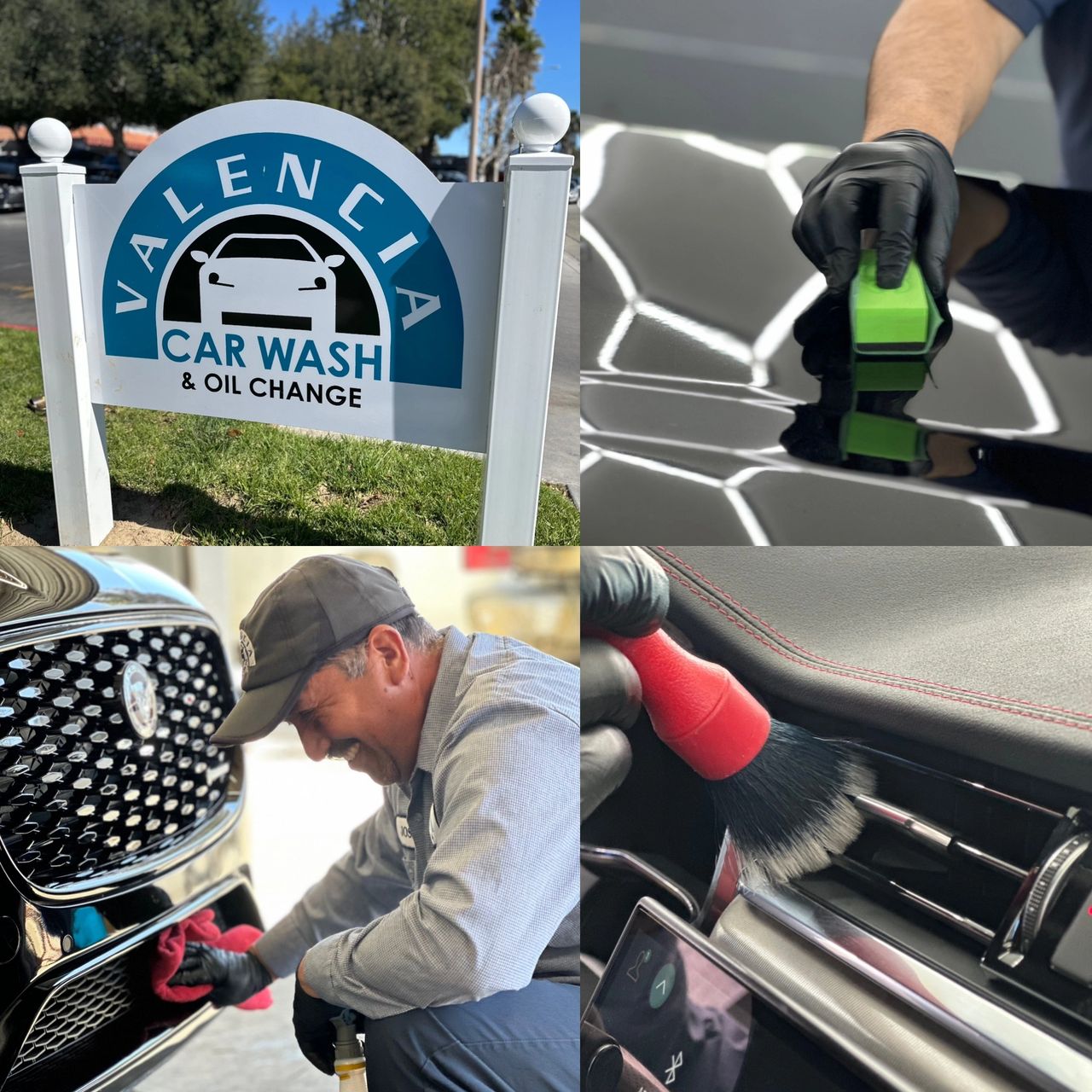
The result depends heavily on surface preparation and the product used.
Credit: valenciacarwash.com
What “Ceramic Coating” Means at a Car Wash
A true ceramic coating is a liquid coating that chemically bonds with a properly prepared surface and cures into a durable, transparent film. Many professional formulas use silane or siloxane chemistry and silicon dioxide-related ingredients. You can also read our guide on can you use regular car wash after ceramic coating.
A car wash add-on may be something different, such as:
- A spray-on ceramic sealant
- A foam or rinse-applied SiO₂ product
- A polymer sealant marketed as “ceramic”
- A short-term gloss enhancer
- A maintenance product designed for an existing coating
These products are not necessarily bad. They are simply less durable and less labor-intensive than a dedicated coating installation.
The most important question is not whether the service uses the word ceramic. Ask what product is applied, how it is applied, how long it is expected to last, and what preparation is included. You can also read our guide on best car wash product for ceramic coating.
For broader context on protecting painted surfaces, review this guide to everyday paint protection before comparing packages.
How Ceramic Protection Works
Ceramic products create a low-surface-energy layer that causes water to bead or run off more readily. The surface can also feel slicker, which makes some dirt easier to remove during a careful wash. You can also read our guide on will automatic car wash remove ceramic coating.
The protection may help reduce exposure to:
- UV-related oxidation
- Road film and grime
- Mild chemical contamination
- Tree sap and bird-dropping residue when removed promptly
- Water and mud sticking tightly to the paint
However, ceramic protection does not make the paint invulnerable. It generally will not stop:
- Rock chips
- Deep scratches
- Door dings
- Abrasive automatic-wash brushes
- Etching from bird droppings or hard-water deposits left for too long
- Paint defects that existed before application
Hydrophobic behavior is also not a direct measure of coating health. A surface can temporarily bead water because of a topper or detergent residue, while the underlying protection is already weakening.
Car Wash Ceramic Coating vs. Professional Ceramic Coating
The difference is mainly preparation, product concentration, application control, and curing time.
| Factor | Car wash ceramic add-on | Professional coating installation |
|---|---|---|
| Typical application | Spray, foam, or rinse-applied | Hand-applied coating in controlled sections |
| Preparation | Wash and dry, sometimes light decontamination | Wash, chemical decontamination, clay treatment, and often polishing |
| Expected durability | Often several weeks to several months | Commonly one to several years, depending on the product and care |
| Paint correction | Usually not included | Often available and strongly recommended for used vehicles |
| Curing | Frequently quick or immediate | Requires a specified cure period and controlled conditions |
| Price | Lower upfront cost | Higher upfront cost |
| Best use | Convenient short-term protection | Long-term appearance and protection |
These timeframes are general rather than guarantees. Climate, washing technique, mileage, storage, chemical exposure, and the exact product can change the result considerably. You can also read our guide on how to keep a black car clean between washes.
A common mistake is comparing a low-cost wash add-on with a multi-stage professional coating as though they are equivalent services. They are not. The car wash option is closer to an enhanced sealant; the professional option is a surface-preparation and coating system.

Professional results depend on correcting and preparing the paint before coating.
Credit: www.fresh-layer.com
Benefits of Ceramic Coating at a Car Wash
Lower upfront cost
A wash-based ceramic service typically costs much less than a full detailing appointment. That makes it useful for drivers who want some added protection without committing to a long-term coating. You can also read our guide on best hose filter for car washing.
It can also be practical for leased vehicles, older daily drivers, or cars that are regularly exposed to rain, road salt, dust, and outdoor parking.
Faster application
The treatment is usually added to an existing wash, so there is no separate appointment or extended curing schedule. This convenience is the main reason many people choose it. You can also read our guide on best car wash soap for ceramic coated cars.
Still, “fast” should not mean careless. The vehicle should be thoroughly cleaned first. Applying a protectant over heavy grit can trap contamination or create streaking.
Better water behavior
A fresh treatment can make water sheet or bead more readily. This may reduce drying time and help loose dirt rinse away more easily. You can also read our guide on can you use normal car wash on ceramic coating.
Water behavior is most useful when combined with proper washing. It does not eliminate the need to dry the vehicle, especially in areas with hard water or intense sun.
Easier routine cleaning
A smoother, protected surface often releases road film more easily than neglected paint. You may spend less time scrubbing, which reduces the chance of introducing wash-induced swirls. You can also read our guide on how to properly wash and wax a black car.
For the safest routine, use a two-bucket washing process rather than relying on repeated contact washes.
Improved gloss
Car wash ceramic products can add noticeable gloss, particularly when the paint is already clean and in good condition. The visual improvement may be substantial immediately after application, although some of that effect can come from the wash, drying aid, or gloss enhancer rather than a durable ceramic layer alone. You can also read our guide on can a ceramic coated car go through a car wash.
Drawbacks and Limitations
The label may overpromise
“Ceramic” is used broadly in the automotive-care market. A product described as ceramic may be a short-term spray sealant rather than a professionally installed coating.
Ask the operator:
- What is the product name?
- Is it spray-applied, foam-applied, or hand-applied?
- Is the vehicle dried before application?
- How long does the manufacturer say it lasts?
- Is the service a one-time application or a recurring maintenance treatment?
- Is there a written warranty or only a verbal promise?
If staff cannot answer basic product questions, treat the service as a temporary gloss and water-repelling treatment—not a multi-year coating. You can also read our guide on can you pressure wash a ceramic coated car.
Preparation is usually limited
Professional coating preparation may include iron removal, tar removal, clay treatment, machine polishing, and panel wipe. A typical car wash does not have the time or labor budget for all of those steps.
That matters because a coating does not hide defects. It can lock in:
- Swirl marks
- Water spots
- Oxidation
- Tree sap residue
- Embedded industrial fallout
- Poorly removed wax or silicone residue
On a new or well-maintained vehicle, this limitation may be acceptable. On neglected paint, professional preparation is usually the better investment. You can also read our guide on best waterless car wash for ceramic coated cars.
It does not provide meaningful impact protection
Ceramic protection is not paint protection film. It will not reliably prevent chips from highway debris, scratches from shopping carts, or dents from parking-lot impacts.
If impact resistance is your priority, compare ceramic coating with paint protection film rather than treating them as interchangeable products. You can also read our guide on best microfiber cloth for car wash.
Automatic brushes can still damage paint
A ceramic treatment does not make an abrasive brush safe. Dirty wash media can create fine marring even when the paint is coated.
If you use an automatic wash, choose a touch-free option when practical. A touch-free wash may leave more road film behind, but it avoids direct contact with contaminated brushes. You can then complete a careful hand wash when conditions allow. You can also read our guide on best car wash detergent for well water.
When a Car Wash Ceramic Add-On Is Worth It
The service is a reasonable choice when most of these statements describe your situation:
- You want affordable, short-term protection.
- You regularly wash the car and want faster rinsing and drying.
- The paint is already in decent condition.
- You park outside or drive through rain, dust, or road salt.
- You do not need a multi-year warranty.
- You understand that the result is not scratch-proof.
- The product and expected lifespan are clearly explained.
It can be particularly useful as a maintenance layer on a vehicle that already has a professional coating. In that case, confirm that the wash product is compatible with the coating and does not contain aggressive cleaners or unnecessary abrasives.
When Professional Detailing Is the Better Choice
Choose a dedicated detailer when:
- The paint has heavy swirl marks or oxidation.
- You want the best possible gloss.
- You plan to keep the vehicle for several years.
- The car is new and you want to preserve its finish from the beginning.
- You need paint correction before protection.
- You want a documented product, application process, and warranty.
- You are comfortable following a curing and maintenance schedule.
A professional should inspect the paint before quoting the job. Be cautious of anyone promising a fixed durability period without asking about the vehicle’s condition, storage, climate, and washing habits. You can also read our guide on best water softener for car washing.
How Much Does Car Wash Ceramic Coating Cost?
Prices vary by location, vehicle size, product, and whether the treatment is part of a membership or premium wash. A low-cost add-on is usually a short-term sealant, while a higher-priced service may include hand application, decontamination, or drying.
Instead of judging value by price alone, calculate the cost per expected month of protection:
Cost per month = service price ÷ realistic service life in months
For example, a modest treatment that lasts two months may be a better value than a more expensive application that only lasts a few weeks. Conversely, a cheap service is not a bargain if it produces streaks, leaves residue, or requires frequent reapplication. You can also read our guide on how to wash a car with ceramic coating.
Do not assume that a high price proves the product is a true ceramic coating. Product identity and preparation still matter more than marketing language.
How to Prepare Your Car Before the Service
For the best result from a wash-based treatment:
- Remove personal items from the vehicle.
- Tell the operator about recently repaired or repainted panels.
- Ask whether the service includes drying before application.
- Check for heavy sap, tar, or mineral deposits.
- Avoid applying the treatment over visibly dirty paint.
- Confirm whether the product is safe for glass, trim, wheels, and matte finishes.
- Ask how long the vehicle should remain dry afterward.
If the paint has severe contamination, have it cleaned properly first. A ceramic product cannot compensate for a dirty or poorly prepared surface. You can also read our guide on best car wash kit for ceramic coating.
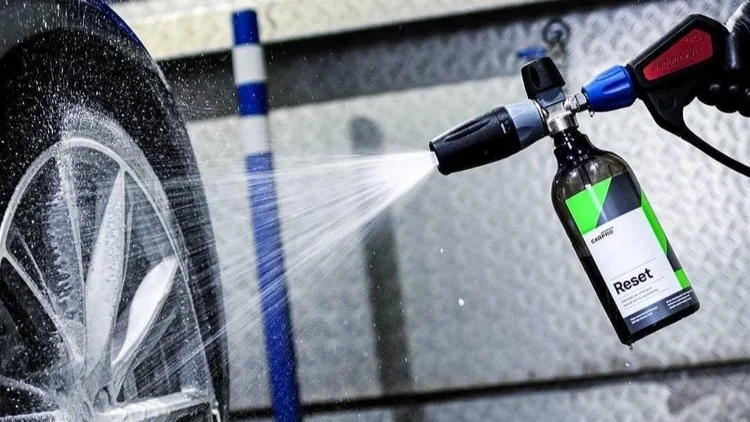
Water beading indicates hydrophobic behavior, but it does not prove long-term coating durability.
Credit: www.fresh-layer.com
How to Maintain Car Wash Ceramic Protection
Wash regularly and gently
Rinse away loose grit before touching the paint. Use a clean microfiber mitt and a lubricating, pH-balanced shampoo. Work from the roof downward, cleaning the dirtiest lower panels last.
A quality car shampoo for coated paint helps remove contamination without unnecessarily stripping protection. You can also read our guide on is car wash ceramic coating worth it.
Dry promptly
Allowing water to evaporate in direct sunlight can leave mineral deposits. Use a clean drying towel or a filtered air blower, and avoid dragging a towel across a gritty surface.
If water spots already exist, do not polish aggressively or use household cleaners. Start with a product appropriate for automotive paint and escalate to professional correction if the deposits have etched the finish. These water-spot prevention practices are useful even when the surface is coated. You can also read our guide on best car wash for ceramic coating.
Remove contamination quickly
Bird droppings, bug residue, tree sap, and road salt should be removed as soon as practical. Ceramic protection can give you more cleaning time, but it does not make contamination harmless.
Avoid harsh contact washes
Inspect the wash method rather than relying on the ceramic label. Worn brushes, dirty towels, and aggressive drying equipment can create marring. If you choose an automatic wash, a touch-free system is generally less likely to introduce brush-induced swirls. You can also read our guide on best snow foam for ceramic coated cars.
Reapply based on performance
Do not reapply simply because a marketing label says to do so. Monitor:
- Water behavior after the vehicle is clean
- How easily dirt releases
- Surface slickness
- Gloss and uniformity
- Streaking or patchiness
When performance fades, clean and decontaminate the paint before adding another layer. Repeatedly spraying products over residue can create buildup and uneven appearance.
For seasonal conditions, adapt your routine with this cold-weather washing guidance.
Product Safety and Environmental Considerations
Follow the product label and the car wash’s instructions for safe use. Never mix detailing chemicals unless the manufacturer specifically permits it, and avoid using household detergents, abrasive powders, or strong solvents on automotive paint.
Runoff can carry detergents, oil, brake dust, and other contaminants into storm drains. Use a compliant commercial wash when possible, or wash on a suitable permeable surface with products intended for vehicle care. The U.S. Environmental Protection Agency provides general information on preventing pollutants from entering stormwater systems.
A Simple Decision Guide
| Your priority | Best choice |
|---|---|
| Quick shine and water beading | Car wash ceramic add-on |
| Low initial cost | Car wash ceramic add-on |
| Short-term protection for a daily driver | Car wash ceramic add-on |
| Maximum gloss on imperfect paint | Professional detailer with paint correction |
| Multi-year protection | Professionally installed ceramic coating |
| Rock-chip resistance | Paint protection film |
| Lowest maintenance effort | Professional coating plus proper washing |
Frequently Asked Questions
Is ceramic coating at a car wash a real ceramic coating?
Sometimes, but not always. Some car washes use a genuine SiO₂-based spray product, while others use a polymer sealant with ceramic-themed marketing. Ask for the product name, application method, and realistic durability period.
How long does car wash ceramic coating last?
A wash-applied treatment commonly lasts from several weeks to a few months, but the exact lifespan depends on the formula, climate, washing method, and how often the vehicle is driven. A professional coating can last much longer because it receives more thorough preparation and controlled application.
Does it protect against scratches?
Only to a limited extent. It may reduce friction during washing and help resist very light surface marring, but it will not prevent deep scratches, rock chips, or impact damage.
Can I use an automatic car wash after ceramic coating?
You can, but the wash type matters. Touch-free systems avoid brush contact, while tunnel brushes and poorly maintained cloth can create swirls. Follow the coating manufacturer’s care instructions and choose gentle washing whenever possible.
Is ceramic coating better than wax?
Ceramic products generally offer longer-lasting water behavior and chemical resistance than traditional wax. Wax can still be preferable when you want a low-cost, easy-to-refresh finish or a particular appearance. Neither option makes paint immune to damage.
Should an older car receive ceramic protection?
Yes, if the paint is sound and you mainly want easier maintenance. If the finish is faded, heavily scratched, or oxidized, correct those issues first. Applying ceramic protection over damaged paint preserves the condition rather than restoring it.
Can ceramic coating prevent water spots?
It may help water run off more quickly, but it cannot eliminate water spots. Minerals remain behind when water evaporates. Prompt drying and proper washing are still necessary.
Is a car wash ceramic add-on worth paying for?
It is worth considering when you want convenient, inexpensive, short-term protection and have realistic expectations. It is not the best value if you expect a multi-year coating, flawless paint correction, or impact protection.
Final Verdict
Ceramic coating at a car wash is worth it for convenience, extra gloss, and temporary hydrophobic protection—but it should not be confused with a professional ceramic coating.
Choose the car wash option when the vehicle is in good condition, the price is reasonable, and the operator can explain the product and expected lifespan. Choose professional detailing when you want paint correction, long-term durability, documented application, or the best possible finish.
Before paying, ask one decisive question: “What exactly is being applied, and how long should it realistically last?” The answer will tell you whether you are buying a useful maintenance sealant or a service that is overpromising under the word “ceramic.”








