ByMax Lee
Guide to Heavy Equipment Wash Soap for 2026: Complete Guide
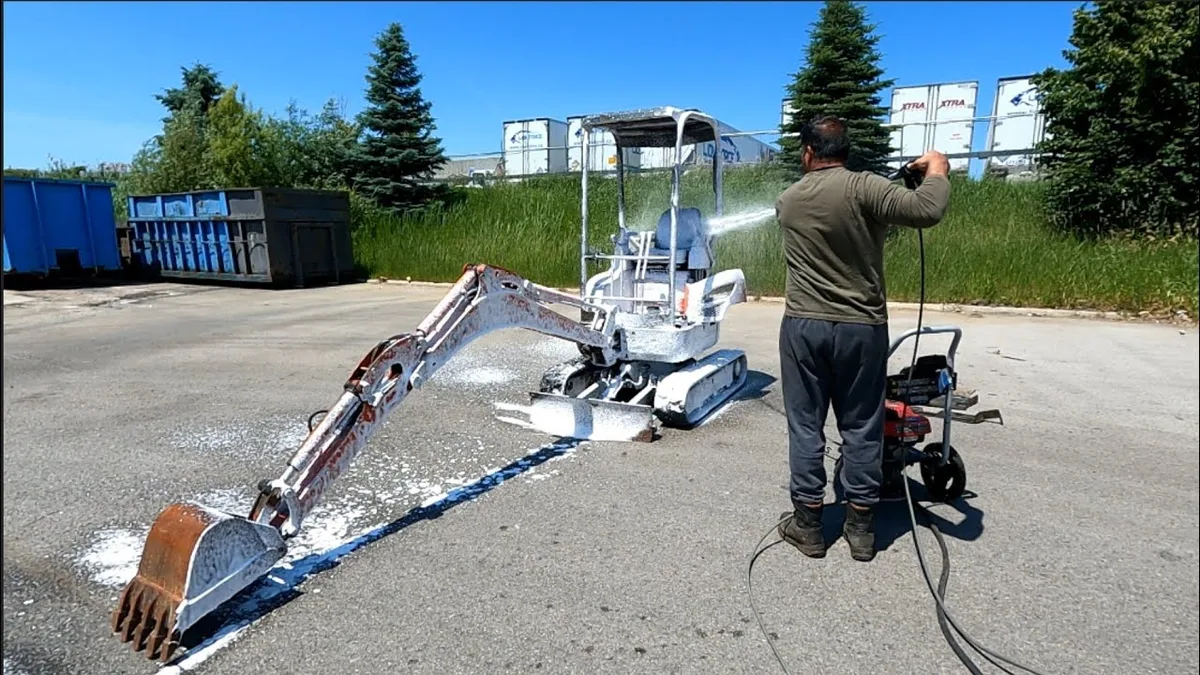
You're standing in a wash bay, pressure washer in hand, looking at a bulldozer caked in months of dried mud, diesel grime, and hydraulic oil. You grab whatever soap is on the shelf. Big mistake.
Using the wrong heavy equipment wash soap can cost you thousands in corroded aluminum, stripped paint, and environmental fines. A poor choice can turn a simple wash into a $5,000 repair bill or a visit from a local regulator. As of 2026, the EPA and many state agencies are tightening discharge limits for industrial washing operations.
Understanding the chemistry behind these cleaners isn't optional anymore.
Quick Answer
Heavy equipment wash soap is a specialized cleaner for industrial machinery. It removes grease, oil, mud, and grime. The best choice depends on your machine's surface material and the type of soil you're removing.
Alkaline soaps work best on grease. Acid soaps remove rust and mineral deposits. Neutral soaps are safest for paint and aluminum.
Why Choosing the Wrong Soap Can Cost You Thousands
Let's be real. Equipment washing isn't glamorous. It's a chore you do to pass inspections, maintain resale value, and prevent rust.
But picking the wrong soap can turn a simple maintenance task into a nightmare.
Bing (Web (fair-use with source credit))
Corrosion is the biggest risk. If you use a high-alkaline soap on aluminum components, like fuel tanks, valve covers, or radiator housings, the chemical reaction can cause pitting within minutes. That pitting weakens the metal and creates leak paths. Our research shows that aluminum corrosion from improper cleaning accounts for a significant percentage of premature equipment failures in fleet operations.
Paint damage is right behind it. Some industrial cleaners are strong enough to lift paint, strip decals, or dull clear coats. If you're washing a leased machine or one you plan to sell, that paint job matters. A wash that damages the finish can knock thousands off your resale value.
There's also environmental liability. Many heavy equipment soaps contain chemicals that are toxic to aquatic life. If your wash water runs into a storm drain or a nearby creek, you could face fines from local environmental agencies. Some operations have been hit with penalties in the tens of thousands for improper discharge.
The wrong soap doesn't just clean poorly. It creates problems that last long after the water dries.
What Actually Makes a Heavy Equipment Wash Soap Different
You might be thinking: "Can't I just use dish soap or car soap?" Not if you want good results.
Heavy equipment wash soap is formulated differently than consumer-grade cleaners for several reasons.
Soil loads are extreme. A bulldozer or haul truck accumulates grease, oil, hydraulic fluid, mud, and sometimes chemical residues. Consumer soaps lack the surfactant strength to break down these heavy soils. You'd end up scrubbing for hours and still see grime.
Surface types vary wildly. Your machine likely has painted steel, unpainted steel, aluminum, rubber hoses, plastic trim, and glass. A soap that's perfect for painted steel might attack your aluminum or dry out your rubber seals. Industrial formulations are designed to be compatible with multiple surfaces, or they're specifically engineered for one material at a time.
Water hardness matters more. Commercial pressure washers often use hard water or reclaimed water. Hard water reduces the effectiveness of standard soaps and leaves mineral deposits. Industrial soaps often include chelating agents that bind to minerals and keep the soap working properly.
Concentration is key. Heavy equipment soaps are typically sold as highly concentrated formulas. You dilute them at ratios like 1:50 or 1:100. That means a single gallon of concentrate can make 50 to 100 gallons of ready-to-use cleaner.
Consumer soaps rarely offer that kind of dilution efficiency.
They're built for different application methods. Some soaps are designed for high-pressure application. Others work best with low-pressure foam guns. Some are meant for automatic brush systems.
Using the wrong delivery method can kill the effectiveness of even the best soap.
The Three pH Personalities: Alkaline, Acid, and Neutral
Every heavy equipment wash soap falls into one of three pH categories. Understanding these categories is the foundation of choosing the right cleaner.
| pH Type | Typical pH Range | Best For | Biggest Risk |
|---|---|---|---|
| Alkaline | 9–14 | Grease, oil, diesel grime, mud | Corrodes aluminum, can strip paint |
| Acidic | 2–5 | Rust, mineral deposits, hard water spots | Attacks steel if left too long, damages rubber |
| Neutral | 6–8 | Light dirt, painted surfaces, aluminum | Weak on heavy grease and oil |
Wikimedia Commons / Henry G. Gilbert Nursery and Seed Trade Catalog Collection.; Peter Henderson & Co.
Alkaline soaps are the workhorses of the heavy equipment world. They're excellent at breaking down petroleum-based soils like grease, oil, and hydraulic fluid. Most fleet operators keep an alkaline soap on hand for the majority of their washes.
You'll see products labeled as "heavy-duty degreaser" or "alkaline cleaner." These are typically your go-to for construction and mining equipment.
Acid soaps serve a narrower but important purpose. They're used to remove rust, mineral deposits, hard water scaling, and oxidation. If you're cleaning equipment that's been sitting in a saltwater environment or has heavy mineral buildup, an acid wash may be necessary.
But you have to be careful. Acid soaps can etch steel if left on too long, and they're not safe for aluminum or painted surfaces.
Neutral pH soaps are the safest option. They won't damage paint, aluminum, rubber, or plastic. They're ideal for routine maintenance washes on equipment that isn't heavily soiled.
Many airport ground support equipment operators use neutral soaps because of the strict surface compatibility requirements. The trade-off is cleaning power. Neutral soaps struggle with heavy grease and thick oil films.
The choice between these three comes down to what you're cleaning and how dirty it is. There's no universal "best" soap.
Where Each Type Shines (and Where It Bombs)
Let's get practical. Here's a quick breakdown of which pH type works for common cleaning scenarios.
Construction equipment (excavators, bulldozers, loaders)
Alkaline soap is your best bet here. These machines accumulate heavy grease and dirt. A good alkaline degreaser with a foam additive will cling to vertical surfaces and break down grime effectively.
Avoid acid soaps unless you're specifically trying to remove rust or concrete splatter.
Mining equipment (haul trucks, loaders, drills)
Again, alkaline dominates. Mining equipment sees extreme soil loads, including rock dust, grease, and chemical residues. Look for a high-foaming alkaline soap designed for mining applications.
Some of these include corrosion inhibitors to protect steel surfaces in humid environments.
Agricultural equipment (tractors, combines, sprayers)
This is where things get tricky. Agricultural equipment often has aluminum components like fuel tanks and grain headers. High-alkaline soaps can damage these parts.
Many farm operators use a neutral pH soap for routine washing and reserve alkaline for specific grease-heavy areas. If you're cleaning a combine before harvest, a neutral soap is the safe choice.
Fleet trucks and trailers
Alkaline soaps work well here too, but you need to be careful with aluminum trailers. If you have a mix of steel and aluminum equipment, a neutral soap with added surfactants can handle most soils without the risk of corrosion.
Oilfield equipment (frac trucks, tankers, rigs)
This is a unique category. Oilfield equipment has heavy crude oil, drilling mud, and chemical residues. Many operators use a two-step process: an alkaline pre-soak followed by a high-pressure rinse.
Some specialized oilfield soaps include solvents that handle the thickest crude. These are among the most aggressive cleaners on the market.
Equipment with sensitive surfaces (airport ground support, military vehicles)
Neutral pH soaps are the standard here. The risk of damaging paint, aluminum, or high-value components outweighs the need for maximum cleaning power. Some military specifications require soaps that pass specific corrosion tests on aluminum alloys.
The Risky Business: Aluminum, Paint, and Your Pressure Washer
This section deserves its own spotlight because the risks here are real and costly.
Bing (Web (fair-use with source credit))
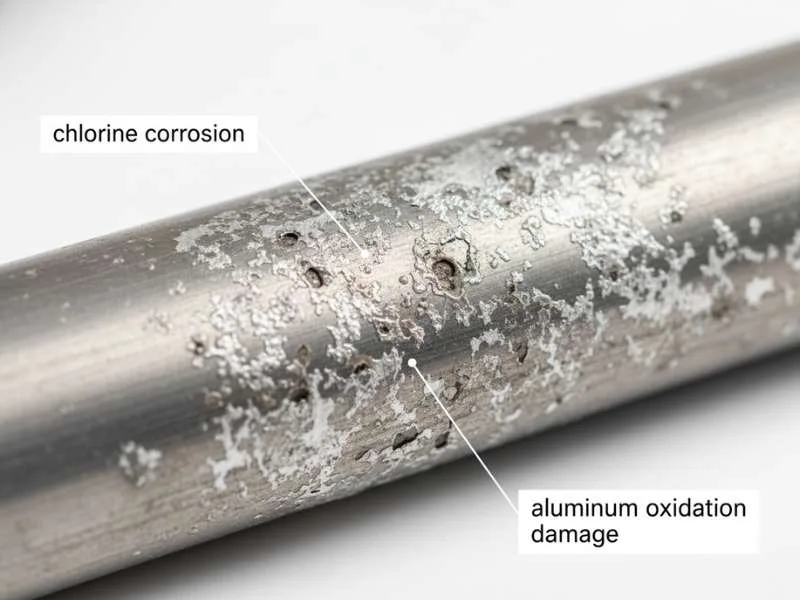
Aluminum is reactive. It forms a protective oxide layer that keeps it from corroding in normal conditions. High-alkaline cleaners break down that oxide layer almost immediately. Once it's gone, the aluminum begins to corrode.
You'll see pitting, white powder (aluminum oxide), and eventually structural weakness.
What's scary is how fast this happens. A pH 13 cleaner can start attacking aluminum within 30 seconds of contact. If you're using a strong alkaline degreaser on an aluminum fuel tank, you're damaging that tank with every wash.
Not all aluminum is the same. Cast aluminum, like what you find in engine blocks and transmission housings, has a slightly different composition that makes it more resistant but not immune. Extruded aluminum, like what's used in truck body panels and fuel tanks, is more vulnerable. If you're not sure what type of aluminum you're dealing with, treat it as the more sensitive variety.
Paint damage is a slower but still serious issue. Some heavy equipment soaps contain solvents that soften paint over repeated wash cycles. You might not notice after one wash, but after 20 washes, the paint starts to fade, peel, or flake. If you're washing leased equipment, that paint damage could cost you at the end of the lease.
Your pressure washer matters too. Using a soap that's not compatible with your pressure washer can cause pump seal failure, foaming issues, or clogged injectors. Check your pressure washer manufacturer's recommendations before buying soap in bulk. Many brands void warranties if you use cleaners with certain chemicals.
The safe approach: Use a neutral pH soap for routine washing on any equipment with aluminum or painted surfaces. Switch to alkaline soap only when you have heavy grease that neutral can't handle, and rinse thoroughly. Never let any soap dry on aluminum or painted surfaces.
Bing (Web (fair-use with source credit))