ByMax Lee
Guide to Car Shampoo for Ppf in 2026 (Step-by-Step Guide)
Bing (Web (fair-use with source credit))
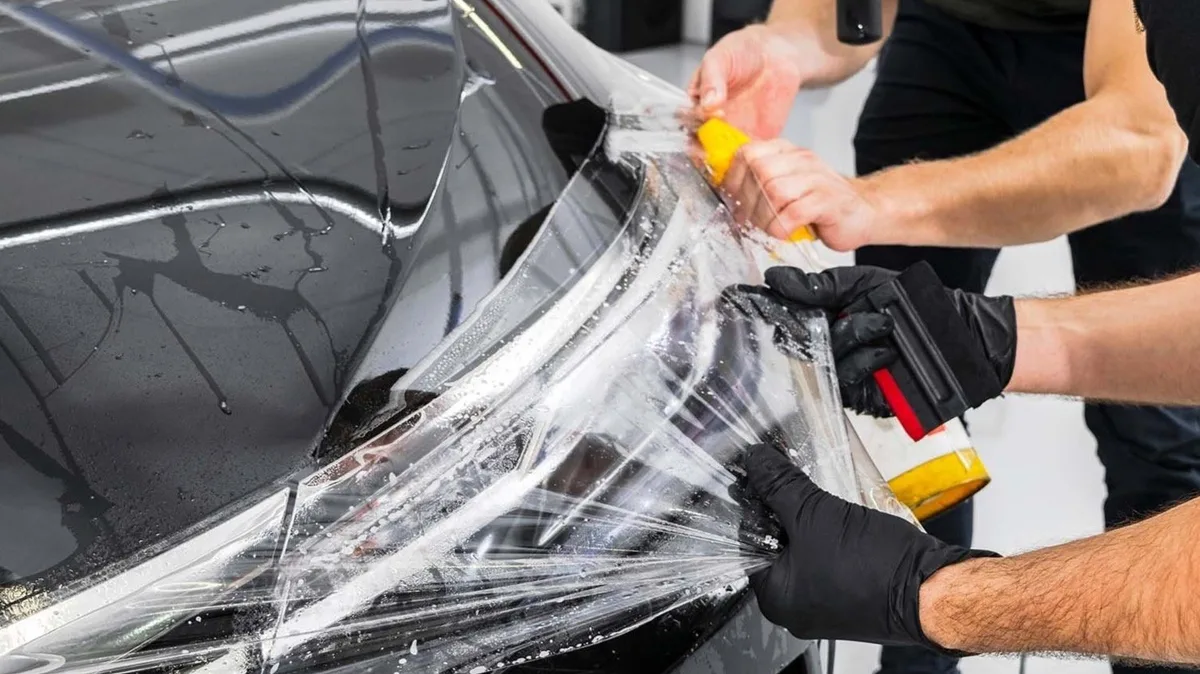
You spent serious money on paint protection film. Maybe a full front end. Maybe the whole car.
Now you need a car shampoo for ppf that won't ruin it. Grab the wrong bottle and you could yellow the film, lift the edges, or dull that fresh gloss. Manufacturers specify exact care for a reason.
Per XPEL, SunTek, and 3M documentation, pH neutrality is the bare minimum. But that alone doesn’t cut it. Waxes, high alkaline levels, and harsh surfactants all damage PPF over time.
As of 2026, the market has more options than ever. Let’s sort through what actually works.
Quick Answer
Use a pH-neutral, wax-free shampoo. Dilute it properly. Avoid dish soap.
Never use degreasers or citrus cleaners. Wash with a soft microfiber mitt. Rinse thoroughly.
Dry with a plush towel. That routine keeps your film safe and clear.
Why the Wrong Shampoo Can Ruin Your PPF
PPF isn’t paint. It’s a thermoplastic polyurethane film with self-healing properties. That chemistry is sensitive.
High pH soap breaks down the film’s top coat. Waxes and silicones get trapped and yellow under UV light.
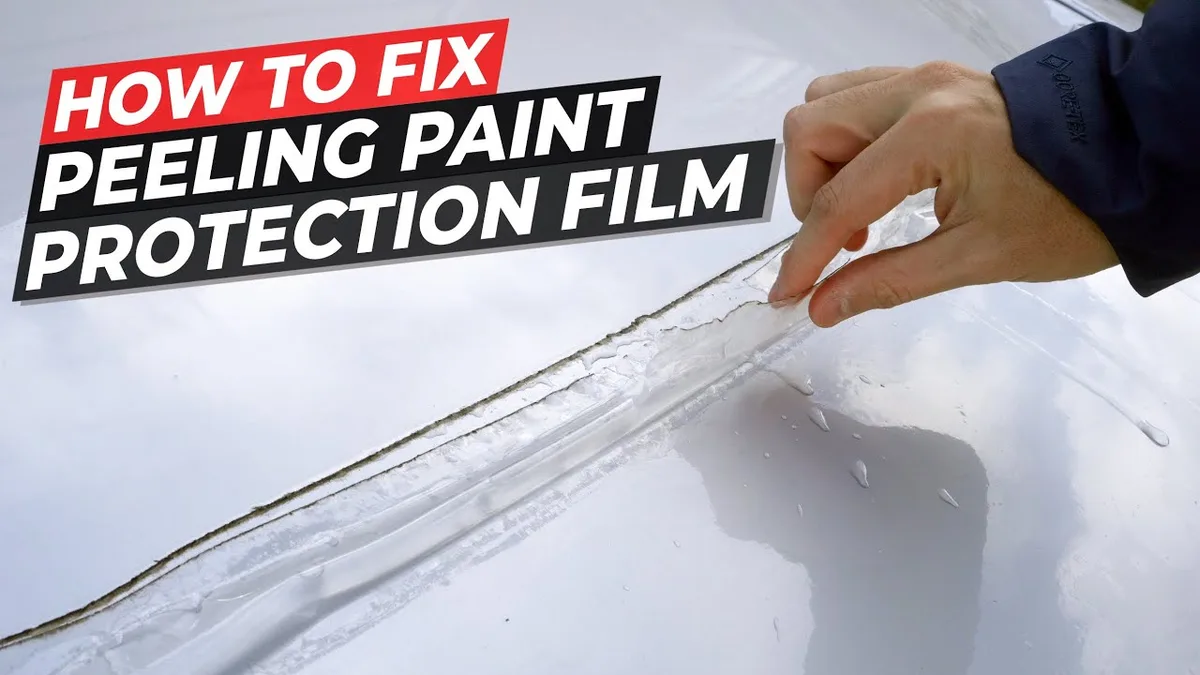
Aggressive surfactants strip the protective layer. They also degrade the adhesive. You end up with edge lifting and peeling.
We’ve seen forums full of owners who used a “premium” car wash soap only to find their matte film turned shiny.
One more thing. Many off-the-shelf shampoos contain gloss enhancers. That’s fine for clear coat.
On PPF, they leave residue that attracts dirt and makes the film cloudy.
Quick Answer: What Makes a Shampoo “PPF Safe”
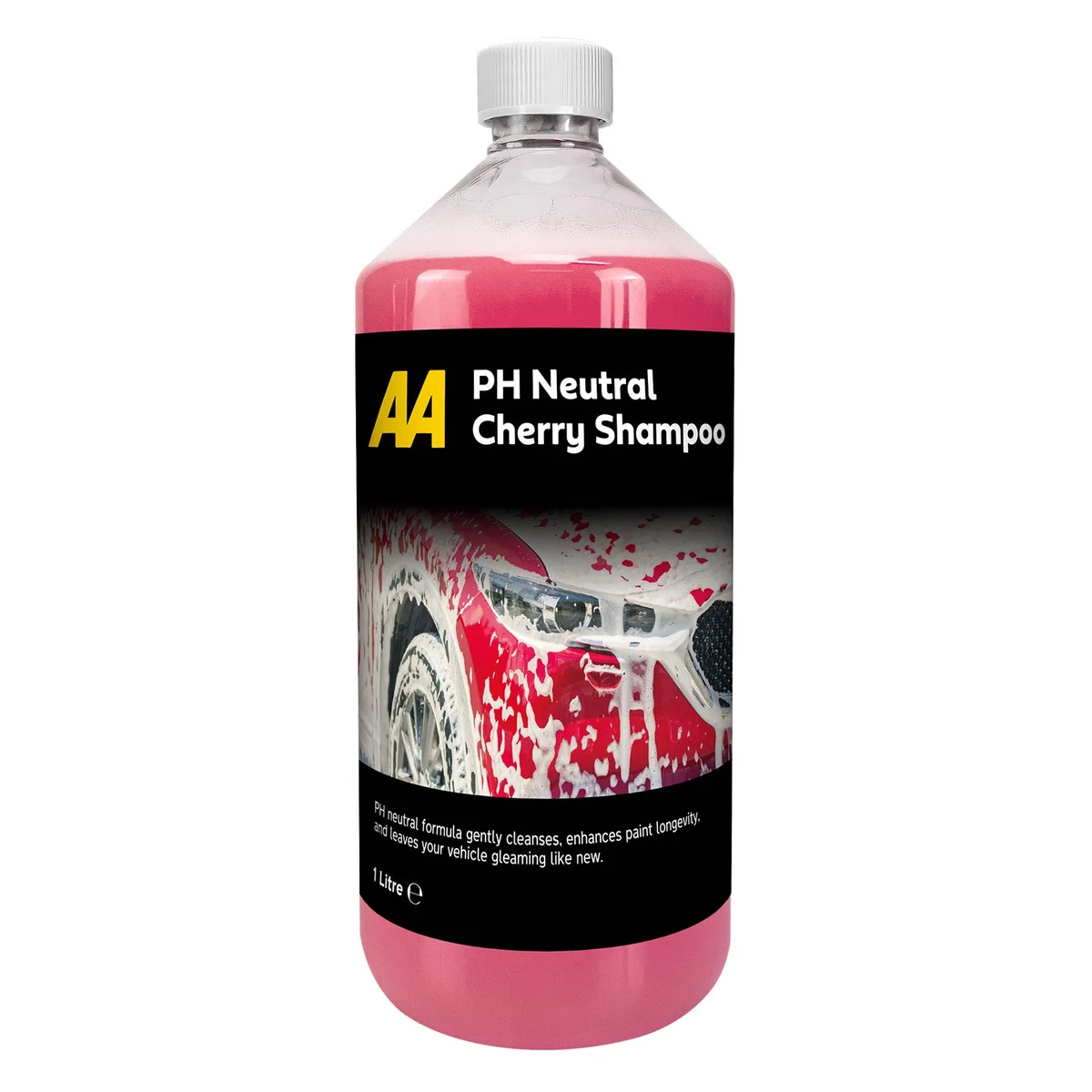
Two non-negotiable traits. First, pH between 5.5 and 8.0. Second, no wax, no polymers, no gloss enhancers.
That’s it.
Some products advertise “PPF safe” but still contain mild waxes. Always check the ingredient list. Look for terms like “carnauba wax,” “polymer sealant,” or “gloss additive.” Avoid anything that mentions these.
If the label doesn’t list ingredients, search for the manufacturer’s tech data sheet. XPEL, SunTek, and 3M each publish lists of approved shampoos. Stick to those.
Bing (Web (fair-use with source credit))
Breaking Down the Contenders: 4 Shampoo Types Compared
You have four main paths. Each works for different situations. Here’s what they are and who they suit.
Standard pH-Neutral Car Shampoo
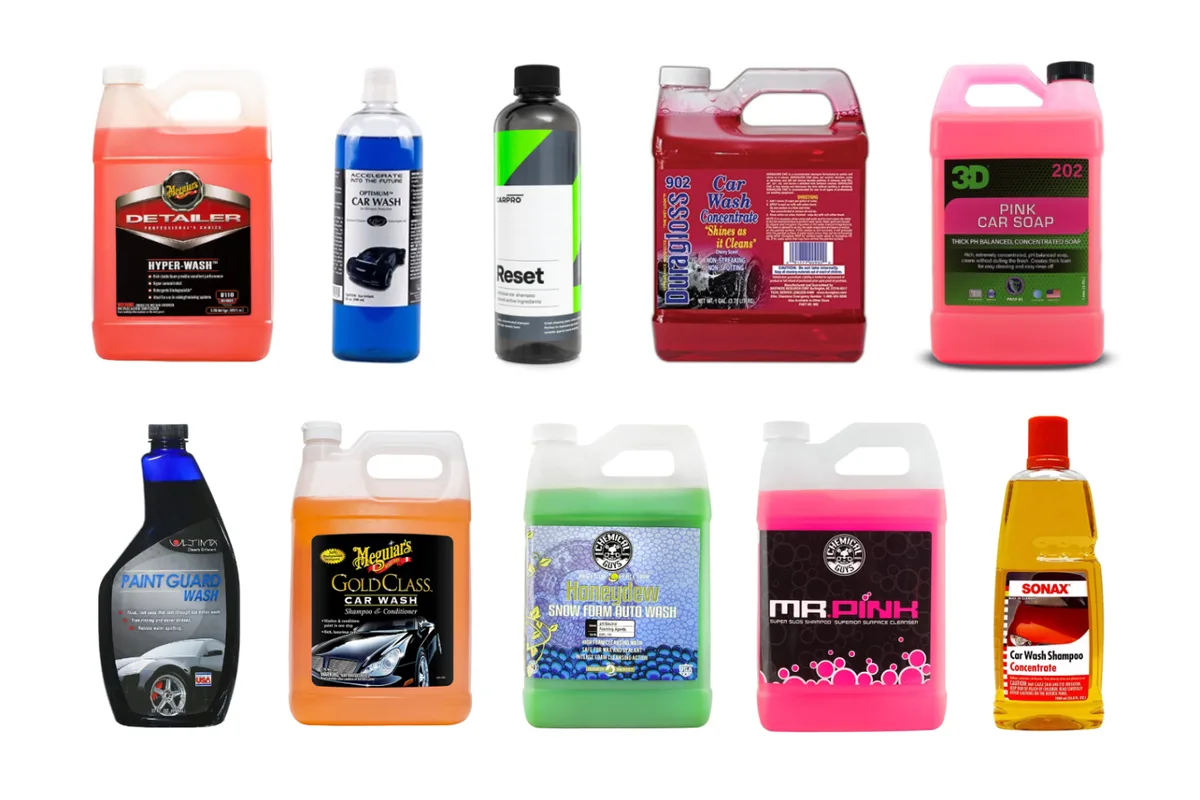
This is the most common. Brands like Chemical Guys Honeydew, Meguiar’s Gold Class, and Griot’s Garage make them. They clean well and cost around $15 for a 16 oz concentrate.
Best for gloss PPF with no ceramic coating. The wax content in some can still leave residue. Check for “wax free” versions.
PPF-Specific Shampoo
Some manufacturers make their own wash. XPEL has the XPEL Wash, SunTek has SunTek Foam. These are formulated specifically for their films.
They cost more, $20 to $30 for 32 oz, but you get warranty compliance.
Best for new installations where warranty matters. Use these if you have a matte finish. They’re guaranteed safe.
Matte-Finish PPF Shampoo
Matte PPF needs a different approach. No gloss enhancers at all. Products like Gyeon Q²M Bathe (Matte version) or Adam’s Polishes Matte Wash are dedicated options.
They clean without adding shine. Regular PPF shampoos often contain gloss ingredients that ruin satin appearance.
DIY Hack: Baby Shampoo
Some owners use baby shampoo. Johnson’s baby shampoo is pH neutral and very mild. It works, but it’s not ideal.
It leaves no protection, and it’s not as effective on road grime.
Fine for light maintenance washes. Not for heavy dirt or winter salt.
Side-by-Side Comparison
Let’s put them in a table so you can see the differences at a glance.
| Shampoo Type | pH Range | Wax Content | Lubricity | Cost per Wash | Warranty Compliance | Matte Safe |
|---|---|---|---|---|---|---|
| Standard pH-Neutral | 6.0–8.0 | Often present | Good | ~$0.75 | Usually not | No |
| PPF-Specific | 5.5–7.5 | None | Excellent | ~$1.50 | Yes | Yes (check label) |
| Matte-Finish | 6.0–8.0 | None | Good | ~$1.20 | Varies | Yes |
| Baby Shampoo | 6.5–7.5 | None | Moderate | ~$0.15 | No | Yes |
Bing (Web (fair-use with source credit))
Pros and Cons of Each Option
Standard pH-Neutral
Pros: Widely available, cheap, gentle enough for most PPF.
Cons: Wax content can yellow film over time. Not approved by PPF manufacturers. Won’t work on matte finishes.
PPF-Specific
Pros: Formulated for the film. No wax or polymers. Keeps warranty intact.
Works on matte and gloss.
Cons: Higher cost per wash. Limited availability. Must match brand to your film.
Matte-Finish
Pros: Safe for satin PPF. No gloss enhancers. Good cleaning power.
Cons: Narrow use case. More expensive. Not necessary for gloss film.
Baby Shampoo
Pros: Cheap. Mild. Easy to find.
Cons: Poor cleaning power. No lubrication. Leaves no protection.
Not recommended by any manufacturer.
For most owners, the standard pH-neutral works fine if you choose a wax-free version. But if you value warranty and longevity, spring for the PPF-specific option. For matte film, go with the dedicated matte wash.
Now that you know what’s out there, the next sections will help you match the right one to your situation and avoid costly mistakes.
Bing (Web (fair-use with source credit))