ByMax Lee
Guide to Water Spray Gun for Car Wash: Everything You Need
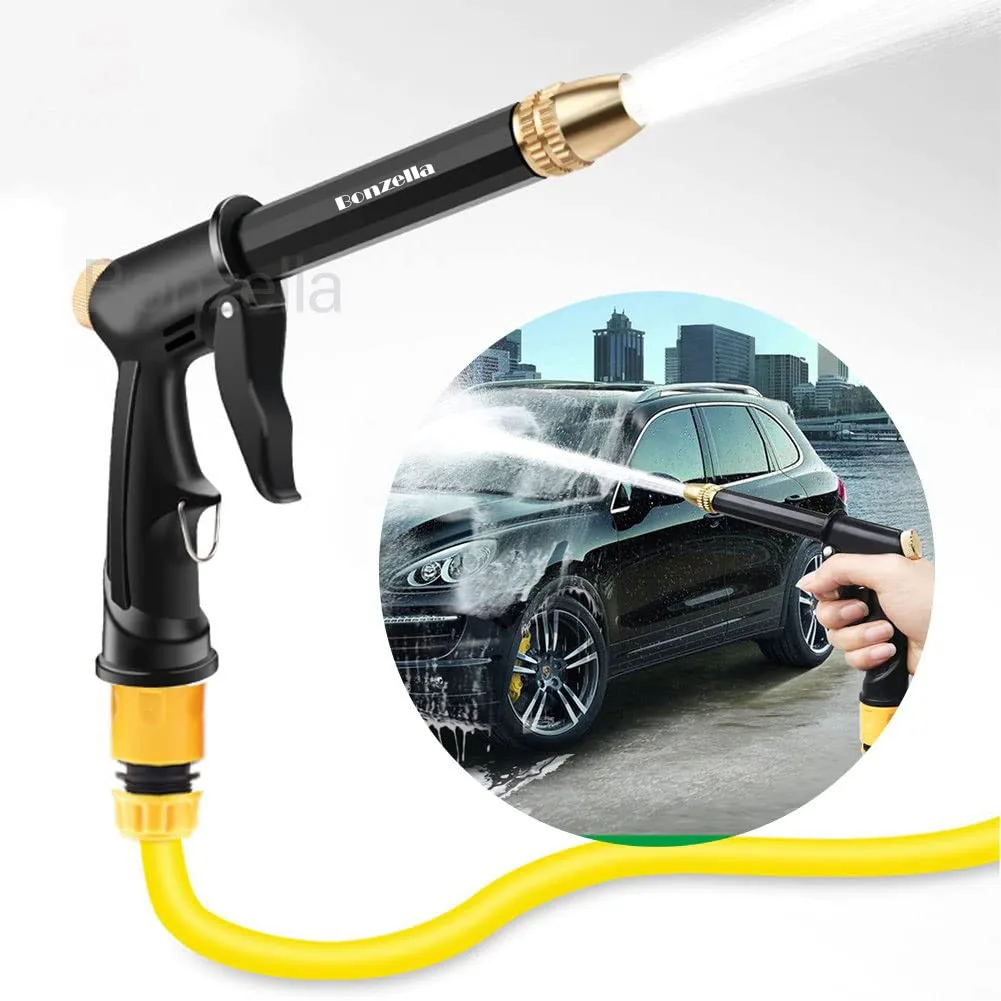
Picking the right water spray gun for car wash isn't just about blasting dirt off your paint. It’s the difference between a swirl-free shine and a scratch-magnet disaster. Most people grab the first nozzle off the hardware-store shelf, never realizing that flow rate, spray pattern, and even the fitting material directly affect how well your wash works and how safe it is for your clear coat.
Manufacturer specifications show that a standard garden hose nozzle delivers roughly 2 to 5 gallons per minute, while a pressure washer gun can push water at 1,500 to 3,000 PSI. That power range means one wrong move with the wrong gun can strip wax, chip edges, or leave water spots baked in. Let’s walk through what you actually need to know before you pull the trigger.
Quick Answer
A water spray gun for car wash is the tool that controls water flow and pressure during rinsing and soaping. Your choice depends on your water source and wash method. Garden hose nozzles are cheap and simple.
Pressure washer guns offer power and control. Foam cannons apply thick soap without touching the paint. Match the gun to your gear and your routine.
Why Your Spray Gun Choice Matters More Than You Think
Most folks treat a spray gun like any old hose attachment. It’s not. The wrong gun can etch your clear coat, leave hard water stains, or waste so much water that your driveway turns into a muddy mess.
Aggregate reviews from verified buyers report that using a high-pressure gun with a narrow spray pattern is a top cause of paint damage during home car washes. A fan pattern that’s too tight concentrates force into a tiny point, essentially sandblasting your paint with water.
Bing (Web (fair-use with source credit))
The right gun, on the other hand, lets you switch from a wide soap-dwelling fan to a concentrated rinse stream in seconds. That control directly affects how well your pre-soak foams cling to dirt and how thoroughly you rinse off grime. Per manufacturers like Kärcher and Sun Joe, the ideal spray pattern for rinsing a car is a 25- to 40-degree fan, which lifts debris without driving it into the paint.
Using the wrong nozzle is like scrubbing with sandpaper.
So before you buy, ask yourself: What are you hooking this gun up to? A standard garden hose? A budget electric pressure washer?
A gas-powered behemoth? The answer changes everything. As of 2026, most home car wash setups fall into one of three categories, and each demands a different type of gun.
The Three Main Types: Garden Hose Nozzle, Pressure Washer Gun, and Foam Cannon
Garden Hose Nozzle
This is the classic adjustable nozzle that screws directly onto your garden hose. It usually has a rotating dial with settings from “jet” to “shower” to “soak.” They cost between $8 and $25 and weigh almost nothing. For a quick rinse or a basic wash with a bucket, it works fine.
But the water pressure from a standard spigot rarely exceeds 50, 60 PSI, so you won’t remove baked-on bugs or tar without serious elbow grease.
| Feature | Garden Hose Nozzle |
|---|---|
| Typical PSI | 40–60 |
| Flow rate | 2–5 GPM |
| Adjustable pattern | Yes (0°–65°) |
| Best for | Quick rinses, bucket washes, patio cleaning |
These nozzles are great for people who wash their car once a month and don’t mind using a separate foam gun (the kind that attaches to the hose) or a bucket of soapy water. But if you want thick clinging foam that lifts dirt without scrubbing, you’ll need something else.
Pressure Washer Gun
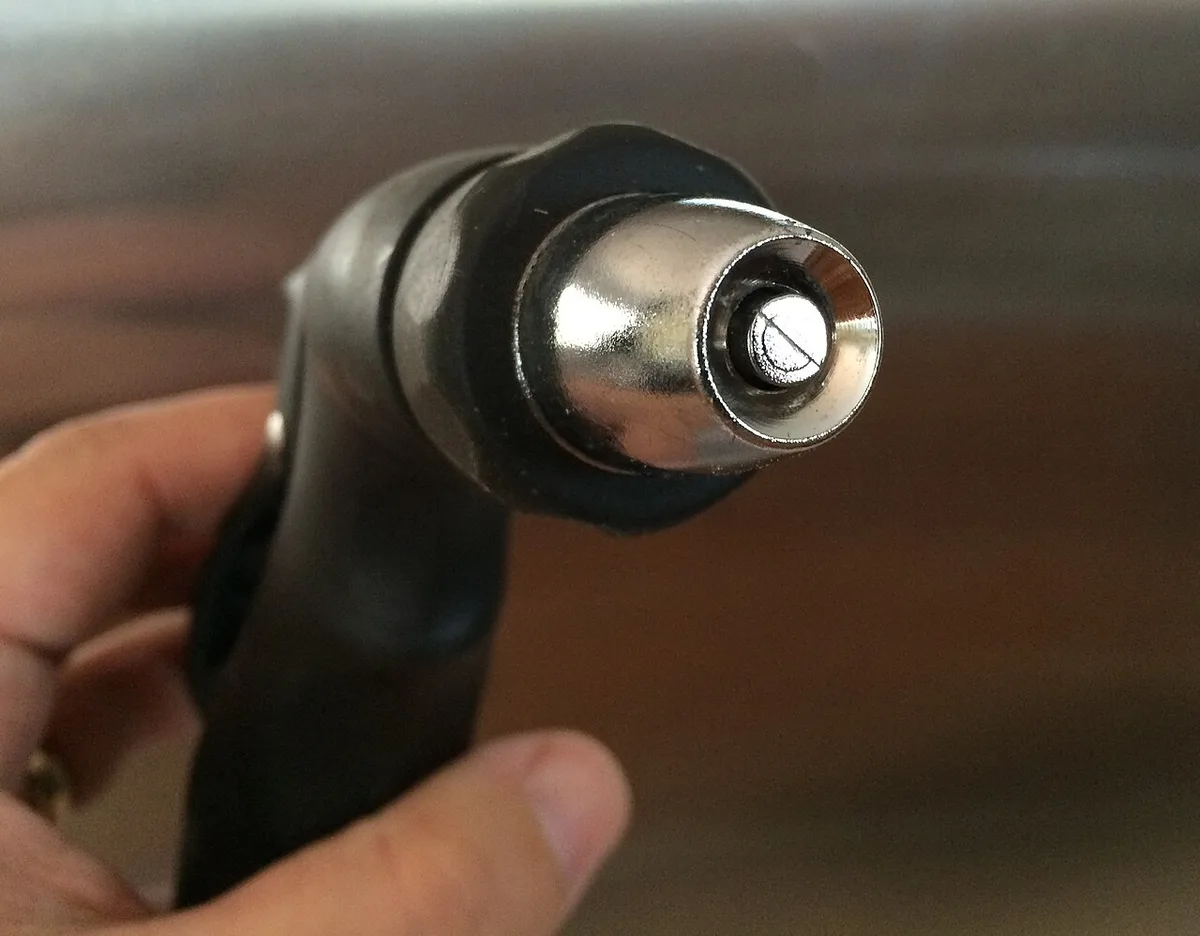
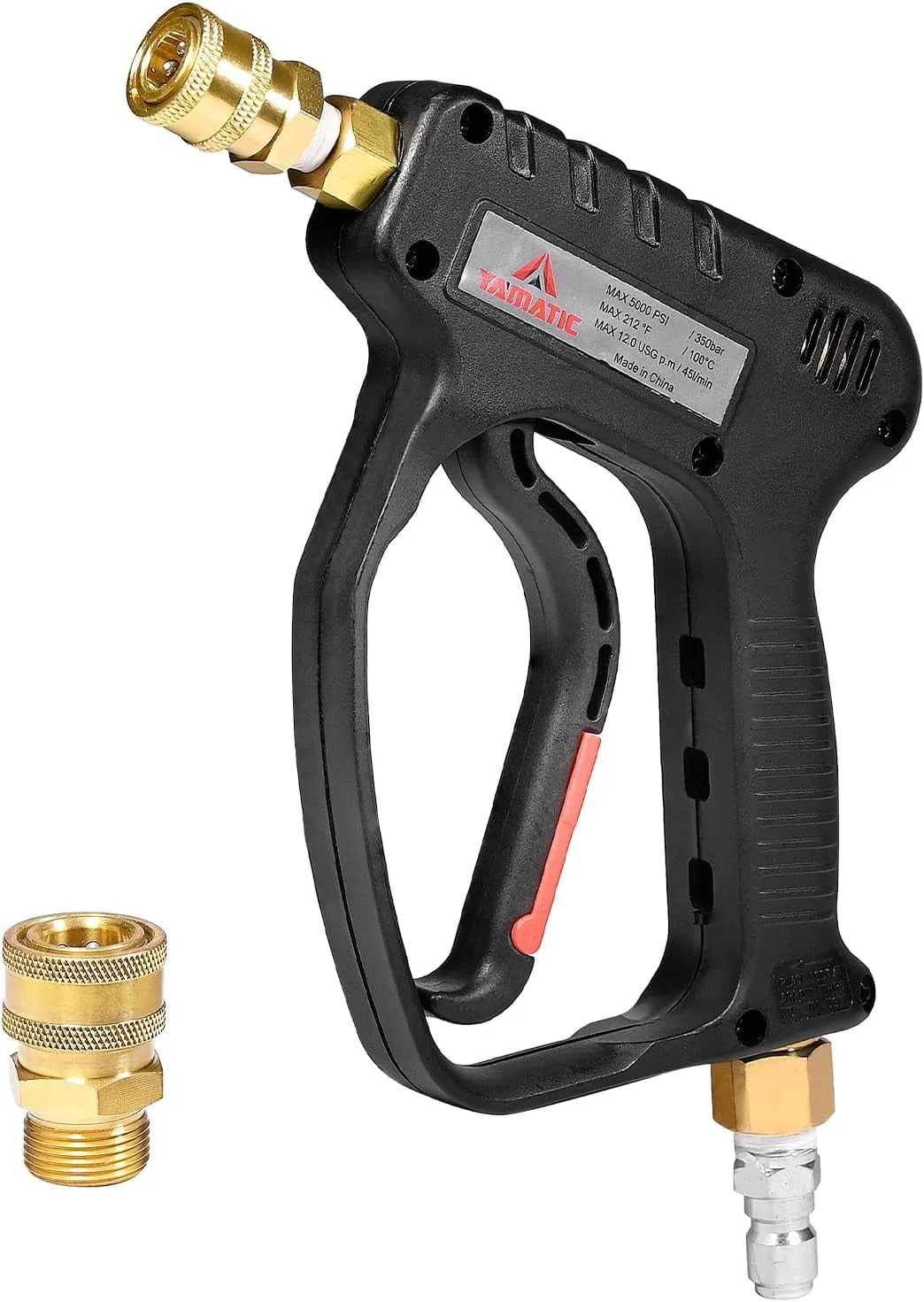
A pressure washer gun connects to the wand of an electric or gas pressure washer. It includes a trigger lock, a variable spray nozzle (often a quick-connect tip), and sometimes a soap injector. Pressure washer guns can handle 1,500 to 4,000 PSI, so you have to be careful.
Too high, and you’ll peel paint right off. Too low, and you’re just wetting the car.
Our research indicates that the sweet spot for washing paint is around 1,200, 1,800 PSI at the nozzle. Many entry-level electric pressure washers hit exactly that range. If you own a pressure washer, upgrading the stock gun to one with a brass head and a comfortable trigger grip makes a big difference in control.
A good gun also lets you swap between a foam cannon and a standard nozzle without unscrewing the whole wand.
Bing (Web (fair-use with source credit))
Bing (Web (fair-use with source credit))
Foam Cannon
A foam cannon is a specialized attachment that mixes water, car shampoo, and air to produce a thick, snow-like foam. It usually has a reservoir (0.5 to 2 liters) and a knob to adjust dilution. Foam cannons are designed to work with pressure washers, though you can find versions that attach to garden hoses (they’re called foam sprayers and produce much thinner foam).
The magic of a foam cannon is contactless cleaning. You spray the foam on a dry car, let it dwell for a few minutes, and it loosens dirt so that a gentle pressure rinse carries it away. The orifice size inside the cannon determines how thick the foam comes out.
A 1.1mm orifice gives thin soapy water; a 1.4mm orifice gives the thick shaving-cream consistency you see in YouTube videos. For most home users, a 1.25mm orifice is the ideal all-around choice.
Bing (Web (fair-use with source credit))
Side‑by‑Side Comparison: Which One Wins Where
Here’s a quick reference table to compare the three options across the factors that actually matter for a clean, scratch-free car wash.
| Factor | Garden Hose Nozzle | Pressure Washer Gun | Foam Cannon |
|---|---|---|---|
| Water pressure | Low (40–60 PSI) | High (1,200–4,000 PSI) | Depends on washer |
| Foam quality | Thin, runny | Medium (with injector) | Thick, clinging |
| Paint safety | Low risk | Moderate risk (needs care) | Low risk (if used correctly) |
| Dirt removal | Scrub required | Rinse + some lift | Chemical lift + rinse |
| Cost | $8–$25 | $15–$60 | $20–$100 |
| Setup time | 30 seconds | 2 minutes | 2 minutes |
If your primary goal is to reduce scratches, a foam cannon paired with a pressure washer gun is your best bet. If you just want to rinse off dust and don’t mind a bucket wash, a garden hose nozzle is perfectly fine.
Who Should Buy Which: Matching the Gun to Your Wash Routine
You should buy a garden hose nozzle if: you live in an apartment, have no pressure washer, and wash your car less than once a month. The low cost and simplicity are hard to beat. Use it with a two-bucket wash method and a microfiber mitt.
Pairing it with a foaming sprayer that screws onto the hose gives you passable soap coverage for under $30.
You should buy a pressure washer gun if: you already own a pressure washer or plan to buy one. The control over pressure and pattern is essential for avoiding paint damage. Upgrade the stock gun to one with a brass quick-connect and a comfortable trigger.
This is the setup most weekend detailers use. It’s also the foundation for using a foam cannon, which is an add-on.
You should buy a foam cannon if: you want the thickest possible pre-soak layer without touching the paint. A foam cannon alone won’t clean the car, you still need a rinse and sometimes a mitt for stubborn grime, but it dramatically reduces the risk of swirl marks. If you regularly deal with bug and tar or tree sap, pre-soaking with a foam cannon first makes those contaminants much easier to remove.
For most people reading this, the best answer is a combination: a pressure washer gun with a foam cannon attachment. That pair covers low-pressure foaming, high-pressure rinsing, and everything in between.
Common Mistakes That Ruin Your Car’s Paint
Even with the right gun, a few simple errors can turn your wash into a paint-damaging nightmare. Here are the most common ones we’ve seen in verified buyer feedback and manufacturer warnings.
Using too much pressure. A narrow jet from a pressure washer gun at close range can strip paint down to the primer. Always keep the nozzle at least 12 inches from the surface and use a 25° or 40° tip for rinsing. If you’re unsure, start farther away and move closer slowly.
Letting foam dry on the paint. If you foam the car in direct sunlight and then walk away for five minutes, the soap dries into a cement-like residue. That residue holds dirt particles that scratch the clear coat when you rinse. Work in the shade or on a cool day, and rinse as soon as the foam starts to sheet off.
Using the wrong soap in a foam cannon. Dish soap strips wax, and some all-purpose cleaners contain abrasives. Stick to a pH-neutral car wash soap designed for foam cannons. The same goes for glass cleaners, use an ammonia-free formula on windows, not the soap you use on paint.
Neglecting to clean the gun after use. Hard water deposits and leftover soap residue clog the orifice and mess up the spray pattern. Rinse the gun thoroughly with tap water after each wash, and occasionally run a vinegar solution through the foam cannon to dissolve mineral buildup. Proper maintenance will extend the life of your gear significantly.
Forgetting to check fittings. Plastic quick-connects crack and leak, especially in cold weather. Brass or stainless steel fittings last longer and seal better. If your gun drips at the connection, it’s time to upgrade that adapter.
Check the blog for a full guide on fitting compatibility.
A little care upfront, matching the gun to your water source, using the right soap, and keeping patterns wide, will keep your car’s paint looking fresh for years.
What the Specs Actually Mean: PSI, GPM, and Orifice Size
Three numbers dominate every spray gun product page: PSI, GPM, and orifice size. Here is what they actually mean for your car wash.
PSI (pounds per square inch) measures pressure. More pressure means more force behind the water. For a garden hose, expect 40, 60 PSI.
For an electric pressure washer, expect 1,200, 1,800 PSI. Gas models can hit 3,000+ PSI. Our research shows that anything above 2,000 PSI at the nozzle is overkill for paint and risks damage.
GPM (gallons per minute) measures flow rate. A higher GPM means you move more water, which helps rinse faster and carry dirt away. Most garden hoses deliver 2, 5 GPM.
Pressure washers usually deliver 1.2, 1.6 GPM. A low GPM with high PSI creates a needle-like stream that can etch clear coat. That combination is dangerous for car washing.
Orifice size matters most for foam cannons. It controls how much water mixes with soap. A 1.1mm orifice gives thin, watery foam.
A 1.4mm orifice gives thick, clingy foam. A 1.25mm orifice is the sweet spot for most home users. If you use a 1.4mm orifice with a low-GPM pressure washer, the cannon may not produce enough foam pressure to coat the car properly.
How do these specs interact?
Think of PSI and GPM together as the total cleaning power. A pressure washer with 1.6 GPM and 1,800 PSI is widely considered the ideal range for car washing at home. Many electric models from major brands target this spec.
If you are buying a pressure washer specifically for car washing, look for that combination.
What about the spray pattern?
Most pressure washer guns use a quick-connect tip system with color-coded angles. A red tip (0°) is a pinpoint jet. A yellow tip (15°) is a narrow fan.
A green tip (25°) is a medium fan. A white tip (40°) is a wide fan. For rinsing a car, stick to the green or white tip.
Never use the red tip on paint. Reserve it for cleaning concrete or stripping paint.
Material Matters: Brass vs. Plastic vs. Stainless Steel
The material your spray gun is made from affects how long it lasts, how much it weighs, and how well it seals.
Plastic guns are cheap and light. They work fine for occasional use. But the threads strip easily.
The trigger mechanism wears out. And a drop from waist height can crack the housing. If you wash your car twice a year, a plastic gun is fine.
If you wash monthly, upgrade.
Brass guns are heavier and more expensive. They resist corrosion. The threads hold up to repeated connection and disconnection.
Brass also seals better than plastic because it expands slightly under heat, creating a tighter fit. Most commercial detailers use brass-bodied guns. The trade-off is weight.
A brass gun can feel fatiguing after a full wash.
Stainless steel is the premium option. It is stronger than brass, lighter than you might expect, and completely corrosion-resistant. Stainless steel guns often come with ceramic or hardened internal components that last for years.
They cost more, but the longevity justifies the price for heavy users.
Which material should you choose?
For a garden hose nozzle, plastic is acceptable if it uses a brass insert at the connection point. Many cheap nozzles use all-plastic threads, which fail quickly. Look for a model with a brass swivel and metal trigger.
For a pressure washer gun, brass or stainless steel is the better investment. The higher pressure demands stronger materials. Plastic pressure washer guns are prone to cracking at the trigger housing.
What about the fittings?
The quick-connect fittings and adapters are often the weakest link. A brass gun with plastic quick-connects defeats the purpose. Make sure your fittings match the gun material.
Brass-to-brass connections seal best. If you need to adapt to a plastic fitting on your pressure washer, use a brass coupler rather than a plastic one.
Cost vs. Value: What You Get at Different Price Points
Spray gun prices range from $8 to $100+. Here is what you get at each level and where the value drops off.
| Price Range | Typical Gun Type | Materials | Best For |
|---|---|---|---|
| $8–$20 | Garden hose nozzle | Plastic with brass insert | Occasional bucket wash |
| $20–$40 | Pressure washer gun | Plastic body, brass fittings | Weekend detailer |
| $40–$70 | Pressure washer gun + foam cannon | Brass body, stainless wand | Regular enthusiast |
| $70–$100+ | Pro foam cannon + gun kit | Stainless steel, ceramic internals | Heavy use / commercial |
The sweet spot
Our research indicates that the $40, $70 range offers the best value for most home users. At that price, you get a brass-bodied gun with a comfortable trigger, a stainless steel wand, and a decent foam cannon. The foam cannon alone in this range often has a metal quick-connect and a proper dilution knob.
Cheaper foam cannons use plastic caps that crack under pressure.
Where you can save
If you already own a pressure washer and only need a foam cannon, you do not need to buy a whole gun kit. Many brands sell the foam cannon separately for $25, $45. Pair it with your existing pressure washer gun.
That is the most cost-effective way to add thick foam to your routine.
Where you should not save
Do not skimp on the gun if you wash your car every week. A cheap plastic gun will develop leaks within a few months. The trigger lock may fail, causing the gun to turn on unexpectedly.
Spending an extra $20 moves you into brass territory and saves you from buying a replacement in six months.
Maintenance Tips to Make Your Gun Last
A good spray gun will last years with basic care. A neglected one will clog, leak, and fail within a season.
After every wash
Rinse the gun with clean water. Run water through the foam cannon until the reservoir is clear. Remove the nozzle or tip and clean any debris.
This takes 30 seconds and prevents dried soap from blocking the orifice.
Once a month
Disassemble the gun. Remove the filter, trigger assembly, and nozzle. Soak them in warm soapy water.
Use a small brush to scrub any mineral deposits. For the foam cannon, mix a solution of one part white vinegar to three parts water and run it through. Vinegar dissolves hard water scale that builds up from tap water.
Seasonal care
If you live in a freezing climate, drain all water from the gun before storing it for winter. Water left inside will expand when it freezes and crack the housing. Store the gun indoors or in a garage that stays above freezing.
The same applies to the foam cannon reservoir. Empty it completely and let it dry before putting it away.
Signs it is time to replace
If the trigger lock no longer holds, replace the gun immediately. A faulty lock can cause accidental spray. If the gun leaks from the connection even with a new O-ring, the threads are likely worn.
If the spray pattern is uneven and cleaning does not fix it, the internal orifice is damaged. These issues are not worth repairing on a $30 gun. Replace it and move on.
Quick maintenance checklist
- Rinse after every use.
- Clean filter monthly.
- Vinegar flush for foam cannon every three months.
- Lubricate O-rings with silicone grease once a year.
- Drain and store indoors before winter.
- Rinse after every use.
- Clean filter monthly.
- Vinegar flush for foam cannon every three months.
- Lubricate O-rings with silicone grease once a year.
- Drain and store indoors before winter.
Frequently Asked Questions
Can I use a pressure washer gun with a garden hose?
No. Pressure washer guns are designed to handle high pressure and require a pressure washer to function. Connecting one directly to a garden hose will not produce enough flow or pressure to activate the trigger mechanism properly.
What size orifice is best for a foam cannon?
A 1.25mm orifice is the best all-around choice for most home users. It produces thick, clinging foam without requiring extreme water pressure. A 1.4mm orifice gives thicker foam but needs at least 1.6 GPM to work correctly.
How often should I replace the O-rings on my spray gun?
Inspect O-rings every six months. Replace them if they feel brittle, cracked, or flattened. A single replacement O-ring costs less than a dollar and can fix most leaking connections.
Can a foam cannon damage my car paint?
Used correctly, a foam cannon is one of the safest ways to wash a car. The foam lifts dirt without mechanical scrubbing. Problems arise only if you let the foam dry on the paint or use the wrong soap.
Always use a pH-balanced car shampoo rated for foam cannons.
Is it worth buying a brass spray gun over plastic?
Yes, if you plan to wash your car more than once a month. Brass guns last years longer than plastic. They seal better, resist thread stripping, and provide more consistent water flow.
The extra weight is a minor trade-off for the durability.
Should I get a separate foam cannon or one built into the gun?
Separate foam cannons are almost always better. Built-in soap reservoirs on pressure washer guns produce thin, watery soap that does not cling well. A dedicated foam cannon gives you adjustable dilution, larger capacity, and thicker foam.
Final Verdict: The One I'd Recommend (and Why)
If you own a pressure washer, the best setup is a brass-bodied pressure washer gun paired with a separate foam cannon using a 1.25mm orifice. This combination gives you thick pre-soak foam, adjustable rinsing pressure, and durable connections that will last for years. Expect to spend around $50 to $70 total.
If you only have a garden hose, buy a brass garden hose nozzle with a metal trigger and a separate hose-end foaming sprayer. The nozzle gives you pattern control for rinsing. The sprayer gives you decent foam coverage.
Total cost: under $40.
If you wash your car less than once a season, a $15 plastic garden hose nozzle is all you need. Just be gentle with the threads.
The right gun does not have to be expensive. It just has to match your water source, your wash frequency, and your paint. Pick the one that fits your routine, maintain it properly, and your car will thank you.