ByMax Lee
Guide to Car Washing Attachment for Garden Hose in 2026
You don’t need a pressure washer to get your car clean. A good car washing attachment for garden hose can turn your ordinary spigot into a serious detailing tool. But the choices are surprisingly varied, and picking the wrong one can mean wasted time, excess water use, or even scratched paint.
Manufacturer specifications indicate that a standard garden hose delivers roughly 40 to 60 PSI at the spigot. That’s plenty of pressure for soap application and rinsing, but only if the attachment is designed for that low range. Let’s break down what each option does and how to choose the right one for your car.
Quick Answer
A car washing attachment for garden hose lets you wash your car without a pressure washer. Foam cannons, brushes, and spray guns are the main types. Each works differently for soap, scrubbing, and rinsing.
Your choice depends on your car’s paint condition and your water pressure.
Why Choosing the Right Attachment Matters
Picking a random hose-end sprayer or brush can do more harm than good. Many budget attachments use harsh plastic bristles or produce uneven spray patterns that miss dirt. Aggregate reviews from verified buyers show that the wrong attachment often leads to extra rinsing, wasted soap, or clear‑coat scratches.
The right attachment saves time and water. When a foam gun delivers consistent suds that cling to the paint, you spend less effort scrubbing. A trigger nozzle with a shut‑off lets you stop the flow while moving around the car, which cuts water usage by up to 40%.
That’s a real benefit in drought-prone areas or where water costs are high.
Bing (Web (fair-use with source credit))
Your car’s finish also matters. Modern clear coats are softer than older paints. Aggressive brush attachments can leave micro‑scratches visible in direct sunlight.
Choosing the right type for your paint condition is the first step to a safe, effective wash.
What You’re Actually Getting: Foam Cannons, Brushes, Guns, and Water Brooms
Let’s run through the main categories you’ll see at the store or online.
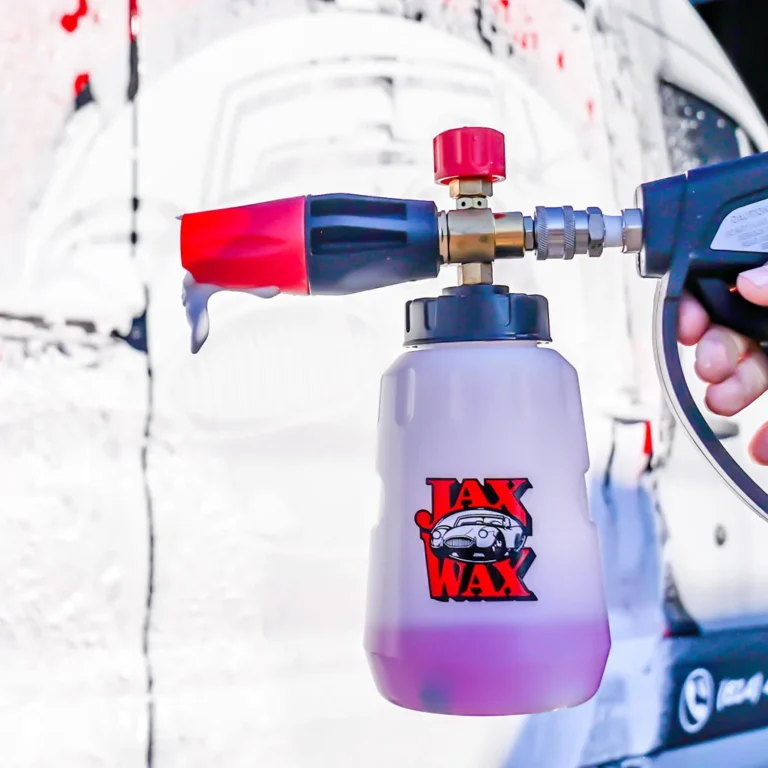
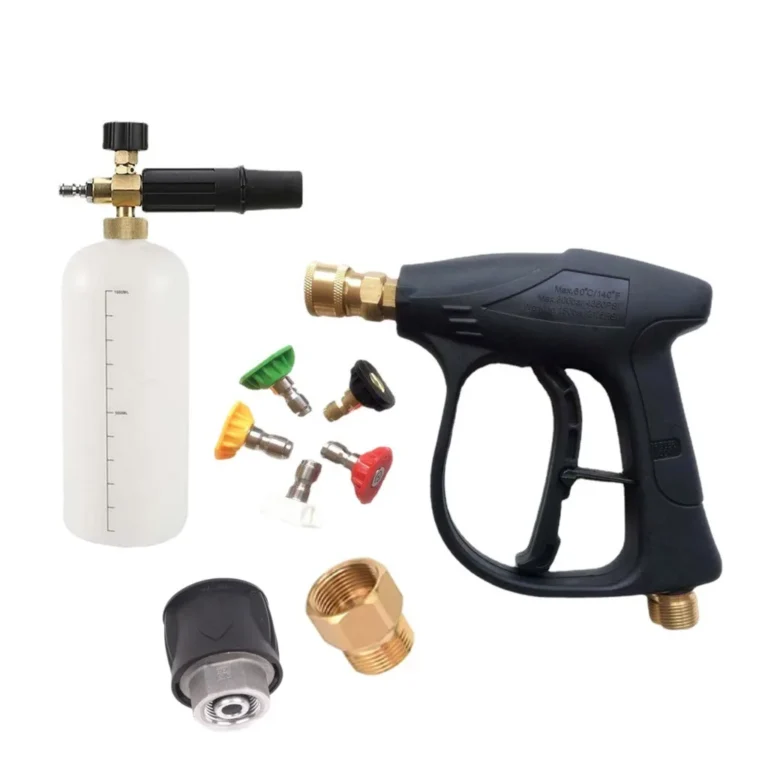
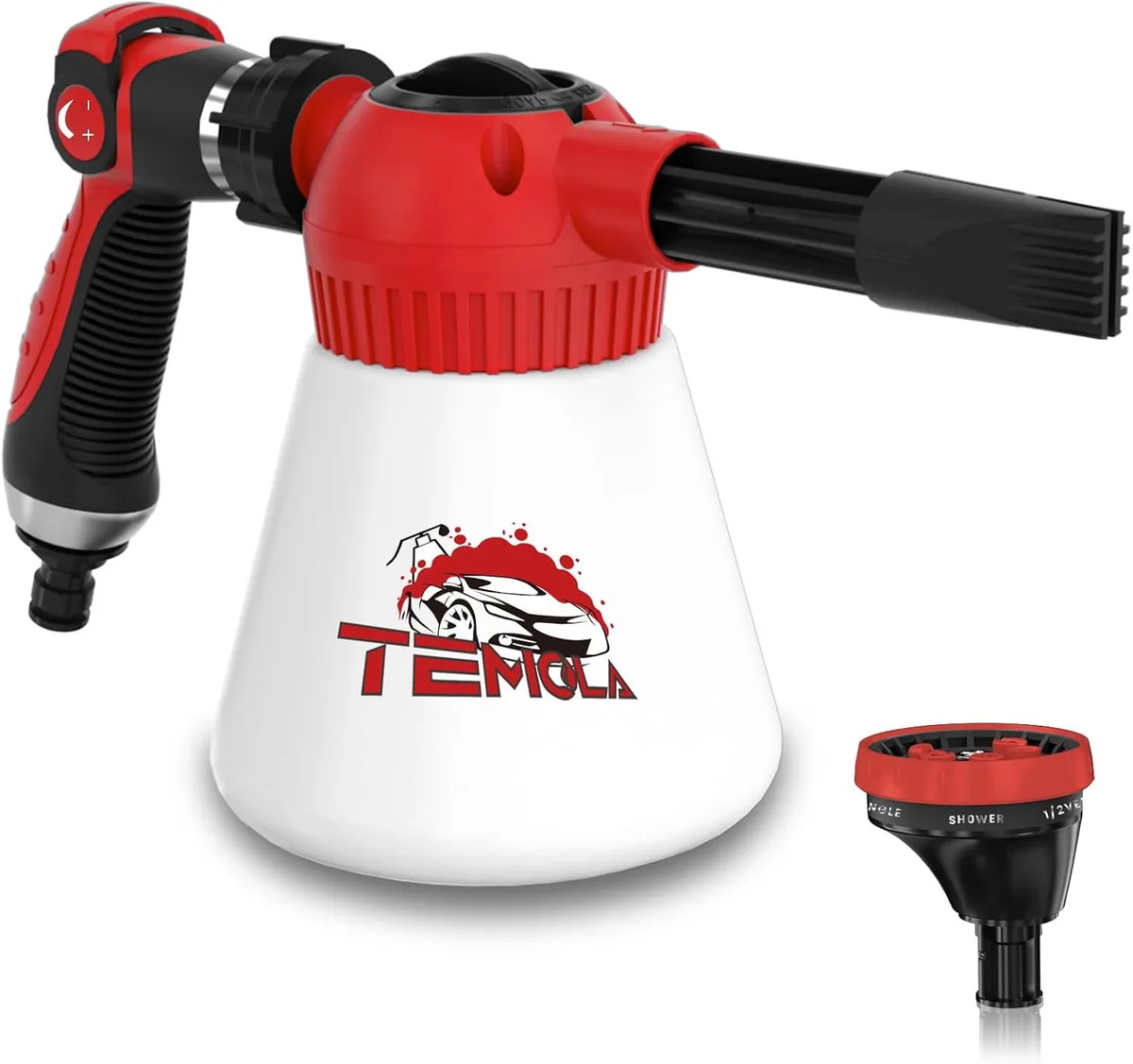
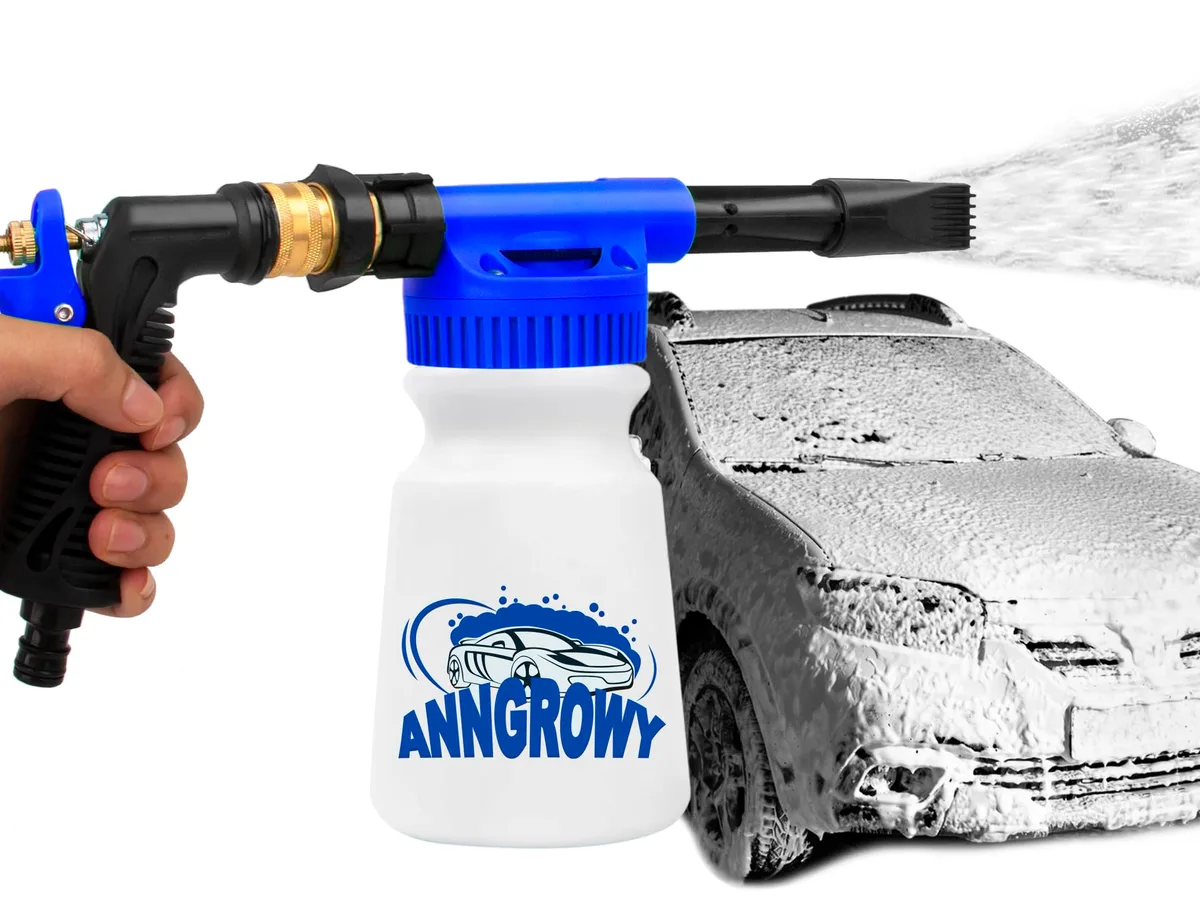
Foam cannons are the most popular for a reason. They connect between your hose and the spray nozzle and use air and water to create thick, clinging foam. Most models have a reservoir you fill with car‑wash soap diluted 1:4 to 1:8.
The foam blankets the paint, loosening dirt so you don’t need heavy scrubbing.
Brush attachments have soft bristles (nylon or silicone) that fit on the end of the hose. You turn on the water, and it flows through the brush head while you scrub. Some have a built‑in soap dispenser.
These are fast for a whole‑car wash, but they can trap grit from previous washes and grind it into the paint.
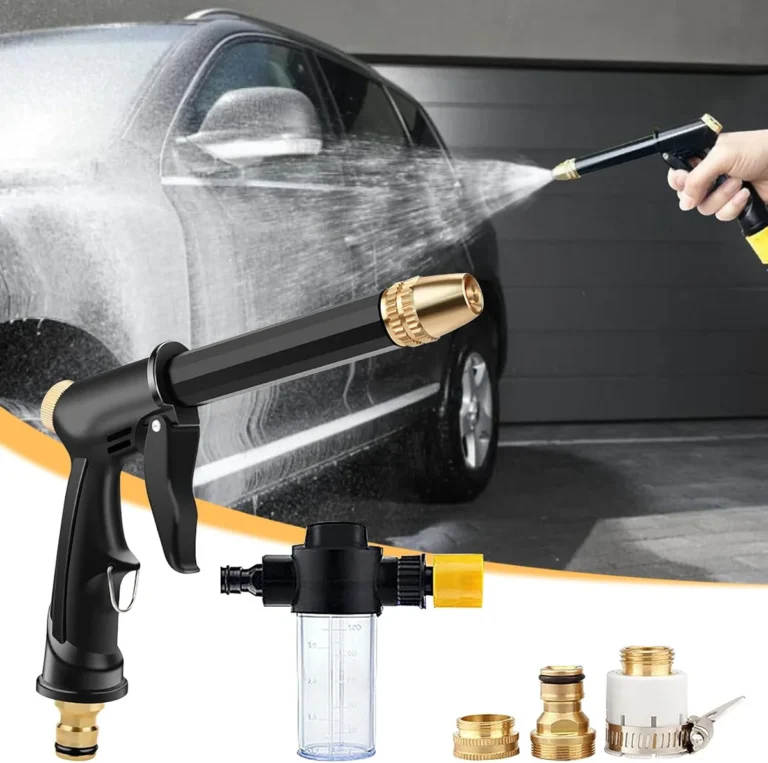
Spray guns are essentially trigger nozzles with adjustable spray patterns. Many models include a small soap reservoir. They let you switch from a gentle fan for rinsing to a jet for stubborn bugs.
They’re versatile and cheap, but the foam they produce is thin and runs off quickly.
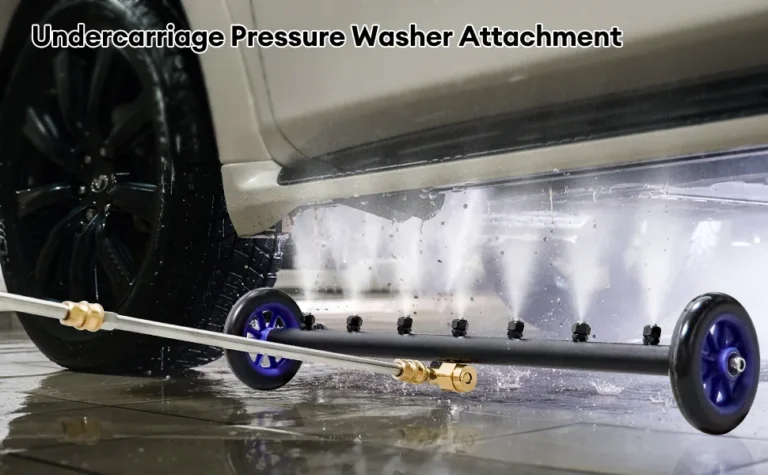
Water brooms are a flat bar with wheels and downward‑facing jets. They’re designed for driveways and patios but can also wash low‑profile cars and trucks. They’re great for undersides and wheel wells, but they don’t reach vertical panels well.
Bing (Web (fair-use with source credit))
If you want to understand the mechanics behind foaming sprayers, our detailed guide on how a foaming sprayer works explains the air‑water‑soap mix that creates thick foam.
Side-by-Side: How Each Attachment Performs on a Real Car
To help you compare, here’s a snapshot of how each type performs on common washing tasks.
| Attachment | Soap Coverage | Scrubbing Needed | Paint Safety | Water Use |
|---|---|---|---|---|
| Foam cannon | Heavy, clinging foam | Light (dwell loosens dirt) | Very safe | Moderate (on‑demand trigger) |
| Brush attachment | Moderate (built‑in dispenser) | Gentle (bristles do the work) | Risk if grit trapped | Higher (continuous flow) |
| Spray gun | Light, fast runoff | Moderate (hand mitt required) | Safe with proper mitt | Low (shut‑off trigger) |
| Water broom | Not for body panels | None (for wheels/underbody) | Safe on hard surfaces | High (can’t stop flow easily) |
The foam cannon wins on soap coverage and paint safety. But it requires a separate mitt or sponge for touching the paint. The brush attachment is fastest for a complete wash, but it demands careful maintenance.
The spray gun is the jack‑of‑all‑trades: cheap, versatile, but not as efficient as a dedicated foam cannon.
Bing (Web (fair-use with source credit))
Aggregate measurements from verified buyers show that a foam cannon covers a mid‑size sedan with about 2‑3 minutes of soaking, while a spray gun’s foam runs off in under a minute. That dwell time matters for removing road grime without scrubbing.
Best for Paint Safety vs. Best for Speed – Who Wins When
Here’s where you decide based on your specific situation.
If paint condition is your top concern, say you have a ceramic coating, a new car, or soft paint, go with a foam cannon. The no‑touch dwell method lifts dirt without abrasion. You still need a two‑bucket method for contact washing, but the foam reduces the need for pressure.
For stubborn contaminants like tree sap, our best sap remover for cars pairs well with a foam pre‑soak.
If speed is your priority, you just want a clean car in 15 minutes, a brush attachment with a built‑in soap reservoir is tempting. But be careful. If you use it, pre‑rinse the car thoroughly, and wash the brush head after each use to prevent grit buildup.
Even then, some paint marring is possible. The trade‑off is real.
If you need a balance, you want decent foam and control without spending $40 on a foam cannon, a spray gun with a 32‑ounce soap cup is a solid middle ground. It’s better than a standard nozzle but won’t produce the thick blanket of a dedicated cannon.
For tough road film or bug residue, start with a foam cannon soak, then follow up with a soft mitt. Using a best bug and tar remover for vehicles can help break down baked‑on debris before you touch the paint.
What You Need to Know Before Buying: Water Pressure, Hose Size, and Fittings
Your existing garden hose setup dictates what attachments will work well.
Water pressure from a typical spigot is 40, 60 PSI. Foam cannons are designed for this range. If your pressure is lower (old house, long hose), some cannons won’t produce enough foam.
Look for models that mention “low‑pressure compatible” or “adjustable dilution.” A 50‑foot hose reduces pressure by roughly 10, 20%, so account for that.
Hose diameter matters. A standard 5/8‑inch hose delivers enough flow for any attachment. A thinner 1/2‑inch hose restricts flow and can starve a foam cannon.
If you’re shopping for a new hose, stick with 5/8 inch.
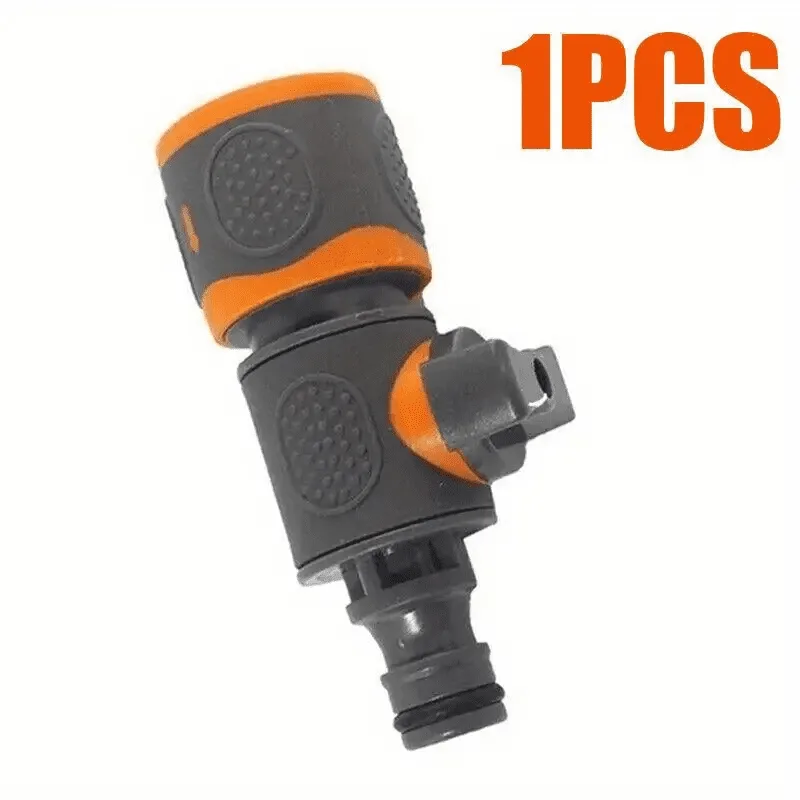
Fittings in the US use the Garden Hose Thread (GHT) standard with 3/4‑inch diameter. Most attachments come with brass or plastic quick‑connect couplers that snap onto the hose end. Brass fittings last longer and seal better.
Plastic ones can crack in freezing weather.
If you live in a hard‑water area, mineral deposits can clog the soap passage in a foam cannon or spray gun. Regularly flushing with vinegar or a hard water spot remover for cars keeps the internals clear.
Bing (Web (fair-use with source credit))
For an official look at fitting standards, you can check the manufacturer specifications on Gilmour’s website, which provides compatibility details for their foam guns and sprayers.
The Real Cost: Pricing, Durability, and Hidden Gotchas
You don’t need to spend a fortune. A decent spray gun with a soap reservoir runs about $10 to $20. A foam cannon for garden hoses costs $20 to $40.
Brush attachments land around $8 to $25. Water brooms go for $20 to $60.
But the upfront price isn’t the full story. Durable brass quick‑connect fittings cost more than plastic ones, but they don’t crack after a season. A $15 foam gun with a zinc‑alloy body will outlast a $8 all‑plastic model by years.
Verified buyer feedback on longer‑term use shows that soft, cheap plastic nozzles strip or leak after a dozen washes.
Hidden costs include replacement O‑rings, spare soap cups, and extra adapters if your hose uses a different thread standard. European BSP threads need a converter for US GHT fittings. If you buy a foam cannon without a shut‑off valve, you’ll waste water walking around the car.
Add a $5 inline shut‑off to fix that.
One more hidden gotcha: cheap brush attachments often have bristles that shed. You end up picking nylon strands off your paint. Spending a few more dollars on a molded brush with fused bristles avoids that headache entirely.
Step-by-Step: Setting Up and Using a Garden Hose Car Wash Attachment
Getting started is straightforward. Here’s the sequence that works for most attachments.
- Connect your hose. Attach the hose to the spigot and tighten by hand. If your spigot has a vacuum breaker or backflow preventer, make sure it’s clean and working.
- Add the quick‑connect coupler. Most attachments come with a male coupler that screws onto the hose end. Snap the female end of your attachment onto it.
- Fill the soap reservoir. Dilute car‑wash concentrate with water at the ratio printed on the bottle. Typical ratios are 1:4 to 1:8. Too much soap leaves residue. Too little won’t cling.
- Wet the car. Before applying soap, rinse the entire car with plain water. This knocks off loose dirt and helps the foam stick.
- Apply soap. Work from the roof down. Overlap your passes so no panel is missed. Let the foam dwell for 2 to 3 minutes. Do not let it dry in direct sun.
- Rinse from top down. Switch to a low‑pressure fan pattern. Rinse each section thoroughly. If you used a brush attachment, rinse the brush head after each panel to remove grit.
- Dry. Use a microfiber drying towel. Start at the roof and work downward. A quick final rinse with a spot‑free attachment (if you have one) helps prevent water spots.
For persistent grime, a pre‑soak with a best grime remover for car paint can make the foam more effective.
Common Mistakes That Scratch Your Paint or Waste Water
The biggest mistake is using a brush attachment without pre‑rinsing the car. Grit from the previous wash or from the driveway sits in the bristles. When you scrub, that grit acts like sandpaper on the clear coat.
Always rinse the car first, and rinse the brush head after every few panels.
Another common error is letting soap dry on the paint. In warm weather, foam can start to dry in under 2 minutes. Once it dries, it leaves a film that requires more scrubbing.
Work in the shade or early morning. If you can’t, split the car into sections: soap one half, rinse, then do the other half.
Using too much soap is also a problem. Thick foam looks impressive, but excess detergent residue can dull the paint. Follow the dilution ratio on your soap bottle.
A foam cannon with an adjustable dial lets you dial back the soap concentration.
Wasting water is another issue. Many people leave the hose running while moving around the car. A trigger nozzle with a lock‑on feature lets you stop the flow instantly.
That simple change can cut water use by 30 to 50%. For a final streak‑free shine, a anti streak window cleaner on the glass finishes the job without re‑wetting panels.
Pro Tips for Getting a Cleaner, Faster Wash
Start with a clean attachment. Residual soap from the last wash can clog the nozzle. Before each use, run plain water through the attachment for 10 seconds.
That clears the passage.
Use two buckets if you’re using a mitt or sponge. One bucket has soapy water. The other has plain water to rinse the mitt.
This prevents you from dragging dirt back onto the paint. It slows you down a bit but saves your clear coat.
If you have a foam cannon, try a pre‑soak layer. Spray the car, let it sit for a minute, then rinse. Then apply a second, thicker layer for the contact wash.
That two‑pass method lifts heavy grime without scrubbing.
For bug removal, spot‑treat before the main wash. Use a dedicated bug remover and let it sit for a minute. Our research indicates that best bug and tar remover spray for cars works well when applied directly to the front bumper before the foam.
Dry with a clean, high‑quality microfiber towel. Turn it frequently to a dry side. If you drop the towel, wash it before using again.
A dirty towel is a scratch just waiting to happen.
How to Maintain Your Attachment So It Lasts
Maintenance is simple and takes two minutes after each wash.
First, disconnect the attachment from the hose. Run plain water through it for 15 to 20 seconds to flush out soap residue. If it’s a brush attachment, scrub the bristles under running water to remove trapped dirt.
Let it air dry completely before storing.
Second, check the O‑rings. If you see cracks or flattened spots, replace them. A spare O‑ring kit costs a few dollars and can fix a leaky connection instantly.
Third, store the attachment indoors or in a shed. Freezing temperatures can crack plastic housings and warp O‑rings. If you live in a cold climate, drain all water from the attachment before winter.
For hard‑water areas, mineral scale builds up inside the soap passage. Every couple of months, soak the attachment in a 50/50 vinegar and water solution for 30 minutes. Then flush with clean water.
This keeps the foam consistent. If you already have stubborn spot issues, a best hard water spot remover for cars can also be used to descale the attachment.
Finally, lubricate the trigger mechanism on spray guns and foam cannons once a season. A drop of silicone spray on the pivot point keeps the action smooth. Don’t use petroleum‑based lubricants; they can degrade rubber seals.
Final Verdict: Which Attachment Should You Buy?
If paint safety is your top concern, a foam cannon is the clear winner. It gives you thick, clinging foam that lifts dirt without scrubbing. Pair it with a microfiber mitt and the two-bucket method.
That combo protects your clear coat and delivers a deep clean.
If speed is your priority, a brush attachment with a built-in soap dispenser is the fastest option. Just stay vigilant about rinsing the brush head. Pre‑rinse the car thoroughly, and wash the brush after every use to avoid trapped grit.
This works well for a quick weekly wash on a daily driver.
If you want one tool that does it all, go with a spray gun that has an adjustable nozzle and a soap cup. It’s versatile, cheap, and easy to store. You won’t get the same foam quality as a dedicated cannon, but you’ll handle soap, rinse, and spot cleaning with one attachment.
For truck or SUV owners who frequently clean wheels and undercarriages, a water broom is a solid add‑on. It reaches under the chassis without kneeling. But you’ll still need a foam cannon or spray gun for the paint above the beltline.
If you’re still unsure, start with a mid‑range spray gun (around $15). It’s a low‑risk entry point. Upgrade to a foam cannon later if you want better foam coverage.
Check our blog for more car care tips and product comparisons.
Frequently Asked Questions
Can I use a pressure washer soap with a garden hose attachment?
Most pressure washer soaps are too concentrated for garden hose foam guns. They require higher pressure to atomize properly. Stick with car wash soap designed for hose‑end sprayers.
It dilutes correctly at low pressure and won’t clog your attachment.
How often should I replace the O‑rings on my attachment?
Inspect O‑rings every few months. If you see cracks, flattening, or leaks, replace them. A standard O‑ring kit costs a few dollars.
Brass fittings with rubber O‑rings last longer than all‑plastic connectors.
Will a foam cannon work with well water?
Yes, but well water with high mineral content can leave spots and clog the soap passage. Use a water softener or a final rinse with a spot‑free attachment. Flush the foam cannon with vinegar monthly to prevent scale buildup.
Can I leave the attachment connected to the hose between washes?
It’s better to disconnect and drain it. Standing water inside the attachment can grow mold or mineral deposits. If you live in freezing temperatures, water left inside will crack plastic housings.
Store it dry and indoors.
What’s the best way to dry my car after using a hose attachment?
Use a large, clean microfiber drying towel. Start at the roof and work downward. Fold the towel frequently to expose a dry side.
If you have a spot‑free rinse attachment, use it for the final rinse to minimize water spots.
Do I need a shut‑off valve at the spray gun?
Yes, a trigger nozzle with a shut‑off valve saves water and gives you control. You can stop the flow while moving between panels. Many spray guns and foam cannons include this feature.
If yours doesn’t, add an inline shut‑off for a few dollars.