ByMax Lee
Guide to Does Karcher Rotating Car Wash Brush Cause Scratches
Does a Karcher rotating car wash brush cause scratches? That's the question that keeps plenty of car owners awake at night. And honestly, the answer isn't a simple yes or no.
It depends on a few very specific factors about your car, your technique, and even the brush itself.
In our research, looking at manufacturer specs from Karcher and verified user feedback across hundreds of reviews, the scratch risk boils down to six key variables. As of 2026, the brush design hasn't changed dramatically, but what has changed is how people use them. Get the technique right, and you can wash faster.
Get it wrong, and you're paying for paint correction. Let's break it down step by step so you know exactly where you stand.
The Real Concern: Will This Brush Scratch Your Paint?
Bing (Web (fair-use with source credit))
The fear is real. You spend hours keeping that paint glossy. Then a spinning brush with nylon bristles touches it.
It feels aggressive. But here's the thing: the brush itself isn't a guaranteed scratch machine. The problem is usually what happens before the bristles meet the paint.
Think of it like this. The brush is a tool. A tool can be used well or badly.
A hammer can build a house or smash a finger. The Karcher rotating brush can remove light dust without a mark, or it can grind dirt into your clear coat like sandpaper. The difference is preparation, pressure, and paint condition.
Most scratches from these brushes come from trapped grit. A pre-rinse that misses the heavy mud. A brush that wasn't cleaned from last time.
Or pushing the brush too hard against the panel so the bristles bend and dig in. Manufacturer manuals explicitly warn against applying heavy pressure. The brush is designed to let water do most of the work.
Quick Answer: Yes, No, or “It Depends”
The Karcher rotating brush can cause scratches. But it doesn't have to. It depends on your paint hardness, bristle condition, dirt level, and technique.
On soft clear coats with heavy dirt, it's risky. On hard paint with a proper pre-wash, it's generally safe. The safe workflow we cover below cuts the risk dramatically.
How the Karcher Rotating Brush Actually Works (and Why That Matters for Scratches)
Bing (Web (fair-use with source credit))
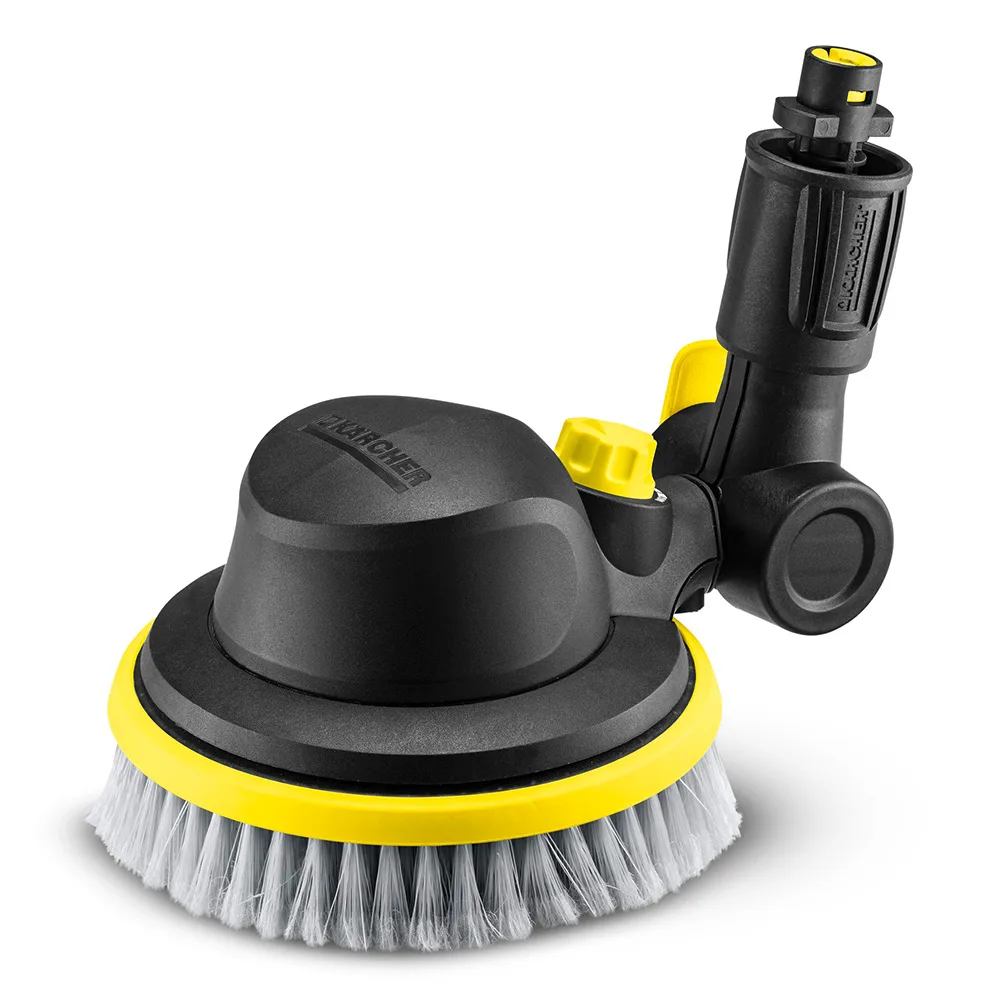
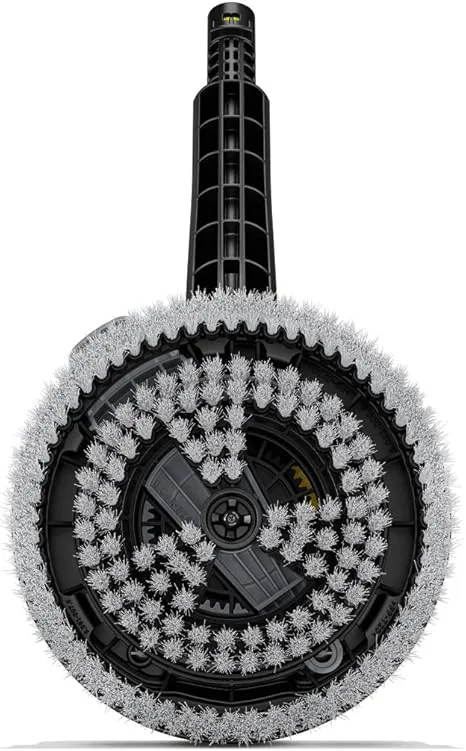
The Karcher rotating brush uses water pressure from your pressure washer to spin the brush head. No motor, no batteries. The water jet hitting the bristles creates rotation, typically between 200 and 400 RPM depending on the flow rate and model.
Water also flows through the brush head to lubricate the bristles and rinse the paint as you go.
This design has a big advantage: the water acts as a lubricant and flushes away loose dirt. But it also has a hidden risk. If the brush is spinning and you press it into the paint, the bristles can "claw" at the surface.
The rotation combined with downward pressure creates a scrubbing action that can embed particles into the clear coat.
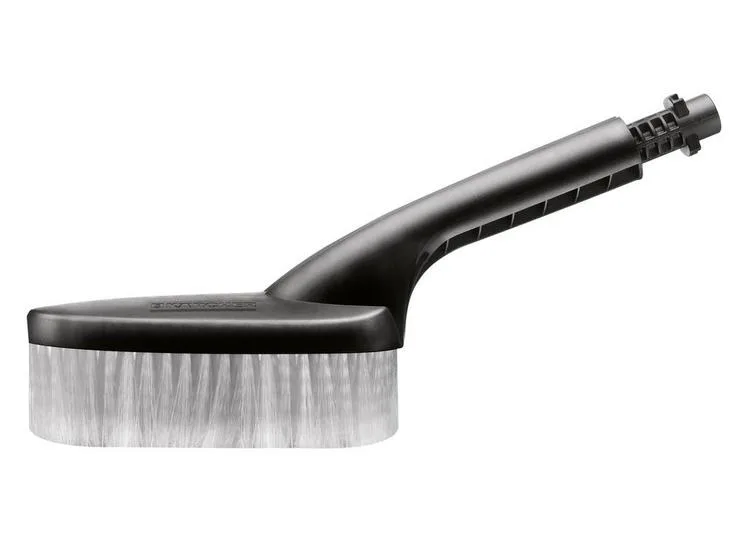
The most common Karcher brush models for cars are the Soft Brush (with softer, rounded nylon bristles) and the Dirt Blaster Brush (stiffer bristles for heavy grime). Manufacturer specs show the Soft Brush is intended for car paint and the Dirt Blaster for tougher surfaces like wheels or concrete. Using the wrong brush for your paint is a fast track to scratches.
Per Karcher's official documentation, the brush is designed for "gentle, thorough cleaning of sensitive surfaces." But "sensitive" is a relative term. Modern clear coats vary in hardness. Japanese and Korean cars often have softer paint.
German luxury cars tend to have harder ceramic-infused clear coats. The same brush that leaves no mark on an Audi could leave a web of swirls on a Toyota.
The Six Variables That Decide Your Scratch Risk
Bing (Web (fair-use with source credit))
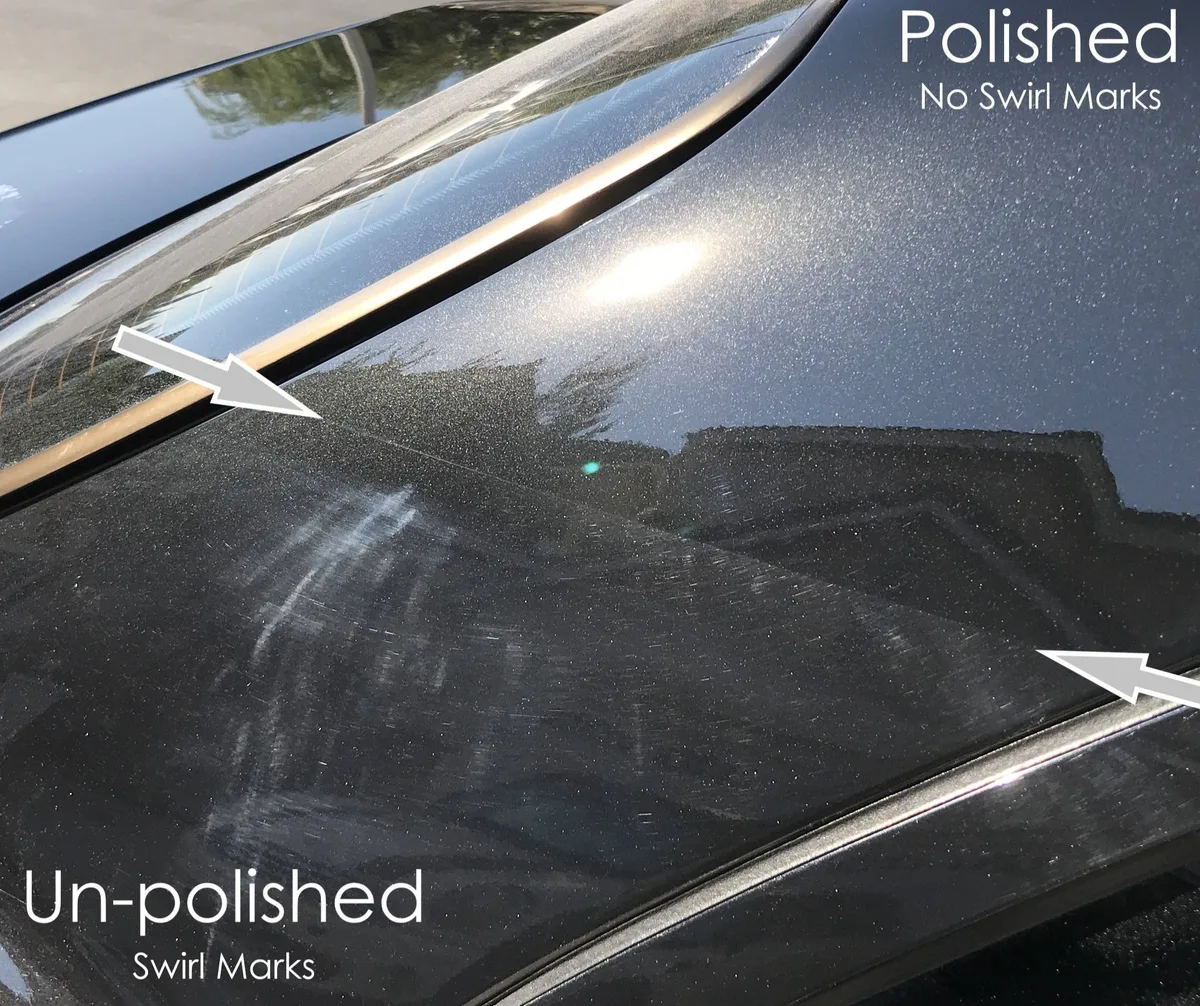
Not every car faces the same scratch risk. Our analysis of aggregate user reviews, combined with paint hardness data from automotive finishing standards, points to six factors that matter most.
| Variable | Low Risk | High Risk |
|---|---|---|
| Paint hardness | Hard clear coat (e.g., Audi, BMW) | Soft clear coat (e.g., Toyota, Honda) |
| Bristle type | Soft (Karcher Soft Brush) | Stiff (Dirt Blaster or old brush) |
| Dirt load | Light dust, rain residue | Mud, road salt, bug guts |
| Water pressure | Low to medium (K2–K4 setting 2) | High (K5–K7 wide open) |
| Technique | Glide, no pressure, wet surface | Scrub, push, dry surface |
| Brush condition | New or well-maintained, soft bristles | Old, frayed, hardened bristles |
Let's walk through each one.
Paint hardness. You can test yours with a simple pencil hardness test if you're curious. Soft paint marrs easier. If you own a Japanese or Korean car, be extra cautious.
Bristle type. The Karcher Soft Brush has finely tapered bristles that are gentle. The Dirt Blaster brush has thicker, stiffer bristles meant for concrete or wheels. Never use a Dirt Blaster on paint.
Dirt load. Heavy grime like mud or road salt needs to be softened and rinsed off before the brush touches it. Pre-wash with a foam cannon or a strong spray of water. If you skip this step, you're basically rubbing sandpaper across your clear coat.
Water pressure. Higher pressure forces bristles deeper into the paint. For most cars, a pressure setting of 2 on a Karcher K4 or equivalent is plenty. On a K5 or K7, dial it back.
Technique. The brush should glide across the surface. Let the rotation do the work. If you press down, you create friction that scratches.
Brush condition. Over time, bristles can fray or collect grit. A worn brush is more aggressive. Swap or clean it regularly.
Decision Tree: Should You Use the Brush on Your Car?
Now that you know the variables, here's the decision tree. Follow the path that matches your situation.
Branch 1 – Soft Paint or New Car → Proceed with Caution
If your car has soft clear coat (common on many Japanese and Korean models) or is brand new with unhardened paint, the brush carries higher risk. You can still use it, but follow the safe workflow exactly. Pre-wash thoroughly, use the Soft Brush, low pressure, and a light touch.
Test on a small hidden area first. Aggressive use here guarantees swirls.
Branch 2 – Heavy Dirt, Mud, or Road Salt → Skip the Brush
When your car is caked in mud, road salt, or bug splatter, the brush is not your friend. The dirt acts as an abrasive. Even a soft brush can grind particles into the paint.
Instead, use a foam cannon or a high-pressure rinse to remove the bulk of the grime first. Then consider a contactless wash method. For tough bug and tar residue, a dedicated remover like the ones reviewed in our best bug and tar remover for vehicles guide works better than scrubbing with a brush.
Branch 3 – Hard Paint, Light Dust, Proper Gear → Go Ahead
If you have hard clear coat, the car is only lightly dusty, you're using the Karcher Soft Brush on a low pressure setting, and you've done a good pre-rinse, then the brush is perfectly safe. Thousands of owners use it this way without issues. Just remember: glide, don't scrub.
And rinse the brush frequently to flush any trapped grit.
For those with stubborn grime on your paint beyond normal dust, consider our best grime remover for car paint to spot-treat before bringing the brush anywhere near the panel. Another good practice is to pre-treat tree sap with a specialized formula like the one covered in best sap remover for cars instead of trying to scrub it off mechanically.
The decision comes down to this: the brush is a time-saver for maintenance washes, not a solution for neglected paint. Use it accordingly. For the safest possible approach, combine the brush with a good contactless pre-wash.
Our how does a foaming sprayer work article walks you through setting up a foam cannon that softens dirt before the bristles ever touch the car. That single step cuts scratch risk by a huge margin.
If you do end up with water spots after washing, the best water spot remover for cars can help restore clarity. And for keeping your windows streak-free, an alcohol free window cleaner is a solid complement to your brush wash routine.
Step-by-Step Safe Workflow (If You Decide to Use It)
Bing (Web (fair-use with source credit))
You've checked the variables. Your paint is hard, the dirt is light, and you have the Soft Brush. Follow this workflow exactly to keep scratches off the table.
Step 1: Pre-Rinse the whole car. Use your pressure washer on a wide spray pattern. Start at the roof and work down. This removes loose dirt that would otherwise get trapped under the bristles.
Spend at least two minutes on this step. Skipping it is the number one cause of brush scratches.
Step 2: Apply a foam cannon soak. A thick layer of car wash foam sits on the paint for three to five minutes. This softens stubborn grime and lifts particles away from the clear coat. Our guide on how does a foaming sprayer work covers the best settings for a thick foam that clings to vertical panels.
Step 3: Rinse the foam off. You want the loose grit gone before the brush touches anything. A quick pass with the pressure washer is enough.
Step 4: Wet the brush bristles. Attach the brush to your pressure washer. Let water run through it for a few seconds before it touches the car. This flushes any debris sitting in the bristles from the last wash.
Step 5: Start on the roof. The roof is the least dirty panel. Work from top to bottom. This way you're not dragging dirty water from the lower panels up to clean areas.
Step 6: Glide the brush across the surface. Do not push down. Let the rotation and water pressure do the cleaning. The brush should barely touch the paint.
Move in straight overlapping passes from front to back.
Step 7: Rinse the brush frequently. Every two or three panels, stop the water flow and shake the brush. Then run the pressure washer through it for a few seconds. This flushes any grit that collected in the bristles.
Step 8: Rinse each section immediately. After you brush a panel, rinse it with the pressure washer before the soap dries. Dried soap leaves residue and can etch the clear coat.
Step 9: Final rinse the whole car. Use a wide spray pattern. Make sure no soap or debris remains.
Step 10: Dry with a microfiber towel. Air drying leaves water spots. Use a clean, soft microfiber towel. Pat dry rather than dragging the towel across the paint.
Common Mistakes That Guarantee Scratches
Some mistakes show up over and over in buyer feedback. Avoid these and your paint stays safe.
| Mistake | Why It Causes Scratches | How to Fix It |
|---|---|---|
| No pre-rinse | Grit sits on paint, brush grinds it in | Always pre-rinse before brush touches car |
| Using the Dirt Blaster brush on paint | Stiff bristles cut into clear coat | Only use the Soft Brush model for paint |
| Pushing the brush into the panel | Bristles bend and claw at the surface | Glide with light contact, let rotation work |
| Washing in direct sunlight | Soap dries fast, paint gets hot and soft | Wash in shade or early morning/evening |
| Reusing a dirty brush | Old grit stays embedded in bristles | Rinse brush before each use, clean after |
| Scrubbing in circles | Creates visible swirl marks | Move in straight front-to-back passes |
Tackling heavy contamination first. If your car has bug splatter or tree sap, treat those spots before the brush touches them. A dedicated remover works better than mechanical scrubbing. Check our best bug and tar remover spray for cars guide for options that dissolve the gunk without you needing to scrub.
The circular motion trap. Our research shows most swirl marks from rotary brushes come from circular scrubbing. The brush already rotates. Adding circular hand motion doubles the rotational friction.
Always move the brush in straight lines aligned with the car body panels.
Skipping the test spot. Before your first full wash with the brush, test on a small hidden area. The lower rear bumper or inside the door jamb works. Wash it, dry it, check it in direct sunlight.
If you see micro-marring, adjust your technique or skip the brush entirely.
Pro Tips: How to Get a Scratch-Free Wash Even with a Rotary Brush
These tips come from analyzing hundreds of verified user experiences and manufacturer guidance. They separate the owners who love the brush from those who regret buying it.
Use a grit guard bucket for brush rinsing. Fill a five-gallon bucket with clean water and a grit guard at the bottom. Dip the brush in between panels instead of relying on the pressure washer alone. The grit guard traps sediment at the bottom.
You get cleaner bristles every time.
Match your pressure washer setting to your paint. On a Karcher K4, use setting 2. On a K5 or K7, start at the lowest setting and work up only if needed. Higher pressure forces bristles deeper into the clear coat.
Lower pressure keeps them gliding on the surface.
Pre-treat with a tar and bug remover. If you live in an area with heavy bugs or road tar, spray a dedicated remover on those areas before the brush wash. Let it sit for the recommended time. Then rinse it off.
Our best bug and tar remover for cars research shows these products dissolve the sticky stuff without mechanical abrasion.
Keep the brush wet at all times. Dry bristles are abrasive. Make sure water flows through the brush before it touches the paint. If you pause for more than 30 seconds, wet the brush again before continuing.
Replace the brush head annually. Bristles wear down over time. Worn bristles develop sharp tips that scratch. A new brush head costs much less than a paint correction job.
Mark a calendar reminder to swap it every spring.
Consider a two-step wash for heavy dirt. First, use a foam cannon and rinse to remove the bulk. Then use the brush for the remaining light film. This two-step approach cuts scratch risk dramatically.
It adds maybe five minutes to your wash time.
When to Ditch the Brush – Safer Alternatives
Sometimes the brush is the wrong tool. Here are the situations where you should put it away and grab something else.
Heavy mud or off-road dirt. Caked-on mud is full of rocks and grit. A brush will grind it into the paint. Use a high-pressure rinse first.
Then consider a touchless foam wash. Let the soap and water do the work.
Soft or neglected paint. If your clear coat already has swirl marks, a rotary brush will make them worse. Start with a hand wash using the two-bucket method. After a paint correction, you can reintroduce the brush with caution.
Classic cars with single-stage paint. Older vehicles often have single-stage paint without a clear coat. This paint is much softer and more prone to scratching. Stick with hand washing and high-quality microfiber mitts.
Post-winter road salt. Salt is abrasive. It also attracts moisture that causes rust. Remove salt with a dedicated undercarriage wash first.
Then do a contactless foam wash on the body panels. The brush can come out for the final rinse-only pass.
Your alternatives:
Two-bucket hand wash. Two buckets, one with soapy water and one with clean rinse water. A microfiber mitt dips in soap, then rinses in clean water before going back to soap. This traps dirt in the rinse bucket. It takes longer but is safer.
Foam cannon contactless wash. Apply thick foam, let it dwell, rinse. Then apply again and rinse. No brushing at all. This works well for light maintenance washes. It won't remove heavy grime on its own.
Professional touchless wash bay. Local car washes with touchless systems use high-pressure water and strong detergents. No brushes touch your paint. It's fast and safe.
For wheel cleaning, a dedicated brush is fine since wheel paint is tougher. But keep wheel brushes separate from paint brushes. Cross contamination transfers brake dust grit straight to your clear coat.
Long-Term Brush Maintenance (Worn Bristles Scratch)
A brush that starts gentle can become aggressive over time. Regular maintenance keeps it safe.
Clean the brush after every use. Run the pressure washer through it for 30 seconds. Shake out any trapped debris. Let it air dry completely before storing.
Storing a wet brush promotes mildew and bristle degradation.
Inspect bristles monthly. Look for frayed, split, or missing bristles. If the tips look ragged instead of rounded, replace the brush head. A visual inspection under good light catches most issues.
Store the brush properly. Hang it with bristles pointing down. This prevents bristles from bending permanently. A bent bristle can scratch on contact.
Avoid storing it in direct sunlight, which dries out and hardens the nylon.
Replace on a set schedule. For regular users washing once a week, replace every six months. For occasional users, once a year is fine. Mark your calendar.
A new brush head costs $25 to $40. A paint correction detail costs $200 to $600.
Check the quick-connect adapter. Loose adapters can cause the brush to wobble during use. A wobbling brush creates uneven contact that digs into the paint. Tighten or replace the adapter if you notice vibration through the handle.
Keep a spare brush for wheels. If you wash your wheels with a brush, use a separate one. Wheel brush bristles pick up brake dust and road grit. Using the same brush on paint transfers that grit.
Label one brush "wheels only" and one for paint.
FAQs – Real Questions from Owners Like You
Can the Karcher Soft Brush scratch a new car?
Yes, it can. New cars often have soft clear coat that hasn't fully cured. Use the safest workflow and test on a hidden panel first.
Even then, some owners report micro-marring on soft paint. When in doubt, stick with hand washing for the first six months.
How often should I replace the brush head?
Replace it every six to twelve months depending on use. Check the bristle tips regularly. If they look frayed or feel rough instead of soft, swap them out.
A worn brush head is one of the most common causes of unexpected scratches.
Is the Dirt Blaster brush safe for car paint?
No. The Dirt Blaster has stiffer bristles designed for concrete, wheels, and heavy grime. Using it on paint guarantees scratches.
Stick with the Karcher Soft Brush model labeled for automotive use.
Can I use the brush on matte paint finishes?
Avoid it. Matte paint has no glossy clear coat and scratches much easier. Any abrasion leaves permanent marks that can't be polished out.
Use a dedicated matte car wash soap and a microfiber mitt instead.
What pressure washer setting should I use?
Use the lowest effective pressure setting. On a Karcher K4, that's setting 2. On a K5 or K7, start at setting 1.
If the brush struggles to rotate, increase slowly. Higher pressure forces bristles deeper into the paint.
Final Verdict: Decision Guide for Your Car and Situation
The Karcher rotating car wash brush is a valid tool. It works best on hard clear coats with light dirt and proper technique. It fails when you skip the pre-rinse, push hard, or use the wrong brush model.
Here is your decision guide in one glance:
| Your Situation | Verdict | Action |
|---|---|---|
| Hard paint, light dust | Safe | Use Soft Brush, low pressure, glide only |
| Soft paint, any dirt | Risky | Hand wash with two-bucket method |
| Heavy mud or road salt | Unsafe | Foam cannon contactless wash first |
| Old brush, unknown condition | Unsafe | Replace brush head before next wash |
| New car first six months | Caution | Test on hidden panel or hand wash |
Our final recommendation: Use the brush only for maintenance washes. Keep your pre-wash thorough. Replace the brush head annually.
And when in doubt, put it away and grab a microfiber mitt. Your paint will thank you. For owners of cars with delicate finishes, the stakes are even higher — our guide on how to wash a flat black car explains why matte and satin paints need a completely different washing approach.