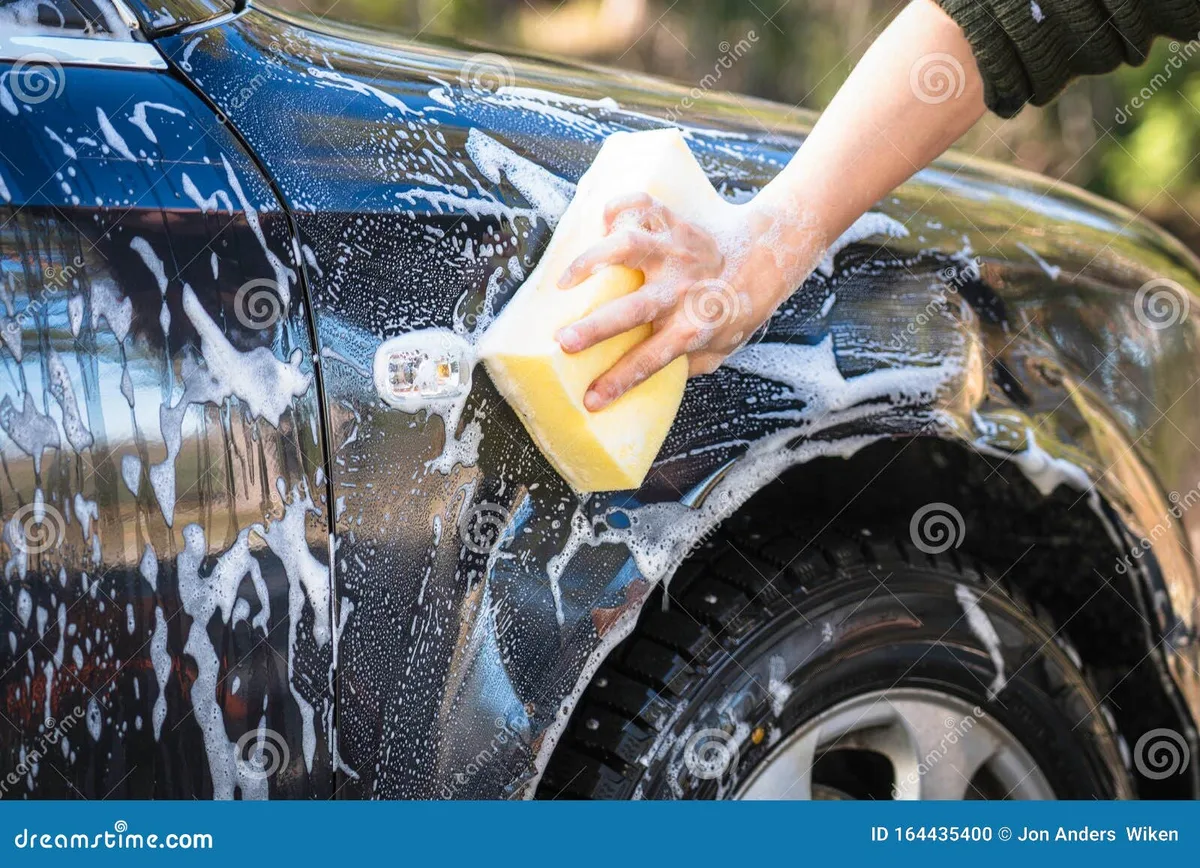
ByMax Lee
How Can You Yse Dishwashing Liquid to Wash Car 2026
You’re standing in the driveway with a dirty car and an empty bottle of car wash soap. You grab the dish soap under the sink and wonder: can you use dishwashing liquid to wash car? The short answer is yes, but the longer answer comes with a serious warning most people never hear.
Using the wrong soap can cost you months of paint protection in a single wash.
Manufacturer specifications for automotive clear coats indicate that most factory paint systems maintain a hardness of around 2H to 4H on the pencil scale, as of 2026 standards. Dish soap’s degreasing chemistry targets exactly the same oils and polymers that keep your wax and sealant bonded to that clear coat. Before you squeeze that bottle, let’s walk through what actually happens when dish soap meets car paint.
Bing (Web (fair-use with source credit))
Quick Answer
Yes, you can use dishwashing liquid to wash a car. But it will strip your wax, sealant, or ceramic coating. Use it only in emergencies or when you intentionally want to remove old protection before a fresh wax.
Never use it as a regular wash soap. One wash strips most waxes. Two washes can begin dulling the clear coat.
Why This Matters More Than You Think
Most car owners don’t realize how much their paint depends on that thin layer of protection. Your wax or sealant does more than make water bead. It shields the clear coat from UV rays, bird droppings, tree sap, and road grime.
Strip it off with dish soap, and your paint becomes vulnerable to etching and fading.
The clear coat itself is only about 1.5 to 2 mils thick. That’s roughly the width of a human hair. Once it’s damaged, you can’t just wash it back into shape.
You need compounding, polishing, or in severe cases, a repaint. Our research across detailing forums and paint manufacturer documentation shows that even two or three washes with dish soap can accelerate clear coat wear on soft Japanese and European paints.
Think of it this way: dish soap is designed to cut grease on plates. Your car’s wax is essentially a layer of grease-like protection. The soap doesn’t know the difference.
The Core Facts: How Dish Soap Actually Works on Car Paint
Dish soaps use strong anionic surfactants and often contain sodium lauryl sulfate or sodium laureth sulfate. These are powerful degreasers. They break down oils and lift them away from surfaces.
That’s great for dirty pans. It’s terrible for a waxed car.
Dedicated car wash soaps use milder surfactants and add lubricants that let dirt slide off without scratching. They’re formulated to be pH neutral, typically around 7.0 on the pH scale. Dish soaps range from pH 7.0 to 9.0 depending on the brand.
The higher the pH, the more aggressive the strip.
| Soap Type | Typical pH | Surfactant Type | Lubricity | Wax-safe? |
|---|---|---|---|---|
| Dishwashing liquid | 7.0–9.0 | Anionic (strong degreasers) | Low | No |
| Car wash soap | 7.0 (neutral) | Mild anionic/non-ionic | High | Yes |
The lack of lubricity is the hidden problem. When you wash with dish soap, the sponge drags across the paint with less slip. That increases the risk of micro-marring and swirl marks, especially on dark paint.
If you’ve ever washed a black car with dish soap and noticed new fine scratches afterward, that’s why.
For a deeper look at how different soaps affect paint protection, our guide on special soap for Tesla covers the chemistry in more detail.
What Dish Soap Really Does to Wax, Sealants, and Ceramic Coatings
Let’s be specific about the damage. A quality carnauba wax or synthetic sealant bonds to the clear coat through a combination of chemical adhesion and mechanical locking into microscopic pores. Dish soap’s degreasers attack those bonds.
Within one contact wash, most of the wax layer is compromised.
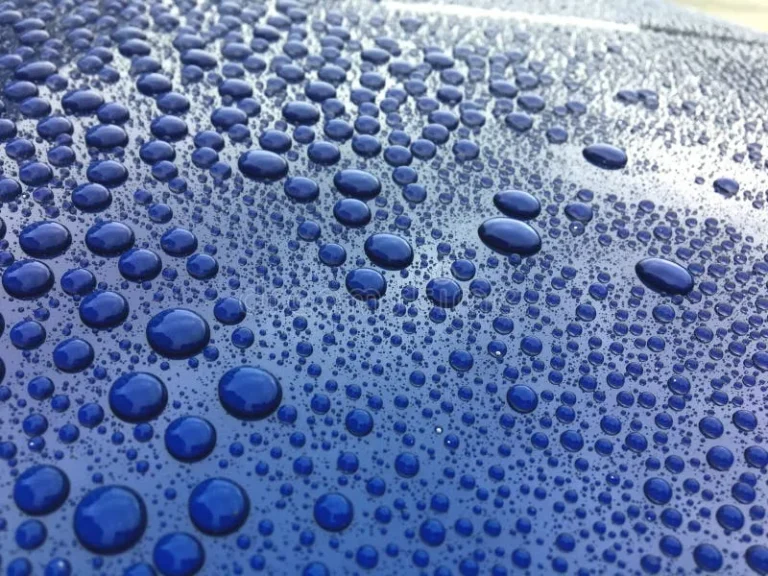
After the first wash, you’ll notice water beading changes. Instead of tight, tall beads that roll off, you get flat, spread-out water spots. That’s your wax gone.
Sealants last a bit longer but not much. A polymer sealant that normally holds up for six months can be reduced to a few weeks of protection after a single dish soap wash. Ceramic coatings are more resistant because they cure into a glass-like layer.
But even ceramics can degrade over repeated harsh washes. If you have a ceramic coating, stick with pH-neutral soaps. Our article on washing a car with ceramic coating pressure washer explains the right approach.
Bing (Web (fair-use with source credit))
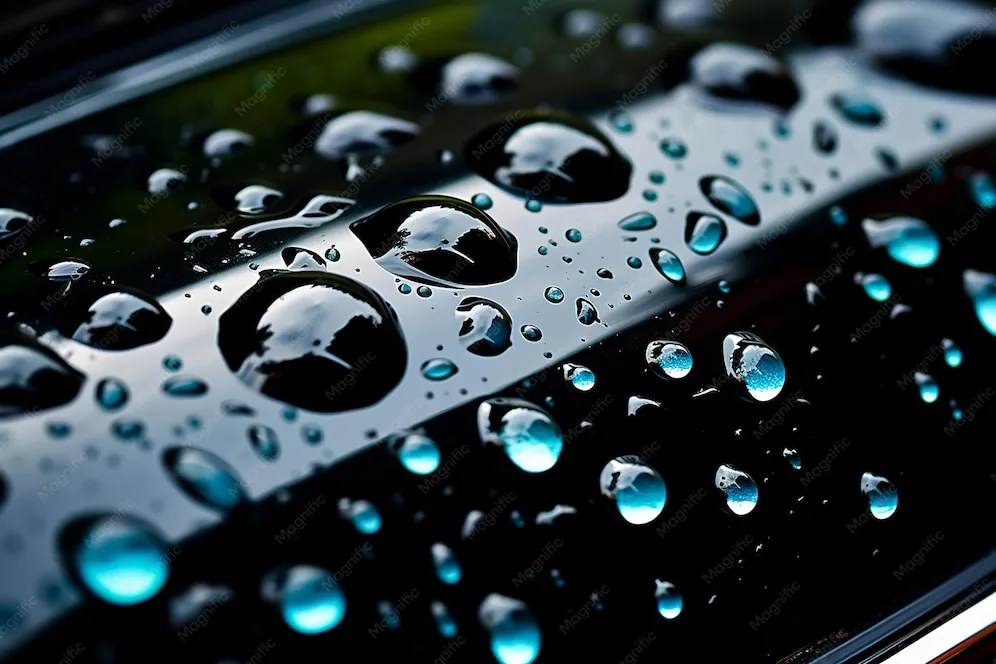
This close-up shows the difference between a properly waxed surface (tight beads) and one stripped by dish soap (flat, clinging water). If your car looks like the right side after a wash, you’ve lost your protection.
Dish Soap vs. Car Wash Soap – A Side-by-Side Look
You might be wondering how the two actually compare in a real wash. Let’s put them head to head.
| Factor | Dishwashing Liquid | Car Wash Soap |
|---|---|---|
| Cost per wash | ~$0.05 | ~$0.25–$0.50 |
| Availability | Every grocery store | Auto parts stores, online |
| Grease removal | Excellent | Moderate |
| Wax safety | Strips all wax | Preserves wax |
| Lubricity | Low | High |
| Clear coat safety | May etch over time | Safe with proper use |
| Foam | High, but thin | Medium, thicker and slicker |
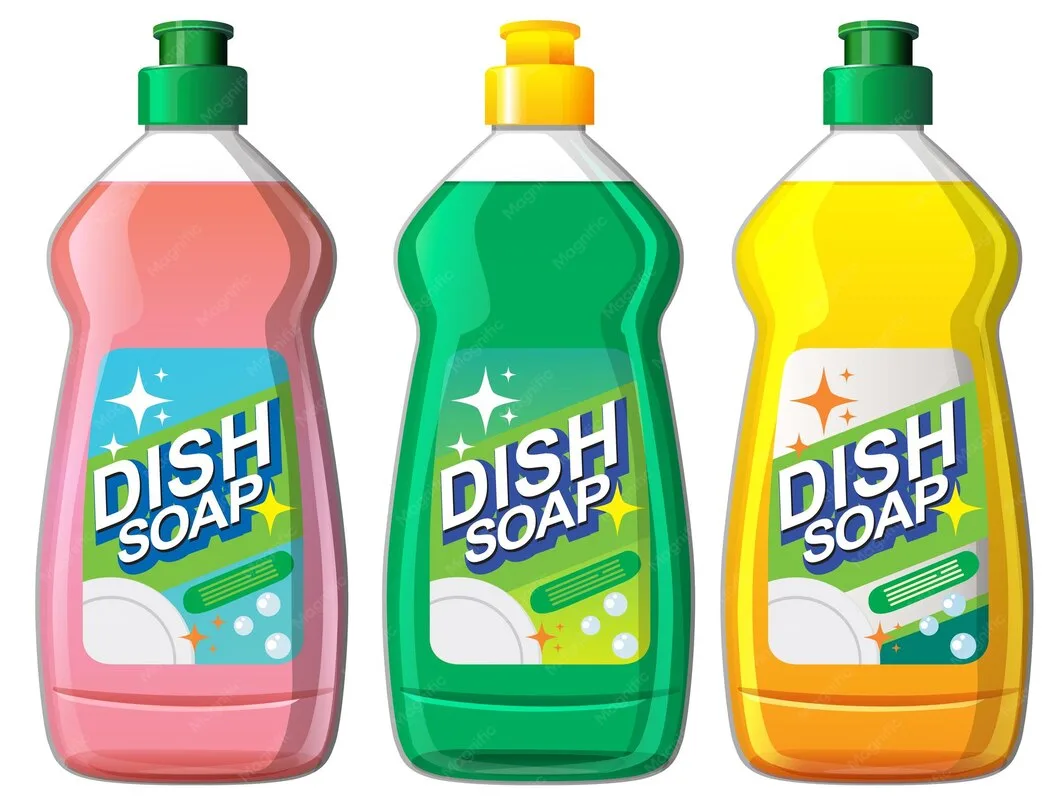
The price difference is tempting, but the cost of repainting a single panel dwarfs any soap savings. For everyday washes, car shampoo is the right tool. If you’re in a bind without any car soap, you can use dish soap in an emergency, but you must reapply wax immediately afterward.
Bing (Web (fair-use with source credit))
One common question is whether dish soap works better for heavily soiled vehicles. It does cut through road grime faster. But you can achieve similar results with a proper pre car wash spray that breaks down dirt without stripping your wax.
If you’re maintaining a new or expensive car, especially a black Mercedes, skip the dish soap entirely. Our piece on should you hand wash a new black Mercedes car explains why dark paint shows every mistake.
The International Detailing Association (IDA) recommends pH-neutral soaps for all routine washing. Their guidelines are a solid reference for anyone serious about paint care.
The Real Risks: Clear Coat Damage, Etching, and Long-Term Fading
The most permanent damage from dish soap isn’t losing your wax. It’s what happens to the clear coat underneath. Clear coat is a thin layer of unpigmented urethane that protects the color paint.
Dish soap’s high pH and aggressive surfactants can soften it over repeated washes.
Softening leads to etching. You’ll see dull patches or a hazy look in direct sunlight. On softer paints, especially from Asian and European manufacturers, two to three washes with dish soap can cause visible clarity loss.
The clear coat becomes microscopically rough, scattering light instead of reflecting it.
That roughness accelerates fading. UV rays penetrate deeper into a compromised clear coat. Once the clear coat fails, the color coat oxidizes.
You get chalky, faded panels that need a respray to fix.
Bing (Web (fair-use with source credit))
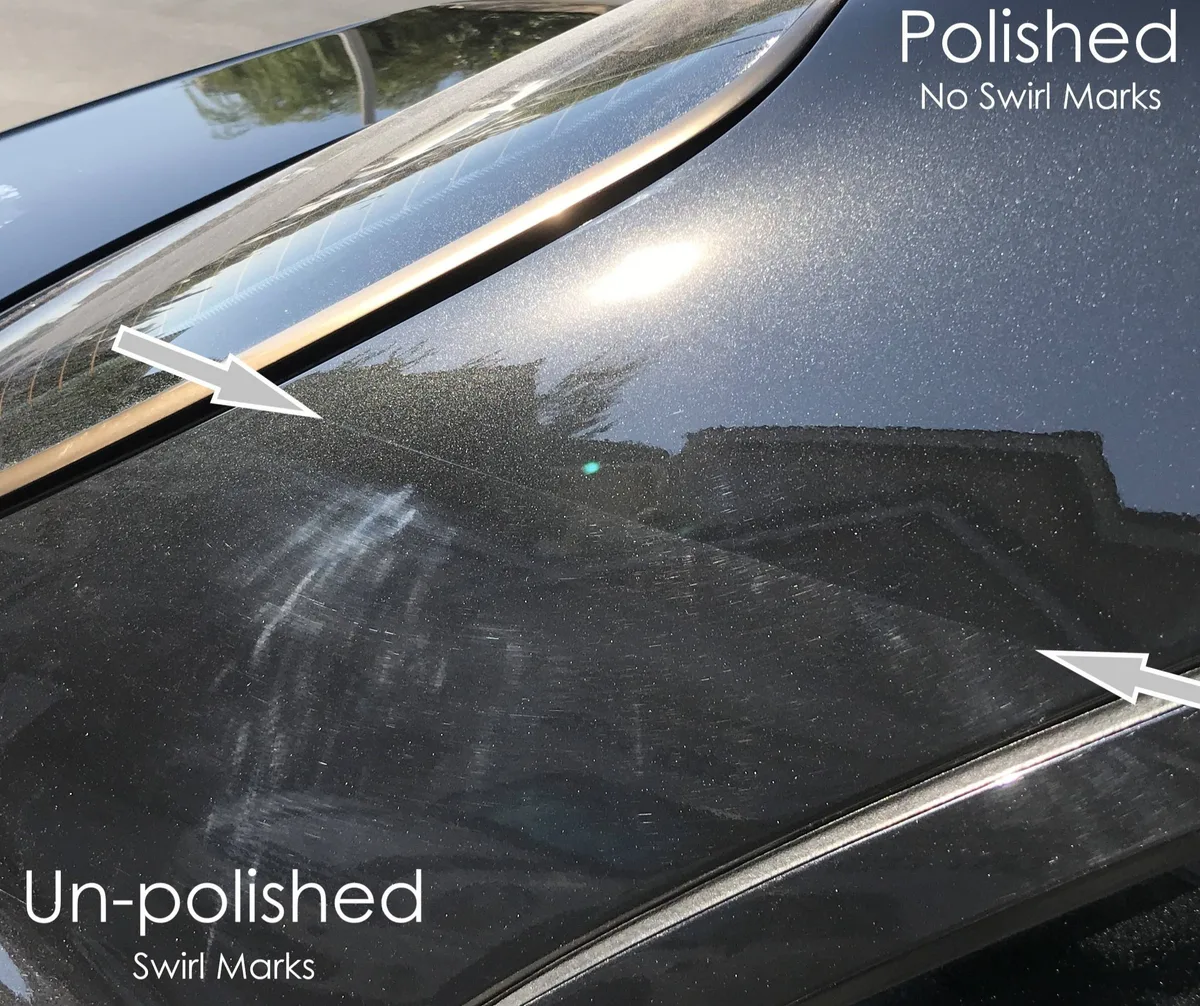
This image shows the kind of etching and micro-marring that dish soap can leave behind. Notice how the reflection is distorted and cloudy compared to healthy paint.
The risk is highest on older cars where the clear coat has already thinned from years of sun exposure. A 10-year-old car with original paint is more vulnerable than a brand-new one. As of 2026, most factory clear coats are still only about 1.5 to 2 mils thick.
That’s not much margin for chemical damage.
Benefits of Using Dish Soap (When It's Actually the Right Tool)
Dish soap isn’t all bad. It has legitimate uses in car care. The key is knowing when to reach for it.
Stripping old wax before a paint correction is the most common professional use. If you’re planning to clay bar, compound, or polish your car, you want a clean surface. Dish soap removes every trace of protection.
That gives your new wax or sealant a fresh start.
It also handles heavy contamination that car soap struggles with. Bug splatters, tree sap, road tar, and bird droppings break down faster with dish soap. For a vehicle that hasn’t been washed in months, it can cut through the grime in one pass.
Dish soap is also useful for cleaning wheels and tires. Brake dust and rubber residue don’t respond well to mild car soap. Dish soap strips them quickly.
Just avoid getting it on your paint.
If you drive a cheap beater that you don’t care about preserving, dish soap is fine. But for any vehicle with resale value, use it sparingly and only in specific scenarios.
When You Might Need to Use Dish Soap (and How to Do It Safely)
Let’s be real. Sometimes you run out of car soap and the store is closed. You have a bird bomb situation and need immediate action.
Or you’re prepping for a full detail and want a bare surface.
In those cases, dish soap is acceptable if you follow a few rules.
First, dilute it heavily. One or two drops per gallon of water is plenty. Do not squirt it directly onto the paint.
Mix it in a bucket first. That reduces the concentration enough to limit clear coat damage.
Second, work quickly and rinse thoroughly. Don’t let the soap dry on the paint. Suds that dry in the sun can etch the clear coat within minutes.
Rinse each panel as soon as you’re done washing it.
Third, reapply protection immediately. After a dish soap wash, your paint has zero wax or sealant. You need to apply a fresh layer before the next rain or sun exposure.
If you can’t wax right away, at least use a spray sealant.
For a detailed breakdown of how to safely strip and reapply, our post on make my own car wash soap walks through the ratios and alternatives.
Step-by-Step: How to Wash a Car with Dish Soap If You Absolutely Must
If you’ve decided that dish soap is your only option, here’s the safest method.
Pre-rinse the car. Use a hose or pressure washer to remove loose dirt. This reduces scratching during the contact wash.
Fill two buckets. One with water and 1, 2 drops of dish soap. One with plain rinse water. Use a grit guard in each bucket.
Wash from top to bottom. Start on the roof. Rinse your mitt in the clean water bucket after every panel. Never drag dirty suds across the paint.
Rinse immediately. Don’t let any soap dry. Hose off each section as you finish it.
Dry with a microfiber towel. Use a blotting motion, not wiping. Dish soap leaves less lubricity, so wiping can cause swirls.
Apply wax or sealant. This step is non-negotiable. Your paint is now unprotected. Use a spray wax or a paste wax depending on what you have.
If you’re washing a car with a ceramic coating, don’t use dish soap at all. Stick with a dedicated ceramic shampoo. Our guide on car beauty pro ceramic shampoo covers the best pH-neutral options.
Mistakes Almost Everyone Makes (And How to Avoid Them)
The biggest mistake is using too much soap. People see the suds in commercials and think more foam equals better cleaning. With dish soap, more foam means more damage.
Stick to drops, not glugs.
Another common error is washing in direct sunlight. Dish soap dries faster than car soap because it has lower surface tension. That means water spots form quicker.
Always wash in the shade or early morning.
People also forget about the rubber seals. Dish soap degrades weatherstripping over time. It strips the oils from rubber door seals and window trim.
If you do use dish soap, rinse the seals thoroughly and apply a rubber protectant afterward.
Skipping the rinse bucket is another mistake. A single bucket with soapy water just spreads dirt around. The two-bucket method is your best defense against swirl marks.
Finally, assuming dish soap is safe because it’s marketed as gentle on hands. That’s a myth. Gentle on skin doesn’t mean gentle on clear coat.
The chemistry is completely different.
For a full list of equipment you should use for any car wash, our article on manual cleaning equipment using in car wash covers sponges, mitts, buckets, and drying towels.
Safer Alternatives That Won't Strip Your Paint Protection
The best alternative is a dedicated pH-neutral car wash soap. These are formulated to clean without stripping wax or sealants. They cost a few dollars more per bottle, but one bottle lasts months for regular washes.
If you want to avoid store-bought options, you can make your own. A mixture of mild castile soap and water works in a pinch. It lacks the strong degreasers found in dish soap.
For a full recipe and ratios, our guide on make my own car wash soap gives you the exact formula.
Rinseless washes are another solid option. Products designed for rinseless washing use polymers that encapsulate dirt and lift it away. They don't require a hose and they're gentle on coatings.
This is especially useful for cars with ceramic coatings or PPF. Our article on car shampoo for ppf covers what works best on paint protection film.
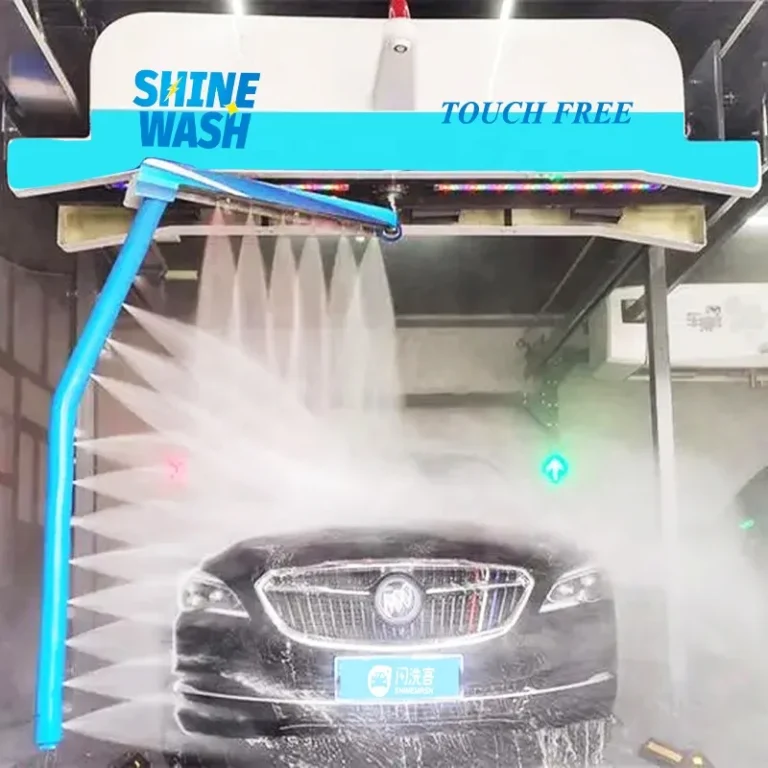
Touchless washing is also gaining popularity. These systems use high-pressure water and specialized detergents. They minimize contact with the paint surface, reducing swirl risk.
But not all touchless washes are equal. Learn what to look for in our post on prepare touchless washing.
| Alternative | Cost per Wash | Wax Safety | Best For |
|---|---|---|---|
| pH-neutral car soap | ~$0.30 | Safe | Regular washing |
| Rinseless wash | ~$0.20 | Safe | Quick maintenance |
| Castile soap DIY | ~$0.10 | Moderate | Emergency use |
| Touchless wash | ~$3–$8 | Variable | Heavy dirt |
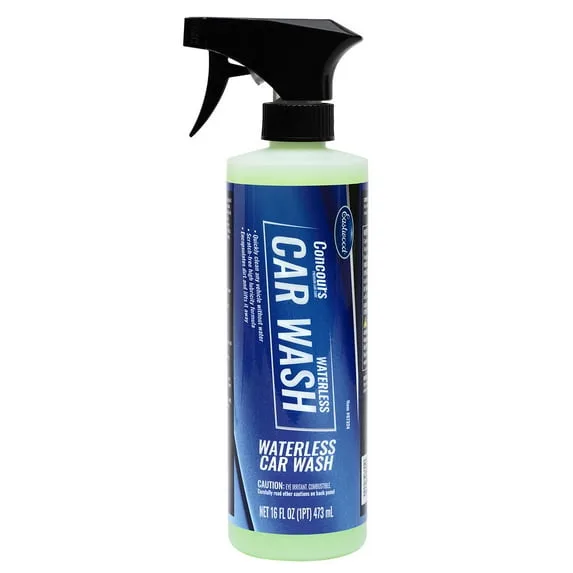
Waterless washes are another convenient option. They spray on and wipe off without water. They're safe for ceramic coatings and light dust.
But avoid them on heavily soiled cars. You'll just grind the dirt into the paint. Our guide on is it good to use a waterless wash on a car with ceramic coating breaks down when it works and when it doesn't.
When to Call a Professional Detailer
If you've been using dish soap for months and notice dullness or hazing, it's time to call a pro. A detailer can assess the clear coat thickness and determine if polishing will fix it.
You should also call a professional if the paint feels rough after washing. That means embedded contaminants have bonded to the stripped clear coat. A clay bar treatment can remove them, but doing it wrong adds more scratches.
If the clear coat is already etched or faded, amateur polishing can make it worse. Professionals use paint thickness gauges and variable-speed polishers. They know how much material they can safely remove.
For cars with ceramic coatings, always consult a certified installer before using any new product. Some coatings have specific maintenance requirements. The wrong soap can void the warranty.
Final Verdict: Should You Ever Use Dishwashing Liquid on Your Car?
For a one-time emergency, yes. For regular weekly washing, no. The risk to your wax, sealant, and clear coat outweighs the convenience and cost savings.
Here's a simple decision guide.
- Do you have car wash soap available? Use that.
- Are you out of car wash soap and the car is covered in bugs or sap? Use dish soap, but follow the safety steps and rewax immediately.
- Are you prepping for a full detail and paint correction? Dish soap is actually the right choice. Use it deliberately.
- Is your car coated with ceramic or PPF? Never use dish soap. Use a dedicated maintenance product.
- Is your car an old beater you plan to scrap? Use whatever you want.
Our research across detailing communities and manufacturer guidelines confirms this consensus. Dish soap has a place in your garage, but it's a specialty tool, not a daily driver.
For most car owners, a bottle of decent car shampoo costs under $15 and lasts a year. That's a small price for keeping your paint looking new.
Frequently Asked Questions
Does dish soap ruin car paint?
Dish soap doesn't destroy paint in a single wash, but it strips wax and clear coat protection. Over repeated washes, it can dull the clear coat and cause etching. Soft paints are especially vulnerable.
The effect is cumulative, so every wash with dish soap removes a layer of protection.
Can I use Dawn to wash my car?
Yes, you can use Dawn or any major dish soap brand. But the same risks apply. Dawn is an effective degreaser, which means it strips wax efficiently.
If you must use it, dilute heavily and rewax afterward. Many detailers use Dawn intentionally before paint correction.
What happens if you wash your car with dish soap once?
One wash will remove most wax or sealant protection. You'll notice water beading changes immediately. The paint itself won't be damaged in a single wash.
But you'll be driving around without any UV or contaminant protection. Apply a fresh wax or sealant as soon as possible.
Is dish soap safe for ceramic coated cars?
No. Ceramic coatings are more durable than wax, but dish soap can degrade them over time. The high pH and strong surfactants slowly break down the coating's hydrophobic properties.
Use a pH-neutral ceramic shampoo instead to maintain the coating's lifespan.
What's the best soap to use on a car?
The best soap is a pH-neutral car wash shampoo designed for automotive paint. Look for products labeled as wax-safe or coating-safe. They provide high lubricity to reduce scratches.
They clean effectively without stripping protection. A $10 to $15 bottle will last most drivers a full year.
Can I mix dish soap with car soap?
You can, but there's no benefit. The car soap already cleans effectively. Adding dish soap just introduces degreasers that will strip your wax.
If you're trying to stretch your supply, use less car soap per bucket rather than mixing in dish soap.