ByMax Lee
Guide to Arizona Dashboard Cracking Sun Protection Tips
Your Arizona dashboard is under attack every single day. It's not just the heat, though that's bad enough. The real culprit is a combination of intense UV radiation and extreme cabin temperatures that break down dashboard materials.
That's where these Arizona dashboard cracking sun protection tips come into play.
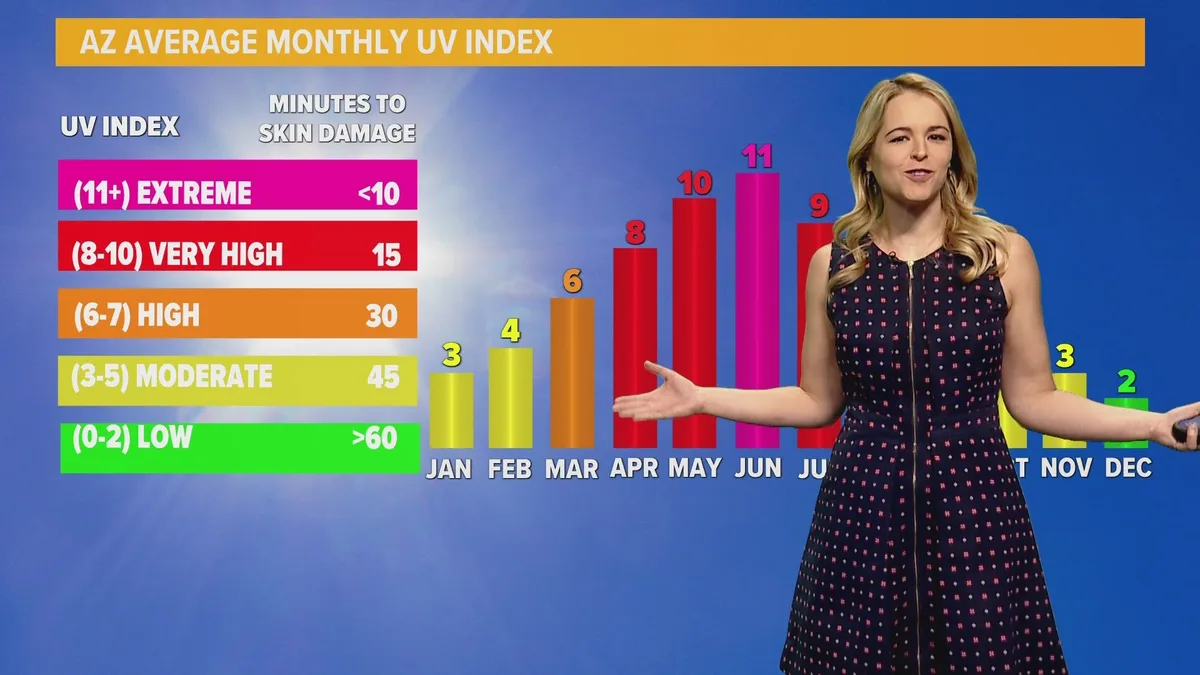
Phoenix sees an average UV index of 9 to 11 during summer months, classified as "extreme" by the World Health Organization. Interior car surface temperatures can hit 170°F or higher. That combination turns your dashboard into a ticking time bomb.
Let's get into what's happening and how to stop it.
Quick Answer
Protect your Arizona dashboard using a layered approach. Use a reflective sunshade every time you park. Apply a UV-blocking protectant every three months.
Install ceramic window tint on side windows. Park in shade when possible. Combine these methods for best results.
Start with a sunshade today.
Bing (Web (fair-use with source credit))
Why Your Arizona Dashboard Is Cracking (And It's Not Just the Heat)
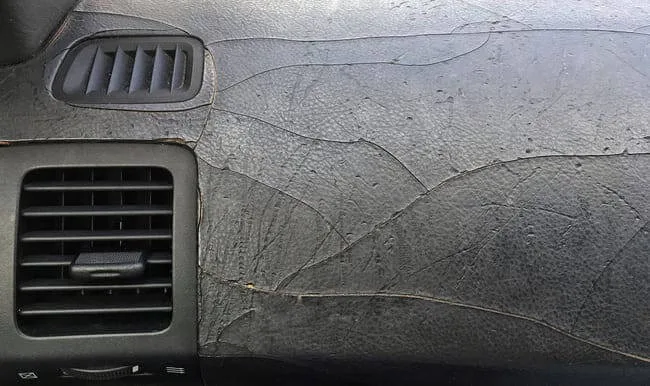
Most people blame temperature alone. That's only half the story. Dashboard cracking is a material failure caused by UV radiation weakening the polymer bonds in vinyl, plastic, or leather.
Think of it like sunburn. A single bad day won't cause lasting damage. But repeated exposure over years strips away flexibility.
Eventually the material gets brittle and cracks.
Our research into automotive interior materials shows UV light breaks down the plasticizers in dashboard vinyl. Plasticizers keep the material soft and supple. Once they degrade, the dashboard hardens and shrinks slightly.
That creates stress points, and cracks follow.
Thermal cycling adds to the problem. Arizona days are scorching. Nights can be surprisingly cool, especially in the desert.
Expansion and contraction puts mechanical stress on already weakened materials. The combination of UV degradation and thermal stress causes those spiderweb cracks you see on older cars.
How Arizona's UV Index and Cabin Temperatures Accelerate Damage
The UV index in Phoenix averages 9 to 11 from May through August. Anything above 8 is considered "very high" to "extreme." At this level, unprotected skin can burn in under 15 minutes.
Your car's windshield blocks some UVB rays but not UVA. UVA penetrates deeper and causes long-term material damage. Side windows block even less UV.
Your dashboard gets hit from multiple angles all day long.
Bing (Web (fair-use with source credit))
Interior car temperatures rise 40 to 50 degrees above outside air within an hour. On a 110°F day, your dashboard surface can hit 170°F or more.
| Temperature Range | Effect on Dashboard Materials |
|---|---|
| Below 120°F | Minimal damage, plasticizers stable |
| 120°F – 140°F | Accelerated plasticizer evaporation |
| 140°F – 160°F | Rapid material degradation begins |
| 160°F and above | Cracking risk increases significantly |
Combine prolonged UV exposure with these extreme temperatures, and you get dashboard failure within three to five years on some vehicles. Early intervention matters.
Best Sunshade Options for Arizona Conditions
Not all sunshades work the same. What works in Seattle won't cut it in Phoenix. You need a sunshade that reflects heat and UV, not just blocks light.
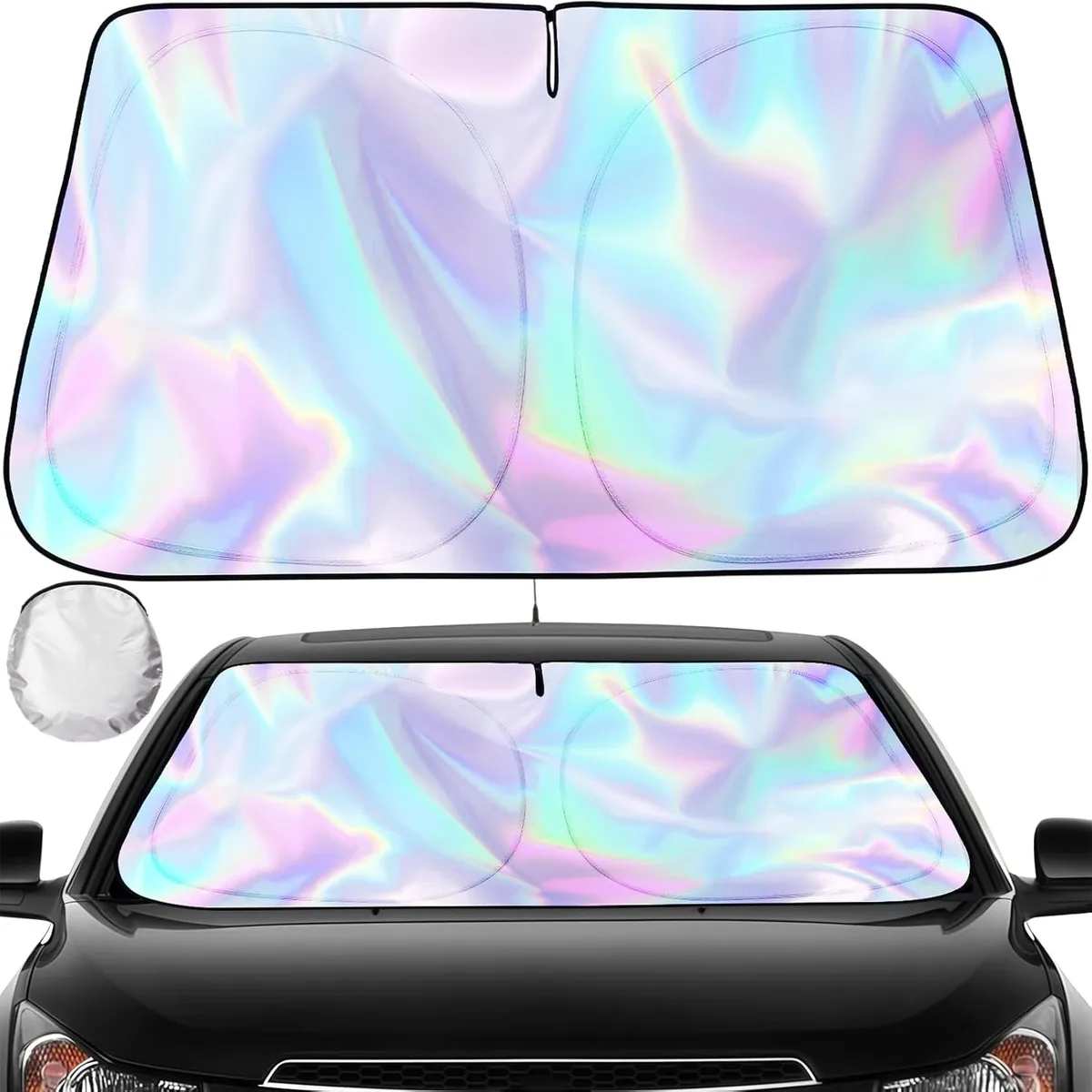
Custom-fit reflective sunshades are your best bet. They're made for your specific vehicle and fit tightly against the windshield with no gaps. The reflective outer layer bounces UV and heat away.
Expect to pay 30 to 60 dollars.
Universal foldable sunshades cost 10 to 20 dollars but rarely fit perfectly. Gaps around the edges let heat and UV in. They're better than nothing, but not by much.
Bing (Web (fair-use with source credit))
External windshield covers go on the outside and block UV before it reaches the glass. They work well for long-term parking.
Side window sunshades are cheap at around 10 dollars per set. They block UV coming through side glass, protecting door panels and the steering wheel.
One warning. Some cheap sunshades can melt or degrade when left on a dashboard in extreme heat. Check temperature ratings and look for materials rated to at least 200°F.
Dashboard Covers and Dash Mats: What Works and What Doesn't
Dashboard covers sit directly on top of the dashboard. They absorb or reflect UV instead of letting it reach the material underneath.
Carpet-style dash mats are the most common. They're custom-cut for specific vehicles, block UV effectively, and reduce windshield glare. Most use non-slip backing or hook-and-loop fasteners.
Neoprene dash mats are gaining popularity. Neoprene handles heat well and doesn't degrade under UV. It also stays put better on textured dashboards.
Here's the critical warning. The National Highway Traffic Safety Administration (NHTSA) has expressed concern about dash covers interfering with passenger airbag deployment. Some covers block the area where the passenger airbag deploys.
Check your owner's manual for the passenger airbag location. If it deploys from the dashboard top, avoid a dash mat in that area. Some mats have cutouts designed to clear airbag zones.
Look for those if you go this route.
Dash mats also won't protect the steering wheel, seats, or door panels. Use a layered approach with sunshades and window tint for complete protection.
Ceramic Window Tint vs. Standard Film: The Real Difference
Window tint is one of the most effective long-term solutions. But the type matters a lot.
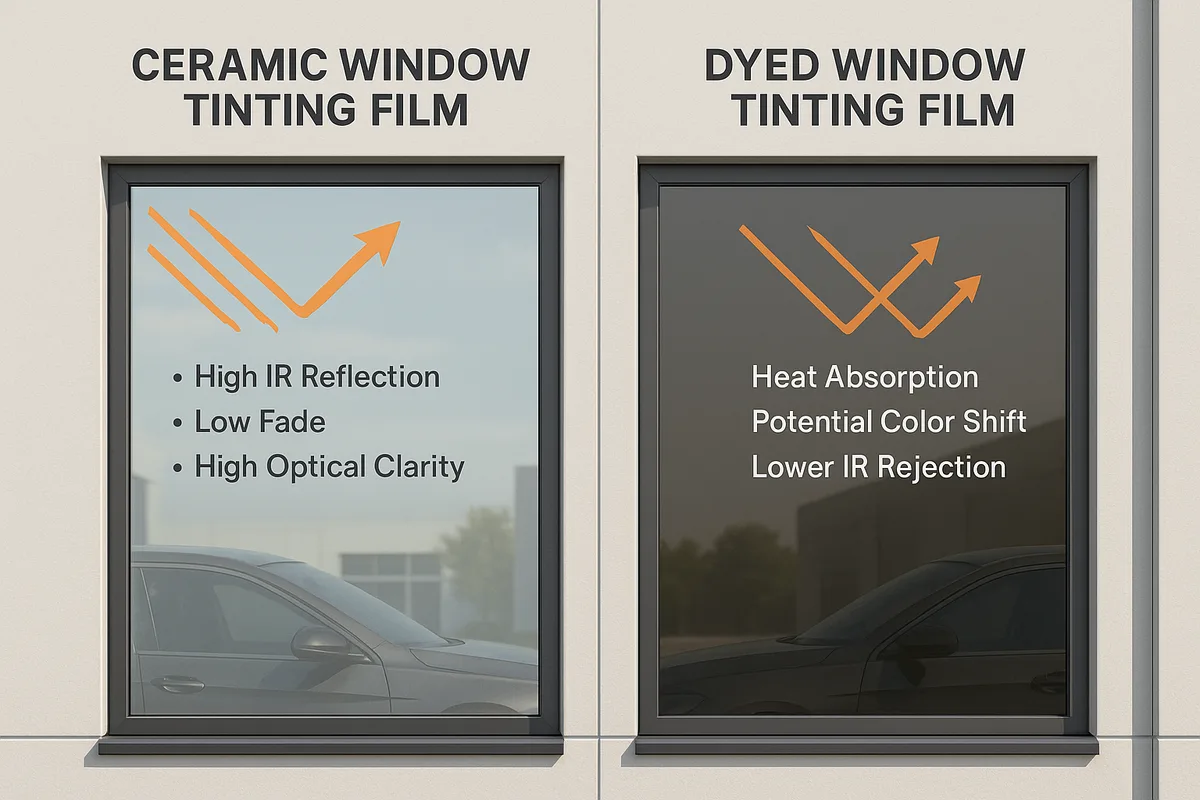
Standard dyed window film blocks some UV and reduces glare by absorbing solar energy. The problem is that absorbed heat transfers into the cabin. Dyed film also fades and can turn purple from UV exposure.
It typically lasts two to three years in Arizona sun.
Ceramic window tint uses nanoparticles that block UV and infrared radiation without absorbing much heat. It rejects over 90 percent of infrared radiation and 99 percent of UV rays.
| Feature | Standard Dyed Film | Ceramic Film |
|---|---|---|
| UV rejection | 95-99% | 99% |
| Infrared rejection | 40-50% | 90-95% |
| Heat rejection | Moderate | Excellent |
| Lifespan | 2-3 years | 8-10 years |
| Cost per vehicle | $150-$250 | $350-$600 |
| Fade over time | Yes | No |
Bing (Web (fair-use with source credit))
Arizona law limits tint darkness. Front side windows must allow at least 33 percent visible light transmission. You cannot tint the windshield below the AS-1 line without a medical exemption.
Ceramic tint comes in lighter shades that still provide excellent heat and UV rejection. You don't need dark tint to get the benefits. Professional installation costs 350 to 600 dollars for side and rear windows.
How to Apply UV Protectant the Right Way
UV protectant sprays are a useful second line of defense. But most people apply them wrong. A quick spray and wipe does almost nothing.
Start with a clean surface. Dust and grime block the protectant from making contact. Use a microfiber cloth and mild interior cleaner.
Avoid ammonia-based cleaners if you have tinted windows.
Apply the protectant evenly. Spray onto a microfiber cloth, not directly onto the dashboard. Direct spray can hit the windshield or trim and leave streaks.
Work the product into the surface in small circular motions.
Let it cure. Many UV protectants need 10 to 15 minutes to bond before buffing off the excess. Skip this step and you wipe away most of the protection.
Manufacturer specs recommend reapplying every three months.
For vinyl dashboards, look for protectants with UV absorbers and no silicone. Silicone-based products leave a greasy film that attracts dust. For leather dashboards, use a dedicated leather protectant with UV blockers.
Don't forget other interior surfaces. Door panels, center console, and steering wheel are all exposed to UV through side windows. Apply protectant there too.
If you're already using manual cleaning equipment for your car, the same microfiber towels work for dashboard protectant. Just keep one set reserved for interior use.
Common Mistakes That Make Dashboard Cracking Worse
Using silicone-based protectants. They create a temporary glossy shine but trap heat against the dashboard. That extra heat accelerates plasticizer loss. The dashboard dries out faster underneath.
Parking with the windshield facing west. The afternoon sun in Arizona is the most intense. If you can't choose where you park, face east in the morning and north or south in the afternoon.
Skipping side window protection. Side windows let in UV that hits door panels and the steering wheel. Side sunshades are cheap and effective. Use them.
Pushing tint limits. Illegally dark tint gets removed when you're cited, leaving you unprotected. Stay legal with ceramic tint that provides UV rejection without excessive darkness.
Ignoring early cracks. Small hairline cracks let moisture and heat penetrate deeper. Treat them early with a vinyl repair kit before they spread.
Forgetting the steering wheel. It gets the same UV exposure as the dashboard. A cracked steering wheel is expensive to replace. Use a cover or include it in your protectant routine.
Arizona Tint Laws and Airbag Safety: What You Must Know
Arizona Revised Statute 28-959.01 governs window tint. Front side windows must allow at least 33 percent visible light transmission. Rear side windows and the rear windshield can be any darkness.
Side mirrors are required if the rear window is tinted.
You cannot tint the windshield below the AS-1 line. The only exception is a medical exemption for drivers with photosensitivity. The exemption requires a doctor's note and ADOT approval.
Ceramic tint is the smart choice. You can install 35 percent VLT ceramic film on front windows and stay legal while blocking over 90 percent of infrared radiation.
For more information, check the official Arizona tint laws directly from the state legislature.
Now about airbag safety. Many vehicles have a passenger airbag that deploys from the top of the dashboard. An aftermarket dash mat can obstruct deployment.
The NHTSA recommends checking your owner's manual before installing any dashboard cover. Some dash mats include cutouts for airbag zones. Those are safer options.
If your passenger airbag deploys from the dashboard top, skip the dash mat entirely. Use a reflective sunshade and ceramic tint instead.
Real Scenarios: Daily Commuter, Snowbird, Ride-Share
The daily commuter. You park at work for eight to nine hours in an uncovered lot. You need a custom-fit reflective sunshade, ceramic tint on side windows, and UV protectant every three months. If your workplace has covered parking, pay for it.
At 30 to 50 dollars a month, it is cheaper than a dashboard replacement.
The snowbird. You park your car for four to six months at a time. Use an external windshield cover and apply thick UV protectant before you leave. Cover the steering wheel and seats.
When you return, the interior will look the same as when you left.
The ride-share driver. Your car gets more UV hours per year than most personal vehicles. Ceramic tint is a must. Use a dash mat with an airbag cutout.
Reapply UV protectant every two months instead of three. Keep a sunshade in the trunk and use it between every ride.
Final Recommendations for Every Arizona Driver
Minimum protection (budget option). A custom-fit reflective sunshade costs 30 to 50 dollars. Apply UV protectant every three months. Park in shade when possible.
This reduces UV exposure by roughly 70 percent.
Medium protection (best value). Add ceramic tint to side windows. Cost is 350 to 600 dollars. Combine with the sunshade and protectant routine.
This stops over 95 percent of UV damage and reduces cabin heat significantly.
Maximum protection (full defense). Custom-fit sunshade, ceramic tint on all windows within legal limits, UV protectant every two months, and a dash mat with airbag cutouts. This is the standard for anyone parking outdoors full time in Phoenix or Tucson.
For more car care tips specific to Arizona conditions, check our main blog where we cover interior preservation and more.
Frequently Asked Questions
How often should I apply UV protectant to my dashboard in Arizona?
Every three months is standard. If you park outdoors 24/7 in Phoenix or Tucson, shorten that to every two months during summer.
Does windshield tint actually help prevent dashboard cracking?
Yes. Ceramic windshield tint blocks up to 99 percent of UV rays and over 90 percent of infrared heat. It is one of the most effective long-term solutions.
Can I repair a dashboard that has already started cracking?
Small hairline cracks can be repaired with a vinyl repair kit. Larger cracks or warped sections usually require full dashboard replacement, costing 800 to 2,500 dollars depending on your vehicle.
Are dash mats safe for all cars?
No. Dash mats can interfere with passenger airbag deployment if the airbag is located on top of the dashboard. Check your owner's manual before installing one.
What is the best sunshade for Arizona heat?
A custom-fit reflective sunshade with a metallic outer layer. Universal foldable shades leave gaps that let heat and UV in.
Does parking in natural shade help?
Yes, but not as much as you'd think. Shade reduces dashboard temperature by 10 to 20 degrees compared to full sun. Combine shade with a sunshade for best results.