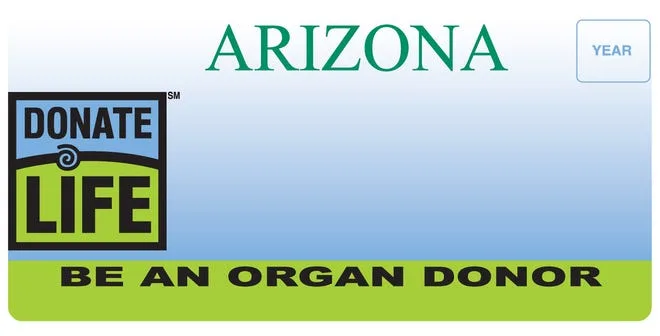
You sit down to renew your Arizona driver's license. The screen asks about organ donation. That simple checkbox starts the Arizona organ donor designation process, and it carries real legal weight.
Most people click "Yes" or "No" without understanding what follows.
As of 2026, more than 1,700 Arizonans sit on the national transplant waiting list. Meanwhile, thousands of families hope someone checks that box. Understanding what you're agreeing to before you click matters.
Let's walk through the whole thing step by step.
Quick Answer
The Arizona organ donor designation process is a legal step tied to your driver's license. You select "Yes" during your MVD application. Your name goes into the DonateLife Arizona registry.
Your wish becomes legally binding. No one can override it after your death.
Why Getting This Right Matters More Than You Think
Most people assume signing a donor card in their wallet is enough. In Arizona, that's not the full picture.
The designation on your license is first-person authorization. That means your decision is final. No family member, spouse, or parent can reverse it after you're gone.
Arizona law is explicit on this point.
Getting it right matters for two reasons. If you say "Yes" but your family thinks you changed your mind, they cannot override the registry. If you say "No" but your family wants to donate, they cannot override that either.
Your word carries the final authority.
The other side of this coin matters too. If you want to be a donor but never check that box, your family gets to decide. That is a heavy burden to place on someone in a moment of grief.
Our blog covers more Arizona vehicle ownership topics for situations tied to your license and registration.
How the Arizona Organ Donor Designation Actually Works
Here is the system behind that single checkbox.
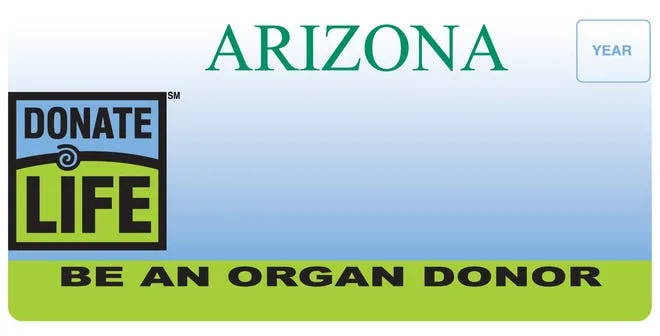
When you select "Yes" on your MVD application, your information goes to the DonateLife Arizona registry. This is the official state database for organ, tissue, and eye donation. It is not stored on MVD records beyond your license.
The registry holds:
- Your full legal name and date of birth
- Your driver's license number
- The date you designated
- Your donor status (yes or no)
It does not store medical history, health conditions, or any other personal information. Hospitals do not call the MVD to check your status. They check the DonateLife Arizona registry directly.
Once you are in the registry, a small heart symbol appears on the front of your license. That symbol tells emergency responders and hospital staff where to look for confirmation. Keeping your vehicle documents current matters just as much as keeping your license information accurate.
The Legal Difference That Protects Your Decision
Arizona follows what is called first-person authorization. That phrase carries more weight than most people realize.
In states without first-person authorization, a donor's wish is treated as a suggestion. The family has the final say. In Arizona, your designation is a legal directive.
It carries the same authority as a signed living will.

Arizona Revised Statutes Section 36-848 established this protection. The law states that an anatomical gift made by an individual is "irrevocable" after death. It requires no confirmation from anyone else.
Here is how this plays out in practice:
- If you are a designated donor: The hospital proceeds with donation. Your family cannot stop it.
- If you are not a designated donor: The hospital asks your family. They make the call.
- If you documented your wish in a will or advance directive: That is valid, but the license designation is faster and more accessible in an emergency.
The only exception involves minors. If you are under 18 and designated with parental consent, the parent or guardian retains some authority. But the moment you turn 18, that designation becomes your own binding decision.
The Step-by-Step Process for Arizona Drivers
Here is exactly how to designate yourself as an organ donor in Arizona. The whole process takes about two minutes.
Option 1: Apply Online Through ServiceArizona
- Go to ServiceArizona.com
- Log in or create an account
- Select "Driver License or ID" and choose your transaction type
- Complete the application questions
- When you reach the organ donor question, select "Yes"
- Review and submit your application
- Pay the standard fee (no extra charge for donor designation)
The registry update happens immediately. Your license prints with the heart symbol.
Option 2: Designate In Person at an MVD Office
- Visit any Arizona MVD or authorized third-party office
- Bring your required identification documents
- Fill out the driver's license application form
- Check the "Yes" box for organ donation
- Sign the form in front of the clerk
- Pay your fee and receive your new license
The registry update may take one to two business days for in-person visits. Your physical card arrives within two weeks with the heart symbol.
Taking care of your vehicle documentation means keeping all your paperwork accurate, including your license.
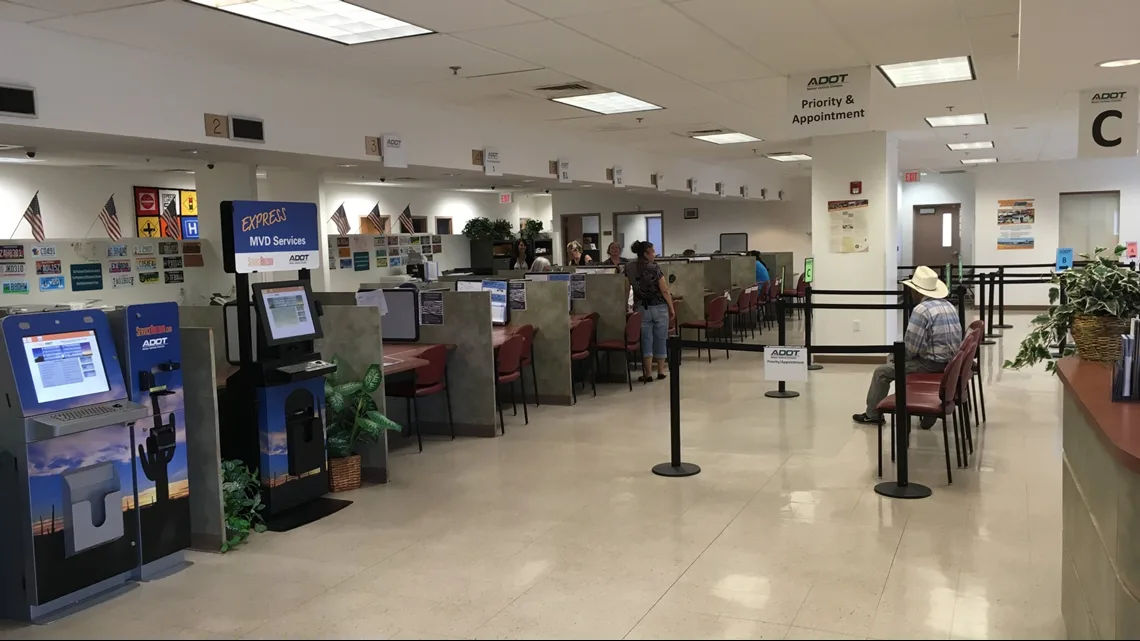
Online vs In-Person: What's Different at the MVD
Both methods reach the same registry. But they are not identical experiences.
| Factor | Online (ServiceArizona) | In Person (MVD Office) |
|---|---|---|
| Time to complete | Under 2 minutes | 30 to 90 minutes with wait |
| Registry sync | Immediate | 1 to 2 business days |
| Available hours | 24 hours a day, 7 days a week | Standard business hours |
| Additional fees | None beyond standard fee | None beyond standard fee |
| Requires account creation | Yes | No |
| Best for | Existing license holders renewing or updating | New residents or REAL ID applicants |
Online is best for: Arizona drivers who already hold a license and are renewing or updating. The process is faster and you can do it at any time.
In person is best for: New Arizona residents converting an out-of-state license, or anyone needing a REAL ID who plans an office visit anyway.
One thing to note: you can change your donor status mid-cycle online even if your license has not expired. But the heart symbol will not appear until your next physical license prints. If you want the new symbol immediately, request a duplicate license.
That costs an extra fee. Knowing what to expect at the MVD helps you plan your visit smoothly.
What Happens When You Want to Change or Revoke
Changing your mind is allowed. Arizona gives you the freedom to update your donor status at any time.
To revoke your designation online:
- Log into ServiceArizona.com
- Navigate to your driver's license services
- Find the organ donor question
- Change your answer to "No"
- Submit the update
This removes your name from the DonateLife Arizona registry. However, the heart symbol will stay on your current license until it expires or you request a duplicate.
To revoke in person:
- Visit an MVD office
- Request a change to your donor status
- Sign the updated form
- If you want a new license without the heart symbol, pay for a duplicate
There is no fee to change your registry status online. The only cost comes if you want a new physical card right away. That runs between $12 and $25 depending on the license type.
The system is designed to honor your current wish. Whatever you choose today is what the hospital will follow.
Common Mistakes Arizona Drivers Make
These errors show up again and again. Knowing them ahead of time saves confusion later.
Mistake 1: Relying on a wallet donor card
A signed card in your wallet is not enough. Arizona law requires the official registry designation to be legally binding. A wallet card is considered a statement of intent, not a binding directive.
Mistake 2: Assuming family can override your decision
Many people tell their family, "I want to be a donor." But if they never check the box on their license, the family gets to decide at the hospital. The registry designation removes that burden entirely.
Mistake 3: Forgetting to renew the designation
Your donor designation is tied to your license. When your license expires and you renew, you need to select "Yes" again. The system carries it forward on renewals, but check the box each time to be sure.
Mistake 4: Thinking medical conditions disqualify you
Many people skip the designation because they assume they are not healthy enough to donate. Medical suitability is determined at the time of death, not when you register. Register anyway.
Let the professionals decide.
Mistake 5: Not telling your family
Even though your designation is legally binding, telling your family removes confusion. They will not be surprised when the hospital explains your wishes. A quick conversation prevents stress during a difficult moment.
Accidents happen with car keys and documents too. Keeping your license information current avoids unnecessary complications.
What About Minors and New Residents?
Two groups face slightly different rules. Here is what you need to know.
Minors Ages 15.5 to 17
Arizona allows minors as young as 15.5 to designate as organ donors. Parental consent is required. The parent or guardian must sign the application alongside the minor.
Once the minor turns 18, the designation becomes their own. The parent no longer has authority over that decision. The teen can also revoke the designation at 18 without parental involvement.
New Arizona Residents
If you moved to Arizona from another state, your old donor designation does not transfer. Arizona uses its own registry tied to Arizona-issued licenses.
To designate in Arizona, you must:
- Apply for an Arizona driver's license
- Select "Yes" on the organ donor question
- Receive your Arizona license with the heart symbol
Your previous out-of-state designation remains valid in that state, but it will not appear in the DonateLife Arizona system. Get your Arizona designation in place as soon as you establish residency.
The Real Benefit: What Your Designation Does at the Hospital
Understanding what happens after the designation clarifies why this process matters.
When a patient dies in Arizona, the hospital checks two things. They verify the official death declaration. Then they check the DonateLife Arizona registry for a donor designation.
If the registry shows a "Yes," the hospital contacts the organ procurement organization. A coordinator reviews the patient's medical history to determine what can be donated. This happens within hours, not days.
One donor can save up to eight lives through organ donation. Tissue donation can help more than 75 people. Corneas restore sight for two recipients.
The designation ensures your wishes are known immediately. There is no delay while a family debates or searches for paperwork. Your decision speaks for you when you cannot speak for yourself.
The system respects your choice either way. If the registry shows "No," the hospital does not proceed. They inform the family and offer support.
Frequently Asked Questions
Does the organ donor designation cost anything extra on my Arizona license?
No. Adding the organ donor designation to your Arizona driver's license is free. You pay only the standard license or renewal fee.
The designation itself carries no additional charge.
Can I be an organ donor if I have a medical condition?
Yes. Register as a donor regardless of your health status. Medical suitability is evaluated at the time of death by medical professionals.
Many conditions do not prevent donation. Let the experts decide.
Will my family be notified before organ donation happens?
The hospital will inform your family about the donation process. But your family cannot override your designation under Arizona law. The first-person authorization law makes your decision final.
How do I remove the heart symbol from my license?
Log into ServiceArizona.com and change your answer to "No" on the organ donor question. This removes you from the registry. To remove the heart symbol from your physical license, you must request a duplicate license and pay the replacement fee.
Does my designation expire?
Your designation stays active as long as your license is valid. When you renew your license, you need to confirm you still want to be a donor. The system carries your status forward on renewal applications.
Can I donate specific organs and not others?
The registry allows you to designate for organ, tissue, and eye donation. You can choose to donate all three or only specific categories. The form gives you options to customize your gift.
Your Quick Action Guide
Here is what to do next based on your situation.
If you have an Arizona license and want to become a donor:
- Log into ServiceArizona.com today
- Update your donor status to "Yes"
- Tell your family about your decision
- It takes two minutes
If you have an Arizona license and want to remain a non-donor:
- Your current status stays in place
- You can change your mind at any time
- Document your wishes in a living will as backup
If you are a new Arizona resident:
- Get your Arizona license within 10 days of establishing residency
- Designate during the application process
- Your old out-of-state designation does not transfer
If you are helping a teen driver apply:
- Know that minors 15.5 and older can designate with your consent
- Discuss the decision together before the MVD visit
- Understand that the designation becomes binding at age 18
The Arizona organ donor designation process takes less time than pumping gas. But that single checkbox carries more weight than most documents you will ever sign. Take the two minutes to make your decision official.
Your family will thank you for it.