ByMax Lee
Guide to Arizona Class G Graduated License Restrictions
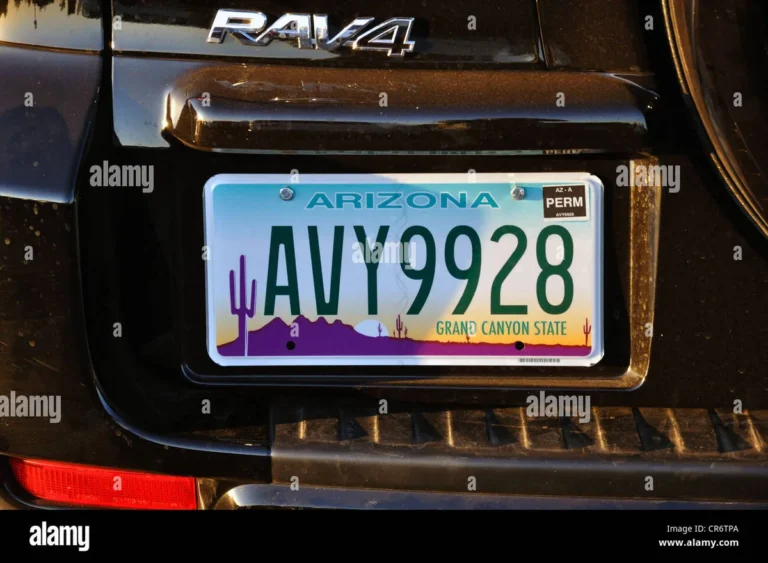
If you are the parent of a teen in Arizona, or a young driver yourself, you have probably heard the term "Class G license." Arizona Class G graduated license restrictions exist for one reason: to keep new drivers alive during their riskiest years on the road. The state does not do this just to annoy anyone. It is a proven system that reduces crashes and saves lives.
According to the Arizona Governor's Office of Highway Safety, teen drivers are three times more likely to be in a fatal crash than adults. The graduated driver license (GDL) program phases in driving privileges slowly so new drivers gain experience before facing the hardest conditions. Here is exactly what the Class G license allows, what it blocks, and how to get through this stage clean.
Bing (Web (fair-use with source credit))
Quick Answer
Arizona Class G graduated license restrictions limit when and with whom you can drive. You cannot drive between midnight and 5 a.m. You cannot carry more than one passenger under 18 who is not family.
You must be at least 16. You need 30 hours of supervised practice. The Class G converts to a full Class D at age 18.
Why These Rules Matter More Than You Think
The graduated license system targets the two biggest risks for new drivers: late-night driving and peer passengers. When you put a group of teenagers in a car after dark, crash risk climbs fast. The science is clear on that.
Arizona adopted its GDL program in the late 2000s, and crash rates for 16 and 17 year olds dropped noticeably after that. State highway safety data confirms this trend holds steady as of 2026. These rules are not a punishment.
They are a buffer between your teen and the most dangerous driving scenarios they will face.
Most parents do not realize how fast a minor can lose driving privileges. A single violation of the passenger limit or curfew can extend the restriction period or trigger a suspension. That is why understanding the exact boundaries matters so much.
You can find more detailed car ownership guidance on our blog to help keep your vehicle safe once your teen starts driving regularly.
What the Arizona Class G License Actually Allows (and Blocks)
A Class G license is a restricted driver license issued to Arizona residents who are at least 16 and have completed the learner permit stage. It is not a full license.
Here is what a Class G holder can do:
- Drive solo (no licensed adult required)
- Drive during the daytime and early evening
- Transport immediate family members of any age
- Drive to and from school or work with no extra restrictions during those trips
- Operate any passenger vehicle that a standard Class D driver can drive
Here is what a Class G holder cannot do:
- Drive between midnight and 5 a.m. (with limited exceptions)
- Transport more than one passenger under 18 who is not an immediate family member
- Use a cell phone while driving (handheld or hands-free) except for emergencies
- Drive with any measurable alcohol in their system (the limit is 0.00%)
- Accumulate 8 or more points on their driving record in 12 months
The license is valid until the driver turns 18. At that point, Arizona automatically converts it to a full Class D license. No retest is required.
The graduated driver license program ends on your 18th birthday as long as you kept a clean record.
One thing that catches people off guard: the restrictions apply even on school property or in private parking lots. Arizona law does not give you a pass just because you are on private land or driving a golf cart. The rules follow the driver.
The Three-Step Process: Permit to Restricted to Full License
Getting a Class G license is a process, not a one-day event. There are three clear phases, and rushing any of them will cost you time.
Step 1: Getting Your Instruction Permit
Before you can get the Class G, you must hold a valid instruction permit for at least six months. You can apply for the permit at age 15 years and 6 months.
To get the permit, you need to:
- Pass a written knowledge test at an MVD office
- Pass a vision screening
- Provide proof of school enrollment or high school completion
- Have a parent or legal guardian sign the application
- Pay the permit fee (currently around $17 as of 2026)
The permit allows you to drive only with a licensed adult who is at least 21 and sitting in the front seat. No solo driving. No driving between midnight and 5 a.m. even with an adult.
The six-month clock starts on the day the permit is issued.
Step 2: The 30-Hour Supervised Driving Requirement
This is the part that requires the most parent involvement. You must complete at least 30 hours of supervised driving practice. Ten of those hours must happen after sunset.
The MVD provides a driving log form, or you can use your own written log. The log must include:
- The date and time of each session
- The duration of practice
- Whether it was day or night
- The parent's or supervising adult's signature
Do not fake the hours. Arizona MVD auditors do spot-check logs, especially if a teen gets a violation later. Inflating hours can land both the teen and the parent in legal trouble.
This is where good habits start, so take it seriously.

Bing (Web (fair-use with source credit))
Spread the 30 hours over several months rather than cramming them in. Work through specific skills: freeway merging, parallel parking, three-point turns, and night driving on unlit roads. Keeping the practice car clean and well-maintained sets a good example.
Learning how to use pre car wash spray for safe washing is one small way to teach responsibility.
Step 3: Passing the Road Test and Getting Your Class G
Once you have held the permit for six months and logged 30 hours of practice, you can schedule the road test at an MVD office. You must bring:
- Your instruction permit
- The completed driving log signed by a parent
- Proof of financial responsibility (insurance)
- A vehicle in safe operating condition
- Your parent or guardian (if you are under 18)
The road test lasts about 20 to 30 minutes. The examiner will check basic maneuvers, obeying traffic signs, lane positioning, and safe decision-making. If you fail, you can retake the test after a waiting period, usually one week.
Pass the test, pay the license fee, and you walk out with your Class G license. Now the real rules begin.
The Two Biggest Restrictions: Who Can Be in the Car and When You Can Drive
Most of the Class G restrictions fall into two categories: passenger limits and curfew. These are the rules that trip up the most teen drivers.
Passenger Limits Explained
During the first year of holding a Class G license, or until the driver turns 18 (whichever comes first), the passenger rule is strict. You cannot drive with more than one passenger under 18 who is not an immediate family member.
"Immediate family" means siblings, step-siblings, half-siblings, and the driver's own children. It does not include cousins, neighbors, friends, or teammates. If you have two friends in the car and one of them is a sibling's friend, that still counts as a non-family passenger.
There is an exception for driving to and from school or a school-sponsored activity. But this exception is narrow. It applies only when you are going directly between home and school with no side trips.
Running through a drive-through with teammates after a game is a violation.
The penalty for a first passenger limit violation can include a fine, a mandatory driver improvement class, and an extension of the restriction period. Repeat violations lead to license suspension.
Nighttime Driving Curfew
The curfew is simple: no driving between midnight and 5 a.m.
There are a few exceptions. You can drive during those hours if:
- You are going to or from work
- You are going to or from a school or religious activity
- A licensed adult who is at least 21 is in the front seat
- There is a medical emergency and no other driver is available
The work exception requires proof. If you get pulled over at 1 a.m. and you claim you are heading to work, the officer will ask for verification. Keep a copy of your work schedule or an employer letter in the glove box.
It can save you a ticket.

iNaturalist / William J. Deml (CC BY)
These two restrictions cover the highest-risk scenarios for teen drivers. Passenger distraction and nighttime conditions are a deadly combination. Research from the National Highway Traffic Safety Administration continues to show that GDL programs reduce fatal crashes for 16 year olds by roughly 20 to 30 percent.
The numbers back up the inconvenience.
The Cell Phone and Distracted Driving Rules That Catch Teens Off Guard
Arizona law bans all cell phone use for Class G license holders. No calls. No texts.
No navigation apps. No hands-free. The rule covers any wireless communication device whether you are holding it or not.
The restriction applies even when you are stopped at a red light or stuck in traffic. If the engine is running and you are behind the wheel, the phone stays in your pocket or bag. The only exception is reporting a medical emergency, a fire, or a crime in progress.
Many teens assume hands-free is fine since adult drivers in Arizona can use hands-free devices. That assumption gets them a ticket. The law treats minor drivers differently because distraction is especially dangerous for inexperienced drivers.
Crash data from the Insurance Institute for Highway Safety confirms that any phone use multiplies crash risk for teen drivers.
The fine for a first offense starts around $100 plus surcharges. But the real cost is higher. A distracted driving violation adds points to your record.
For a Class G holder, points add up fast. Keeping your car clean and well-maintained, including knowing what to expect in a drive through car wash, helps avoid unnecessary distractions from dirty windows or poor visibility.
How Arizona's Zero Tolerance Law Changes Everything for Minor Drivers
Arizona enforces a strict zero tolerance alcohol policy for anyone under 21. For Class G holders, the limit is 0.00%. Not 0.08%.
Not 0.02%. Absolutely zero.
If a minor driver has any detectable alcohol in their system, the consequences are severe. The MVD will suspend the Class G license for at least two years for a first offense. There is no leniency for "just one drink" or "I did not know."

Bing (Web (fair-use with source credit))
The law covers more than just driving. If you are in control of a vehicle with any alcohol in your system, you can be charged. That includes sitting in a parked car with the keys in your pocket.
The zero tolerance law applies to physical control of the vehicle, not just active driving.
Parents should understand their liability too. If your teen drives after drinking and causes an accident, you can face civil damages. Arizona's parental responsibility laws hold parents financially accountable for their minor child's driving actions.
Keeping open conversations about this rule early prevents serious trouble later.
A conviction also means your insurance rates will spike. Our research shows that a zero tolerance violation can triple a teen driver's premium for several years. That is a financial hit that lasts long after the suspension ends.
The Points System: Why It's Stricter for Class G Holders
The Arizona MVD uses a point system to track driving violations. For a standard Class D driver, accumulating 8 points in 12 months triggers a license suspension hearing. For Class G holders, the threshold is the same but the consequences hit harder.
Here is how common violations add up:
| Violation | Points |
|---|---|
| Speeding 1-10 mph over limit | 3 points |
| Speeding 11-20 mph over limit | 4 points |
| Reckless driving | 8 points |
| Cell phone use (minor) | 2 points |
| Passenger restriction violation | 2 points |
| Alcohol violation (under 21) | 8 points + mandatory suspension |
The key difference for Class G drivers: the MVD does not offer the same leniency. Adult drivers can often take a defensive driving course to remove points. For minor drivers, this option is limited or unavailable depending on the violation.
Hitting 8 points means a suspension hearing. If the MVD suspends your Class G license, you must wait out the suspension period and then reapply. The clock on your GDL restrictions does not pause during suspension.
You still must follow all restrictions until you turn 18.
There is a second layer here that catches families off guard. A suspension can also affect your school attendance requirement. Arizona links driver license eligibility to school enrollment.
If you are suspended, you may need to prove continued enrollment before reinstatement.
Common Mistakes That Get Class G Licenses Suspended
Our analysis of MVD records and traffic court data reveals the same patterns year after year. These are the mistakes that end Class G licenses fastest.
Assuming the rules do not apply after a certain hour. Some teens think the midnight curfew means they can drive at 11:59 p.m. but not 12:01 a.m. That is wrong.
The restriction starts at midnight sharp. If you are on the road at 12:00 a.m. without an exception, you are violating the law.
Loading up the car with friends. The passenger limit of one non-family minor under 18 is the most violated rule. Teens pile into a car after a game or a movie and someone gets pulled over.
A single stop with three friends in the back seat means multiple violations.
Using a phone at a stoplight. Teens think being stopped counts as parked. It does not.
Arizona law says you are still operating the vehicle if the engine is running and you are in the driver's seat. That red light check of Instagram can cost you your license.
Driving a friend's car without checking insurance. If you get into an accident driving a vehicle you are not insured on, you face a financial responsibility suspension. That suspension applies even if the car owner has insurance.
The MVD requires proof that you personally had coverage.
Ignoring school attendance requirements. Arizona requires teens under 18 to be enrolled in school to hold a license. If you drop out or have excessive absences, the MVD can suspend your Class G license.
Schools report attendance data to the MVD automatically in most districts.
Taking care of the car your teen drives matters too. A breakdown or poorly maintained vehicle can create dangerous driving situations. If you want to keep your teen's car in good shape, learning about proper car washing techniques for ceramic coating can help maintain visibility and safety.
What Happens When You Turn 18
The Class G license automatically converts to a full Class D license on your 18th birthday. You do not need to visit an MVD office or take another test. The system updates your status automatically.
There is a catch though. If you have any active restrictions, suspensions, or pending violations on your 18th birthday, the conversion may be delayed. The MVD does not clear violations just because you turned 18.
You must resolve any outstanding issues first.
After conversion, you get full driving privileges. You can drive any time of day or night. You can carry any number of passengers.
You can use a hands-free device (but not a handheld phone under Arizona's broader distracted driving law). The zero tolerance alcohol rule still applies until you turn 21.
Some young drivers expect the conversion to erase their driving record. It does not. Points and violations stay on your record and affect insurance rates.
A clean Class G period means lower premiums when you switch to adult coverage.
If you kept your record clean, congratulations. You earned the full license. If you had violations, the last few months before turning 18 are critical.
Avoid any infractions. History shows that the MVD takes a final look at your record right before the conversion date. One last mistake can delay the upgrade.
Once you have a full license, you might want to learn proper vehicle care. Our guide on should you hand wash a new black Mercedes car covers the basics of keeping a car looking its best.
Frequently Asked Questions
Can a Class G license holder drive siblings to school?
Yes. Immediate family members do not count toward the passenger limit. Siblings, step-siblings, and half-siblings are all exempt.
The restriction applies only to non-family passengers under 18.
What happens if I get a ticket while on a Class G license?
You get points on your record and face a fine. If you reach 8 points in 12 months, the MVD holds a suspension hearing. A suspension extends the restriction period.
You still must follow all Class G rules until you turn 18.
Does the nighttime curfew apply on weekends and holidays?
Yes. The midnight to 5 a.m. curfew applies every day of the week. Weekends and school holidays do not change the rule.
The only exceptions are work, school activities, religious events, or having a licensed adult in the front seat.
Can I drive to work before 5 a.m. with a Class G license?
Yes, if you have proof of employment. The work exception allows driving during curfew hours as long as you are going directly to or from your job. Keep a copy of your work schedule or an employer letter in the car.
How long do I have to hold my learner's permit before getting a Class G?
Six months minimum. The clock starts the day your instruction permit is issued. You also need 30 hours of supervised practice with 10 hours after sunset before you can take the road test.
Bottom Line: How to Survive the Class G Period Without a Ticket
Follow the passenger limit. Obey the curfew. Keep your phone away.
Never drive after drinking. Stay enrolled in school.
These five rules cover nearly every violation that trips up Class G holders. Break one and you risk suspension, fines, and higher insurance for years. Follow them all and you walk away with a clean record and a full Class D license on your 18th birthday.
That is the whole game.
If you are a parent, stay involved. Track the practice hours honestly. Review the restrictions with your teen regularly.
A little effort now prevents a lot of headaches later. Keeping your teen's car in safe condition also matters. Check out our guide on manual cleaning equipment used in car washes to maintain visibility and safety on Arizona roads.