ByMax Lee
Guide to Arizona Engine Overheating in Summer Traffic (2026)
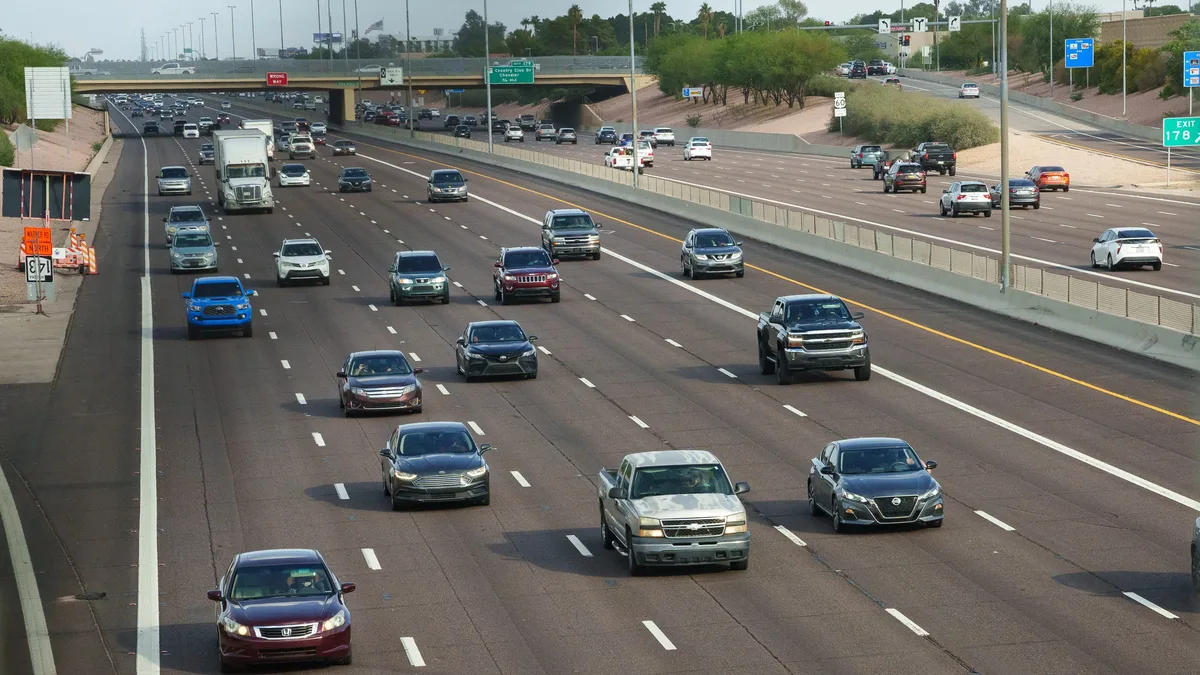
You're sitting in traffic on the 101 in Phoenix. The temperature gauge is creeping past the halfway mark. Your A/C just stopped blowing cold.
And you've got another twenty minutes before you hit your exit. That sinking feeling? It's justified.
Arizona engine overheating in summer traffic isn't just an inconvenience. It's a genuine threat to your engine's lifespan. When ambient air hits 115°F and your car isn't moving, the cooling system works harder than engineers ever designed it to.
The numbers back this up. Per manufacturer specifications, most cooling systems maintain operating temperature between 195°F and 220°F. In Arizona's July heat, that number can spike past 240°F in under two minutes of stopped traffic.
Understanding what's happening under the hood is the difference between a minor fix and a blown head gasket.
Bing (Web (fair-use with source credit))
Quick Answer
Arizona engine overheating in summer traffic happens when your cooling system can't shed heat fast enough. The main causes are low coolant, a dead electric fan, or an A/C system adding too much load at idle. If the gauge is creeping, turn off the A/C and turn on the heater.
If you see steam, pull over immediately. Most Arizona overheating issues are preventable with regular coolant checks and fan inspections before summer hits.
Why Your Engine Overheats in Arizona Traffic
It's not just the heat. It's the combination of heat plus no airflow plus high engine load.
Your engine burns fuel and creates heat. That heat gets absorbed by coolant circulating through the engine block. The hot coolant flows to the radiator, where air passing through the fins pulls the heat away.
While you're driving at 60 mph, plenty of air moves through the radiator. That works fine.
The problem starts when you stop.
At idle in traffic, your engine still generates heat. But there's no forward motion to push air through the radiator. Your electric fan is supposed to handle this job.
When the outside air is already 115°F, that air isn't very good at absorbing more heat.
Add the A/C condenser sitting right in front of the radiator. The condenser radiates its own heat while the compressor runs. In stop-and-go traffic, that heat gets dumped directly into the radiator.
The physics are simple. Your cooling system can only reject heat if the air passing through the radiator is cooler than the coolant. In Arizona summer traffic, the temperature difference is small.
The system works at the edge of its capacity. Any weak point pushes it over.
Check out our Blog for more Arizona driving insights and car care tips.
Quick Decision Guide: What to Do Right Now
The Temperature Gauge Is Creeping Up But No Steam Yet
This is the early warning stage. You have time, but not much.
First, turn off the A/C. That alone reduces engine load significantly. The compressor stops cycling, which removes the extra heat load from the condenser.
You'll feel the cabin get warm, but your engine will thank you.
Second, turn the heater on full blast. This pulls heat out of the engine and dumps it into the cabin. It's uncomfortable.
It works. The heater core acts as a second radiator. Fan speed on high.
Windows down.
Third, if you're stopped, put the car in neutral or park and rev the engine slightly to 1500 to 2000 RPM. This speeds up the water pump and the fan. Don't redline it.
Just a gentle increase.
If the gauge starts dropping after these steps, you can continue driving cautiously. If it keeps climbing, you need to pull over.
You See Steam or Smell Coolant Pull Over Safely
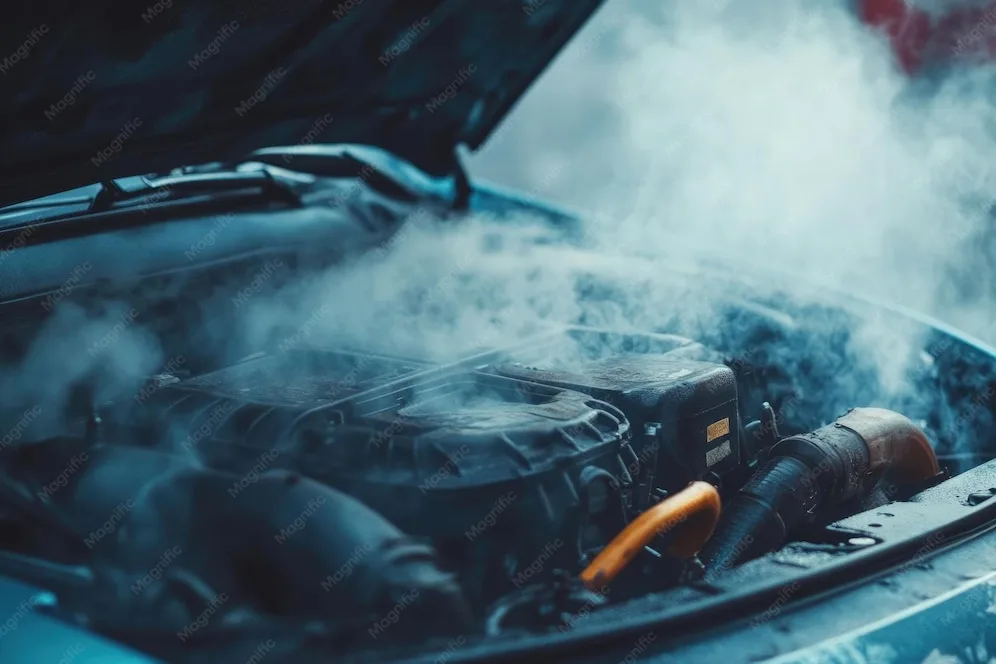
Steam means coolant is boiling somewhere in the system. That's urgent.
Find a safe place to pull over. A wide shoulder, a parking lot, a side street. Turn off the engine immediately.
Do not open the hood right away. The coolant system is under pressure and the hot steam can cause severe burns. Wait at least 15 to 20 minutes for things to cool down.
Once the engine is cool, check the coolant level. If the reservoir is empty or very low, you likely have a leak. You may need a tow.
Driving with steam coming from the hood risks warping the cylinder head. That's a thousand-dollar repair.
The Warning Light Just Came On Assess Immediately
The red temperature warning light usually comes on when the coolant temperature exceeds approximately 240°F to 250°F, depending on the vehicle.
If the light comes on and you're in heavy traffic, turn off the engine while stopped. Let it cool for a few minutes, then restart and move forward if traffic allows. Repeat as necessary.
This stop-and-go cooling method can get you to an exit.
If the light stays on even after you start moving, the problem is serious. Find a safe spot and call for help.
Your Engine Shut Itself Off (Limp Mode) Don't Panic
Many modern cars have a failsafe that shuts down the engine or reduces power severely when coolant temperature hits a critical threshold. The ECU detected temperatures that could cause permanent damage. Have the car towed.
Continuing to drive in this state can crack the cylinder head or blow the head gasket.
What's Actually Happening Under the Hood
The Cooling System Basics
Your cooling system has four main jobs. Keep the engine at operating temperature. Remove excess heat.
Maintain proper pressure. Protect internal components from corrosion.
The coolant mixture is critical. A 50/50 blend of antifreeze and distilled water provides a boiling point around 265°F when the system is properly pressurized. At a 15 psi radiator cap, the coolant can stay liquid well past water's normal boiling point of 212°F.
In Arizona, many drivers run a 70/30 water-to-coolant ratio during summer. This improves heat transfer but reduces freeze protection. Since it rarely freezes in Phoenix, that trade-off makes sense.
Just switch back before winter if you travel to Flagstaff or higher elevations.
Stop-and-Go Traffic Is the Worst Condition
At idle, your engine still produces substantial heat. The water pump runs at low speed. The electric fan moves less air.
And you're sitting directly over hot asphalt that can reach 160°F or more in direct sun.
The worst scenario? A long red light on a surface street with direct sun exposure and the A/C running. The engine bay temperature rises quickly.
The intake air temperature climbs. The radiator gets heat-soaked from the condenser.
If you've ever wondered why your car runs fine on the highway but overheats at the next light, this is why. Airflow is everything.
How 115°F Air Changes Everything
Heat transfer depends on the temperature difference between the coolant and the ambient air. At 115°F, that difference is small. When the coolant is at 220°F, the delta is about 105°F.
That's workable but tight.
Now add a failing fan or low coolant. The delta shrinks further. Your radiator can't reject enough heat.
The temperature climbs. Without airflow to break the cycle, temperatures rise until something gives.
Make sure your Car Shampoo for PPF washes keep the radiator fins clear of debris. That matters more than most people think.
The 4 Most Common Culprits in AZ Summer Traffic
Low Coolant Level
This is the number one cause. A slow leak from a hose, a cracked plastic radiator tank, or a failing water pump weep hole. The coolant level drops gradually.
You don't notice until the reservoir is nearly empty.
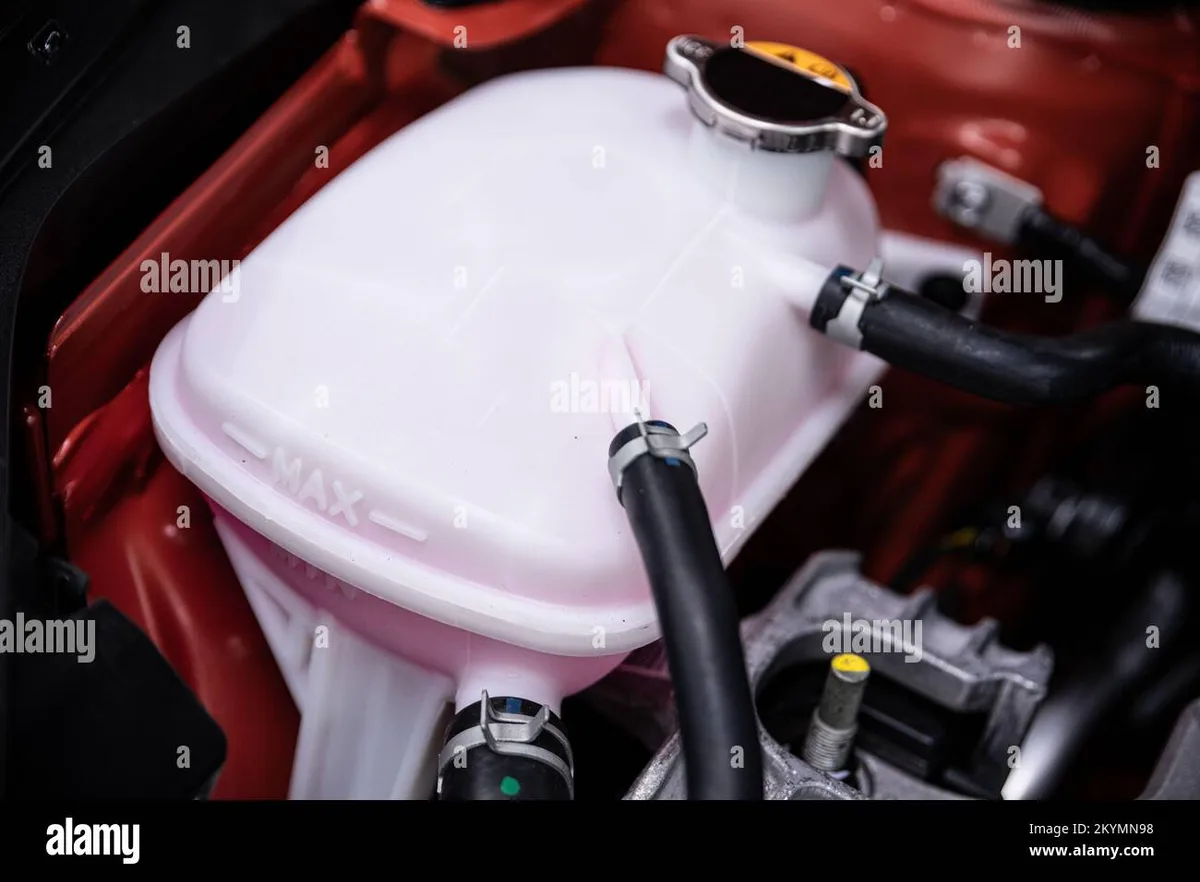
Check your coolant level when the engine is cold. The reservoir tank has markings for low and full. If it's below the low mark, you're running with reduced capacity.
Even a quart low can cause overheating in extreme conditions.
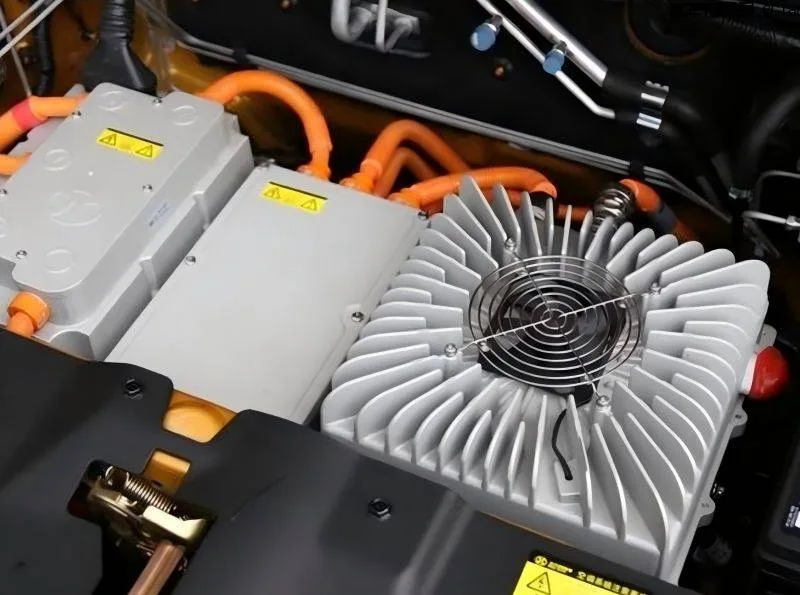
Electric Fan Failure
Your electric fan should kick on when the coolant temperature reaches approximately 200°F to 210°F. If it doesn't, you'll overheat within minutes of stopping.
Fan failure happens in two ways. The motor burns out usually a brush failure from heat cycles. Or the relay or fuse blows.
A quick test: let the car idle until it reaches operating temperature, then watch for the fan to spin. If it doesn't, and the temperature gauge keeps rising, you've found the problem.
Some cars have two fans. One for the radiator, one for the A/C condenser. If only one works, you may see intermittent overheating.
Know your car's setup.
Bing (Web (fair-use with source credit))
A/C System Overload
The A/C compressor adds a significant load to the engine. It's roughly similar to driving with an extra 5 to 10 horsepower draw. That load generates heat through the condenser, which sits directly in front of the radiator.
In stop-and-go traffic, the heat from the condenser gets pushed into the radiator. The radiator has to deal with engine heat plus condenser heat. On a 115°F day, that can push the system over the edge.
This is why turning off the A/C is your first move when the gauge starts climbing. It removes that extra heat load immediately.
Radiator Cap Not Holding Pressure
The radiator cap maintains system pressure. Higher pressure raises the boiling point of the coolant. A worn or damaged cap won't hold pressure.
The coolant can boil at a lower temperature, causing steam pockets that block circulation.
A failed cap may leak coolant from the overflow tube or allow air into the system. Both cause overheating. Replace the cap every few years.
It's a cheap fix that prevents expensive damage.
Step-by-Step: How to Safely Check Your Cooling System
Checking Coolant Level
Never check coolant with a hot engine. The system is pressurized. Removing the cap can release scalding steam and cause burns.
Wait until the engine is cold. The coolant reservoir is usually a translucent plastic tank with minimum and maximum lines. The coolant should be between those marks.
If it's low, add the correct type of coolant mixed with distilled water.
Check the color. Fresh coolant is bright green, orange, pink, or blue depending on the formula. Dark brown or rusty coolant needs to be flushed.
It's lost its corrosion inhibitors.
Testing Your Electric Fan at Idle
Start the engine and let it idle. Turn on the A/C. Most cars trigger the electric fan when the A/C compressor engages.
The fan should spin within a few seconds.
If the fan doesn't come on with the A/C, the motor, relay, or fuse may be bad. Check the fuse first. It's the cheapest fix.
If the fan works with A/C but doesn't come on from engine heat alone, the coolant temperature sensor or fan switch could be faulty. That still needs fixing. You need both functions.
Bing (Web (fair-use with source credit))
Radiator Cap Inspection
Look at the rubber seal on the radiator cap. It should be flat and flexible, not cracked or brittle. The spring should provide resistance when you push down.
A pressure test at a shop is more accurate. A cap that doesn't hold pressure will cause coolant loss and overheating.
Keeping a clean cooling system is easier when you Make My Own Car Wash Soap and avoid harsh chemicals near the radiator fins.
How to Drive Until You Can Get Repairs Done
When You Can Keep Driving
If the gauge is just above normal but not in the red zone, and you have no steam, you can probably continue. Turn off the A/C completely. Roll down the windows.
Turn the heater on full blast with the fan on high.
Take the next exit. Drive at a steady speed without hard acceleration. Avoid stopping if possible.
Every time you stop, the heat builds again. If you hit a long light, put the car in neutral and rev gently to 1500 RPM. That keeps the water pump moving.
When You Must Pull Over
Steam from under the hood, a temperature needle touching the red, or a warning light that stays on means pull over now. Ignoring these signs for even a few minutes can warp the cylinder head.
Find a safe spot. Turn off the engine. Pop the hood slightly to let heat escape, but don't touch anything.
Wait at least 20 minutes before checking coolant. If you have water, add it only after the engine is cool enough to touch the radiator cap without burning yourself.
Short-Term Tactics
Some Phoenix drivers keep a spray bottle of water in the car. A fine mist on the radiator can provide temporary cooling. Don't spray water directly on a hot engine block.
It can crack metal.
Another tactic is to leave extra following distance. That lets you roll forward slowly instead of stopping completely. Moving even at 5 mph provides some airflow.
Every bit helps.
Common Mistakes That Wreck Arizona Engines
Adding Cold Water to a Hot Engine
This is the most dangerous mistake. A hot engine block can crack instantly when hit with cold water. The rapid temperature change causes thermal shock.
Always let the engine cool for 20 to 30 minutes before adding anything. Even then, add coolant slowly with the engine off. Never pour cold water into a hot radiator.
Ignoring the Temperature Gauge
The gauge doesn't lie. When it starts climbing above normal, something is wrong. Ignoring it is how head gaskets fail.
If you notice the gauge sitting higher than usual even on the highway, investigate. A persistent one-quarter above center may indicate a developing issue. Don't wait for the warning light.
Using Straight Water Long-Term
Water transfers heat better than antifreeze. That's true. But water also causes corrosion in the cooling system.
It lacks lubricants for the water pump seal. It can freeze in winter.
If you run a higher water ratio for summer in Arizona, add a corrosion inhibitor or water wetter. Switch back to a 50/50 mix before any winter mountain trip.
When to Replace vs. Repair Cooling Components
Radiator Replacement
Plastic tank radiators crack at the seams. If you see dried coolant stains on the top or bottom tank, replacement is the only option. Repairs on plastic tanks don't hold.
Aluminum radiators can sometimes be welded, but it's often cheaper to replace. If the core is clogged, a professional flush might help. If flushing doesn't restore flow, replace it.
Water Pump Diagnosis
A failing water pump often leaks from the weep hole. You'll see a small trail of coolant dripping down the front of the engine. It may also make a grinding noise from worn bearings.
If the pump is leaking, replace it immediately. Waiting can cause the bearing to seize, which breaks the timing belt or chain in many engines. That's a catastrophic failure.
Fan Clutch vs. Electric Fan
Mechanical fan clutches wear out over time. If the fan spins freely when the engine is hot, the clutch isn't locking. Replace it.
It's a simple bolt-on job on most vehicles.
Electric fans usually fail due to motor brush wear. Replacement fans are available for most makes. Aftermarket fans often move more air than stock.
That's a worthwhile upgrade for Arizona driving.
Thermostat Testing
A stuck-closed thermostat blocks coolant flow entirely. The gauge will spike quickly. A stuck-open thermostat causes slow warm-up but rarely causes overheating.
Test the thermostat by feeling the upper radiator hose. If the engine is hot but the hose stays cold, the thermostat isn't opening. Replace it.
Thermostats are cheap. Overheating from a stuck thermostat is not.
Arizona-Specific Maintenance Schedule Differences
Flush Intervals
Most manufacturers recommend coolant flushes every 30,000 to 60,000 miles or every 2 to 5 years. In Arizona, cut that interval in half. Our research indicates that coolant degrades faster in sustained high heat.
Flush your cooling system every 30,000 miles or every 2 years, whichever comes first. Use the correct coolant type for your vehicle. Mixing different chemistries can cause gel formation.
Coolant Mixture for Year-Round Heat
A 70/30 water-to-coolant ratio provides better heat transfer than 50/50. Many Arizona drivers run this ratio from May through September. Just remember to switch back before traveling to higher elevations.
Use distilled water, not tap water. Tap water contains minerals that leave deposits in the radiator and block coolant passages. Distilled water costs about a dollar per gallon.
It's cheap insurance.
Seasonal Prep
April is the best time for a cooling system check in Arizona. Temperatures haven't peaked yet. You have time to order parts if needed.
Replace hoses that feel soft or bulging. Replace the radiator cap. Test the fan operation.
Clean debris from the radiator fins. These simple steps prevent most summer breakdowns.
Maintaining a clean engine bay with Heavy Equipment Wash Soap helps you spot leaks and cracks before they become emergencies.
Bing (Web (fair-use with source credit))
Real-World Scenarios: What Other AZ Drivers Learned
The Morning Commute That Almost Cost an Engine
A Phoenix driver on the I-10 noticed the temperature gauge climbing near the 35th Avenue exit. They turned off the A/C and turned on the heat. The gauge stopped climbing.
They made it to work without stopping.
The fix that afternoon: the electric fan relay had failed. A $15 part replacement solved the problem. The driver had been ignoring the gauge creeping up for weeks.
The overheating incident was the wakeup call.
Delivery Driver's Cooling System Nightmare
A DoorDash driver in Mesa kept overheating in summer 2024. They added water every few days. The problem got worse.
Eventually, the engine started knocking.
The shop found a cracked radiator tank. The driver had been losing coolant slowly. Adding water without fixing the leak meant the system never had proper coolant concentration.
The engine needed a head gasket replacement. Total repair: $2,400.
What Happened When Ignoring the Gauge
A Tucson driver saw the temperature gauge climb during a July commute. They kept driving with the A/C on. Thirty minutes later, the engine stalled and wouldn't restart.
The cylinder head had warped from excessive heat.
The repair required a new cylinder head, head gasket, and coolant system flush. A simple pullover and cool-down would have prevented the damage.
The Temperature Gauge Cheat Sheet
| Gauge Behavior | What It Means | Your Move |
|---|---|---|
| Slightly above normal, no steam | Early overheat, likely low airflow or A/C load | Turn off A/C, turn on heat, keep moving |
| Moving toward red, no steam | Fan failure or low coolant possible | Pull over at next safe spot |
| Touching red or in red | Coolant boiling, high risk of damage | Pull over now, shut off engine |
| Steam from hood | Coolant boiling under pressure, active leak | Pull over immediately, wait 20 min before opening hood |
| Fluctuating gauge | Air in system or failing thermostat | Check coolant level when cold, test thermostat |
Final Decision Tree
If you're stuck in traffic and the gauge is rising.
Turn off A/C. Turn on heater. Rev engine gently.
If gauge drops within 2 minutes, continue cautiously. If it keeps climbing, pull over.
If you see steam or smell coolant.
Pull over immediately. Shut off engine. Wait 20 minutes.
Check coolant only when engine is cool. Call for a tow if reservoir is empty.
If the warning light is on.
Engine temperature is critical. If traffic is stopped, turn off the engine. Restart only when moving.
Exit at the next opportunity. Have the system inspected before driving again.
If your car entered limp mode.
The ECU detected dangerous temperatures. Do not reset and continue driving. Have the car towed.
Continuing risks head gasket failure or a cracked block.
Frequently Asked Questions
What should I do if my car overheats in Arizona traffic?
Turn off the A/C immediately. Turn the heater on full blast. If the gauge keeps climbing, pull over safely and shut off the engine.
Never remove the radiator cap while the engine is hot.
Can I use water instead of coolant in Arizona summer?
Yes, in an emergency. Distilled water is better than tap water. But don't run straight water long term.
It causes corrosion and lacks lubricants for the water pump seal.
Why does my car only overheat at stoplights?
At idle, there's no forward airflow through the radiator. The electric fan must pull air through. If the fan isn't working properly, or if the A/C is adding heat load, your car will overheat when stopped.
How often should I flush my coolant in Arizona?
Our research suggests every 30,000 miles or 2 years, whichever comes first. Arizona's extreme heat degrades coolant faster. Test pH with a test strip.
If below 7.5, flush it.
Is it safe to drive with the temperature gauge slightly above normal?
Not for long. A gauge that sits higher than usual indicates a developing problem. It could lead to overheating in traffic.
Investigate the cause before your next drive.
Can a radiator cap cause overheating?
Yes. A cap that doesn't hold pressure lowers the boiling point of the coolant. The coolant can boil at a lower temperature, creating steam pockets that block circulation.
Replace the cap every few years.