ByMax Lee
Guide to Desert Wildlife Driving Hazards in Arizona in 2026
If you drive in Arizona, desert wildlife driving hazards in Arizona are a serious part of life here. Hitting a mule deer, a javelina, or livestock on an open range highway can total your car and cause injuries. It's not a matter of if you'll see an animal on the road, but when.
The Arizona Game and Fish Department reports more than 1,000 wildlife-vehicle collisions every year. That number only counts what people report. The real number is likely higher.
It pays to know what you're up against and how to handle it without panicking.
Openverse / BLMArizona (PDM 1.0)
Quick Answer
Desert wildlife driving hazards in Arizona mean hitting deer, elk, javelina, or cattle. Most collisions happen at dawn and dusk from November to January. Slow down in high-risk zones.
Brake firmly and never swerve. Always report a collision to local authorities.
Why This Matters More Than You Think
What's at stake (safety, legal, financial)
A collision with a large animal isn't a fender bender. It can total your SUV or sedan. It can send you to the hospital.
Repair costs for animal strikes routinely land between $2,000 and $8,000. Vehicles with advanced safety systems need expensive recalibration afterward. You also face legal obligations under Arizona law.
| What's at stake | Why it matters |
|---|---|
| Safety | Large animals can come through your windshield. |
| Financial | Repairs easily hit $2,000 to $8,000 after a strike. |
| Legal | Arizona law requires you to report certain collisions. |
Arizona has its own rules of the road (open range laws, dusk/dawn patterns)
Arizona operates under open range laws in many rural counties. Livestock can legally wander onto the road. You don't get a pass on liability just because an animal crosses in front of you.
The driver often still bears responsibility.
Dusk and dawn are when most animals move. During those low-light hours, your reaction time drops. The animal's camouflage blends into the shadows.
The Arizona Department of Transportation puts up warning signs in known crossing zones. Those signs only cover the most active corridors. For more on vehicle preparation, check out our blog.
The Animals You'll Actually Hit (And When)
Mule deer, elk, and javelina — the big three
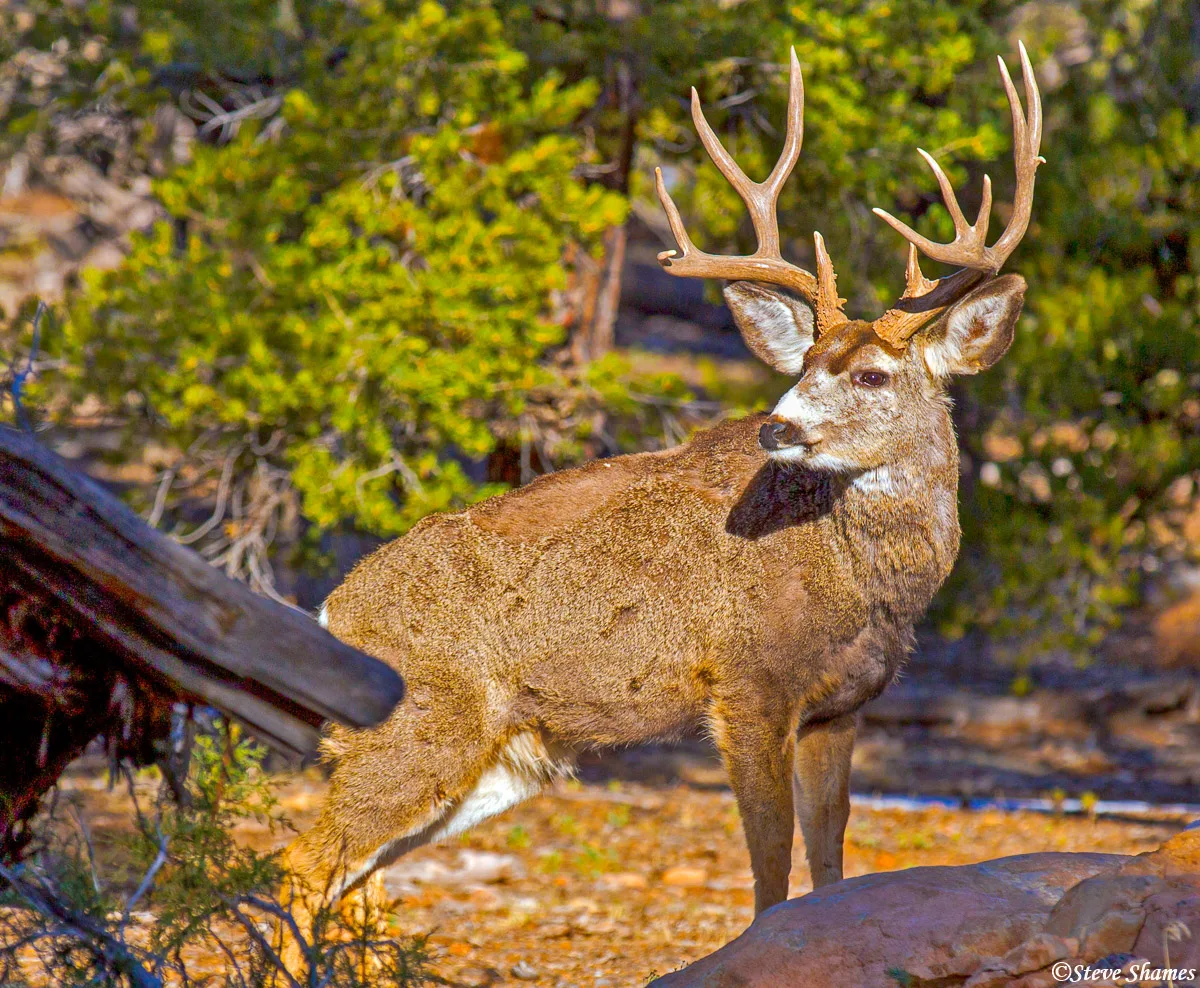
Mule deer are the most common large animal in crashes here. They travel in groups at dawn and dusk. Elk are bigger and heavier.
Hitting one at highway speed is like hitting a wall. Javelina travel in packs. If you see one cross, expect more to follow.
| Animal | Size | Typical behavior | Peak activity |
|---|---|---|---|
| Mule deer | 120-300 lbs | Travel in herds, freeze in headlights | Dawn and dusk |
| Elk | 400-700 lbs | Stand tall, hard to avoid | Early morning, dusk |
| Javelina | 40-60 lbs | Travel in groups of 10+ | Dusk, night |
| Cattle/horses | 800-2,000+ lbs | Slow, unpredictable | All hours on open range |
Livestock on open range (cattle, horses)
In open range areas, cattle graze right up to the pavement. A cow standing on a dark highway is nearly invisible until you're right on top of it. Braking distance at 55 mph is roughly 200 feet.
If you crest a hill and see a cow at 150 feet, you likely can't stop in time. Slow down when you see yellow warning signs.
Smaller threats (coyotes, bobcats, desert tortoises)
Smaller animals cause less damage but still create hazards. The real risk is swerving to miss them. A coyote or desert tortoise is a minor impact.
The oncoming truck you hit while dodging it is not. Crash reports show that many serious rollovers started with a driver trying to miss a rabbit or a coyote.
Bing (Web (fair-use with source credit))
Where and When Collisions Happen Most
High-risk highways (US-60, AZ-87, US-89, I-17 corridor)
Some stretches of Arizona highway are more dangerous than others. US-60 between Superior and Globe cuts through prime mule deer and elk habitat. AZ-87 heading up to Payson is notorious for javelina and deer activity.
US-89 from Prescott to Flagstaff crosses high desert elk territory. I-17 near Camp Verde also sees a high number of large animal strikes.
Peak months (November-January) and peak hours (dawn/dusk)
November through January is the peak season for collisions. That lines up with deer migration and mating season. Animals move more and wander into roadways.
Sunset and sunrise are the deadliest times. The sun sits low and blinds drivers while animals head to feeding areas. Check your headlight alignment and clean your windshield regularly during these months.
How weather and monsoon season change the risk
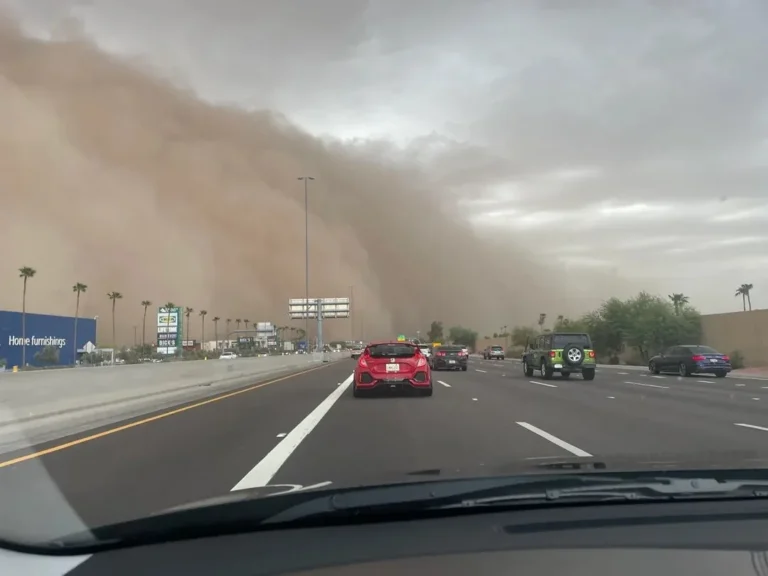
Monsoon season runs from July through September. Heavy rain washes debris onto roadways and pushes animals to travel along the pavement. Road shoulders become muddy and unstable.
Sudden downpours drop visibility to zero in minutes. If you're driving through a monsoon, slow down below the posted limit and watch the edges of the road. After a storm, animals often emerge to cross wet pavement.
Bing (Web (fair-use with source credit))
The Right Way to Avoid a Collision
Scan, slow, and steer: the pre-collision routine
Scan the roadside edges continuously. Look for reflections in your headlights. If you see eye shine or movement, drop your speed.
Steer gradually if you have a safe lane to move into. Never jerk the wheel.
- Scan both sides of the road ahead.
- Look for eye shine or moving shapes.
- Slow down 5 to 10 mph below the posted limit at night in high-risk zones.
- Keep both hands on the wheel.
- If you see one animal crossing, expect more.
High-beam strategy vs. auxiliary lighting
High beams double your detection range. Use them on rural highways with no oncoming traffic. Some newer cars have adaptive headlights that swivel into corners.
That helps. If you drive frequently in high-risk areas, aftermarket driving lights can extend your visibility. Make sure they comply with Arizona law on auxiliary lighting.
Speed adjustment: what to do and when
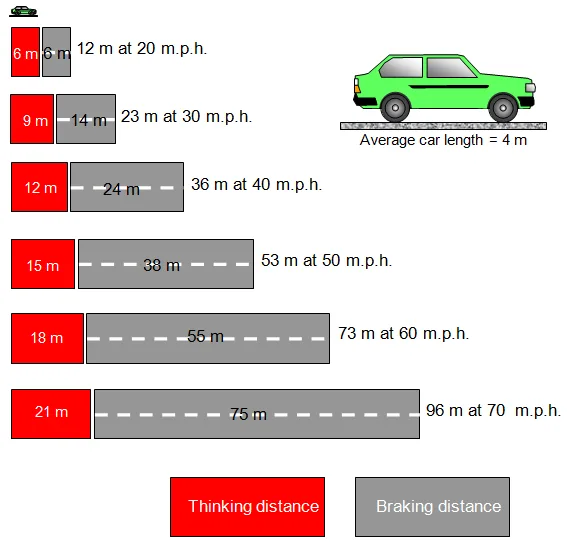
Speed determines everything. At 65 mph, your total stopping distance is over 300 feet. At 55 mph, it drops to about 220 feet.
Reducing speed by 10 mph gives you critical extra seconds. Arizona DOT data shows that most wildlife collisions happen at speeds over 55 mph. Slow down in marked zones even if you don't see animals.
What to Do If an Animal Runs Into the Road
The braking decision (when to stop, when to hit)
If an animal appears in front of you, brake firmly and stay in your lane. That is the official recommendation from the Arizona Game and Fish Department. If you have time to stop, stop.
If you don't have time, hit the animal while braking. It sounds harsh. Hitting the animal is safer than swerving into oncoming traffic or a concrete barrier.
Why swerving is usually the wrong answer
Swerving kills more drivers than the animal itself. A sharp turn at highway speed can flip your vehicle. It can send you into a guardrail, a tree, or another car.
The National Highway Traffic Safety Administration has documented this pattern for years. You are better off hitting a 300-pound mule deer than rolling your SUV into a ditch at 60 mph.
Herd behavior trap: the second animal you didn't see
Animals rarely travel alone. When you see a mule deer cross, count to five and expect a second one. Javelina travel in packs of ten or more.
The second or third animal is often the one you hit because you're already slowing down for the first. After the initial animal passes, do not accelerate. Look both ways before proceeding.
Keep your foot hovering over the brake until the path is clear.
Bing (Web (fair-use with source credit))
Post-Collision: What Car Owners Must Do in Arizona
Immediate safety steps (hazards, shoulder, call DPS)
Turn on your hazard lights immediately. If your vehicle is still drivable, pull off the pavement onto the shoulder as far as possible. Do not get out of the car on a busy highway unless you are sure it is safe.
A wounded animal can be dangerous. Call the Arizona Department of Public Safety at 911 or their non-emergency number. Tell them your location and the kind of animal involved.
Insurance: comprehensive vs. collision for animal strikes
Animal strikes fall under comprehensive coverage, not collision. That matters because comprehensive claims usually have a lower deductible and a smaller impact on your premium. Collision coverage applies when you hit another vehicle or a stationary object.
If you swerve to miss an animal and hit a guardrail, that becomes a collision claim. Your rates may go up. If you maintain your lane and hit the animal directly, it stays under comprehensive.
Reporting livestock hits and open range liability
If you hit livestock in an open range area, the rules get complicated. Arizona law does not automatically hold the rancher responsible. You may need to report the incident to the local sheriff's office and the Arizona Game and Fish Department.
Take photos of the scene and the animal if you can do so safely. They help with insurance claims and any legal questions. Get a police report and keep all documentation.
What Your Insurance Wants You to Know
Dashcam footage value
A dashcam is one of the cheapest investments for any Arizona driver who travels rural highways. A quality front-facing unit costs between $50 and $150. It documents exactly what happened.
Insurance adjusters trust video evidence over driver statements. It also protects you if another driver claims you caused the accident.
ADAS recalibration costs after a strike
Modern cars come with advanced driver assistance systems. Radar sensors behind the grille, cameras in the windshield, and sensors in the bumpers all need precise alignment. A collision that seems minor can knock these sensors out of calibration.
Recalibration costs range from $200 to $1,000 depending on your vehicle. Some luxury brands require dealer-level equipment. A simple bumper repair might turn into a $2,500 bill once recalibration is factored in.
Premium impact and claim filing process
Comprehensive claims for animal strikes typically do not raise your rates as much as at-fault collision claims. That varies by insurance company. File your claim as soon as possible.
Most insurers accept online submissions. Have your police report number, photos of the damage, and dashcam footage ready. A clean claim package gets processed faster.
Vehicle Prep That Saves You Money and Trouble
Headlight alignment and cleanliness
Dirty or misaligned headlights cut your nighttime visibility dramatically. Arizona roads cover everything in dust and grime. A quick wipe at every gas stop takes seconds and improves eye shine detection.
Check your headlight aim once a year. Both headlights should point straight ahead and slightly downward. One common mistake is aiming them too high after a bulb replacement.
Brush guards and bull bars: pros and cons for Arizona
Brush guards and bull bars protect the front of your truck or SUV. They can save you from radiator damage and expensive front-end repairs. But they come with tradeoffs.
A bull bar can interfere with airbag deployment sensors. It can also void certain parts of your warranty if it damages the crumple zone. And if you hit a large animal at speed, the bull bar might not prevent engine damage.
Tire condition for gravel shoulder emergency stops
Worn tires lose traction on loose surfaces. That can turn a controlled stop into a slide. Check your tire tread depth regularly.
Insert a penny into the tread with Lincoln's head facing down. If you can see the top of his head, your tread is below 2/32 of an inch. Replace those tires.
Also check your tire pressure before long drives through high-risk zones like US-60 or AZ-87.
Common Mistakes Arizona Drivers Make
Overdriving headlights at highway speeds
Overdriving your headlights means going faster than your stopping distance within the illuminated area. Low beams typically illuminate about 160 feet. At 55 mph, your stopping distance is roughly 220 feet.
You are literally stopping blind. Drop your speed to 45 mph in unlit rural zones if you cannot see the road edges clearly.
Honking or flashing at animals
A common reaction is to honk the horn or flash the high beams at a deer standing in the road. That often makes the animal freeze or jump toward you. Animals do not interpret car signals the way humans do.
The better response is to slow down, brake firmly, and wait. If the animal is standing still, give it time to move off the road on its own.
Assuming deer season only applies to northern Arizona
Many drivers think wildlife collisions are a northern Arizona problem. That is not accurate. The Sonoran Desert south of Phoenix has plenty of mule deer, javelina, and bighorn sheep near certain highways.
US-60 east of Phoenix toward Globe is a high-risk corridor year round. AZ-79 near Florence sees regular livestock activity. I-8 between Gila Bend and Yuma has open range sections where cattle wander onto the pavement.
Stay alert no matter which part of the state you drive through.
For keeping your vehicle in good condition after a desert drive, check out our article on washing a car with ceramic coating pressure washer. Mud and dust from rural roads need proper cleaning to avoid paint damage.
Legal Responsibilities You Can't Ignore
Arizona Revised Statutes on animal collisions
Arizona law requires you to stop after hitting any animal, including wildlife and livestock. Under ARS 28-672, you must report the collision to law enforcement if the animal is large enough to cause significant vehicle damage or injury. Failure to stop can result in hit-and-run charges.
If you hit a domestic animal like a cow or horse, you must make a reasonable effort to locate the owner. Contact the local sheriff's office.
Open range and driver liability
Arizona is an open range state in many counties. Livestock can roam freely. The driver is often found at fault in a collision with livestock, not the rancher.
If you hit a cow on a rural highway, you may be responsible for the animal's value. Ranchers can file a claim against your insurance. A police report is critical.
It establishes the location, time, and circumstances.
Hit-and-run on wildlife (yes, it's a thing)
Leaving the scene of any collision is a crime in Arizona. That includes hitting wildlife. Some drivers assume a deer or javelina doesn't count as a reportable accident.
That assumption is wrong. If you drive away without reporting, you risk a misdemeanor charge. The fine and court costs far exceed the inconvenience of stopping.
Pull over, check for injuries, and call the authorities.
Final Advice for Safe Desert Driving
One-sentence decision guide
If you see an animal on the road ahead, brake firmly, stay in your lane, and never swerve.
Checklist before your next night drive
Before heading out on a rural Arizona highway after dark, run through this quick list:
- Clean your headlights and windshield.
- Check your tire pressure and tread depth.
- Confirm your insurance card and dashcam are ready.
- Review the route for known high-risk zones.
- Set your speed 5 to 10 mph below the posted limit.
A few minutes of preparation can save you thousands of dollars and a trip to the hospital. Drive safe out there.
Before heading out on a rural Arizona highway after dark, run through this quick list:
- Clean your headlights and windshield.
- Check your tire pressure and tread depth.
- Confirm your insurance card and dashcam are ready.
- Review the route for known high-risk zones.
- Set your speed 5 to 10 mph below the posted limit.
A few minutes of preparation can save you thousands of dollars and a trip to the hospital. Drive safe out there.
Frequently Asked Questions
What should I do immediately after hitting a deer in Arizona?
Pull to the shoulder if safe. Turn on your hazard lights. Call 911 or the Arizona Department of Public Safety.
Do not approach the animal. A wounded deer can kick or charge. Wait for help to arrive.
Does hitting a javelina count as a reportable accident in Arizona?
Yes. Any collision involving an animal that causes property damage or injury must be reported. Javelina travel in groups.
Even a small animal strike can damage your vehicle's undercarriage or radiator.
Will my insurance rates go up after hitting an animal in Arizona?
Animal strikes fall under comprehensive coverage. Comprehensive claims typically cause smaller rate increases than collision claims. Some insurers offer accident forgiveness.
Your premium may not change at all depending on your policy.
What is the most dangerous time of year for wildlife collisions in Arizona?
November through January is the peak period. Mule deer migration and mating season push animals across roadways more frequently. Sunset and sunrise are the deadliest times of day within those months.
Can I be sued for hitting livestock on an open range highway in Arizona?
Yes. Arizona's open range laws mean the driver may be liable for the animal's value. A rancher can file a claim against your insurance.
A police report protects you by documenting the scene and circumstances.
Do brush guards really protect against animal strikes in Arizona?
Brush guards help with smaller animals like javelina and coyotes. They can prevent radiator damage. For larger animals like elk or cattle, the force of impact often bypasses the guard.
They also may interfere with airbag sensors in some vehicles.