ByMax Lee
Guide to Arizona Blue Light Prohibition for Private Vehicles
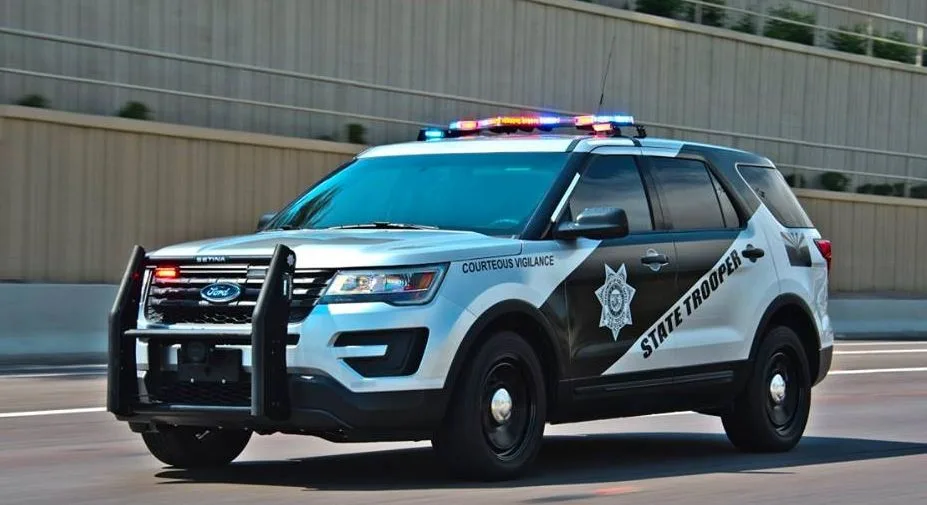
If you drive a private vehicle in Arizona, here's the simple truth. Any blue light visible from the front of your car is illegal. The Arizona blue light prohibition for private vehicles is clear under state law.
You cannot have them. Period.
The statute that covers this is ARS § 28-947. As of 2026, penalties range from a Class 2 misdemeanor to vehicle impoundment. Let's walk through exactly what the law says and how to keep your car street legal.
Quick Answer
Blue lights are strictly reserved for authorized emergency vehicles in Arizona. Private cars, trucks, and SUVs cannot display a blue light visible from the front. This includes strobes, LED bars, and dash lights.
Violations lead to fines, impoundment, or worse.
The Short Answer: Yes, Blue Lights Are Illegal on Private Vehicles in Arizona
Let's get this out of the way right now. If you own a personal vehicle and you've been wondering whether those blue LED strips are okay, the answer is no. The law does not make exceptions for decoration or off-road use.
If a blue light is visible from the front of your vehicle on a public highway, you are breaking the law.
Bing (Web (fair-use with source credit))
This rule applies to every type of private vehicle. Sedans, trucks, SUVs, motorcycles, and RVs. It doesn't matter if the light is factory installed or aftermarket.
It doesn't matter if you never turn it on while driving. The law looks at whether a blue light is present and visible from the front.
Our research shows that many Arizona drivers get confused. They see emergency vehicles with blue lights and assume certain colors are just accessories. They are not.
Arizona treats blue as a reserved color to prevent confusion and keep imposter vehicles off the road.
If you bought a used car with blue lights already installed, remove them before you drive on any public road. Do not assume the previous owner knew the law. Check your car today.
What Arizona Law Actually Says About Blue Lights (ARS § 28-947)
The specific law you need to know is Arizona Revised Statutes Section 28-947. It is short and direct. Here is what it says in plain English.
No person shall operate a vehicle on a highway with a blue light visible from the front. The only exceptions are authorized emergency vehicles. That means police cars, fire trucks, and ambulances.
Volunteer firefighters have a limited exception with strict conditions.
Bing (Web (fair-use with source credit))
The law does not specify a particular shade or brightness of blue. If it looks blue to the human eye, it counts. That includes deep blues, royal blues, and purple tones that appear blue from a distance.
Officers have discretion here.
Here is what the law covers:
- Any blue light mounted on the exterior (grill, roof, bumper, side mirrors)
- Any blue light visible through the windshield (dash lights, rearview mirror mounts)
- Blue lighting strips inside the cabin if they shine forward through the glass
- Blue underglow or underbody lighting visible from the front
The statute references ARS § 28-624 for the definition of an authorized emergency vehicle. That section lists police vehicles, fire department vehicles, and ambulances operated by licensed services. Private security companies, tow trucks, and personal vehicles do not qualify.
You can check the full text on the Arizona State Legislature's official site. But the summary is simple. Keep blue off the front of your car.
Who Can Legally Use Blue Lights and Who Absolutely Cannot
Let's be crystal clear about who gets a pass. This is where most of the confusion happens.
Authorized emergency vehicles only. That means law enforcement, fire department apparatus, and licensed ambulance services. These vehicles are specifically equipped and regulated under state law.
Volunteer firefighters have a limited exception. The light must be mounted on the dashboard or center of the roof. It can only be used when responding to an emergency call. The volunteer must carry proper identification.
The light does not grant any special driving privileges.
Who cannot use blue lights:
- Private citizens in personal vehicles
- Security guards or private patrol vehicles
- Tow truck operators
- Construction or utility vehicles
- Off-road vehicles on public roads
- Company fleet vehicles not operated by law enforcement
We have seen cases where drivers argue their blue light is for show or car meets. That does not hold up in court. Arizona law does not recognize a decoration exception.
For more on keeping your vehicle compliant, check out our guide on manual cleaning equipment used in car wash for proper maintenance after removing illegal lights.
The Real Risks: Fines, Impoundment, and Worse
Getting cited for blue lights is not a small ticket. The consequences stack up fast.
Criminal penalties. A violation of ARS § 28-947 is a Class 2 misdemeanor. That is a criminal offense, not just a traffic infraction. Fines can reach up to $750 plus surcharges and court costs.
Most first-time offenders see fines around $300 to $500.
Vehicle impoundment. If an officer determines your lighting setup is severe enough, they can impound your vehicle on the spot. Impound fees in Arizona range from $150 to $300 for the tow plus daily storage. Getting your car back can cost $500 or more.
Criminal impersonation charges. Using blue lights to pull someone over or get them to move can lead to charges under ARS § 13-2411. That is impersonating a peace officer, a Class 6 felony. Felony charges mean potential jail time and a permanent criminal record.
Insurance consequences. A misdemeanor conviction for unauthorized emergency equipment can raise your rates significantly. Some insurers may drop you. Our research indicates that a single violation can increase premiums by 20% to 40% for three to five years.
Your driving record. A Class 2 misdemeanor appears on background checks. If you drive for work or have a commercial license, this can cause problems.
| Penalty Type | Estimated Cost |
|---|---|
| Base fine (Class 2 misdemeanor) | Up to $750 |
| Court surcharges and fees | $50 to $150 |
| Vehicle impound (tow plus storage) | $300 to $600 |
| Insurance increase (annual) | $200 to $800 |
| Total first-year impact | $550 to $2,300 |
That is a lot of money for what feels like a harmless accessory. Remove any blue lights before you get stopped.
Common Lighting Traps That Get Arizona Drivers Cited
After reviewing Arizona traffic law cases and speaking with law enforcement sources, we found recurring patterns. Here are the most common ways drivers run into this law.
Aftermarket LED underglow. Drivers install blue LED strips under their car for a cool look. Many assume that because the lights point down at the ground, they don't count. That is wrong.
If any blue light is reflected or visible from the front, it is a violation.
Interior dash lights. A small blue LED strip across the dashboard can be visible through the windshield. Officers on patrol can see this from a distance, especially at night.
DIY strobe kits sold online. Some websites market them as off-road use only. But if you drive on public roads with them installed, Arizona law applies. The off-road only label does not protect you on the highway.
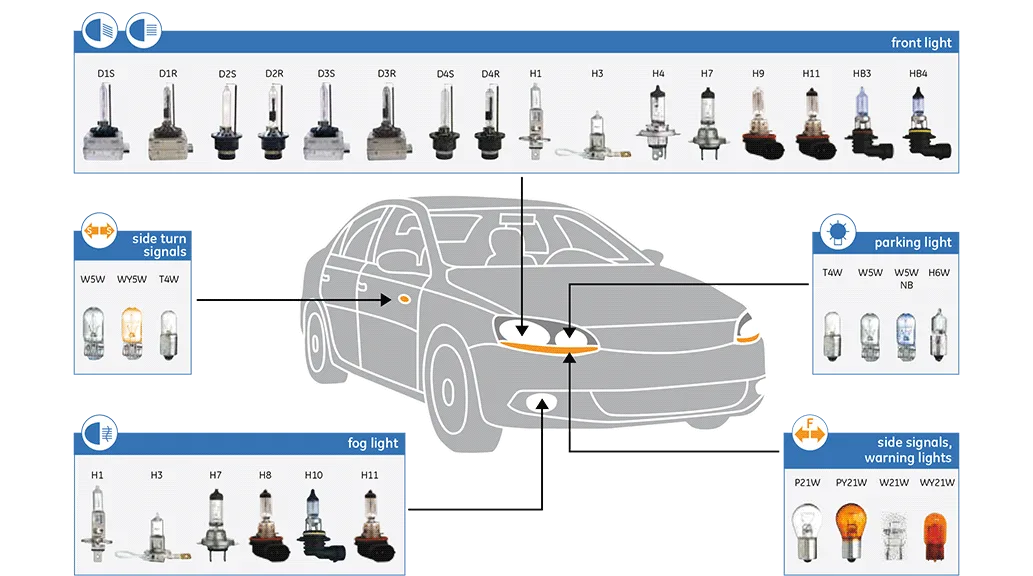
Blue fog lights or headlight housings. Aftermarket bulbs with color temperatures of 8000K or 12000K often appear blue. Officers can and do cite drivers for these bulbs.
Show cars and classic police car replicas. If you own a restored police cruiser with blue lights, you cannot drive it on public roads with those lights installed. Transport it on a trailer or remove the lights.
Roof-mounted LED light bars. A blue light bar on the roof of a truck is an obvious violation. Covering it with a plastic cap does not solve the problem. The light is still present.
The safest approach is simple. If it is blue and it faces forward, remove it. Do not rely on technicalities or I-did-not-know defenses.
What Colors You CAN Use on Your Private Vehicle
Just because blue is off limits does not mean you are stuck with factory headlights. Arizona law gives you plenty of legal options.
Bing (Web (fair-use with source credit))
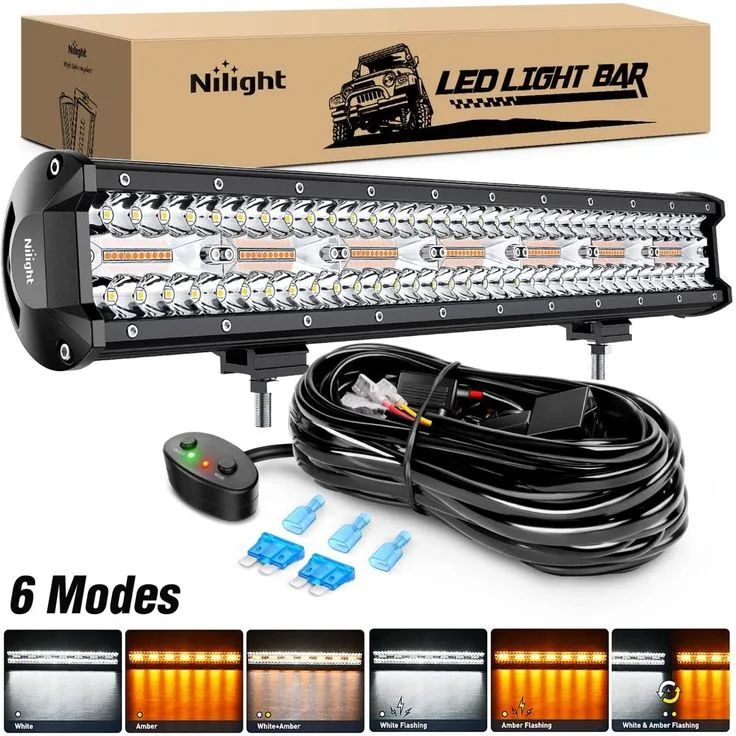
White auxiliary lights are generally fine. Fog lights, driving lights, and LED light bars in white are legal as long as they follow federal motor vehicle safety standards. You cannot have more than four front-facing lights illuminated at once on a public road.
Amber and yellow are your best friend. Arizona law permits amber or yellow auxiliary lights on private vehicles. This is the color you see on tow trucks and construction vehicles. If you want extra visibility for safety, amber is a smart legal choice.
Red has its own restrictions. Red lights facing forward are generally illegal for private vehicles. Red is reserved for emergency vehicles and rear brake lights.
Green, purple, and other colors are risky. Arizona law specifically restricts blue and red from the front. Other colors are not explicitly banned under ARS § 28-947. But officers can cite you under other statutes if your lights are distracting or confusing.
Stick with white and amber.
| Color | Legal on Front? | Best Use |
|---|---|---|
| White | Yes | Fog lights, driving lights, off-road bars |
| Amber or Yellow | Yes | Hazard warning, fog lights |
| Blue | No | Emergency vehicles only |
| Red | No (front) | Rear brake lights and emergency vehicles |
| Green or Purple | Risky | Not recommended for front-facing use |
Volunteer Firefighter Exceptions: What's Actually Allowed
This is one of the most misunderstood parts of Arizona's blue light law. Volunteer firefighters can use a blue light. But the rules are strict.
A volunteer firefighter must meet specific conditions. The light must be mounted on the dashboard or center of the roof. It can only be used when responding to an emergency call. The volunteer must carry a valid identification card.
The blue light does not grant any special driving privileges.
No exemption from traffic laws. A blue light on a volunteer's personal vehicle does not let them speed or run red lights. They still have to follow every traffic law. The light is simply a warning to other drivers.
Not all volunteers qualify. Some fire districts require specific training before a volunteer can install a blue light. Check with your department chief first. Operating without authorization is still a violation of ARS § 28-947.
For more on keeping your vehicle in proper condition, see our guide on preparing for touchless washing after removing lighting equipment.
Aftermarket LEDs, Interior Lights, and Off-Road Grey Areas
This is where most drivers get confused. Aftermarket lighting is popular in Arizona, especially for off-road trucks. But the law draws a hard line between off-road use and street driving.
Bing (Web (fair-use with source credit))
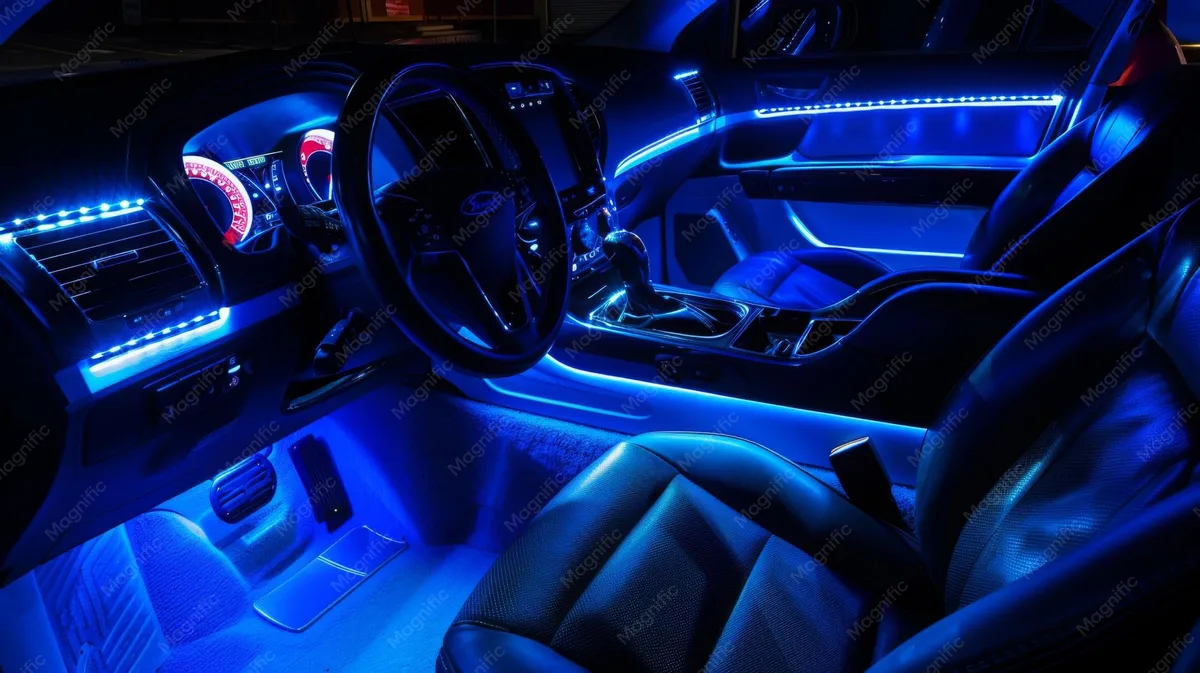
Interior blue lights are tricky. If you have blue LED strips inside your car, they might be legal if not visible from the front. But officers can see interior lights through your windshield at night. If a blue glow casts forward, you are violating the law.
Off-road lighting must be covered. If you have a blue LED light bar mounted for desert night driving, cover it when driving on public roads. A simple plastic lens cover or fabric wrap works. The cover must be opaque enough that no blue light is visible.
Underbody lighting kits are high risk. Blue underglow is popular at car shows. But driving with it on public roads is illegal. Even if the lights point down, the reflection and visibility from the front make you a target for citations.
The off-road only label is not a shield. Many aftermarket lights are sold with a disclaimer that says for off-road use only. That label has no legal standing on public roads. If an officer sees a blue light, the label won't help you in court.
If you are thinking about modifying your vehicle's lighting, check out our article on making your own car wash soap for safe DIY practices that won't attract legal trouble.
What to Do If You Get Pulled Over for Blue Lights
Getting stopped for a blue light violation can be stressful. Here is how to handle it safely.
Pull over safely and turn off your engine. Keep your hands visible on the steering wheel. Tell the officer you understand why you were stopped. Do not argue.
Admit the issue and ask for guidance. A simple statement like "I was not aware that light was illegal. I will remove it today" goes a long way. Officers have discretion on citations versus warnings.
Cooperation improves your odds.
Do not try to hide or disable the light. If you have a switch for your blue lights, do not reach for it during the stop. That movement can be misinterpreted. Leave the lights as they are until the officer addresses them.
If you receive a citation, read it carefully. The citation will list the specific statute. Take a photo of the light for your records. If you plan to fight the ticket, remove the light before your court date.
Consider traffic school or diversion. Some Arizona courts offer diversion programs for first-time misdemeanor offenders. Completing the program can keep the conviction off your record. Ask the court clerk.
For more on vehicle care after legal modifications, check our guide on washing a car with ceramic coating using a pressure washer.
Final Verdict: Keep Blue Off the Road
The Arizona blue light prohibition is straightforward. If you drive a private vehicle on a public highway, blue lights visible from the front are illegal. Full stop.
Do a quick light check today. Walk around your car and look at every light visible from the front. Headlights, fog lights, accent strips, underglow, dash lights, and light bars. If any are blue, remove or cover them before your next drive.
Stick with white and amber for auxiliary lighting. Both colors are legal, practical, and widely available. If you want extra visibility for safety, amber is a great choice that won't attract unwanted attention.
When in doubt, leave it out. If you are unsure whether a light is legal, do not install it. The cost of a misdemeanor citation, impound fees, and insurance increases is far higher than the price of any light kit.
Keep your car legal. Keep yourself safe. Keep blue where it belongs: on emergency vehicles only.
Frequently Asked Questions
Can I have blue interior lights in my car in Arizona?
Yes, but only if they are not visible from the front. If an officer can see a blue glow through your windshield at night, you can be cited. Keep interior blue lights dim and positioned so they do not shine forward.
Are blue headlights illegal in Arizona?
Factory HID and LED headlights with a slight blue tint are legal. Aftermarket bulbs with a color temperature above 6000K that appear distinctly blue can get you cited. Replace them with legal bulbs if they look blue instead of white.
Can I use blue lights for off-road driving in Arizona?
Yes, on private land or designated off-road areas. But you must cover or remove them before driving on any public road. The off-road only label does not protect you on pavement.
What happens if I get caught with blue lights in Arizona?
You face a Class 2 misdemeanor with fines up to $750 plus court costs. Your vehicle may be impounded. In severe cases involving impersonation, you could face felony charges.
Insurance rates typically increase after a conviction.
Do volunteer firefighters get an exception for blue lights?
Yes, with strict conditions. The light must be mounted on the dashboard or roof center. It can only be used during emergency response.
The volunteer must carry proper identification. No special driving privileges come with the light.
Can I have blue lights on my car if I never turn them on?
No. The law prohibits having a blue light visible from the front, regardless of whether it is turned on. If the light is installed and visible, you can be cited.
Remove it entirely to stay safe.
For more Arizona vehicle care and compliance tips, visit our blog for regular updates.