Arizona window tinting legal darkness limits trip up more drivers than just about any other car modification law in the state. The rules change depending on what kind of vehicle you drive and which window you are tinting. One wrong guess and you are paying for a ticket plus removal costs.
As of 2026, Arizona Revised Statute 28-959.01 sets the specific VLT percentages you need to know. A VLT of 33% is the magic number for front side windows on sedans. SUVs and trucks get different treatment.
Let us break down the rules so you can make the right call for your car.
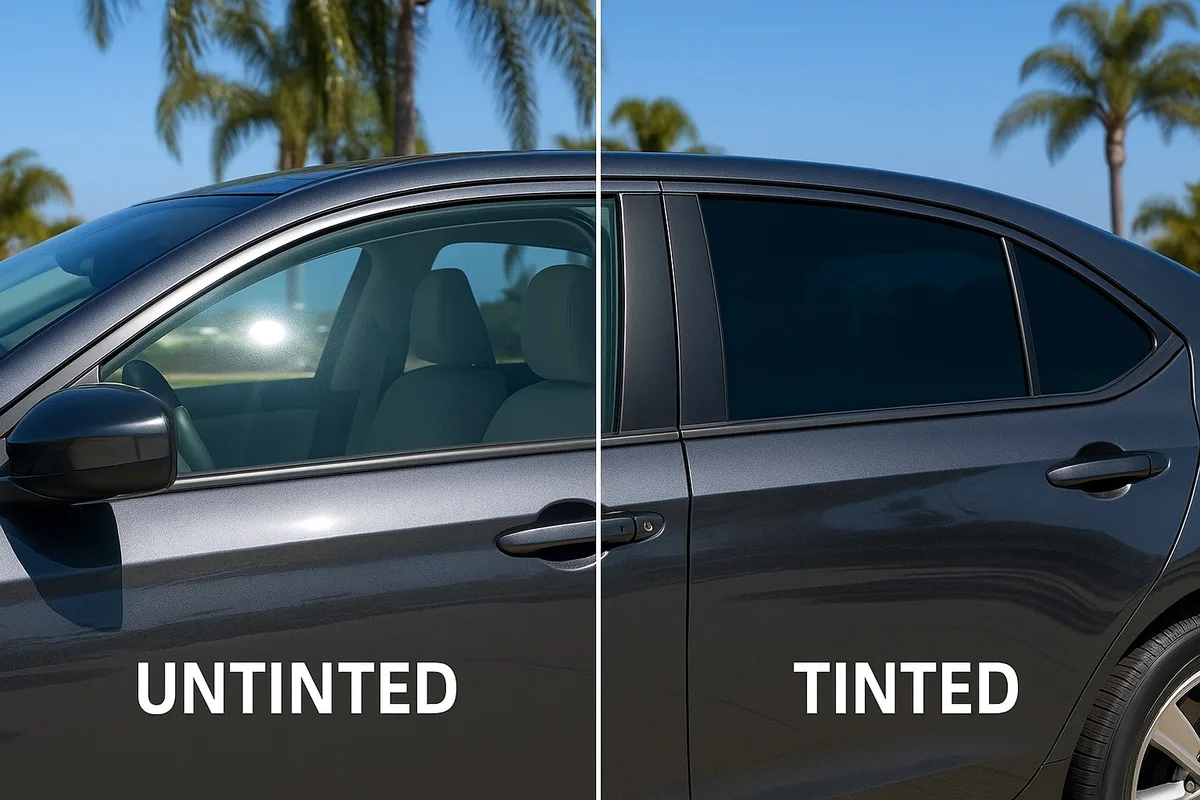
Problem / Pain Point: Why Getting Arizona Tint Wrong Costs You
If a police officer stops you for illegal tint, you are looking at a civil traffic violation. The fine alone runs around $100 to $250 for a first offense. The real sting comes next.
The court will order you to remove the illegal tint. Professional removal costs another $50 to $150 depending on your shop. Some drivers try to peel it themselves and end up with sticky residue and damaged rear defroster lines.
That turns a cheap fix into an expensive repair.
An illegal tint citation can show up on your driving record. Insurance companies see that. Your rates might creep up at renewal time.
The fix-it ticket also comes with a compliance deadline. Miss it and the fines double. The court can suspend your registration until you prove the tint is gone.
For more on keeping your vehicle in compliance, our blog has resources on Arizona-specific car ownership topics.
Quick Answer: The Legal VLT Limits at a Glance
Arizona law separates vehicles into two groups. Sedans face stricter front window limits. SUVs, trucks, and vans get more flexibility on rear windows.
| Window Position | Sedan | SUV / Truck / Van |
|---|---|---|
| Front side windows | 33% VLT minimum | 33% VLT minimum |
| Rear side windows | Any darkness | Any darkness |
| Rear window | Any darkness (with mirrors) | Any darkness (with mirrors) |
| Windshield strip | Non-reflective above AS-1 line | Non-reflective above AS-1 line |
33% VLT is the minimum for front side windows on every passenger vehicle in Arizona. That includes sedans, SUVs, trucks, and vans. No exceptions unless you have a medical exemption.
Any darkness applies to rear side windows and the rear window. But there is a catch. If your rear window is tinted below 35% VLT, you need dual side mirrors.
Non-reflective tint only above the AS-1 line on the windshield. No mirror finishes. No metallic films that bounce light into oncoming traffic.
The First Fork in the Road: Sedan vs. SUV / Truck / Van
This is where most people get confused. They assume one set of rules covers every vehicle. It does not.
Arizona law uses the federal definition from the National Highway Traffic Safety Administration. Sedans, coupes, and convertibles are passenger cars. SUVs, pickup trucks, vans, and minivans are multipurpose passenger vehicles.
The law treats them differently for rear window tint.
If you drive a sedan, both front and rear side windows have the same 33% VLT minimum. You cannot go darker on the front. You can go any darkness on the rear, but the law still limits the front.
If you drive an SUV, truck, or van, the front side windows still need 33% VLT minimum. But the rear side windows and rear window have no darkness limit at all. You can go as dark as you want back there.
An SUV owner can tint the rear passenger windows to 5% VLT legally. A sedan owner cannot.
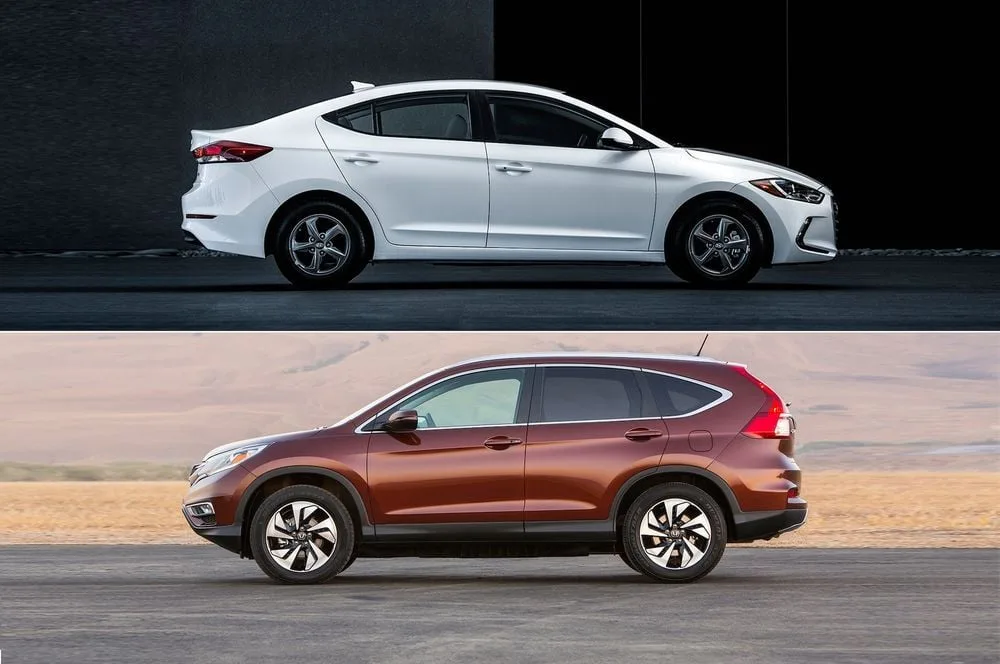
Check your vehicle title or registration if you are unsure how Arizona classifies your car. A four-door sedan is a passenger car. A Jeep Wrangler is an SUV.
A Ford F-150 is a truck.
Decision Branch 1: Front Side Windows – The Strictest Rules
Front side windows are where Arizona draws the hardest line. The law sets a minimum VLT of 33%. You cannot go darker.
VLT stands for Visible Light Transmission. It measures how much light passes through the glass. Lower numbers mean darker tint.
A 33% VLT film lets about one-third of visible light through. At night, that is still enough to see pedestrians, cyclists, and road hazards.
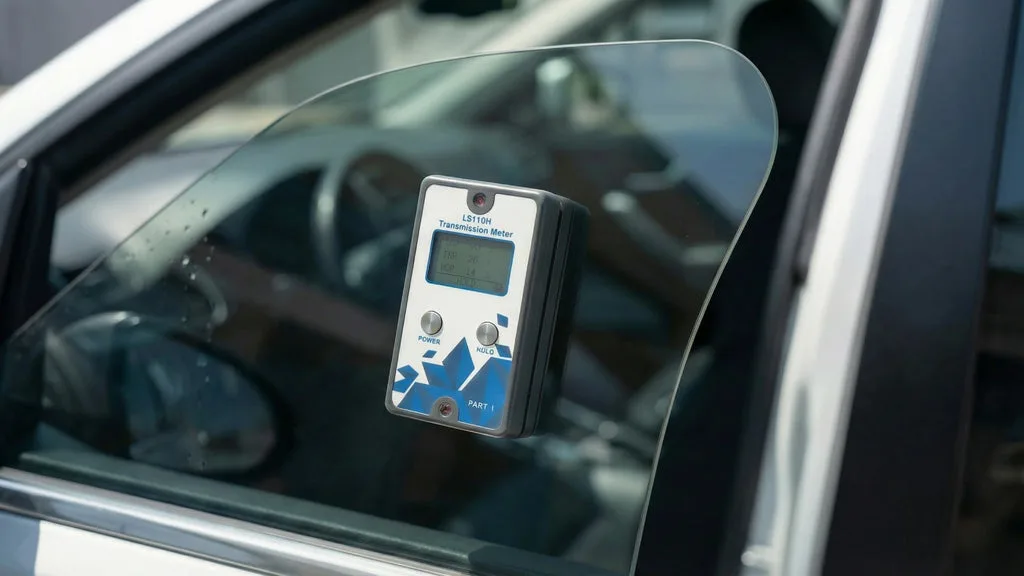
Police officers in Arizona carry handheld tint meters. They can test your windows during a traffic stop. If the meter reads below 33%, you get a citation.
No warnings.
Some drivers think factory tint gives them a buffer on top of aftermarket film. That is wrong. The law measures total VLT through the glass plus the film.
Arizona counts the combined light transmission, not just the film percentage.
Say your car came from the factory with glass that transmits about 80% VLT. You add a 50% VLT film. The combined result is roughly 40% VLT.
That passes. But if the factory glass is darker, say 70% VLT, and you add a 40% film, the combined VLT drops to around 28%. That fails.
Professional tint shops in Phoenix and Tucson use light meters to verify the final VLT before you leave. A reputable installer will not put illegal tint on your front windows.
Reflectivity also matters. Arizona limits how much your tint can reflect light. The maximum is 33% reflectivity on all windows.
Metallic films tend to be more reflective. Ceramic films are less reflective and perform better in the heat anyway.
If you live in Phoenix where summer temperatures hit 115°F, a quality ceramic tint with 33% VLT blocks most UV radiation and reduces cabin heat. You do not need darker tint to stay cool.
Decision Branch 2: Rear Side Windows – Where It Gets Easier
The rear side windows are where the rules split between sedans and everything else.
If you drive a sedan, the rear side windows must also meet the 33% VLT minimum. The same limit applies to front and rear. You cannot go darker on the back doors of a sedan than you can on the front doors.
If you drive an SUV, truck, or van, the rear side windows have no VLT restriction. You can choose any darkness level. Many owners go with 5% or 20% limo tint for maximum privacy and heat rejection.
Why does the law make this distinction. The reasoning comes down to visibility and safety. SUVs and trucks already have larger blind spots.
The law compensates by requiring dual side mirrors if the rear window is heavily tinted. But the rear passenger windows are unrestricted.
| Vehicle Type | Rear Side Window VLT |
|---|---|
| Sedan | 33% minimum |
| Coupe | 33% minimum |
| Convertible | 33% minimum |
| SUV | Any darkness allowed |
| Pickup truck | Any darkness allowed |
| Minivan / van | Any darkness allowed |
For sedan owners, this means limited options for rear passenger privacy. The same 33% film goes on all side windows. Some drivers choose to leave the rear windows untinted for a balanced look.
For SUV and truck owners, the rear is wide open. You can install a 5% VLT film on the rear passenger windows and the rear cargo area. This gives maximum privacy for passengers, cargo, and children in car seats.
Consider a 20% VLT for the rear rather than 5% if you drive at night often. Very dark tint reduces visibility when backing up or changing lanes.
If you need safe cleaning products for your tinted windows, our article on pre car wash spray covers solutions that won't damage film adhesives.
Decision Branch 3: Rear Window – The Mirror Rule
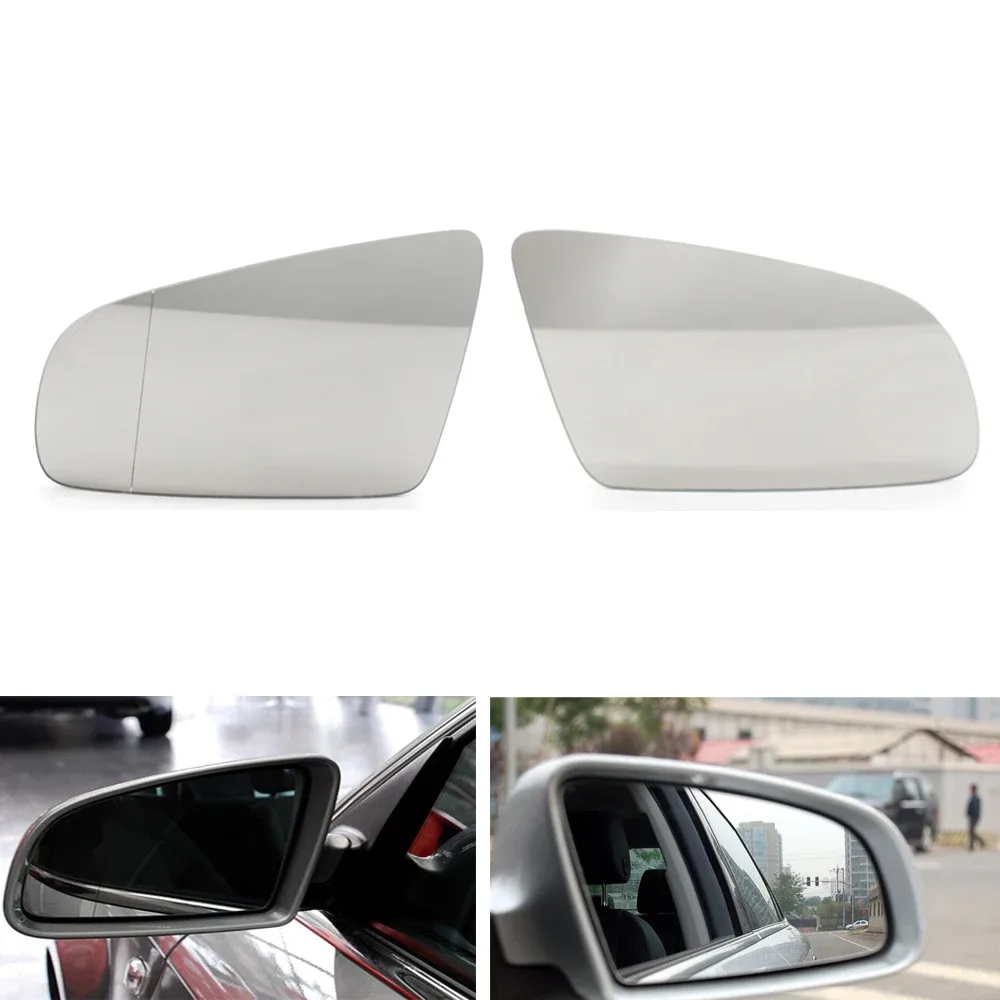
If you tint the rear window darker than 35% VLT, you must have dual side mirrors. That means mirrors on both the driver and passenger doors. The factory mirrors count.
This rule exists for a reason. Dark rear tint blocks your view through the rearview mirror. The side mirrors give you the visibility you lose.
| Rear Window VLT | Side Mirror Requirement |
|---|---|
| 35% or higher (lighter) | No additional mirrors needed |
| Below 35% (darker) | Dual side mirrors required |
Most cars on Arizona roads already have dual side mirrors. But some older trucks and work vans came with only a driver-side mirror. If your vehicle falls into that group, you cannot darken the rear window past 35% without adding a passenger mirror.
SUV and minivan owners should pay close attention. Large vehicles with dark rear tint are common targets for police stops. An officer may pull you over specifically to check whether your side mirrors comply.
The mirror rule applies independently of your vehicle's backup camera. Camera systems are a safety feature, but Arizona law has not updated to recognize them as a substitute for mirrors.
The Windshield Strip: How Much Is Allowed Above the AS-1 Line
Arizona allows tint on the windshield. But only in a narrow strip at the top.
That strip cannot go below the AS-1 line. The AS-1 line is a small marking etched into the windshield glass by the manufacturer. It sits a few inches down from the top edge.
If your car does not have an AS-1 line, the law limits the strip to six inches from the top of the windshield.
Only non-reflective tint is allowed in that strip. Glossy, mirror-finish, or metallic films are illegal on the windshield. The state wants to prevent glare that blinds oncoming drivers.
You can install a sun strip that blocks UV and glare across the top of the windshield. Many drivers choose 5% or 20% VLT for that strip. It cuts the sun's angle during Arizona's long summer afternoons.
You cannot extend the tint below the AS-1 line. Full windshield tint is not legal for passenger vehicles in Arizona.
Your tint shop should know the AS-1 line location for your specific vehicle. If they start laying film below it, stop them.
Medical Exemption: How to Legally Go Darker
Some people genuinely need darker tint for medical reasons. Arizona law allows for that.
If you have a medical condition that requires reduced light exposure, you can apply for a medical exemption. The exemption lets you install tint darker than the standard 33% VLT limit on the front side windows.
Eligible conditions include lupus, photosensitivity, skin cancer treatment, glaucoma, and certain eye disorders. Your doctor must certify that darker tint is medically necessary.
First, get a written statement from your physician. It must describe your condition and explain why darker tint is needed. The doctor's letter should include their license number and contact information.
Second, submit that statement to the Arizona Department of Public Safety or the Motor Vehicle Division. Some drivers also carry the documentation in their vehicle at all times. If an officer stops you, the paperwork proves your tint is legal.
Most approved exemptions allow tint down to 20% VLT or even lower. The exact darkness depends on your doctor's recommendation and DPS approval.
The exemption only applies to the front side windows. Rear windows and the windshield strip still follow standard rules.
Be cautious with exemption paperwork. Forged or expired documents will not hold up in court. Our research shows that properly documented exemptions are rarely challenged by Arizona law enforcement.
For more on maintaining your vehicle, our guide on washing a car with ceramic coating pressure washer offers practical tips for protecting your film.
Common Mistakes That Get Arizona Drivers Pulled Over
Most tint violations happen by accident. Drivers do not realize the rules are different for their car.
Mistake one: assuming factory tint gives you a free pass. Your car's factory glass already blocks some light. Adding aftermarket film on top can push the combined VLT below 33%. Always measure the total.
Mistake two: treating a sedan like an SUV. Sedan owners cannot darken rear side windows beyond 33%. SUV owners can. This is the number one reason sedan drivers get cited.
Mistake three: ignoring the mirror rule. You tint the rear window to 5% VLT but forget that your truck only has one side mirror. An officer will spot that from behind.
Mistake four: using reflective film on the windshield. Even a small strip of metallic or mirror-finish tint on the windshield attracts attention.
Mistake five: trusting an out-of-state tint job. If you moved to Arizona from California or Nevada, your current tint might not comply. Neighboring states have different limits.
Mistake six: skipping professional installation. DIY tint kits often produce uneven coverage or bubbling. That draws police attention.
We also see drivers fail to adjust their tint after buying a used car. The previous owner may have installed illegal tint. A certified tint shop can test your windows and tell you where you stand.
What Happens If a Cop Tests Your Tint: Tickets, Fines, and Removal Orders
A police officer does not need a special reason to check your tint. In Arizona, excessively dark tint is a primary offense. An officer can pull you over solely for suspected illegal tint.
The officer holds a handheld tint meter against your window. The meter measures the VLT instantly. If the reading falls below 33% on a front side window, you get a citation.
| Step | What to Expect |
|---|---|
| Stop | Officer explains the tint violation |
| Meter test | Reading is recorded as evidence |
| Citation issued | Civil traffic violation, typically $100 to $250 |
| Removal order | Court gives you a deadline to remove the tint |
| Compliance check | You must prove the tint is gone or replaced |
The citation often includes a removal order. You have a specific number of days, usually 30, to remove the illegal film and show proof. Proof can be a signed statement from a tint shop or a photograph showing the window is clear.
If you ignore the order, the fines increase. The court can suspend your vehicle registration. Driving with a suspended registration is a criminal offense in Arizona.
Some drivers fight the ticket in court. Arizona courts generally accept tint meter readings as reliable evidence. Our research indicates that fewer than one in ten contested tint tickets results in a dismissal.
The better approach is prevention. Get your tint professionally installed. Ask for a VLT measurement certificate.
Keep that certificate in your glove box.
Verified Decision Guide: Your Vehicle Type + Window + Target VLT
Start with your vehicle type. If it is a sedan, all side windows need 33% VLT minimum. If it is an SUV, truck, or van, only the front side windows need 33% VLT.
The rear side windows and rear window have no darkness limit.
Check your rear window. If it goes below 35% VLT, confirm you have dual side mirrors. If you do not, stop at 35% or add the missing mirror.
Check the windshield strip. Keep it above the AS-1 line or within six inches of the top. Use non-reflective film only.
If you have a medical need for darker front tint, get your doctor's certification before installation. Carry that paperwork in your vehicle.
For more on caring for your car after a fresh tint job, our article on car shampoo for ppf covers products that are safe for treated surfaces.
Frequently Asked Questions
What VLT is legal in Arizona for front windows?
Thirty-three percent VLT is the minimum for front side windows on all passenger vehicles. That includes sedans, SUVs, trucks, and vans. No exceptions without a medical exemption.
Can I tint my rear windows darker than my front windows in Arizona?
It depends on your vehicle. SUV, truck, and van owners can go any darkness on rear windows. Sedan owners must keep all side windows at 33% VLT minimum.
Do I need a doctors note for tint in Arizona?
Only if you need darker tint than the standard 33% limit. A medical exemption requires a written statement from your physician. Submit the documentation to the Arizona DPS or MVD.
What happens if I get pulled over for illegal tint in Arizona?
You face a civil traffic violation with fines of $100 to $250. The court will order removal within 30 days. Failure to comply can lead to suspended registration and higher penalties.
Does Arizona allow tint on the windshield?
Yes, but only in a strip above the AS-1 line or within six inches of the top. The film must be non-reflective. Full windshield tint is not legal for passenger vehicles.
Can I use reflective or mirror tint in Arizona?
No. Arizona limits reflectivity to 33% maximum on all windows. Metallic and mirror-finish films are illegal on the windshield and front side windows.