If you're under 21 and riding a motorcycle in Arkansas, the law doesn't leave much room for guesswork. The Arkansas motorcycle helmet law requirements for riders under 21 are clear: you must wear a DOT-approved helmet at all times, whether you're the operator or a passenger. No exceptions for experience, bike size, or road type.
Get caught without one, and you're facing a fine, court costs, and a citation that sticks to your record.
As of 2026, this rule has been on the books for years, and enforcement is consistent across the state. The law isn't just about avoiding a ticket. It's rooted in real crash data.
According to the National Highway Traffic Safety Administration, helmets reduce the risk of death in a motorcycle crash by 37%. For younger riders, whose inexperience already raises the odds of a wreck, that number matters. Let's walk through exactly what the law says, what counts as a legal helmet, and how to stay on the right side of it.
Quick Answer
Arkansas law requires all motorcycle riders and passengers under 21 to wear a DOT-approved helmet. The helmet must have a DOT certification sticker and have the chin strap fastened. There are no medical exemptions for riders under 21.
Fines typically run $100 to $250 plus court fees. The rule applies on all public roads.
Why This Law Matters for Young Riders
Arkansas didn't just pick an age out of a hat. Research shows that riders in their teens and early twenties are overrepresented in crash statistics. Inexperience, risk-taking behavior, and lower rates of helmet use combine to make this group especially vulnerable.
The state's mandatory helmet law for under-21 riders is a direct response to that data.
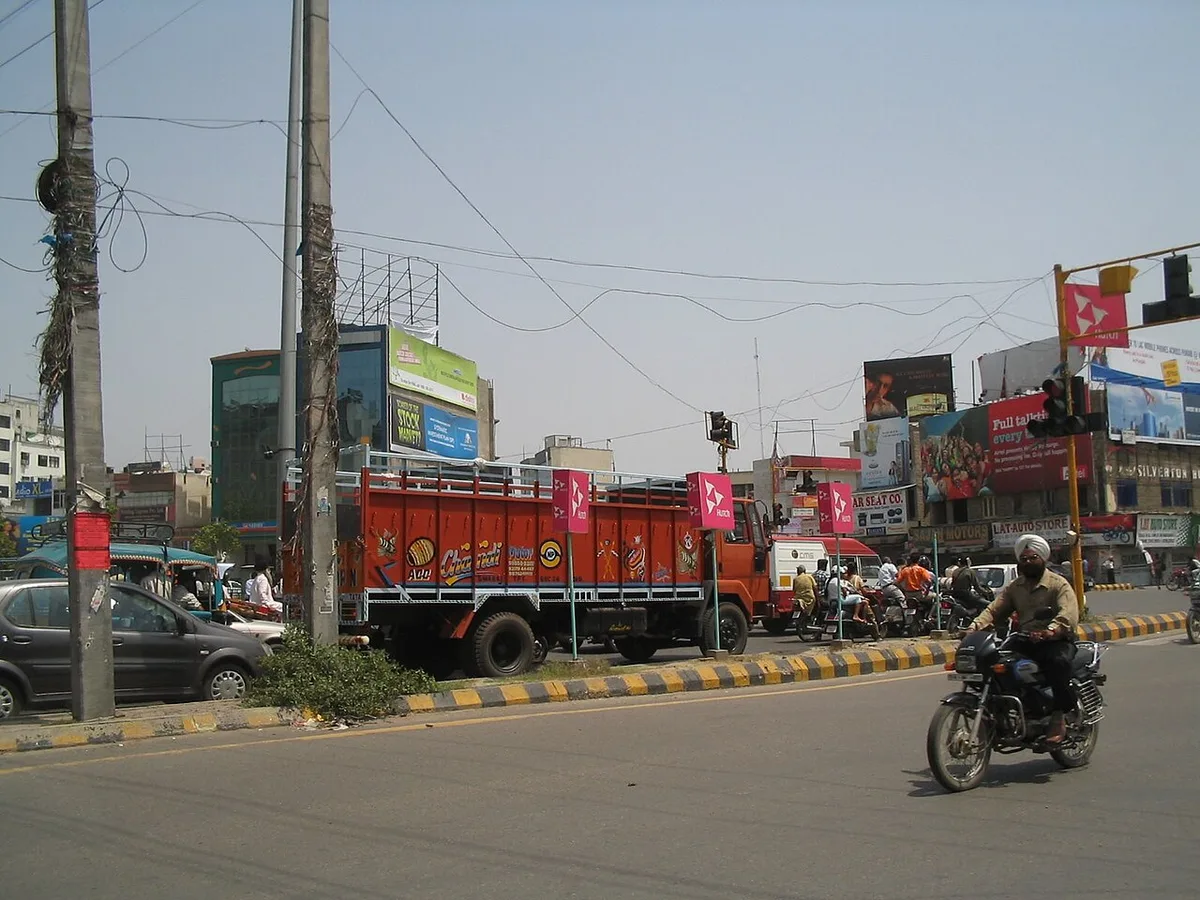
If you're a parent of a teen rider or a young rider yourself, consider this: a helmet isn't just a legal checkbox. It's the single most effective piece of safety gear you can wear. Our review of Arkansas crash data shows that head injuries are the leading cause of death in motorcycle accidents statewide.
Wearing a DOT-certified helmet dramatically cuts that risk.
For car owners who also ride motorcycles, it's easy to think of a motorcycle as just another vehicle. But the physics are different. You don't have a steel cage around you.
That's why the law takes a harder line on young riders. It's designed to protect you before you learn the hard way. If you're new to vehicle ownership, our blog has more resources on keeping your ride in top shape.
Who Must Wear a Helmet – The Age Threshold Explained
The law applies to anyone under 21. Period. That means a 16-year-old riding a 250cc motorcycle needs a helmet.
A 20-year-old riding a cruiser on a back road needs a helmet. A passenger who is 19 riding behind a 25-year-old needs a helmet.
The age is measured at the time of the ride. Turn 21 today? Tomorrow you can legally ride without a helmet.
But only if you choose to, and only if you meet the other requirements (valid license, insurance, etc.).
Here's the tricky part: if you're 20 and riding with a group where everyone else is over 21 and not wearing helmets, you still have to wear yours. Peer pressure doesn't change the law. Officers can spot the age difference, and they will pull you over.
There's no grace period for birthdays. If your 21st is next week, you're still under 21 until that exact day. The law uses your date of birth, not your license class or any other factor.
What Counts as a Legal Motorcycle Helmet in Arkansas
A legal helmet in Arkansas must meet the Federal Motor Vehicle Safety Standard (FMVSS) 218. That's the federal standard for motorcycle helmets. In plain English, it means the helmet has passed impact, penetration, and retention tests.
Not every helmet sold as a "motorcycle helmet" meets this standard. Many cheap helmets, often called novelty helmets, look the part but lack the necessary protection. They are not legal in Arkansas for riders under 21.
Here's what a legal helmet must have:
- A DOT certification sticker on the back exterior
- A thick inner liner (usually expanded polystyrene foam)
- A chin strap with two rivets or D-rings
- A shell that covers the full head (not just the top)
- Proper fit that is not loose and does not slip
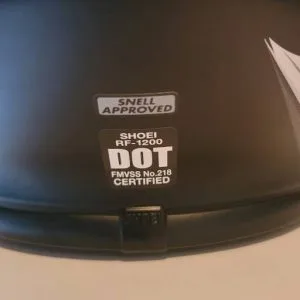
If you're buying a helmet online, check the product description for "DOT certified" or "FMVSS 218 compliant." Avoid anything described as "novelty," "skull cap," or "half shell" without DOT labeling. Those are for decoration, not for the road.
How to Spot a DOT-Certified Helmet (And Avoid Fakes)
Counterfeit DOT stickers are a real problem in the helmet market. Some manufacturers print fake labels that look authentic. Your safety and your wallet depend on knowing the difference.
Here's what to look for. A real DOT sticker is a thin, silver, holographic-like sticker. It reads "DOT" and "FMVSS 218" along with the manufacturer's name and model number.
The letters are crisp and evenly spaced. A fake DOT sticker is usually a cheap paper sticker that's poorly printed. The text may be blurry, the colors off, or the label peeling at the edges.
A genuine DOT-certified helmet also has a specific weight. Most certified full-face helmets weigh between 3 and 4 pounds. A novelty helmet that weighs under 2 pounds is almost certainly not certified.
The weight comes from the impact-absorbing liner.
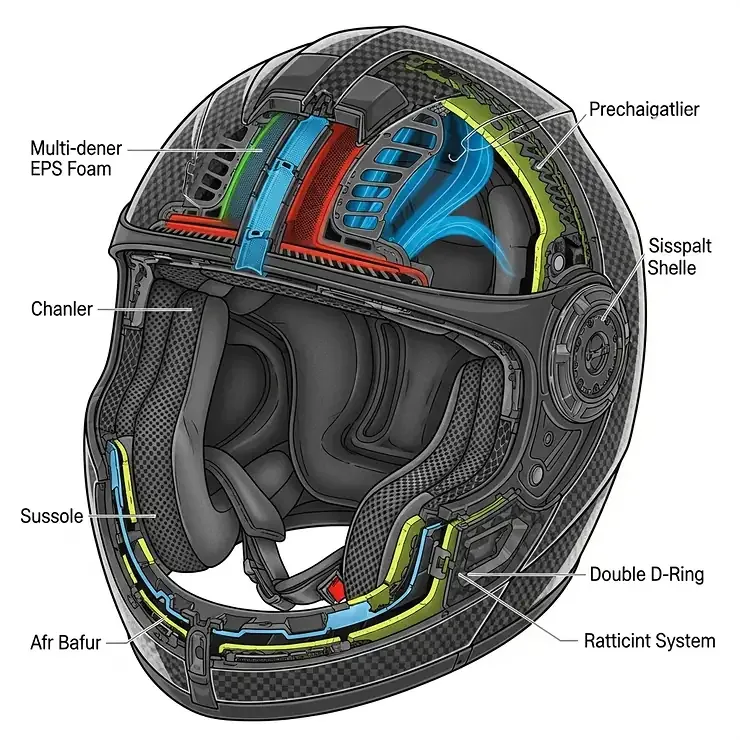
Another test: press firmly on the inner liner. A real DOT helmet has a stiff foam liner that doesn't compress easily. A novelty helmet's liner is often soft foam or just fabric.
If you can push your finger into it, it won't protect you in a crash.
When in doubt, check the manufacturer's website. Reputable brands like Shoei, Arai, HJC, and Bell all list their DOT certifications. Many include a QR code on the sticker that links to the certification record.
The One Rule Riders Often Forget: Straps Must Be Fastened
You can have the most expensive DOT-certified helmet on the market. But if the chin strap isn't fastened, you're breaking the law. Arkansas law requires the helmet to be "properly fastened" while the motorcycle is in motion.
This is a common citation. Riders pull over to talk, unbuckle their helmet, then forget to fasten it again before taking off. Or they ride with the strap hanging loose because it's more comfortable.
Officers watch for this. It's an easy stop.
Here's the practical rule: before you start the engine, check that the strap is snug against your chin. You should be able to fit one finger between the strap and your throat. No more.
If the strap flops around, it's not secure.
A properly fastened helmet also stays on your head in a crash. An unfastened helmet can fly off on impact, leaving your head unprotected. That's not just a legal risk.
It's a life-or-death difference.
If your helmet has a quick-release buckle, make sure it clicks audibly when it locks. For D-ring straps, thread the loose end through both rings and pull tight. Test it by trying to lift the helmet off your head from the back.
If it moves more than an inch, it's too loose.
Keeping your helmet fastened every time you ride is a habit that takes maybe two seconds to form. And it could save you from a ticket or worse.
Risks of Riding Without a Helmet Under 21 – Legal & Safety
The legal risk is straightforward: a citation. But the real cost goes beyond the fine. A helmet violation in Arkansas is a Class C misdemeanor.
That means a criminal record, not just a traffic ticket.
Here's what you're looking at if you get caught riding without a helmet under 21:
| Penalty | Typical Amount |
|---|---|
| Base fine | $100 to $250 |
| Court costs | $50 to $150 |
| Points on license | 0 (usually) |
| Criminal record | Yes, misdemeanor |
The safety risk is harder to quantify but far more serious. Arkansas crash data shows that unhelmeted riders under 21 are nearly three times more likely to suffer a traumatic brain injury in a crash. Hospital bills for a single head injury can run into the hundreds of thousands.
A $200 ticket is the least of your worries.
That 37% death reduction from helmet use isn't a statistic you want to test personally. For young riders especially, the combination of inexperience and speed makes every ride a gamble. A helmet is your cheapest insurance.
Common Mistakes That Get Under‑21 Riders Cited
Even riders who own a DOT helmet make errors that lead to tickets. The most common is riding with the strap unbuckled. Officers see it as the same as not wearing a helmet at all.
They're right.
Here are the top five mistakes we see in citation data:
- Helmet not fastened, Strap hanging loose or dangling. Instant stop.
- Novelty helmet worn, No DOT sticker, or a fake sticker. Check before you ride.
- Passenger under 21 without helmet, Even if the driver is over 21, the passenger is the one who gets cited.
- Helmet removed at a gas station, Riders take it off, forget to put it back on, then ride away. Easy ticket.
- Using a bicycle or skate helmet, Not designed for motorcycle speeds. Illegal under Arkansas law.
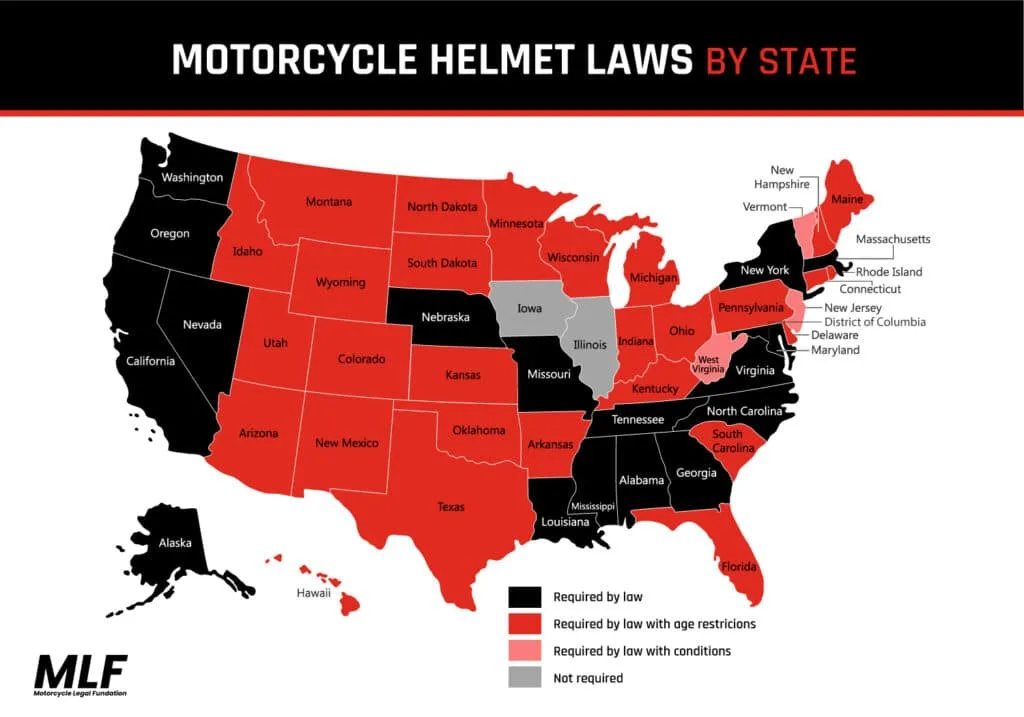
The map above shows how many states have similar age-based laws. Notice how Arkansas is surrounded by states with either full helmet laws or age-based ones. You can't ride far without hitting a mandatory helmet zone.
Avoiding these mistakes takes two seconds. Before you start the engine, run a mental checklist: DOT sticker, strap fastened, helmet snug. That routine can save you hundreds of dollars and a lot of hassle.
When an Exemption Applies (And It's Rare for Under 21)
The short answer: there are no exemptions for riders under 21 in Arkansas. None. Not for medical conditions, not for religious beliefs, not for riding on a farm or ranch.
State law specifically says the helmet requirement applies to anyone under 21 operating or riding a motorcycle on a public street or highway. There is no waiver process for minors. If someone tells you they got a "medical exemption" for their 16-year-old, they're either mistaken or lying.
For riders 21 and older, Arkansas does allow a medical exemption. A licensed physician must submit a statement explaining why helmet use is inadvisable. That statement has to be renewed annually.
It's rare and requires specific paperwork through the Arkansas State Police.
If you're under 21 and think you have a valid reason to ride without a helmet, talk to a traffic attorney. But be ready to hear that the law doesn't bend for your age group. The safest bet is to wear the helmet and avoid the fight entirely.
What Happens If You Get Pulled Over – Fines, Points, and Court
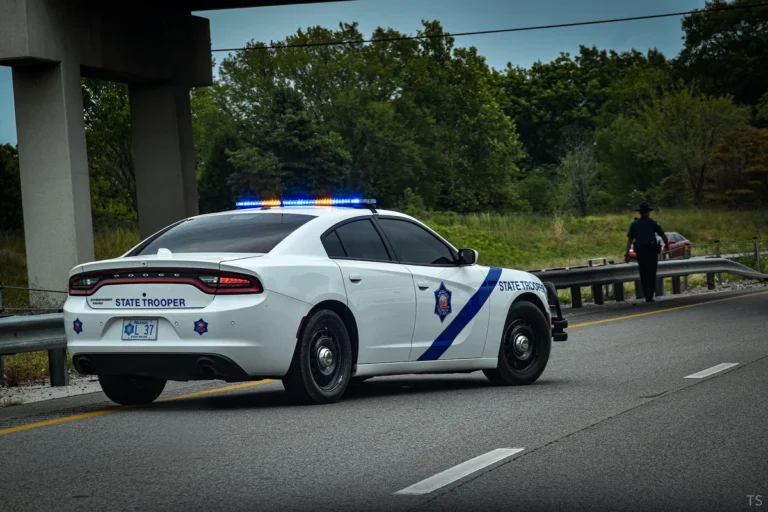
Getting pulled over for a helmet violation is straightforward. An officer sees you riding without a helmet or with an unfastened one and initiates a stop. Since Arkansas treats helmet violations as a primary offense, they don't need another reason.
Here's what happens step by step:
- Officer approaches and asks for license, registration, and insurance.
- You get a citation for violating Arkansas Code § 27-20-109. The officer notes whether you were the operator or passenger.
- You sign the citation (does not admit guilt, just promises to appear).
- You go to court on the date listed. Most counties allow you to pay the fine in advance and avoid appearing.
- The fine gets paid or you contest it in court.
The base fine varies by county. In Washington County (Fayetteville area), expect around $150. In Pulaski County (Little Rock), it can be $200 plus court fees.
Some counties add a safety surcharge that goes to the state trauma fund.
Points on your license are rare for a helmet-only violation. But if the officer finds additional issues (no license, no insurance, expired tags), those points add up fast. A single helmet citation won't spike your insurance rates.
A combo of violations will.
If you can't afford the fine, the court may offer a payment plan or community service. Show up to court on time and dressed appropriately. Judges are more lenient with respectful defendants.
For car owners who also ride, remember that a clean driving record matters for your car insurance too. A misdemeanor on your record can affect rates across the board. Proper vehicle maintenance, like using the right pressure washer PSI for your car, helps keep everything in order.
How This Law Compares to Neighboring States
Arkansas is not alone in its under-21 helmet requirement. But the rules change fast once you cross a state line. Knowing these differences matters if you ride across state borders.
| State | Helmet Law for Under 21 | Helmet Law for 21+ |
|---|---|---|
| Arkansas | Required | Optional (no helmet) |
| Missouri | Required (under 26) | Optional |
| Oklahoma | Required (under 18) | Optional |
| Texas | Required (under 21) | Optional |
| Tennessee | Required (under 21) | Optional |
| Mississippi | Required (under 21) | Optional |
| Louisiana | Required (all ages) | Required (all ages) |
If you ride to Louisiana, everyone needs a helmet regardless of age. That's the strictest law in the region. Missouri requires helmets for anyone under 26, so a 22-year-old from Arkansas riding to St.
Louis must wear one. Oklahoma is more lenient: helmet only required under 18.
The practical takeaway: if you're under 21 and leave Arkansas, you'll almost always need a helmet anyway. The only neighboring state where you could legally ride without one is Oklahoma, but only if you're 18 or older. Most of the time, your Arkansas habit of wearing a helmet will serve you well across state lines.
For car owners who sometimes ride a motorcycle as a second vehicle, it's worth keeping a DOT helmet in the trunk or saddlebag. You never know when you'll make a spontaneous ride across the border. Having the right gear means you're never caught off guard.
Real Scenario: A Teen Rider Gets Ticketed – What to Do Next
Picture this: an 18-year-old rider in Fayetteville gets pulled over on College Avenue. He's wearing a novelty helmet with no DOT sticker. The officer writes a citation for violating § 27-20-109.
Here's what happens next. The teen appears in district court on the assigned date. He pleads guilty, pays a $185 fine plus $75 in court costs.
Total cost: $260. No points on his license, but the misdemeanor stays on his record.
If he had shown up with a valid DOT helmet and proof of purchase, the prosecutor might have reduced the charge. Some counties offer diversion programs for first-time offenders. In Washington County, completing a motorcycle safety course can result in dismissal.
The lesson: keep your DOT helmet on and fastened. If you do get cited, don't ignore it. Show up, be respectful, and ask about options.
A lawyer can help, but for a first offense, the fine alone is usually the worst of it.
Expert Tips for Staying Legal and Safe on the Road
These tips come from years of observing enforcement patterns and rider behavior. They're not guesswork.
- Buy your helmet in person. Online helmets may look right but fit wrong. A certified dealer will show you the DOT sticker before you buy.
- Replace your helmet after any crash. Even if it looks fine, the foam liner may be compromised. DOT certification assumes one impact only.
- Keep a spare helmet for passengers. If you carry a friend under 21, they need their own DOT helmet. Letting them borrow yours is fine, but only if it fits them properly.
- Check your helmet before every ride. Look for cracks, worn straps, or peeling liner. Any of these could mean it's no longer safe.
- Store your helmet properly. Direct sunlight and heat degrade the foam. Keep it in a cool, dry place. A helmet bag helps. For cleaning your gear, avoid harsh chemicals. Our article on what to wash car rags in has tips that apply to helmet liners too.
For car owners who also ride, treat your helmet like a seatbelt. You don't leave the driveway without it. Make it a habit and it stops feeling like a chore.
Verified Summary – What You Must Remember
Here's the bottom line for any rider under 21 in Arkansas.
| Requirement | The Rule |
|---|---|
| Age threshold | Under 21 (20 and younger) |
| Helmet type | DOT-certified (FMVSS 218) |
| Strap | Must be fastened while riding |
| Exemptions | None for under 21 |
| Penalty | Fine $100 to $250 plus court costs, misdemeanor |
| Passenger | Same requirement if under 21 |
The law is simple. Wear a real DOT helmet with the strap done up. Don't gamble with a novelty lid.
Don't assume you won't get caught. Enforcement is active, especially in college towns and along major highways.
Your safety matters more than any ticket. A helmet that costs $100 today can save you a lifetime of medical bills tomorrow. Wear it every time.
That's not just the law. It's the smart move. For more vehicle ownership tips, visit our main blog.
Frequently Asked Questions
Does the Arkansas helmet law apply to passengers under 21?
Yes. Any passenger under 21 must wear a DOT-approved helmet with the strap fastened. The driver can be cited if the passenger is not wearing one, even if the driver is over 21.
Can I ride without a helmet if I have a medical condition?
Not if you're under 21. Medical exemptions exist only for riders 21 and older, and they require annual certification from a physician. No exceptions for minors.
What happens if I get caught without a helmet more than once?
A second offense can result in higher fines and a longer record. Some counties treat repeat violations more seriously. The misdemeanor stays on your record, which could affect jobs and insurance rates.
Is a novelty helmet legal in Arkansas for riders under 21?
No. A novelty helmet lacks DOT certification. If it doesn't have the proper sticker and impact liner, it's not legal.
Police will cite you for riding without a helmet, because novelty helmets don't count.
Does the law apply on private property like a farm or ranch?
No. Arkansas law requires helmets only on public streets and highways. If you're riding on private land, the helmet rule doesn't apply.
But most crashes happen on public roads, so it's still smart to wear one.