If you drive a modified car in Arkansas, there's a good chance you've wondered how loud is too loud before a cop pulls you over. The state's Arkansas muffler and exhaust noise level regulations set a clear limit, but enforcement can feel subjective depending on where you are. That uncertainty is what gets people ticketed, even when they think their setup is legal.
In our research, the key number to remember is 85 decibels under a stationary test at 20 inches from the tailpipe, per Arkansas Code §27-37-603. Factory exhausts stay well below that limit. Aftermarket systems often flirt with it or cross it.
Let's break down exactly what the law says, how cops measure it, and what you can do to stay trouble-free.
Why This Matters: Don't Let a Loud Exhaust Cost You More Than a Ticket
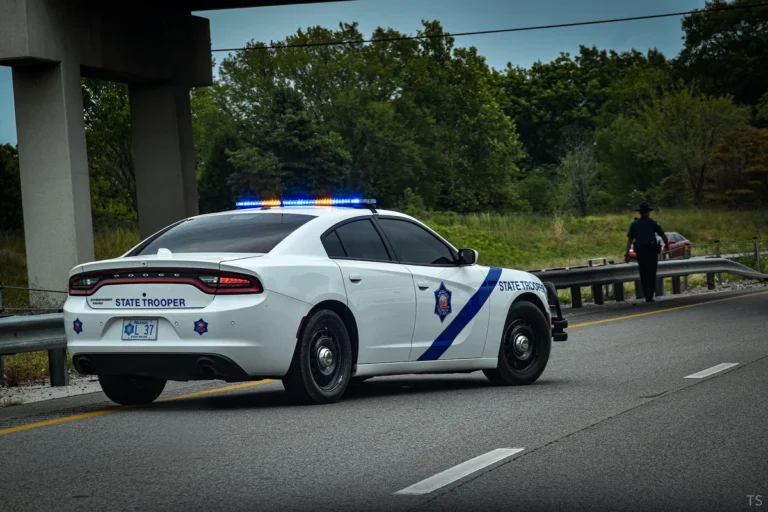
A loud exhaust ticket in Arkansas isn't just a small fine. It can ripple into bigger problems. If you fail a noise check during a traffic stop, you could get a fix-it ticket or a moving violation that adds points to your license.
Some cities treat excessive exhaust noise as a misdemeanor under local ordinances.
Then there's the vehicle inspection angle. Arkansas requires safety inspections in many counties. A modified exhaust that's too loud or bypasses the muffler can fail the inspection.
You'd then need to swap parts or pay a shop to revert your system.
Beyond legal trouble, a loud exhaust can affect your car's resale value. Future buyers might see a modified system as a red flag for hard driving or potential emissions issues. Keeping your car legal protects your wallet from multiple angles.
Quick Answer: What's the Legal Decibel Limit in Arkansas?
The limit is 85 decibels for passenger vehicles. That's measured 20 inches from the tailpipe. The test is done at idle or a low steady RPM under 45 mph.
Local city noise laws can be stricter than the state limit.
Arkansas Law at a Glance: What the Statute Actually Says
Arkansas Code §27-37-603 is the core law. It says every motor vehicle must have a muffler that prevents "excessive or unusual noise." The statute specifically bans muffler cutouts, bypass pipes, and any device that lets exhaust escape without going through the muffler.
Here are the key points from the statute:
- Every vehicle must have a working muffler at all times.
- No person shall modify an exhaust system to make it louder than the original equipment.
- Cutouts and bypasses are illegal on public roads.
- The exhaust must be maintained in good working order with no holes, leaks, or rust-throughs.
The law applies to cars, trucks, motorcycles, and some off-road vehicles if driven on public streets. There's no exception for "off-road only" exhaust systems once you hit pavement.
What About Motorcycles?
Motorcycles are covered under the same statute. Arkansas doesn't give bikes a separate decibel limit, so the 85 dB rule applies. Enforcement for motorcycles is less consistent than for cars, but you can still get a ticket if an officer determines the bike is excessively loud.
Is There a Federal Overlay?
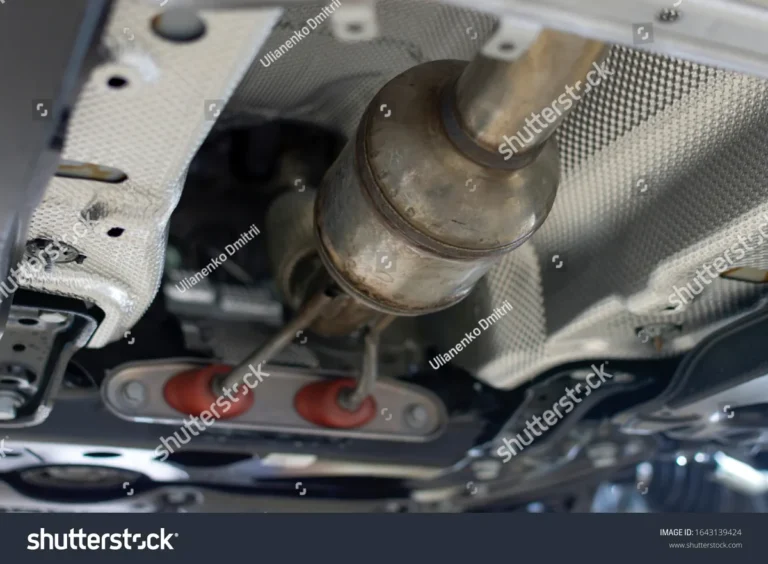
The EPA has tampering rules that make it illegal to remove or disable emissions control devices, including catalytic converters. Arkansas state law focuses on noise, not emissions tampering. You could be legal under state noise law but still violate federal emissions law if you removed the cat.
How Cops Measure Exhaust Noise (and What That Means for You)
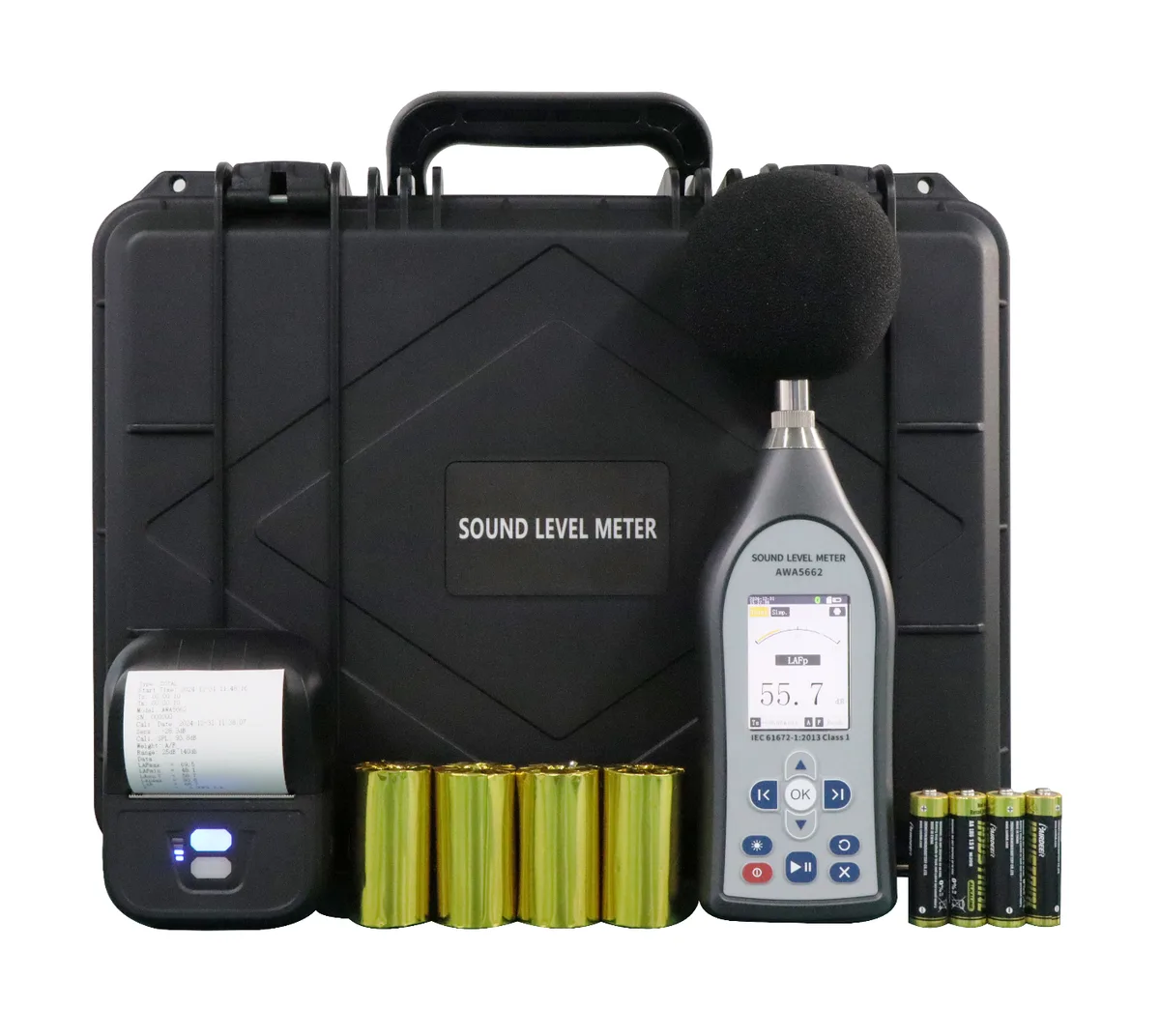
Most Arkansas law enforcement officers use a sound level meter to measure exhaust noise during a traffic stop. The procedure is straightforward:
- The vehicle is parked and the engine is running.
- The officer positions the meter 20 inches from the exhaust outlet at a 45-degree angle.
- The engine is revved to a steady RPM around 2,000 to 3,000 RPM or kept at idle.
- The highest reading is recorded.
The test happens on the spot. You'll see the meter reading. If it exceeds 85 dB, you get a citation.
What About Subjective Enforcement?
Not every cop carries a sound meter. In many cases, an officer can write a ticket based on their judgment that the exhaust is "excessively loud." This is more common in smaller towns where noise meters aren't available. If you challenge the ticket in court, the officer would need to show some evidence of the noise level.
That's why it's smart to know your actual decibel output. You can buy a basic sound level meter online for under $30 and test your own vehicle at 20 inches. If you're consistently under 85 dB, you have a strong defense if you ever get pulled over for noise.
The Two Big Risks: Fines and Failed Inspections
The most immediate risk is a traffic citation. Fines in Arkansas for an exhaust noise violation typically range from $50 to $200 for a first offense. Repeat violations can cost more and may include court costs.
But the second risk is often more inconvenient: failing the state vehicle safety inspection. Arkansas requires annual safety inspections in many counties, and the exhaust system is part of the checklist. Inspectors check for:
- Visible holes or rust damage
- Leaks at connections
- Evidence of a muffler cutout or bypass
- Overall condition of the muffler and pipes
If your exhaust is too loud or visibly modified in a way that indicates it's louder than stock, you could fail. Then you'd have to fix it before you can get your sticker. That could mean buying a new muffler or paying a shop to reinstall a quieter system.
Can You Get a Ticket Without a Sound Meter?
Yes, and it happens often. The officer writes the citation based on "officer observation" of excessive noise. If you take it to court, you can argue that the sound was within legal limits.
You can present your own meter reading or an expert witness. But fighting it isn't cheap. Prevention is easier.
You can find more context on common car ownership headaches over on our blog.
Who Gets Targeted Most? Trucks, Muscle Cars, and Motorcycles
Not every loud vehicle gets the same attention. In our research, diesel trucks with straight pipes are the most frequent targets of Arkansas noise enforcement. The deep, rumbling exhaust from a deleted diesel system carries more than 85 dB easily.
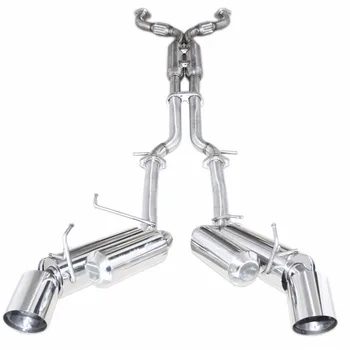
Muscle cars with aftermarket cat-back systems come in second. A 2018 Mustang GT with a Corsa Extreme exhaust can hit 90 dB at idle. That's an automatic ticket if an officer hears it.
Motorcycles are third, but they get more leeway in practice. Many officers won't bother pulling over a bike for noise alone unless it's obviously excessive. Still, the law applies equally.
A Harley with straight pipes can absolutely get cited in towns like Fayetteville or Bentonville where noise complaints are common.
Why Diesel Trucks Get Profiled
Diesel trucks often have removed catalytic converters and factory mufflers. The resulting exhaust is loud enough to trigger noise complaints from neighbors. Law enforcement knows this, so they watch for black smoke and loud turbo spool.
Keeping a muffler in place and avoiding exhaust dumps is the smart play.
Common Mistakes That Land You a Citation
Most Arkansas drivers don't get ticketed for being a few decibels over the limit. They get ticketed for obvious violations that are hard to miss. Here are the three biggest mistakes we see repeatedly:
Running a muffler cutout or electronic dump. These devices let you open the exhaust with a switch. They're illegal in Arkansas because they bypass the muffler. If an officer sees the actuator or hears the change, you'll get cited. Even if you keep it closed, the presence of the cutout can be enough for a ticket.
Removing the catalytic converter. This is a double problem. It violates federal EPA tampering rules, and it almost always makes the exhaust louder. Some shops in Arkansas won't even touch a cat-delete because of the legal risk.
Installing a straight-through muffler that's too loud. Glasspack and cherry bomb mufflers are popular for their aggressive sound. But many of them push 90+ dB on a stationary test. You can check your own decibel level before you install one. A few minutes with a meter can save you a ticket.
Step-by-Step: How to Check If Your Exhaust Is Legal
You don't need a shop to find out if your car passes the Arkansas noise test. You can do it yourself in about 15 minutes. Here's the process:
Get a sound level meter. You can buy one online for $20 to $30. The app on your phone is less accurate, but it can give you a rough idea. Official tests use a calibrated meter.
Park on a level surface in a quiet area. Let the engine warm up to normal operating temperature. Cold engines can read louder because exhaust components haven't expanded yet.
Hold the meter 20 inches from the tailpipe outlet. Position it at a 45-degree angle. Make sure the meter is pointing at the exhaust opening.
Rev the engine to about 2,000 RPM and hold it steady. Note the highest reading over five seconds. Do this three times and average the results.
If your reading is consistently below 85 dB, you're in good shape. If it's hovering around 82 to 84 dB, you're close to the limit. Any reading above 85 dB means your exhaust is technically illegal under the stationary test.
What to Do If You're Over the Limit
If your test shows 86 dB or higher, you have options. You can install a quieter muffler, add a resonator to absorb more sound, or swap back to your factory exhaust. Some people add a muffler baffle insert that reduces sound by 5 to 10 dB for less than $50.
It's a cheap fix that keeps you legal.
What to Do If You Already Got a Ticket
Getting a noise citation in Arkansas doesn't mean you're out of options. Most tickets are handled in traffic court. You can either pay the fine or fight it.
If you decide to fight the ticket, here's what you need:
- Proof that your exhaust was measured below 85 dB at the time of the stop. A video or witness helps. A sound meter reading from your own meter is better than nothing.
- Certification from a mechanic that the exhaust system is unmodified and within OEM specifications. This is strong evidence.
- Any dashcam footage that shows the stop and the officer's testing procedure. If the officer didn't use a meter, you can argue the citation was based on subjective judgment alone.
Keep in mind that most Arkansas traffic courts are informal. You can represent yourself. The fine is usually small enough that paying it might be cheaper than taking time off work.
But if you're trying to avoid points on your license or a failed inspection, fighting it might be worth it.
Should You Just Pay It?
For a first offense with no other violations, paying the fine is often the easiest route. The typical fine ranges from $50 to $150. You can mail it in without appearing in court.
But check the citation. Some counties require a court appearance for noise violations.
If you get a second ticket within a year, the fine goes up and you may face a court hearing. At that point, it's worth fixing the exhaust and showing the court proof of compliance.
When Local Ordinances Are Stricter Than State Law
Arkansas state law sets a baseline. But many cities and towns have their own noise ordinances that are stricter. You could be legal under state law and still get ticketed by local police.
For example, the city of Fayetteville has a noise ordinance that prohibits any sound that is "plainly audible" from 50 feet away during nighttime hours. That's a subjective test, not a decibel measurement. Officers can write tickets based on what they hear, even if your exhaust measures under 85 dB.
Little Rock has a similar ordinance for residential areas between 10 p.m. and 7 a.m. The law says no "unnecessary" noise, which covers loud music and modified exhaust.
How to Check Your Local Rules
Look up your city's municipal code online. Search for "noise ordinance" plus your city name. The ordinance will usually say something like "no person shall operate a motor vehicle that produces sound in excess of X decibels" or "no person shall cause sound that is plainly audible at a distance of X feet." Compare that to the state's 85 dB standard.
If your city's limit is lower, that's what you need to follow.
Aftermarket vs Factory: Which Exhaust Systems Pass the Test?
Factory exhaust systems are designed to stay under the 85 dB limit. Most OEM mufflers produce around 72 to 78 dB at idle. That leaves plenty of room before you hit the legal ceiling.
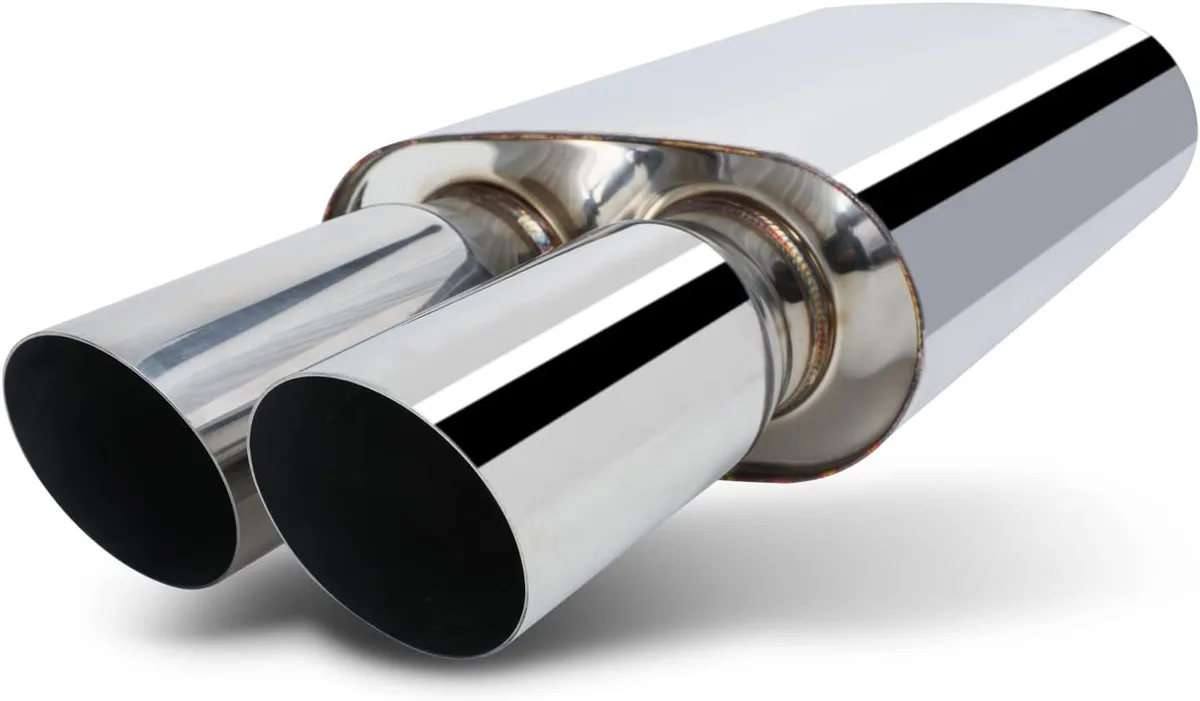
Aftermarket systems vary wildly. A quality cat-back system from a reputable brand like Borla or Magnaflow often measures between 80 and 84 dB. Those are legal in Arkansas if installed correctly.
The cheap straight-through mufflers sold at auto parts stores can push 90 dB or more.
The safest aftermarket choice is a muffler with internal baffling and sound-absorbing material. Chambered mufflers are generally quieter than straight-through designs. If you want a deeper tone without breaking the law, look for mufflers rated by the manufacturer at 82 dB or lower under stationary testing.
Expert Tips for Staying Legal Without Going Quiet
You can have a better sounding exhaust without attracting tickets. The trick is choosing parts that manage noise frequency, not just volume.
- Add a resonator. A resonator smooths out harsh notes and reduces drone. It can drop your overall decibel reading by 3 to 5 dB without changing the muffler.
- Keep your catalytic converter. Removing it increases volume and changes the sound to a raspy tone that cops notice. A high-flow cat is a better upgrade.
- Use a muffler with a dB rating listed. Buy from brands that publish test numbers. If the manufacturer says 83 dB, you know where you stand.
Also, avoid driving in residential areas late at night. Even a legal exhaust sounds louder when everything else is quiet. A little awareness goes a long way.
Real Scenario: A Driver's Experience With Arkansas Noise Enforcement
A friend of ours drives a 2015 Chevrolet Silverado with a Magnaflow cat-back system. He got pulled over in Springdale last year. The officer said the truck was "excessively loud" from a block away.
He didn't have a sound meter. The officer didn't either. The ticket was written based on officer observation.
Our friend took it to court and showed a receipt from the manufacturer stating the system tested at 81 dB. The judge dismissed the citation.
The lesson is simple. Keep documentation of your exhaust's decibel rating. A receipt, a spec sheet, or a video of your own meter test can save you hundreds of dollars.
Frequently Asked Questions
Can I get a ticket for a loud exhaust even if I pass a decibel test?
Yes. Officers can write a citation based on "officer observation" if they believe the exhaust is excessively loud. But you can fight it in court with your own test results.
Are muffler cutouts legal in Arkansas if I keep them closed?
No. Arkansas Code §27-37-603 specifically prohibits muffler cutouts and bypass pipes regardless of whether they are open or closed. The presence of the device is illegal.
Do motorcycles have a different decibel limit in Arkansas?
No. Motorcycles fall under the same 85 dB limit as cars and trucks. Enforcement is less consistent, but the law applies equally.
What happens if I fail a noise test during a traffic stop?
You will get a citation and possibly a fix-it order. You must repair or replace the exhaust to meet the legal limit. A follow-up inspection may be required.
Can local noise ordinances overrule the state law?
Yes. Many Arkansas cities have stricter noise rules. Check your city's municipal code to see if there is a lower decibel limit or a plain auditory standard for nighttime hours.
Final Verdict: The Smartest Move for Arkansas Car Owners
The bottom line is this. Know your decibel level. Keep documentation.
Choose aftermarket parts with published sound ratings. That's how you enjoy a better exhaust without the headache of citations or failed inspections. A little preparation goes a long way.