ByMax Lee
CT Proof of Registration Cancellation for Tax Adjustments
Connecticut proof of registration cancellation for motor vehicle tax adjustments is what you need when you no longer own a vehicle but are still getting taxed for it. Without the right paperwork, you could end up paying for a car you sold, junked, or moved out of state months ago.
The process starts with Form H-38 from the Connecticut DMV, which serves as your official proof. As of 2026, this form plus plate return is the only way to trigger a prorated tax adjustment with your local assessor.
Bing (Web (fair-use with source credit))
Quick Answer
Connecticut proof of registration cancellation for motor vehicle tax adjustments requires Form H-38. You must also return your plates to the DMV. Submit both to your town’s tax assessor.
This stops future tax bills. Adjustments are prorated by day.
Why You Need Proof of Registration Cancellation in Connecticut
Connecticut taxes vehicles as personal property, and the bill follows the registration. If you sell, junk, or move a car but don’t cancel the registration, the tax keeps coming. The state doesn’t automatically update tax rolls when ownership changes.
Form H-38 is your only official proof that the DMV has closed the registration. Without it, the tax assessor has no record to adjust your bill. This is especially critical if you move out of state, as Connecticut may still try to tax the vehicle until the registration is formally canceled.
How Connecticut’s Motor Vehicle Tax Works
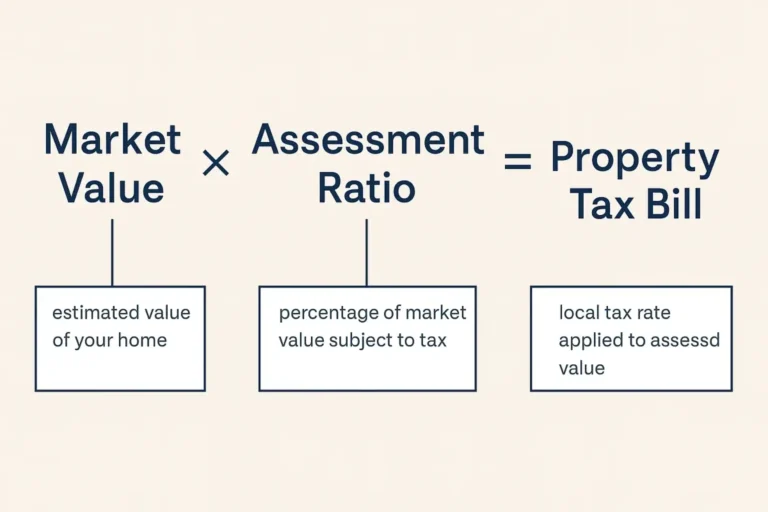
The tax is set by your town or city, not the state. Each municipality calculates it based on the vehicle’s assessed value and the local mill rate. The tax year runs from July 1 to June 30, with bills typically issued twice a year.
Your tax liability is tied to the registration status on October 1, the assessment date. If your car is registered on that date, you owe the full year’s tax unless you cancel the registration and provide proof. The tax is prorated only if the cancellation is processed before October 1.
What Counts as Proof of Registration Cancellation
The only accepted proof is a completed Form H-38 from the Connecticut DMV. This form confirms the date your registration was canceled. You must also return your license plates to the DMV, either in person or by mail, and keep the receipt.
Other documents, like a bill of sale or junkyard receipt, are not sufficient on their own. The tax assessor needs the official DMV cancellation record to adjust your tax. If you lost your plates, you’ll need to file a police report and submit it with Form H-38.
When You Must Cancel Your Registration
Cancel immediately if you sell, trade in, or junk your vehicle. The same applies if you move out of Connecticut or the car is stolen and not recovered. Waiting until the registration expires can cost you, as the tax assessor may not backdate the adjustment.
If you’re transferring the vehicle to a family member, you still need to cancel your registration and have the new owner register it in their name. The tax follows the registration, not the owner, so skipping this step can lead to double taxation. For inherited vehicles, the executor must cancel the deceased owner’s registration and re-register the car under the new owner’s name.
Step-by-Step: How to Cancel Your CT Registration for Tax Adjustments
First, download Form H-38 from the Connecticut DMV website. Fill it out completely, including the VIN, plate number, and cancellation reason. Incomplete forms get rejected.
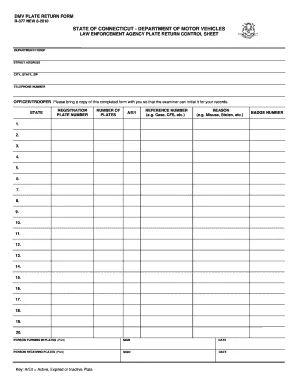
Next, return your license plates. You can do this in person at a DMV branch or by mail. If mailing, use a trackable method and keep the receipt.
Without proof of plate return, your cancellation won’t be processed.
Bing (Web (fair-use with source credit))
Submit Form H-38 and your plate return receipt to your local tax assessor’s office. Some towns let you email or upload these documents, but others require in-person submission. Check your town’s website for specifics.
How Tax Adjustments Are Calculated
The tax assessor prorates your bill based on the cancellation date. If you cancel on March 15, you’ll only owe tax for the days the car was registered in that tax year. The exact amount depends on your town’s mill rate and the vehicle’s assessed value.
Adjustments aren’t automatic. You must request them by submitting your proof of cancellation. If you miss the October 1 assessment date, you’ll owe the full year’s tax even if you cancel later.

Bing (Web (fair-use with source credit))
Common Mistakes That Cost You Money
Forgetting to return your plates is the most common error. The DMV won’t process your cancellation without them, and the tax assessor won’t adjust your bill. Always get a receipt when returning plates, whether in person or by mail.
Another mistake is waiting too long to cancel. If you sell a car in January but don’t cancel until June, you’ll still owe tax for those extra months. The sooner you file Form H-38, the sooner the tax stops.
What Happens If You Skip This Process
You’ll keep getting tax bills for a vehicle you no longer own. The town won’t know to stop taxing it unless you provide proof of cancellation. These bills can go to collections if ignored, hurting your credit.
Even if you move out of state, Connecticut may still send tax bills until the registration is officially canceled. Some owners don’t realize this until they get a notice from a collections agency. The only way to stop it is to file Form H-38 and return your plates.
Special Cases (Moving, Junking, Theft, or Inheritance)
If you move out of Connecticut, cancel your registration before leaving. Some states have reciprocity agreements, but Connecticut’s tax follows the registration, not your new address. File Form H-38 and return your plates to avoid future bills.
For junked vehicles, get a receipt from the junkyard and include it with Form H-38. The DMV may ask for this as proof the car is no longer in use. Without it, they might deny your cancellation.
If your car is stolen, file a police report and submit it with Form H-38. The DMV will process the cancellation once they confirm the theft. You won’t owe tax for any period after the reported theft date.
How Long It Takes to See the Tax Adjustment
Processing times vary by town. Some assessors update your bill within 2 to 4 weeks. Others may take 6 to 8 weeks, especially during peak periods like July and October.
You won’t get a refund automatically. The adjustment will appear as a credit on your next tax bill. If you’ve already paid, you may need to request a refund separately from your town.
Where to Get Help If Things Go Wrong
Start with your local tax assessor’s office. They can confirm if your cancellation was received and explain how the adjustment was calculated. Bring your Form H-38 and plate return receipt.
If the DMV lost your paperwork, visit a branch in person. They can look up your records and reissue confirmation. For disputes over tax amounts, you may need to file a formal appeal with your town.
Bing (Web (fair-use with source credit))
Frequently Asked Questions
Do I need to cancel if I’m transferring the car to family?
Yes. The registration must be in the new owner’s name. File Form H-38 to close yours, then have them register the vehicle separately.
What if I lost my plates?
File a police report for the lost plates. Submit it with Form H-38 to the DMV. They’ll process the cancellation without the physical plates.
Can I cancel online?
No. Form H-38 must be submitted in person or by mail. Some towns allow online submission of the form to the assessor, but the DMV requires physical or mailed paperwork.
Will I get a refund for past taxes?
No. Adjustments only apply to future bills. If you overpaid, you may get a credit toward next year’s tax, but refunds for prior years are rare.
What if the DMV says my cancellation is pending?
Follow up with the DMV to confirm processing. Then contact your tax assessor with proof of submission. Some towns will hold the adjustment until the DMV updates their system.