ByMax Lee
CT VIN Verification for Out-of-State Registration
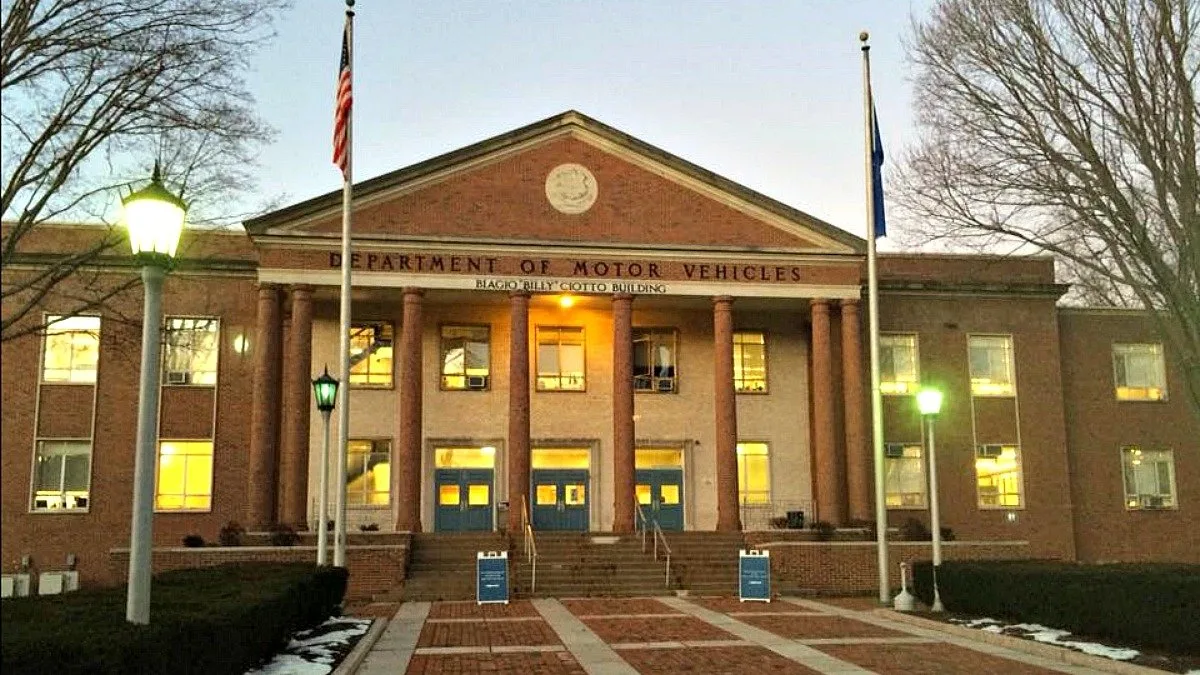
Moving to Connecticut with an out-of-state car means dealing with registration rules that aren’t always clear. The Connecticut VIN verification requirements for out of state vehicle registration kick in for most vehicles, but the exact steps depend on your situation. As of 2026, the state requires a physical VIN check for many out-of-state transfers to confirm the vehicle matches its paperwork.
This process exists to prevent fraud and ensure compliance with Connecticut’s safety and emissions standards. Whether you’re a new resident or just bought a car elsewhere, the rules change based on your title status and vehicle history.
Bing (Web (fair-use with source credit))
Quick Answer
Connecticut requires VIN verification for out-of-state vehicles during registration. You’ll need Form H-13B completed by an authorized inspector. Some vehicles are exempt, like new cars with manufacturer certificates.
The process confirms your VIN matches the title and meets state standards.
Do You Need a VIN Verification for Out-of-State Registration in Connecticut?
Yes, if your vehicle was previously registered in another state. Connecticut mandates VIN verification for most out-of-state transfers to prevent title fraud and ensure the vehicle’s identity matches its paperwork.
There are exceptions. New vehicles with a Manufacturer’s Certificate of Origin don’t need a separate VIN verification. Vehicles already titled in Connecticut also skip this step.
For everyone else, the verification is non-negotiable.
Who Actually Needs This (And Who Doesn’t)
You need VIN verification if:
- Your car was last registered in another state
- You’re transferring an out-of-state title to Connecticut
- Your vehicle has a rebuilt or salvage title from another state
You can skip it if:
- Your vehicle is brand new with an MCO
- It’s already titled in Connecticut
- It’s a commercial vehicle with a federal VIN inspection on file
Military personnel stationed in Connecticut follow the same rules as residents. Leased vehicles require verification unless the lienholder provides a Connecticut title.
The Exact Documents You’ll Need Before You Start
Gather these before visiting the DMV:
- Out-of-state title (or MCO for new vehicles)
- Proof of Connecticut insurance
- Completed Application for Registration and Title (Form H-13)
- Odometer disclosure statement
- Power of attorney (if someone else is handling the registration)
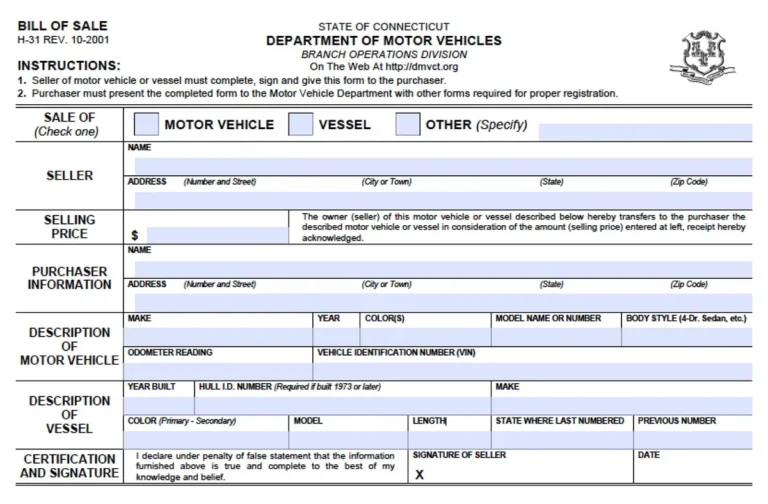
For VIN verification specifically, you’ll need Form H-13B. This form must be completed by an authorized inspector, such as a Connecticut DMV employee, police officer, or licensed dealer.
Bing (Web (fair-use with source credit))
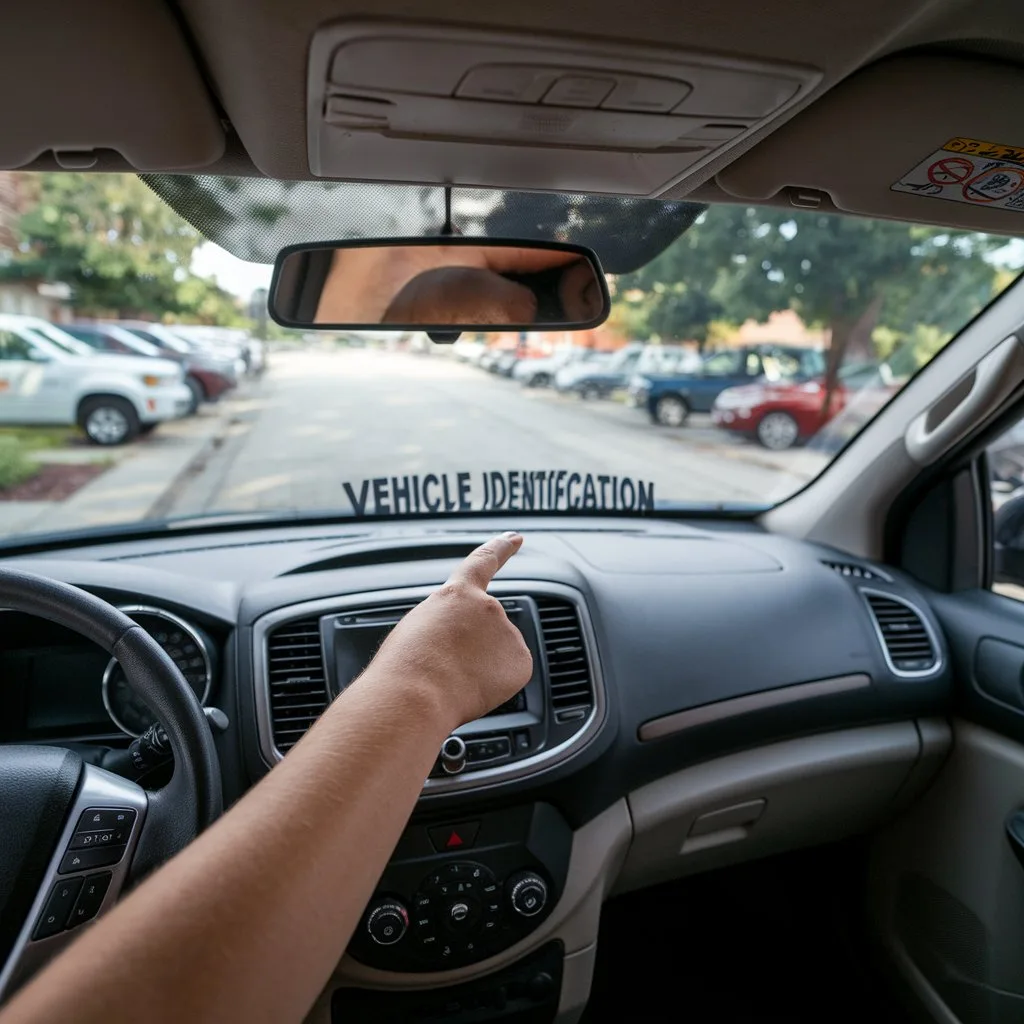
The VIN is typically found on the dashboard near the windshield, the driver’s side door jamb, or the engine block. Double-check that the VIN on your vehicle matches the one on your title. Mismatches will delay your registration.
Gather these before visiting the DMV:
- Out-of-state title (or MCO for new vehicles)
- Proof of Connecticut insurance
- Completed Application for Registration and Title (Form H-13)
- Odometer disclosure statement
- Power of attorney (if someone else is handling the registration)
For VIN verification specifically, you’ll need Form H-13B. This form must be completed by an authorized inspector, such as a Connecticut DMV employee, police officer, or licensed dealer.
Bing (Web (fair-use with source credit))
The VIN is typically found on the dashboard near the windshield, the driver’s side door jamb, or the engine block. Double-check that the VIN on your vehicle matches the one on your title. Mismatches will delay your registration.
Step-by-Step: How to Get Your VIN Verified in Connecticut
Start by locating your VIN. It’s a 17-character code unique to your vehicle. Once you’ve confirmed it matches your title, you’re ready for verification.
If Your Vehicle Has a Clean, In-Hand Title
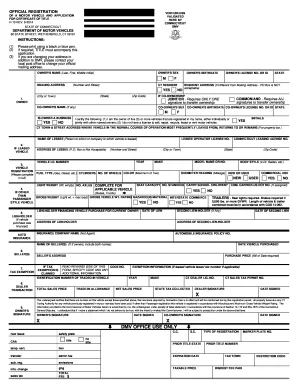
Take your vehicle and title to an authorized inspector. This can be a Connecticut DMV office, a police station, or a licensed dealer. The inspector will complete Form H-13B, confirming the VIN matches your paperwork.
Bing (Web (fair-use with source credit))
Submit the completed form with your registration application. The DMV will process your request and issue Connecticut plates.
If Your Title Is Held by a Lienholder
Contact your lienholder to request a copy of the title or a power of attorney document. Some lienholders will mail the title directly to the DMV. Without the title, you can’t complete the VIN verification.
If the lienholder is unresponsive, you may need to request a bonded title. This involves purchasing a surety bond to protect against potential ownership disputes.
If You Don’t Have a Title (Lost, Bonded, or Court-Ordered)
For a lost title, apply for a duplicate from the state that issued it. This process varies by state but usually requires a fee and proof of ownership.
For a bonded title, you’ll need to provide the bond documentation along with Form H-13B. The DMV will verify the bond meets Connecticut’s requirements before processing your registration.
If Your Vehicle Is Brand New (Never Titled)
New vehicles with an MCO don’t require VIN verification. The MCO serves as proof of ownership and VIN accuracy. Submit the MCO along with your registration application, and the DMV will issue a Connecticut title and plates.
Emissions and Safety Inspections: What’s Required for Out-of-State Cars
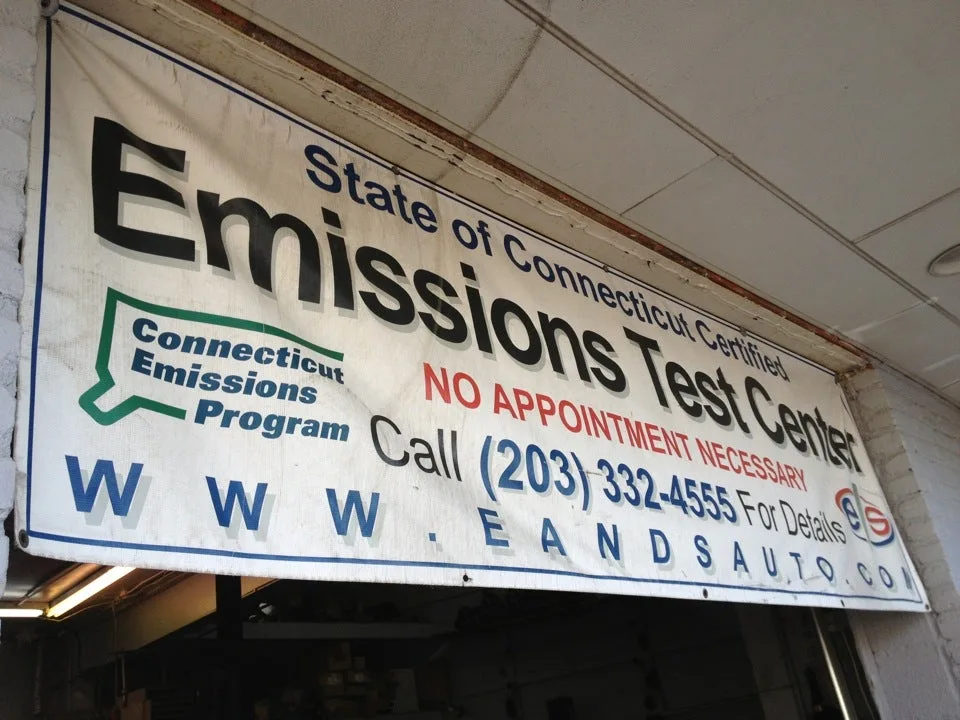
Connecticut requires emissions testing for most vehicles before registration. This applies to gasoline-powered cars and light trucks up to 10,000 pounds. Diesel vehicles and those older than 25 years are typically exempt.
Safety inspections are separate but equally mandatory. A licensed station will check brakes, lights, steering, and other critical systems.
Bing (Web (fair-use with source credit))
If your vehicle fails either test, you’ll receive a repair report. You have 60 days to complete repairs and retest. Some counties have stricter emissions rules, so check Connecticut DEEP’s requirements for your area.
Connecticut’s 60-Day Rule for New Residents (And What Happens If You Miss It)
New residents must register their vehicles within 60 days of establishing residency. The clock starts when you get a Connecticut driver’s license, register to vote, or enroll a child in school.
If you miss the deadline, you’ll face late fees. These start at $10 and increase the longer you wait. Driving an unregistered vehicle can also result in a traffic citation.
The DMV may require proof of residency, such as a utility bill or lease agreement.
Common Mistakes That Delay or Deny Your Registration
Submitting incomplete paperwork is the top reason for delays. Double-check that all forms are signed and legible. Missing signatures or incorrect VINs will send you back to the start.
Another common issue is mismatched information. The VIN on your title must match the one on your vehicle and Form H-13B.
Insurance gaps are also a problem. Your policy must meet Connecticut’s minimum liability requirements before the DMV will process your registration.
Fees, Timelines, and Where to Go in Connecticut
Registration fees vary by vehicle type and weight. Passenger vehicles typically cost between $80 and $120 for a two-year registration. Commercial vehicles and those with higher weight classes pay more.
Processing times depend on the DMV office. Some locations offer same-day service for complete applications. Others may take a week or longer during peak periods.
You can visit any Connecticut DMV office, but some require appointments. Emissions and safety inspections must be done at licensed stations, which are widely available across the state.
Special Cases: Military, Leased Vehicles, and Salvage Titles
Active-duty military personnel stationed in Connecticut have some flexibility. You can keep your out-of-state registration if you maintain a valid driver’s license from your home state. However, if you become a Connecticut resident, the standard rules apply.
Leased vehicles require the lessor’s information on the registration. The lienholder must be listed on the title, and you’ll need a power of attorney to register the vehicle in your name.
Salvage or rebuilt titles need extra documentation. You must provide proof of repairs and a completed salvage inspection form. The DMV will verify the vehicle meets safety standards before issuing a rebuilt title.
Frequently Asked Questions
Do I need a VIN verification if my car is already titled in Connecticut?
No. If your vehicle already has a Connecticut title, you don’t need another VIN verification for registration renewal or transfers within the state.
Can I get a VIN verification at any police station?
Most Connecticut police stations can perform VIN verifications. Call ahead to confirm, as some smaller departments may not offer this service.
What if my VIN is damaged or unreadable?
You’ll need to contact the manufacturer or your previous state’s DMV for a VIN verification letter. Connecticut won’t process registration without a legible VIN.
How long does VIN verification take?
The inspection itself takes about 10 minutes. Processing time at the DMV varies, but most registrations are completed the same day if all documents are in order.
What counties in Connecticut require emissions testing?
Fairfield, Hartford, New Haven, and Middlesex counties require emissions testing. Litchfield, New London, Tolland, and Windham counties are currently exempt.
Can I register my car without passing emissions first?
No. Connecticut requires a passing emissions test before registration for applicable vehicles. You’ll need to complete this step before the DMV will process your paperwork.