ByMax Lee
CT 60-Day Registration Deadline for New Residents
Moving to Connecticut means you’ve got 60 days to register your out-of-state car. The Connecticut 60 day registration deadline for new residents moving to state is strict, and missing it can lead to fines or legal trouble.
As of 2026, the Connecticut DMV requires proof of residency, insurance, and a passed emissions test for most vehicles. Here’s what you need to know to stay compliant and avoid penalties.
Quick Answer
The Connecticut 60 day registration deadline for new residents moving to state is 60 days from establishing residency.
You must register your vehicle with the Connecticut DMV.
Proof of insurance and a valid title are required.
Late registration can result in fines.
Wikimedia Commons / Artsistra (CC BY-SA)
Who Needs to Register Their Car in Connecticut Within 60 Days?
You must register your vehicle if you’re a new Connecticut resident. This applies whether you own or lease the car.
Military personnel stationed in Connecticut may have different rules. Temporary residents, like students, might also qualify for exemptions.
What Counts as a “New Resident” in Connecticut?
Connecticut considers you a resident once you establish a permanent address. This includes renting or buying a home.
You’re also a resident if you spend more than 183 days in the state. Registering to vote or getting a Connecticut driver’s license also establishes residency.
The 60-Day Rule: How It Works and Why It Matters
The 60-day clock starts the moment you establish residency. You must register your vehicle before this period ends.
If you don’t, you risk fines or even a ticket for driving an unregistered vehicle. The DMV doesn’t send reminders, so it’s on you to track the deadline.
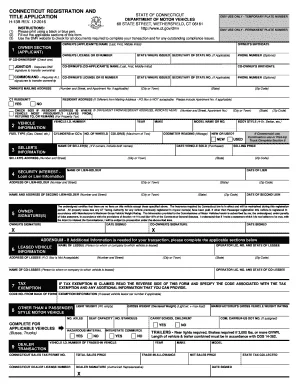
Documents You’ll Need to Register Your Out-of-State Car
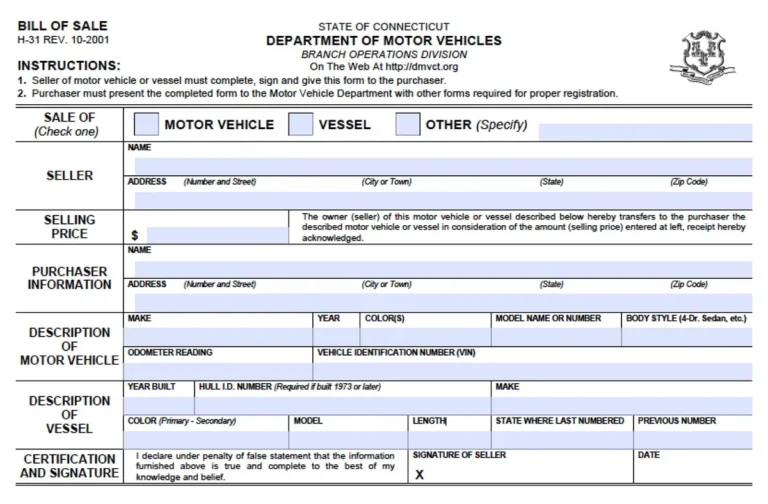
You’ll need your out-of-state title and proof of insurance. A valid driver’s license is also required.
If your car is financed, bring the lienholder’s information. Some vehicles may need a VIN verification.
Bing (Web (fair-use with source credit))
Step-by-Step: How to Register Your Vehicle in Connecticut
Before You Go to the DMV
Gather your title, proof of insurance, and ID. If your car is financed, bring the lienholder’s details.
Check if your vehicle needs a VIN inspection. Some out-of-state cars require this before registration.
At the DMV
Submit your documents and pay the registration fee. Fees vary by vehicle type and weight.
You’ll receive your plates and registration documents on the spot. Temporary plates may be issued if additional steps are needed.
After Registration
Update your insurance policy to reflect Connecticut coverage. This is a legal requirement.
Keep your registration documents in your vehicle. You’ll need them if stopped by law enforcement.
Bing (Web (fair-use with source credit))
Connecticut Emissions Testing: Do You Need It?
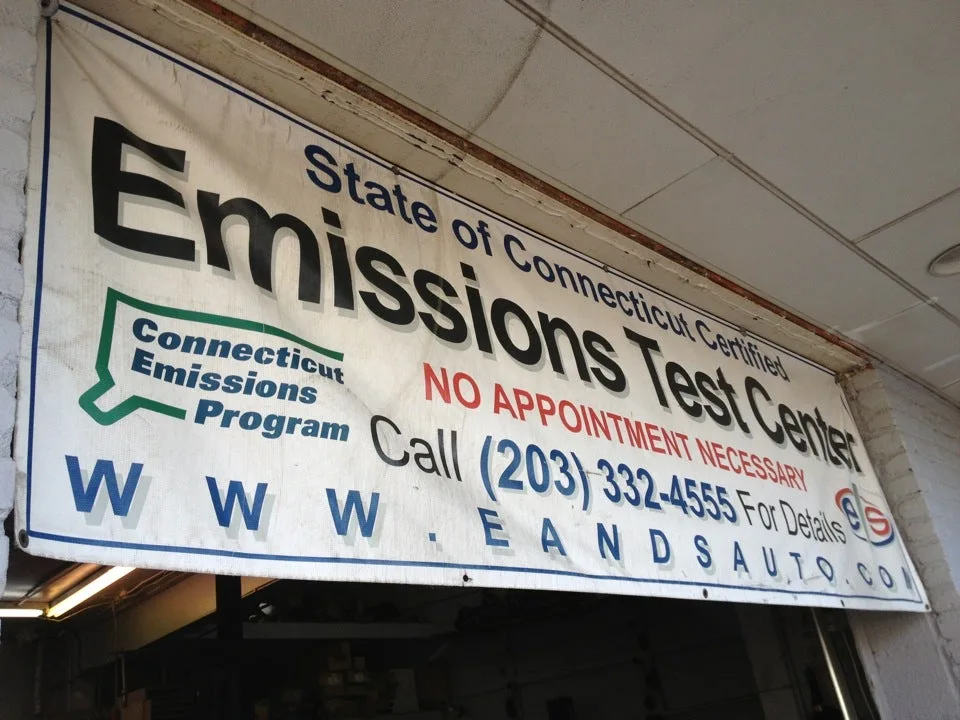
Most gasoline-powered vehicles require a biennial emissions test. Diesel vehicles and newer models may be exempt.
Check the Connecticut DEEP website for the latest requirements. Testing is mandatory before registration for applicable vehicles.
Bing (Web (fair-use with source credit))
Fees, Costs, and Potential Penalties
Registration fees depend on your vehicle’s weight and type. Passenger cars typically cost between $50 and $100.
Late fees start at $25 and increase the longer you wait. Driving unregistered can result in a $150 fine or more.
Common Mistakes That Delay Registration
Forgetting to bring the title is a top reason for rejection. Double-check your documents before heading to the DMV.
Not updating your insurance to Connecticut can also cause delays. Your policy must meet the state’s minimum coverage requirements.
Military, Students, and Temporary Residents: Special Rules
Active-duty military stationed in Connecticut may qualify for an extension. Bring your orders to the DMV for verification.
Students with out-of-state vehicles may not need to register immediately. Check with the DMV if you’re unsure about your status.
What Happens If You Miss the 60-Day Deadline?
You’ll face a late fee starting at $25. The longer you wait, the higher the penalty climbs.
Driving an unregistered vehicle can lead to a $150 fine. Police may also impound your car if it’s not properly registered.
Expert Tips to Speed Up the Process
Schedule a DMV appointment online to skip the line. Walk-ins can mean long waits, especially on weekends.
Bring all your documents in one folder. Missing paperwork is the top reason for delays at the counter.
Frequently Asked Questions
Do I need a Connecticut driver’s license to register my car?
No, but you’ll need a valid license from any state. Your registration and license can be handled separately.
Can I register my car online in Connecticut?
Some transactions are available online. First-time registrations for out-of-state vehicles usually require an in-person visit.
What counts as proof of residency in Connecticut?
A utility bill, lease agreement, or mortgage statement works. The DMV needs two documents showing your name and address.
How much does it cost to register a car in Connecticut?
Fees start around $50 for passenger vehicles. Heavier vehicles or special plates cost more.
Do I need to get my car inspected before registering?
Yes, most vehicles need a VIN verification. Some also require an emissions test before registration.