ByMax Lee
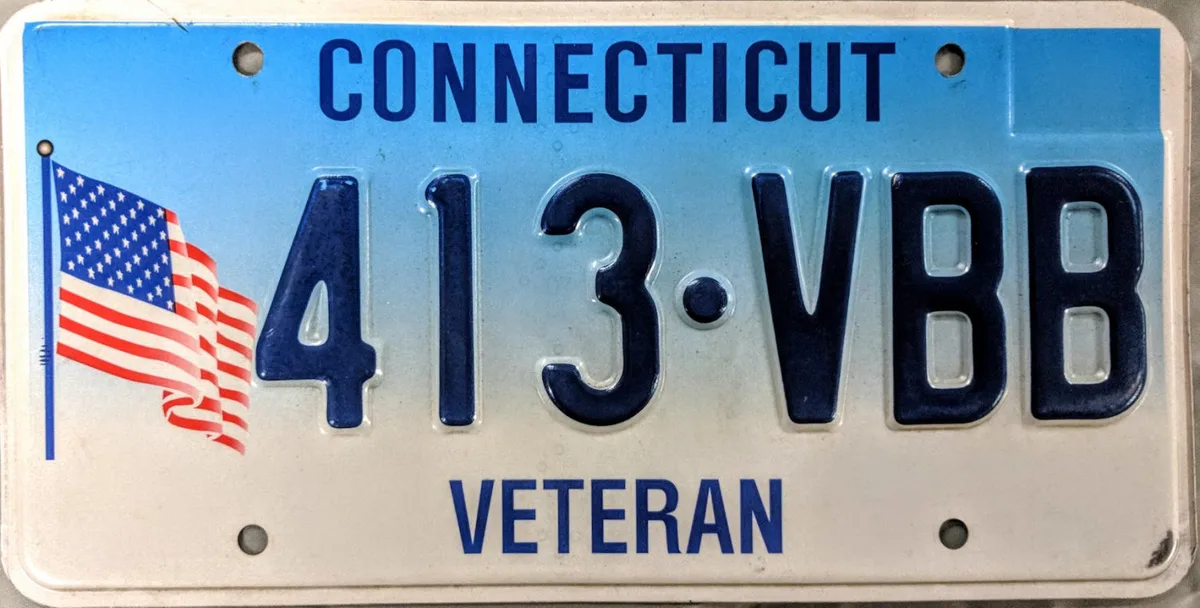
CT Veteran License Plate Eligibility Rules
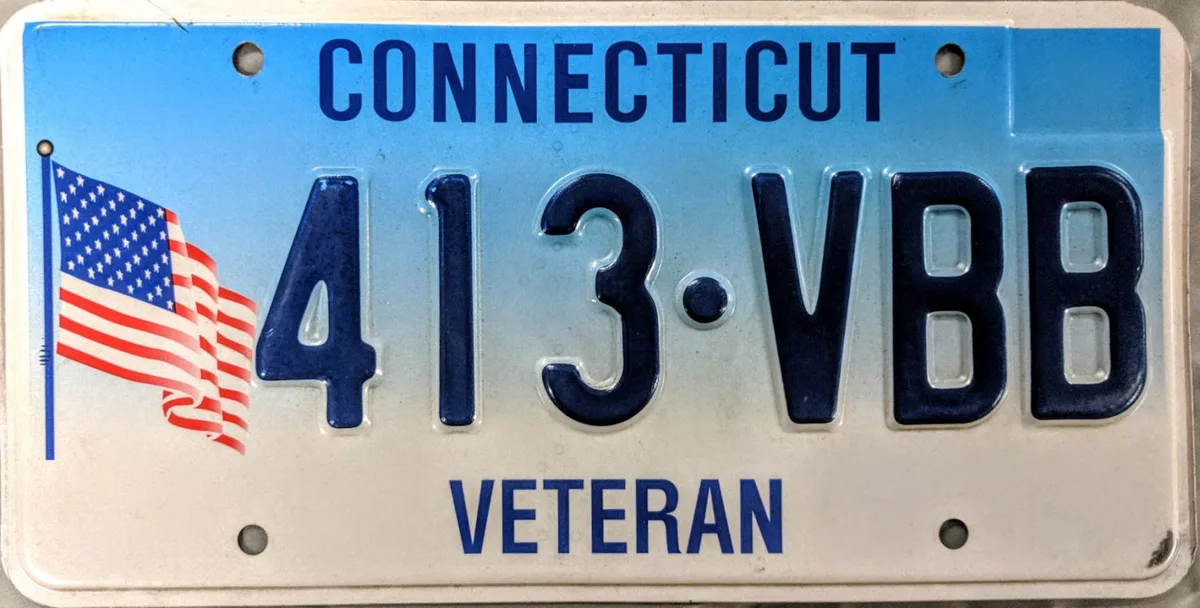
Connecticut veteran and military special license plate eligibility rules can feel confusing, but they follow clear conditions based on your service record and residency. Whether you’re a veteran, active-duty member, or family of a fallen service member, the state offers specific plates, but only if you meet the criteria.
As of 2026, Connecticut provides over 20 special plate types, each with its own requirements, from honorable discharge to specific awards like the Purple Heart. The first step is knowing which category you fall into.
Quick Answer
Connecticut veteran and military special license plate eligibility rules apply to honorably discharged veterans, active-duty members, and certain family members. You must be a Connecticut resident with valid proof of service. Some plates require specific awards or disability status.
Fees vary by plate type.
Bing (Web (fair-use with source credit))
How Connecticut’s Veteran & Military Plate Eligibility Works
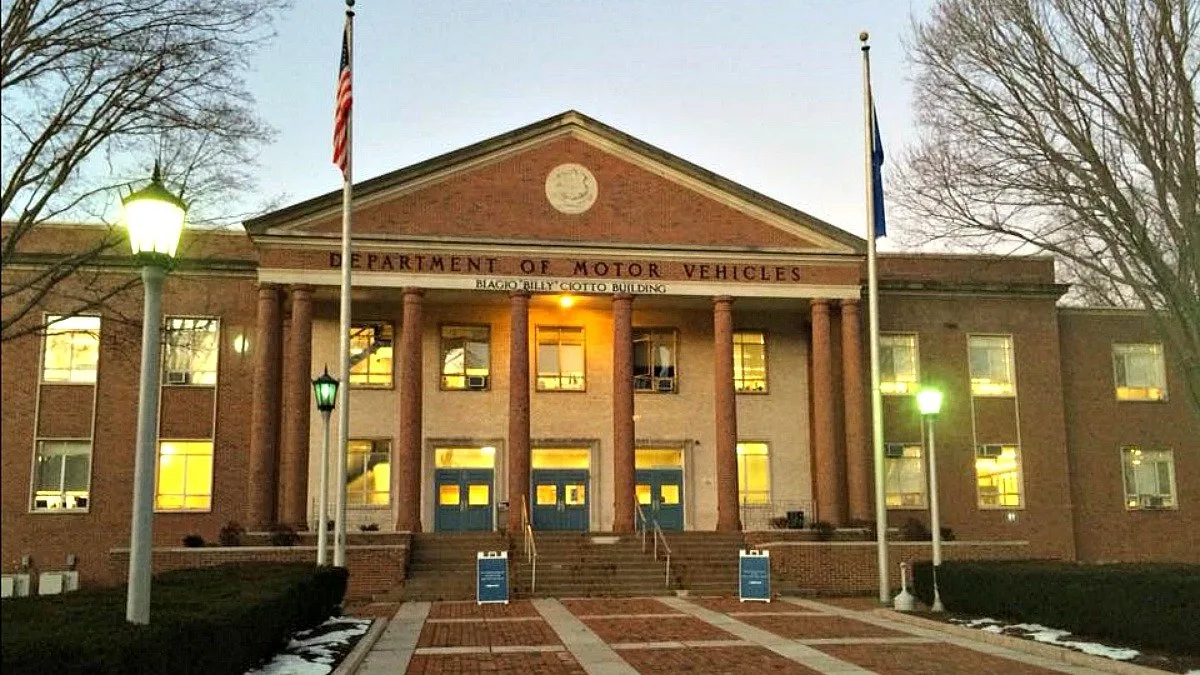
The Connecticut Department of Motor Vehicles (DMV) issues special plates under state regulations. Eligibility hinges on three core factors: your service status, discharge type, and residency.
If you’re a veteran, you’ll need an honorable discharge (DD-214 Member-4 copy). Active-duty members must have Connecticut as their home of record. Family plates, like Gold Star, require proof of relationship to a fallen service member.
The 5 Main Types of Plates & Who Can Get Them
| Plate Type | Who Qualifies |
|---|---|
| Standard Veteran | Honorably discharged veterans with CT residency |
| Disabled Veteran | Veterans with a VA-rated service-connected disability |
| Purple Heart | Recipients of the Purple Heart medal |
| Gold Star Family | Immediate family (spouse, parent, child) of a service member killed in action |
| Medal of Honor | Recipients of the Medal of Honor |
Some plates, like the Legion of Merit or Women Veterans, require additional documentation. The CT DMV lists all available designs and their specific criteria.
Step-by-Step: How to Check Your Eligibility
Start by confirming your discharge status. Only honorable or general under honorable conditions discharges qualify for most plates.
Next, verify your residency. You’ll need a Connecticut driver’s license or ID, plus proof of address like a utility bill.
Finally, match your service or award to the plate type. For example, Purple Heart plates require a copy of your medal citation.
Required Documents for Each Plate Type
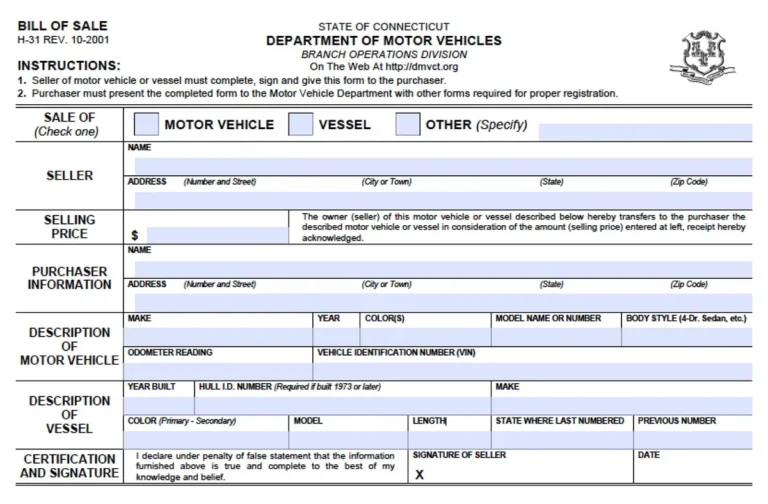
Every application needs a completed Form B-267, available on the CT DMV website. Beyond that, requirements vary:
- Standard Veteran Plate: DD-214 (Member-4 copy)
- Disabled Veteran Plate: DD-214 + VA disability letter
- Purple Heart Plate: DD-214 + medal citation or orders
- Gold Star Family Plate: Proof of relationship (birth/marriage certificate) + service member’s death certificate
Wikimedia Commons / The Portable Antiquities Scheme, Julie Shoemark, 2017-06-14 17:32:13 (CC BY)
Fees, Costs, and What You’ll Pay
Most veteran plates add a one-time or annual fee on top of standard registration. Standard plates cost $25 extra, while specialty plates like Purple Heart or Gold Star run $50.
Disabled Veteran plates are free for the plate itself, but you still pay regular registration fees. Check the CT DMV fee schedule for exact amounts.
Common Mistakes That Get Applications Rejected
Using the wrong DD-214 copy is the top reason for denial. Only the Member-4 version works.
Missing signatures on Form B-267 or submitting expired documents also causes delays. Double-check that all paperwork is current and complete.
How to Apply (Online, Mail, or In-Person)
You can apply online through the CT DMV portal, by mail, or at a local branch. Online is fastest, but some plates require in-person verification.
For mail applications, send your documents to the address on Form B-267. In-person visits let you get temporary plates the same day.
Bing (Web (fair-use with source credit))
Processing Time & What to Expect After Applying
Standard processing takes 6 to 8 weeks for new plates. You’ll get a temporary registration to use in the meantime.
If approved, your plates arrive by mail. Rejected applications include a reason, so you can correct and resubmit.
Special Rules for Disabled Veterans & Gold Star Families
Disabled Veteran plates come with parking privileges in CT. You’ll need a VA disability letter showing a service-connected rating.
Gold Star Family plates require proof of relationship to a service member killed in action. Accepted documents include birth or marriage certificates.
Bing (Web (fair-use with source credit))
Moving to Connecticut? How to Transfer Your Plates
You have 30 days after establishing residency to register your vehicle and transfer plates. Bring your out-of-state title, proof of insurance, and DD-214 if applying for veteran plates.
The CT DMV will issue new plates since out-of-state veteran plates don’t transfer. You’ll pay the standard registration fees plus any special plate costs.
Parking & Other Perks for Certain Veteran Plates
Disabled Veteran plates grant free parking at state meters and lots. They also allow parking in designated disabled spaces with a valid placard.
Gold Star Family plates don’t come with parking benefits but offer symbolic recognition. Some municipalities may provide additional courtesies.
Where to Get Help If You’re Stuck
The CT DMV has a dedicated veterans services line. Call 860-263-5700 for plate-specific questions.
Local Veterans Service Officers can also assist with documentation. Find your nearest office through the CT Department of Veterans Affairs.
FAQs About Connecticut Veteran & Military Plates
Can I personalize my veteran plate?
Yes, most veteran plates allow up to 6 characters for personalization. Disabled Veteran and Gold Star plates typically don’t offer this option.
How do I replace a lost veteran plate?
Report it to the DMV and submit a replacement request. You’ll need your registration and ID, plus a fee for the new plate.
Do I need to renew veteran plates annually?
Most special plates follow the standard biennial renewal cycle. Disabled Veteran plates may have different renewal rules.
Can a family member use my veteran plates after I pass away?
No, plates are non-transferable. Family members must apply for their own plates with proper documentation.
What if my discharge was upgraded after applying?
Submit your upgraded DD-214 to the DMV. They’ll review and update your eligibility if the new discharge qualifies.
Are there income-based fee waivers for veteran plates?
Some disabled veteran plates have fee waivers. Check with the DMV or a Veterans Service Officer for current programs.