ByMax Lee
Delaware Helmet Law: Riders Under 19 & New Licensees
Delaware’s motorcycle helmet law can be confusing, especially for new riders. The Delaware motorcycle helmet law for riders under 19 and new licensees requires helmets for two specific groups, and breaking the rules can mean fines or worse. Whether you're a teen rider or just got your license, knowing the exact requirements keeps you legal and safe.
As of 2026, Delaware follows the U.S. Department of Transportation’s FMVSS 218 standard for approved helmets. This isn’t just about avoiding tickets, it’s about reducing the risk of serious injury in a crash.
Bing (Web (fair-use with source credit))
Quick Answer
Delaware requires helmets for riders under 19. New licensees must also wear one for their first 12 months. Only DOT-approved helmets meet the legal standard.
Fines apply if you’re caught without one. The law applies statewide with no exceptions.
How Delaware’s Helmet Law Works for Riders Under 19
If you’re under 19, Delaware law is clear: you must wear a helmet every time you ride. This applies whether you’re on a motorcycle, moped, or any motorized two-wheeler. The rule doesn’t change based on experience or road type, it’s absolute.
The reasoning is simple. Younger riders are statistically at higher risk in crashes. Helmets cut the likelihood of fatal head injuries by about 37% according to NHTSA data.
Delaware’s DMV enforces this strictly, so there’s no gray area.
New Licensees: The 12-Month Helmet Requirement
Newly licensed riders in Delaware have their own rule. For the first 12 months after getting your motorcycle license, you must wear a helmet. This applies even if you’re over 19.
The clock starts the day your license is issued. If you’re pulled over without a helmet during this period, you’ll face the same penalties as underage riders. The law treats new licensees the same way because inexperience increases crash risk.
What Counts as a Legal Helmet in Delaware
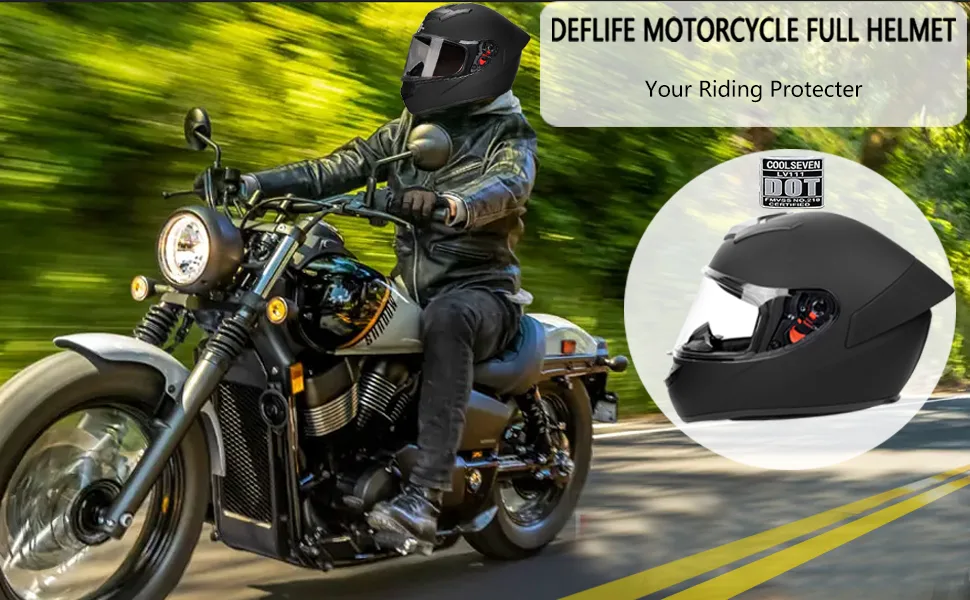
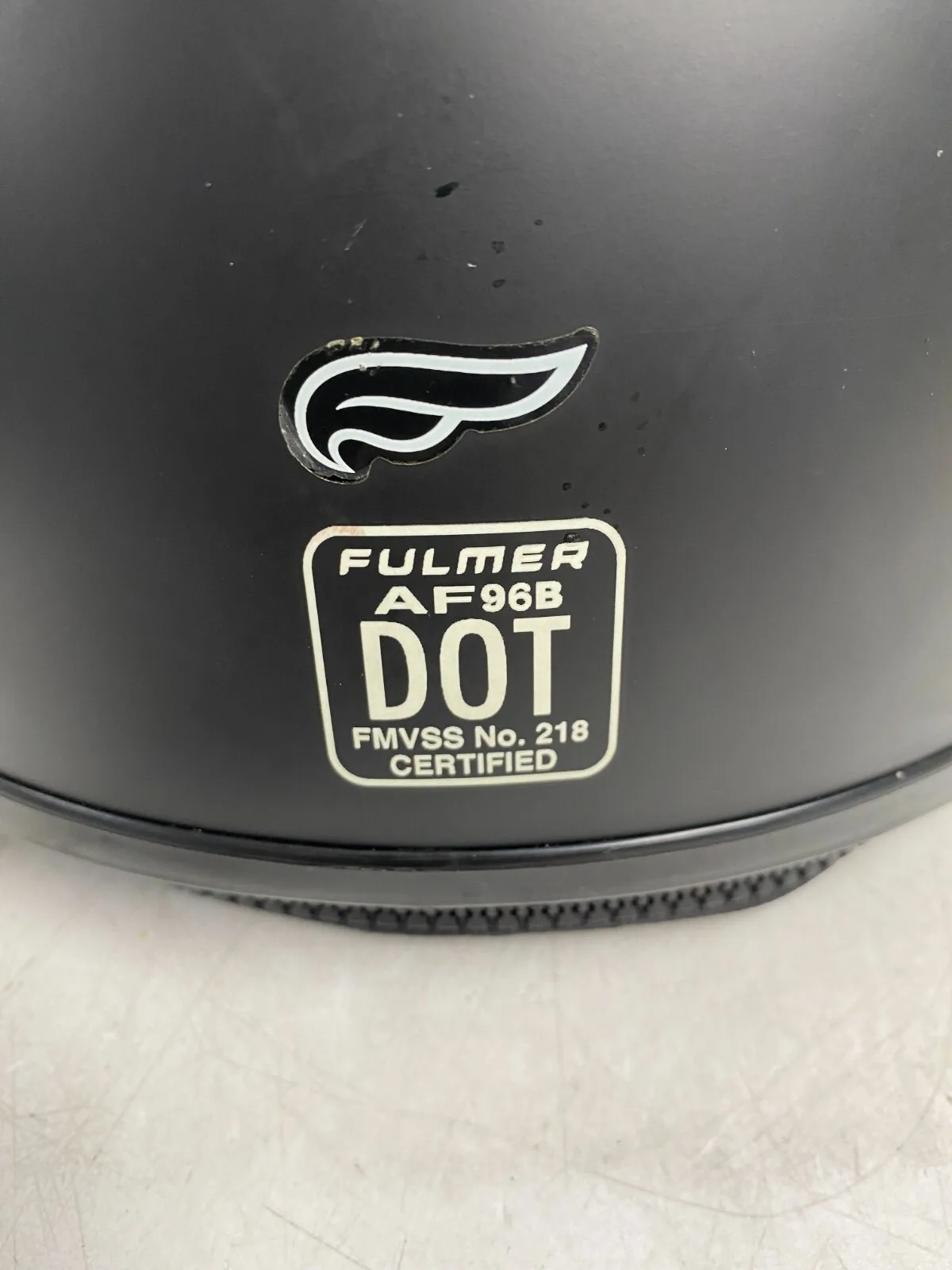
Not every helmet meets Delaware’s standards. The only acceptable ones are DOT-approved, meaning they comply with Federal Motor Vehicle Safety Standard 218. Look for the DOT symbol on the back, it’s usually a sticker or embossed label.
Bing (Web (fair-use with source credit))
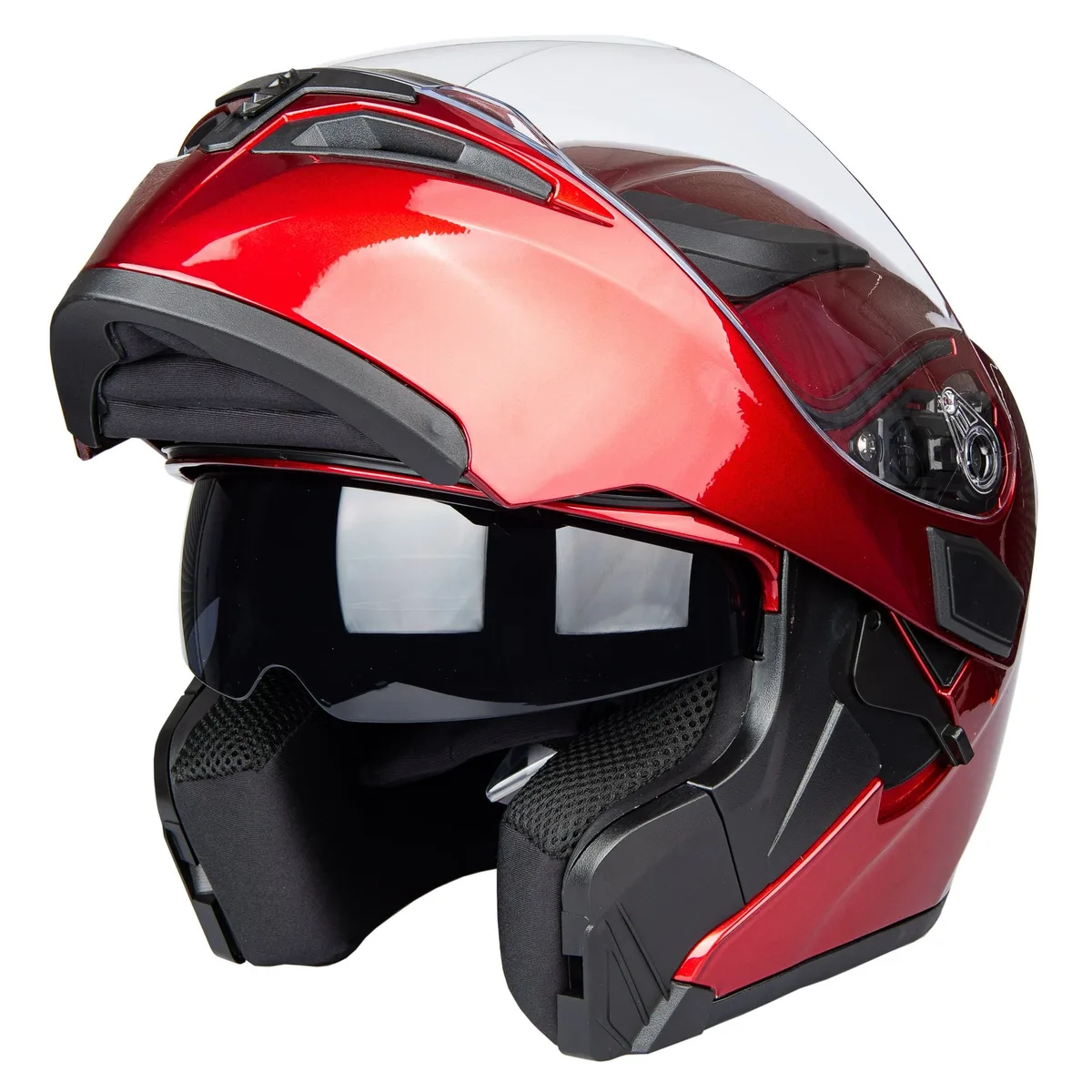
Avoid novelty helmets or those labeled for off-road use only. These don’t meet road-legal requirements. Full-face and open-face helmets are both fine as long as they carry the DOT certification.
If you’re unsure, check the Delaware DMV’s official guidelines.
Penalties for Breaking Delaware’s Helmet Law
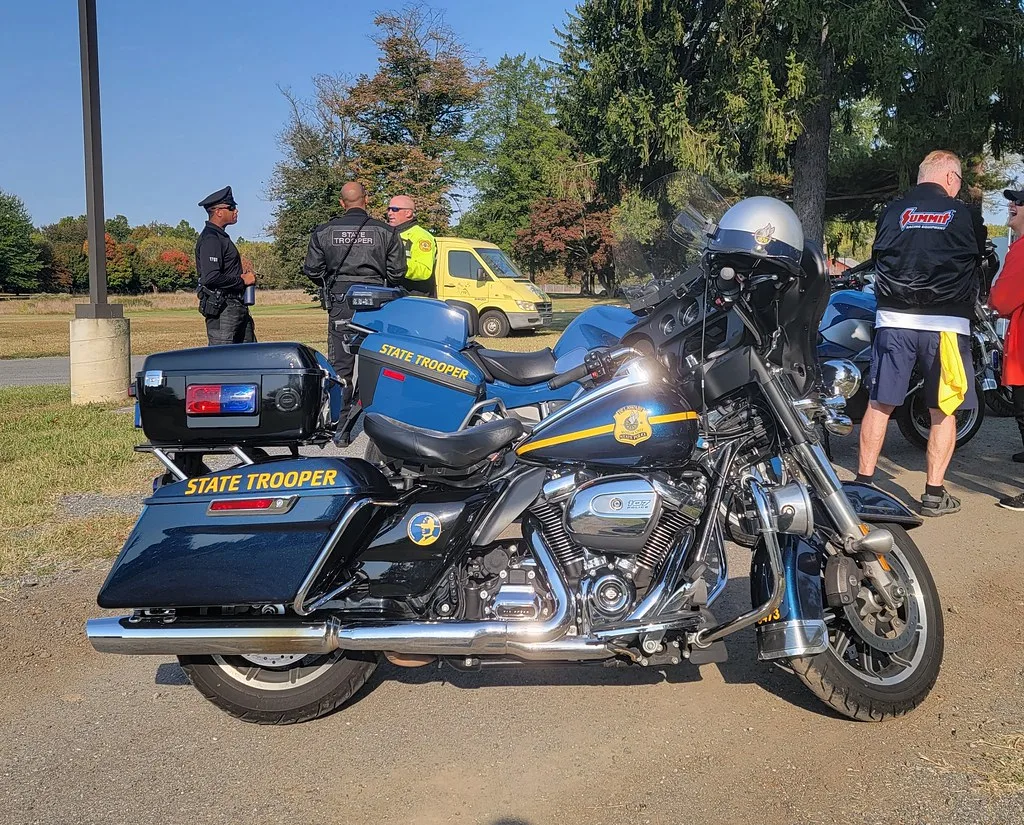
Riding without a helmet when required can cost you. Delaware State Police and local law enforcement can issue citations for non-compliance. The fine isn’t just a slap on the wrist, it’s a traffic violation that goes on your record.
Bing (Web (fair-use with source credit))
Repeat offenses may lead to higher fines or even license suspension. More importantly, skipping the helmet puts you at far greater risk in an accident. The law exists to protect you, not just to collect fees.
How to Check if Your Helmet Meets DOT Standards
Knowing your helmet is DOT-approved takes just a minute. Start by looking at the back of the helmet. You should see a clear DOT symbol, usually on a sticker or embossed into the shell.
If the sticker is missing or faded, don’t assume it’s legal. Check the inner lining for a permanent label listing the manufacturer, model, and certification details.
Avoid anything marketed as a novelty helmet. These often look like real helmets but lack impact protection. A quick way to tell: DOT-approved helmets are heavier and have thicker inner padding.
Novelty helmets are lightweight and cheap.
Common Mistakes That Get Riders in Trouble
Riders often overlook the 12-month rule for new licensees. You might be over 19 and think the law doesn’t apply to you. If you’re in your first year of licensure, it does.
Another mistake is wearing a non-DOT helmet. Some riders buy stylish novelty helmets that fail inspection. Police can check the certification tag during a traffic stop.
Other frequent errors include:
- Not securing the chin strap properly
- Using a helmet that’s too old or damaged
- Assuming passengers don’t need helmets
Helmet Safety Beyond the Law: What Experts Recommend
Meeting legal requirements is the minimum. To maximize protection, choose a full-face helmet. It covers your chin and face, which are vulnerable in crashes.
| Feature | Full-Face | Open-Face |
|---|---|---|
| Jaw protection | Yes | No |
| Face shield included | Yes | Optional |
| Noise reduction | Better | Less |
| Weight | Heavier | Lighter |
Make sure your helmet fits snugly without pressure points. It should not move when you shake your head. Replace it after any impact, even if it looks fine.
Delaware vs. Neighboring States: How the Rules Compare
Helmet laws vary widely across state lines. If you ride into Pennsylvania, New Jersey, or Maryland, the rules change.
Bing (Web (fair-use with source credit))
| State | Helmet Requirement | Applicable Group |
|---|---|---|
| Delaware | Yes | Under 19 & new licensees (first yr) |
| Pennsylvania | Yes | Under 21 & new licensees (first 2 yrs) |
| New Jersey | Yes | All riders |
| Maryland | Yes | Under 21 |
New Jersey requires helmets for everyone regardless of age. Pennsylvania extends the rule to riders under 21 and new licensees for two years. Delaware sits in the middle, with some exemptions for experienced adults.
It’s smart to wear a helmet in every state, even where it’s optional. A helmet can save your life in an accident.
Frequently Asked Questions
Does Delaware require all motorcycle riders to wear a helmet?
No. Only riders under 19 and new licensees within their first 12 months must wear one. Riders over 19 with more than a year of licensure can legally ride without a helmet in Delaware, though it’s not recommended.
What is the fine for not wearing a helmet in Delaware?
Fines vary but typically start around $75 for a first offense. Additional court costs may apply. Repeat violations can lead to higher fines and potential license suspension.
Can I wear a bicycle helmet instead of a motorcycle helmet?
No. Bicycle helmets do not meet DOT standards for motorcycle use. They lack the impact protection needed at higher speeds.
Only a DOT-approved motorcycle helmet is legal.
Do passengers need helmets in Delaware?
Yes, if they are under 19. Passengers of any age who ride with a new licensee during their first 12 months also need a helmet. The same DOT requirements apply.
How long does the helmet requirement last for new licensees?
Exactly 12 months from the date your license is issued. After that, you are no longer legally required to wear a helmet unless you are under 19.
How do I know if my helmet is DOT approved?
Look for the DOT symbol on the back. You can also check for a certification label inside the helmet. If neither is present, the helmet likely isn’t legal in Delaware.