ByMax Lee
Delaware Slow Mover Law: Traffic Impeding Rules
Driving too slowly can be just as dangerous as speeding, and Delaware takes it seriously. The Delaware slow mover law for impeding the normal movement of traffic exists to keep roads flowing smoothly and safely. If you’ve ever wondered whether you’re allowed to drive under the speed limit, this law answers that question.
Per Delaware Code Title 21, drivers must not operate a vehicle at such a slow speed that they block or disrupt the normal flow of traffic. As of 2026, this rule applies to all public roads, and violations can lead to fines.
Quick Answer
The Delaware slow mover law for impeding the normal movement of traffic prohibits driving so slowly that you disrupt traffic flow. It applies to all public roads in the state. Violations can result in fines.
The law is enforced by Delaware State Police.
Wikimedia Commons / Ken Lund from Reno, Nevada, USA (CC BY-SA)
What Delaware’s Slow Mover Law Actually Means
This law isn’t about occasional slow driving, it’s about consistently impeding the normal movement of traffic. Delaware expects drivers to maintain a speed that matches the flow of vehicles around them, unless conditions like weather or heavy traffic make it unsafe.
The rule is designed to prevent unnecessary congestion and reduce the risk of accidents caused by sudden braking or frustration from other drivers.
When You’re Legally Required to Pull Over in Delaware
Delaware law doesn’t specify an exact speed threshold for impeding traffic. Instead, it focuses on whether your speed is unreasonable for the current conditions.
If you’re driving a slow-moving vehicle, such as farm equipment or a heavily loaded truck, you must pull over when it’s safe to do so and let faster traffic pass. This is especially important on two-lane roads where passing is difficult.
For more on how different states handle traffic flow, you can compare with Connecticut’s towing safety rules.
The Exact Definition of “Impeding Traffic” in Delaware
In Delaware, impeding traffic means driving at a speed that’s so slow it disrupts the normal flow of vehicles. This is a judgment call often made by law enforcement officers based on the situation.
The law doesn’t define a specific speed, but it’s generally understood that driving 10-15 mph below the speed limit on a clear road could be considered impeding. Context matters, though, heavy traffic or poor weather may justify slower speeds.
Where the Law Applies (And Where It Doesn’t)
The slow mover law applies to all public roads in Delaware, including interstates, highways, and rural roads. It doesn’t apply to private property, such as parking lots or driveways.
On roads with a posted minimum speed limit, you must adhere to that limit unless conditions make it unsafe.
How Delaware Enforces the Slow Mover Rule
Delaware State Police and local law enforcement officers monitor traffic flow and can issue citations if they observe a vehicle impeding traffic. The decision is based on officer discretion, considering road conditions, traffic volume, and the driver’s speed relative to others.
Enforcement is most common on highways and rural roads where slow driving can create dangerous situations.

Bing (Web (fair-use with source credit))
Fines, Points, and Other Penalties You Could Face
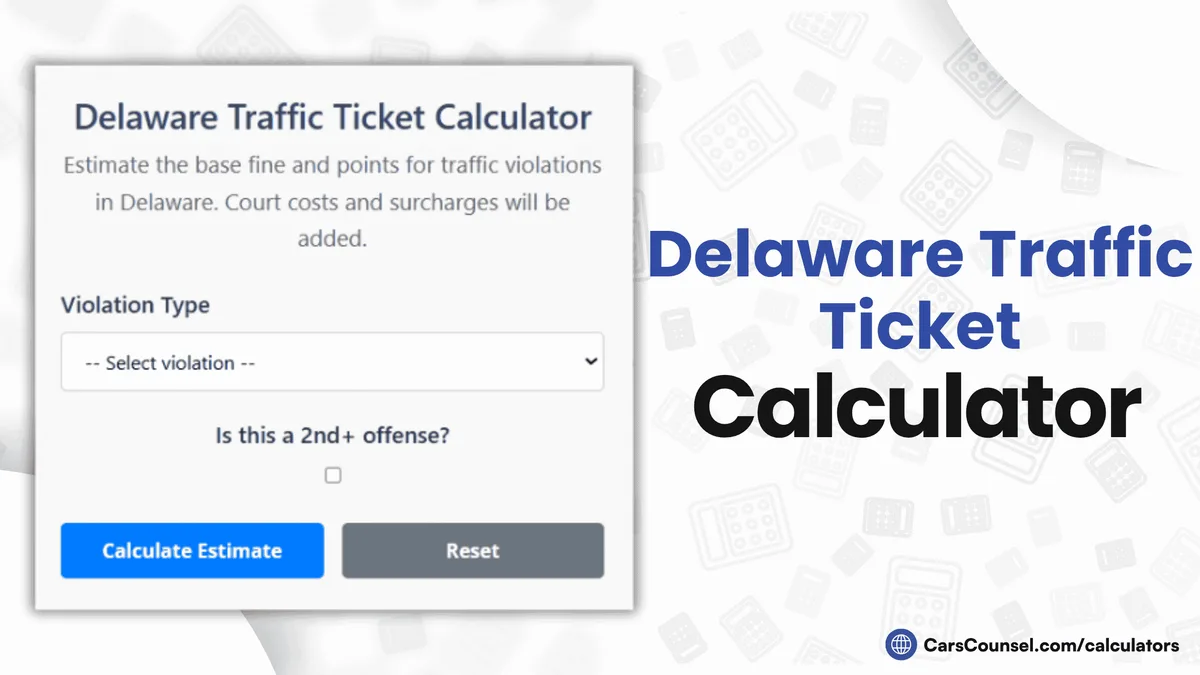
Violating Delaware’s slow mover law typically results in a fine, which can vary depending on the circumstances. As of 2026, fines for traffic violations in Delaware generally range from $25 to $200, but repeat offenses or aggravating factors can increase the penalty.
In addition to fines, you may receive points on your driving record. Accumulating too many points can lead to higher insurance premiums or even a suspended license.
Bing (Web (fair-use with source credit))
What Counts as a Slow-Moving Vehicle in Delaware
Slow-moving vehicles include farm equipment, construction machinery, and any vehicle traveling significantly below the speed limit. Delaware law requires these vehicles to display a slow-moving vehicle emblem, a bright orange triangle, if they’re moving at 25 mph or less.
This emblem alerts other drivers to the slow speed, reducing the risk of collisions.
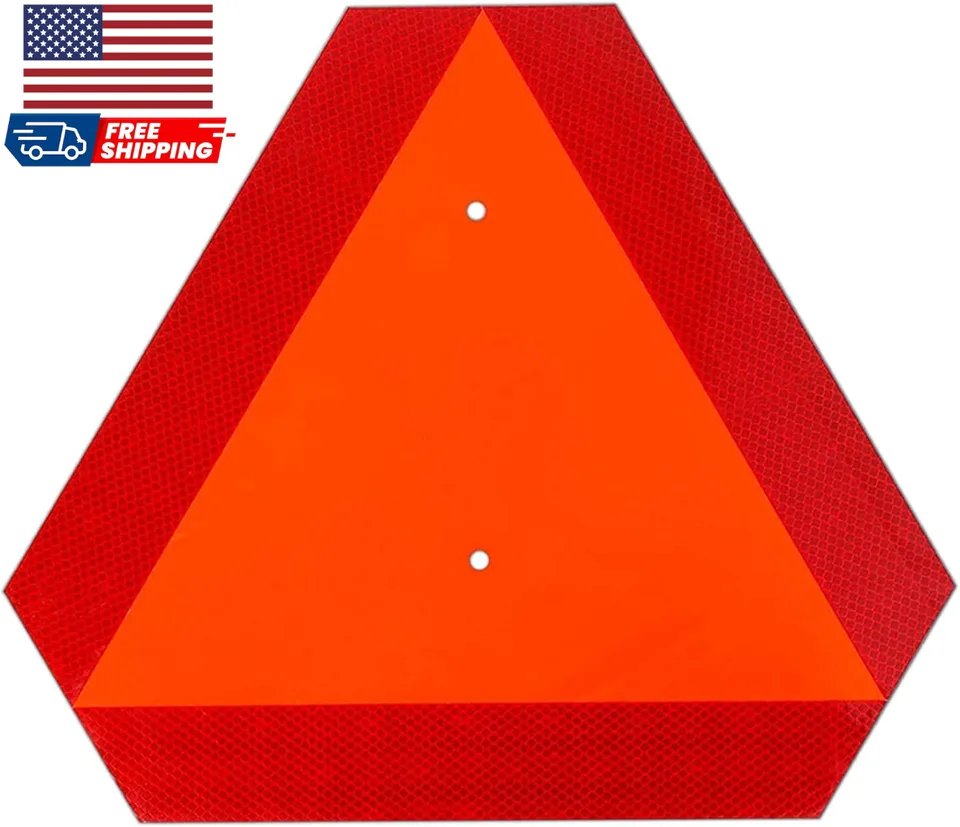
Bing (Web (fair-use with source credit))
How to Drive Slowly Without Breaking the Law
If you need to drive slowly, stay in the right lane on multi-lane roads. On two-lane roads, use pull-off areas or turnouts to let faster traffic pass when it’s safe to do so.
Always signal your intentions and use hazard lights if you’re moving much slower than the flow of traffic.
Common Mistakes That Get Drivers Ticketed
Many drivers assume that staying under the speed limit is always safe. However, driving too slowly can be just as hazardous as speeding, especially on high-speed roads.
Another common mistake is failing to pull over when a line of cars forms behind you. If you notice multiple vehicles stacking up, it’s a sign you should find a safe spot to let them pass.
Delaware’s Slow Mover Law vs. the “Move It” Law
These are two separate rules with different purposes. The slow mover law targets drivers who disrupt traffic flow by going too slowly. The "Move It" law requires drivers involved in minor accidents to move their vehicles out of traffic if possible.
Both aim to keep roads clear, but the slow mover law applies to ongoing driving behavior, while the "Move It" law is about post-accident procedures.
What to Do If You’re Pulled Over for Impeding Traffic
Stay calm and pull over safely when signaled by law enforcement. Have your license, registration, and proof of insurance ready.
You have the right to contest the citation in court if you believe it was issued in error. Check the citation for instructions on how to plead not guilty and request a hearing.
Real-Life Scenarios Where This Law Matters Most
Tourists unfamiliar with Delaware’s roads often unknowingly violate this law by driving too slowly. This is especially common on rural highways where speed limits are higher.
Farm equipment operators must be particularly cautious during planting and harvest seasons. These vehicles often travel at speeds well below the limit and must use pull-offs to allow traffic to pass.
Official Sources to Verify Delaware’s Slow Mover Rules
The Delaware Department of Transportation provides official guidance on traffic laws. Their website includes resources for drivers, including explanations of state regulations.
For the most current legal language, refer to Delaware Code Title 21, which covers motor vehicle laws. The DelDOT site is the best starting point for official information.
Quick FAQs About Delaware’s Traffic Flow Laws
Is it illegal to drive below the speed limit in Delaware?
Yes, if you’re driving so slowly that you impede the normal flow of traffic. The law doesn’t require you to speed, but you must maintain a reasonable pace.
What’s the minimum speed on Delaware highways?
Delaware doesn’t have a universal minimum speed, but driving significantly below the posted limit can lead to a citation. Always match the flow of traffic when safe.
Do slow-moving vehicles need special signs in Delaware?
Yes, vehicles traveling at 25 mph or less must display a slow-moving vehicle emblem. This is a bright orange triangle that alerts other drivers.
Can I get points on my license for impeding traffic?
Yes, a citation for impeding traffic can add points to your driving record. Too many points can lead to higher insurance rates or license suspension.
What should I do if I’m driving slowly on a two-lane road?
Use pull-off areas or turnouts to let faster traffic pass when it’s safe. Staying in the travel lane at a slow speed can create dangerous situations.