Buying a new car should mean reliability, not endless repair shop visits. The Delaware lemon law for new vehicle consumer protection and arbitration exists to protect you when a manufacturer can’t, or won’t, fix persistent defects. It’s a legal safety net with clear rules about when a car qualifies as a lemon and what recourse you have.
As of 2026, Delaware’s law covers new vehicles under warranty for 12 months or 12,000 miles, whichever comes first. If your car meets the criteria, you could be entitled to a full refund or replacement.
Quick Answer
The Delaware lemon law for new vehicle consumer protection and arbitration covers new cars with repeated, unfixed defects. It applies if the vehicle has 4 repair attempts for the same issue or is out of service for 30 days. You may get a refund or replacement.
The law covers the first 12,000 miles or 12 months.
Does Delaware’s Lemon Law Cover Your New Car?
Yes, if your car is new and under the manufacturer’s warranty. Delaware’s law applies to vehicles purchased or leased in the state. It also covers demonstrator or dealer-owned vehicles still under warranty.
The law doesn’t cover used cars, motorcycles, or off-road vehicles. It also excludes defects caused by abuse, neglect, or unauthorized modifications.
What Counts as a “Lemon” Under Delaware Law
A lemon is a new vehicle with a substantial defect that impairs its use, value, or safety. The defect must persist after a reasonable number of repair attempts. Delaware defines this as 4 attempts for the same issue or 30 cumulative days out of service.
Some defects are so severe that one failed repair attempt is enough. These include issues with brakes, steering, or other safety-critical systems.
The 4 Repair Attempts Rule (and When 1 Is Enough)
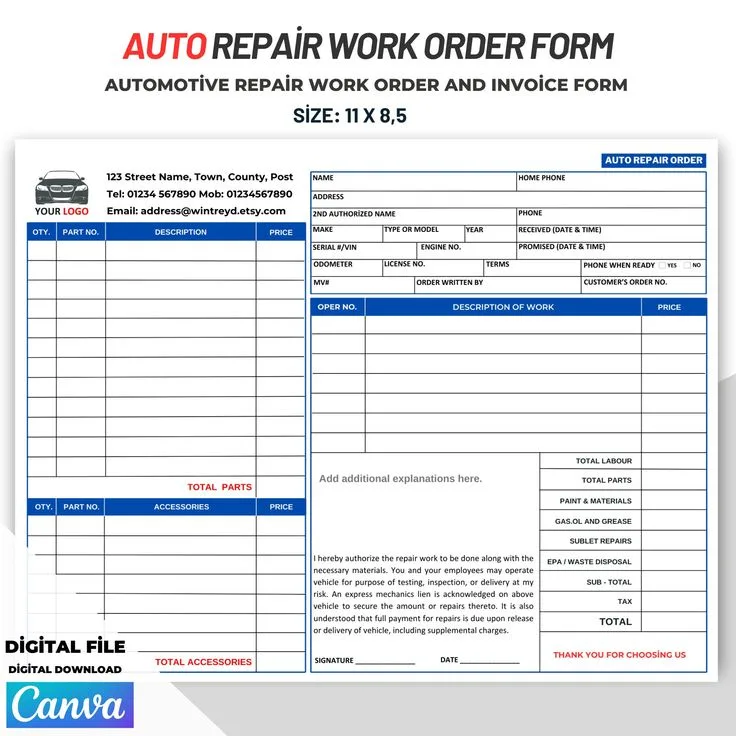
Delaware’s law requires 4 repair attempts for the same defect before a car qualifies as a lemon. Each attempt must be documented with a repair order. The 4 attempts don’t have to be consecutive, but they must occur within the warranty period.
For serious safety defects, only 1 failed repair attempt is needed. This includes issues like brake failure, steering loss, or engine fires. If the manufacturer can’t fix it on the first try, you can pursue a lemon law claim.
If the defect isn’t safety-related, you’ll need to give the manufacturer 4 chances. Keep all repair records, as they’re critical for proving your case.
Who’s Eligible: New Cars, Leases, and Warranty Windows
Eligibility is straightforward. Your vehicle must be new and purchased or leased in Delaware. It must also be under the manufacturer’s original warranty.
The warranty window is 12 months or 12,000 miles, whichever comes first. If the defect appears after this period, the law no longer applies. However, if the defect first occurred within the window but repairs extended beyond it, you may still have a case.

Leased vehicles are also covered. The same rules apply as for purchased cars. If you’re leasing, the lessor is typically responsible for pursuing the claim, but you have rights as the lessee.
For more details on vehicle-related regulations, you can explore state-specific rules. The Delaware Division of Consumer Protection, part of the Delaware Department of Justice, oversees lemon law enforcement.
Step-by-Step: How to File a Delaware Lemon Law Claim
Start by gathering all repair orders and documentation. You’ll need proof of each attempt to fix the defect. Keep a log of dates, mileage, and the issue described.
Next, send a written notice to the manufacturer by certified mail. This notice must demand a final repair attempt. The manufacturer has one last chance to fix the issue.
If the defect persists, file a complaint with the Delaware Consumer Protection Unit. They’ll guide you through the arbitration process.
What Happens in Arbitration (and How to Prepare)
Arbitration is a free, informal hearing where both sides present their case. A neutral arbitrator reviews the evidence and makes a decision. You don’t need a lawyer, but you can bring one.

Prepare by organizing all your documents. Bring repair orders, receipts, and any communication with the dealer or manufacturer. Be ready to explain how the defect affects your vehicle’s use, value, or safety.
The arbitrator’s decision is binding on the manufacturer but not on you. If you disagree with the outcome, you can still pursue legal action.
Refund vs. Replacement: What You’re Entitled To
If you win your case, you can choose between a refund or a replacement vehicle. The refund includes the full purchase price, taxes, registration fees, and finance charges. It may also cover towing, rental car costs, and other expenses related to the defect.
A replacement vehicle must be identical or comparable to your original car. The manufacturer covers any price difference if the replacement is more expensive. You’re responsible for any additional costs if you upgrade.
The manufacturer has 30 days to comply with the arbitrator’s decision. If they don’t, they may face penalties under Delaware law.
Common Mistakes That Sink Lemon Law Claims
Many claims fail because owners don’t document repairs properly. Always get a written repair order for every visit. Without proof, the manufacturer can argue the defect wasn’t serious or wasn’t addressed.
Another mistake is missing deadlines. The 12-month or 12,000-mile window is strict. If you wait too long to report the issue, you may lose your right to file a claim.
Don’t assume the dealer will fix the problem. If the defect persists after multiple attempts, take action. The law is on your side, but you have to follow the process.
Delaware Lemon Law vs. Federal Warranty Protections
Delaware’s lemon law is more specific than federal protections. The federal Magnuson-Moss Warranty Act covers any product with a written warranty, not just vehicles. It also doesn’t have the same clear thresholds for defects.
Delaware’s law is faster and more straightforward for car owners. It provides a clear path to arbitration and resolution. Federal law may offer additional recourse if your case doesn’t qualify under state rules.
When to Hire a Lawyer (and When You Don’t Need One)
You don’t need a lawyer for Delaware’s lemon law arbitration. The process is designed to be consumer-friendly. Many people handle it successfully on their own.
Consider hiring an attorney if the manufacturer disputes your claim aggressively. A lawyer can also help if you’re pursuing additional damages beyond the standard refund or replacement.
Real-Life Example: A Delaware Lemon Law Win
A Delaware driver purchased a new SUV that kept stalling at intersections. After 5 repair attempts over 4 months, the issue persisted. The owner documented each visit and sent a certified letter to the manufacturer.
The case went to arbitration, where the repair records and safety concerns convinced the arbitrator. The manufacturer was ordered to buy back the vehicle at full price, including taxes and fees. The owner received their refund within 30 days.
FAQs About Delaware’s Lemon Law
Does the law cover used cars?
No. Delaware’s lemon law only applies to new vehicles under the original manufacturer’s warranty. Used cars may have other protections under federal law or dealer warranties.
How long do I have to file a claim?
You must report the defect within 12 months or 12,000 miles, whichever comes first. The arbitration process must begin before the warranty expires.
What if the dealer says the problem is my fault?
The manufacturer must prove the defect was caused by abuse or unauthorized modifications. If the issue is covered under warranty, they’re obligated to fix it.
Can I still file if I modified my car?
Modifications can void warranty coverage for related parts. If the defect is unrelated to your changes, you may still have a case. Document the original issue before any modifications.
What happens if the manufacturer ignores the arbitration decision?
They face penalties under Delaware law. You can also pursue legal action to enforce the decision. The Delaware Department of Justice can intervene in cases of non-compliance.
Does the law cover rental cars during repairs?
No. The law doesn’t require manufacturers to provide rental cars. Some warranties or dealerships may offer loaners as a courtesy.