Georgia TAVT exemptions for disabled veterans and prisoners of war can erase a heavy tax bill at the tag office. Too many eligible vets still pay the 6.6% title fee because they hear sloppy advice.
Per the Georgia Department of Revenue, the Title Ad Valorem Tax runs 6.6% of fair market value as of 2026. That single charge can top a thousand dollars on a used pickup. Here is what actually qualifies before you reach the counter.

Why Accuracy Matters for Georgia TAVT Exemptions
Wrong tax guidance hurts real people. A missed exemption means you pay hundreds out of pocket for nothing.
The state does not send reminders. Your county tag office assumes you know the law. Our research shows many agents confuse this waiver with the annual ad valorem break.
This is a finance and legal topic. Bad paperwork can delay your title or trigger a penalty. The broader motor vehicle guides cover similar traps in other states.
We treat this as expert-level because the stakes are real. Get the proof wrong and you eat the cost.
Quick Answer: Who Gets the Disabled Veteran or POW Waiver
Georgia TAVT exemptions for disabled veterans and prisoners of war waive the full tax. A 100% permanent service-connected disabled vet qualifies. Former prisoners of war qualify too.
The car must be titled in their name. Only one vehicle per person is exempt.
Core Facts: How the Georgia TAVT Exemption Works Under O.C.G.A. § 48-5C-1
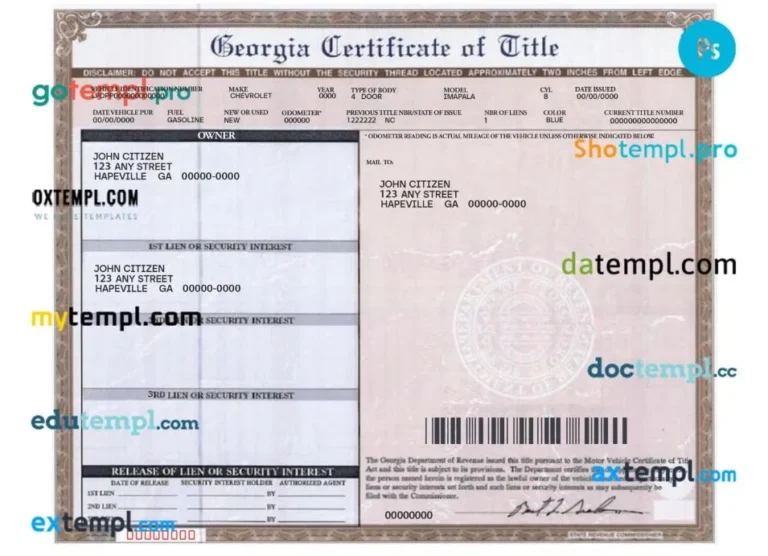
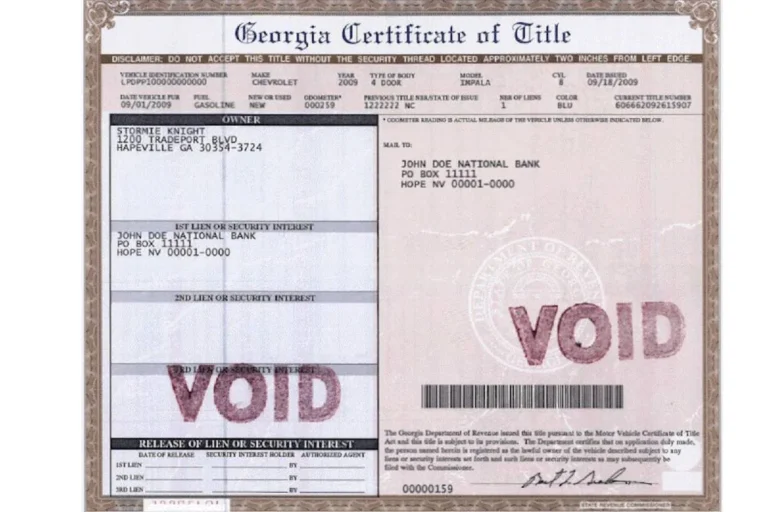
The exemption lives in O.C.G.A. § 48-5C-1. That statute tells Georgia counties to skip TAVT for qualified vets and POWs.
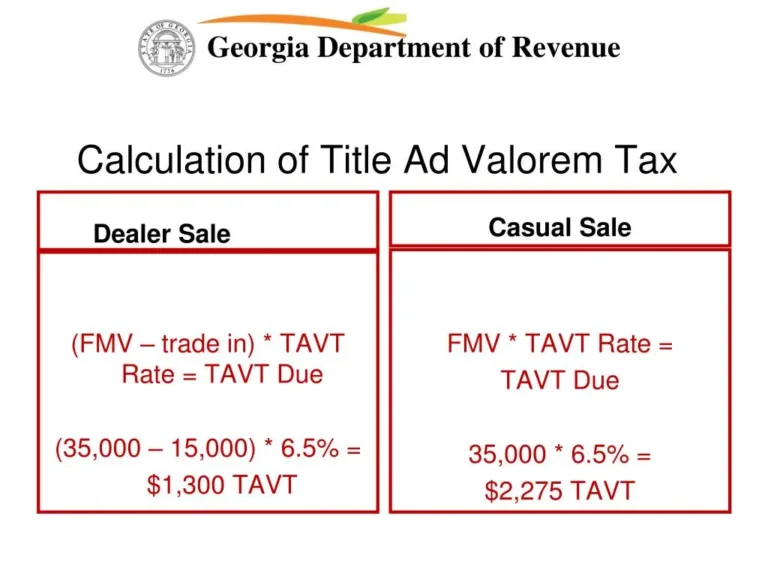
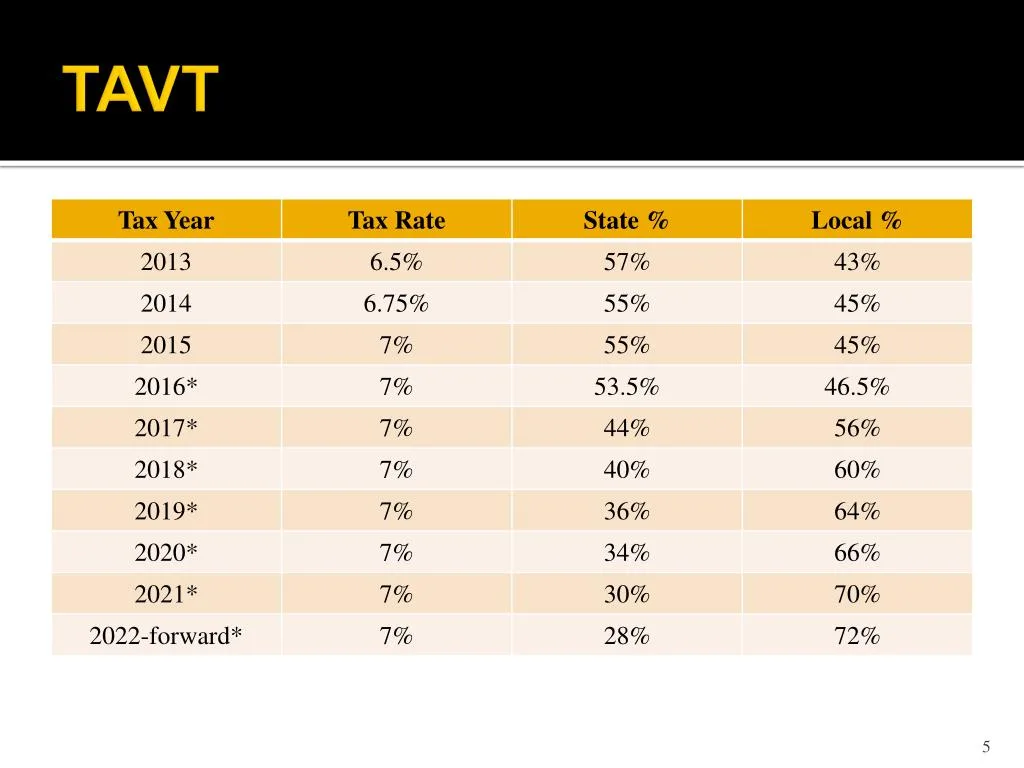
TAVT is a one-time title tax. It replaced the old sales tax plus yearly ad valorem scheme in 2013. The rate is 6.6% of the vehicle's fair market value as of 2026.
The waiver cuts that tax to zero. You still owe the $18 title fee. Emissions tests in metro Atlanta are separate and still required.
Here is the basic math for a $20,000 used car:
| Scenario | TAVT due | Title fee |
|---|---|---|
| Standard buyer | $1,320 | $18 |
| Exempt vet/POW | $0 | $18 |
The identity paperwork checklist shows how strict document rules get for state motor files. Georgia is no different.
The Georgia Department of Revenue publishes the rule for tag agents. The Official Code of Georgia holds the statute if you want the legal text.
What You Need to Qualify: 100% Disability and POW Status Rules
You must be a Georgia resident. A VA letter proving 100% permanent and total service-connected disability is required.
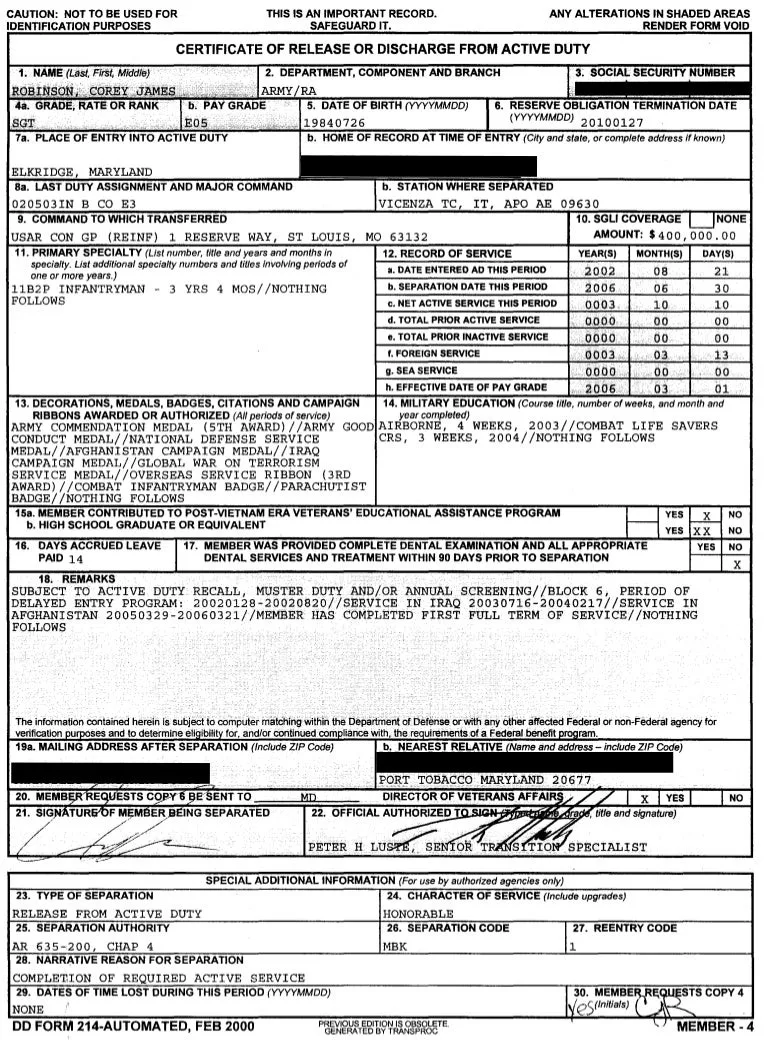
Former POWs need proof of captivity. The DD-214 often shows this, but some records need a VA verification.
The vehicle title must carry your name. Spouses do not get the waiver automatically. The medical waiver process in other states shows why solid documentation matters.
Partial disability ratings do not qualify. The law draws a hard line at 100%. Non-resident vets stationed here still pay TAVT.
Bring these core items:
- VA award letter with 100% P&T status
- DD-214 or POW verification
- Georgia driver license as residency proof
- Utility bill if license is new
Step-by-Step: How to Title an Exempt Vehicle at a Georgia County Tag Office
The process is simple if you arrive prepared. Miss the window and you pay TAVT upfront.
Documents You’ll Bring
Collect the VA letter, DD-214, and Georgia ID. A recent utility bill locks residency.
The address update rules remind us that stale address records slow titles. Fix your license first.
The MV-1 and 30-Day Window
File Form MV-1 within 30 days of purchase. The tag office keys your exemption into the state system.

Late filers pay TAVT, then chase a refund. That refund can take months. The older plate eligibility rules show how plate counters handle vintage tags, but Georgia's MV-1 is the modern path.
The $18 Title Fee and What’s Still Due
Pay the $18 title fee at the counter. TAVT drops to zero on approval.
You still handle registration and any local fees. The buyer protection laws matter if the car is new, but the exemption itself is about title tax only.
Common Mistakes That Cost Veterans the Exemption
The most common slip is showing up without the right paperwork. Your tag office will reject the waiver if the VA letter lacks the 100% permanent and total line.
Some folks think the break covers every car they own. The statute limits it to one vehicle titled in the qualifying person's name.
Mixing this up with the annual ad valorem exemption is another error. That separate program cuts yearly property tax, not the one-time title charge.
Missing the 30-day title window creates a self-inflicted headache. You pay TAVT upfront, then file for refund that takes months to arrive.
A former POW can hit a wall when captivity isn't flagged in VA records. Pull a certified POW verification before you visit the counter.
Non-resident vets stationed in Georgia still owe the tax. The exemption demands state residency, shown by a Georgia license or utility bill.
We've seen families assume a spouse's name on the title qualifies. It doesn't. The veteran or POW must be the registered owner.
POW and Disabled Vet Exemption vs. Standard TAVT and Annual Ad Valorem Breaks
Understanding the difference saves you from surprise bills. The TAVT waiver is a one-time title tax cut, while the annual ad valorem break repeats each year.
Here is how the programs stack up:
| Program | Who gets it | Tax affected | Repeat |
|---|---|---|---|
| TAVT waiver | 100% P&T vet or POW | One-time title tax | No |
| Annual ad valorem exemption | Disabled vet (varies) | Yearly property tax | Yes |
| Standard TAVT | All other buyers | One-time title tax | No |
| Pre-2013 legacy | Old registrations | Sales tax plus yearly | No |
The TAVT waiver fits a vet buying a single daily driver. The annual break helps those already paying county property tax on a car.
Partial-disability veterans get neither TAVT waiver. They may still claim the annual ad valorem reduction if their rating meets that program's rule.
If you own two cars, title one under the exemption and the other pays normal TAVT. Plan the purchase order so your exempt vehicle is the one you keep long term.
The historic plate rules show how other state programs separate one-time fees from yearly ones. Georgia's split is just as strict.
Benefits, Limits, and Real-World Frustrations
The clear win is cash in your pocket. On a $15,000 truck, the waiver saves $990 at today's 6.6% rate.
Only one vehicle qualifies per person. That limit frustrates families with two drivers needing two cars.
The $18 title fee survives the waiver. Metro Atlanta buyers still sit through the emissions test before registration clears.
Tag agents sometimes miskey the exemption. Bring a printed VA letter so the counter clerk has proof in hand.
Refund delays sting when you miss the 30-day file. The state sends the money back, but plan for a long wait.
The law gives former POWs a clean path. Their service gets recognized at the title desk, not just on paper.
Legal Compliance and Penalties for False Claims
False military-status claims carry real penalties. Georgia law treats that as a criminal act with fines and possible prosecution.
The exemption requires true residency. A mailbox in Georgia won't beat a license from another state.
VA certification is legally sufficient proof. You don't need extra notary paperwork if the award letter is current.
O.C.G.A. § 48-5C-1 is the backing statute. County offices follow it, but they can't override its limits.
If your rating drops below 100%, report the change. Keeping the waiver after losing eligibility is fraud.
The consumer protection steps remind us that state motor laws demand honest disclosures. The same honesty applies here.
When to Get Help From the DOR or a Tag Agent
Call the Georgia Department of Revenue before you buy if your status is unclear. They confirm eligibility over the phone or by email.
Your county tag office can pre-check your MV-1. A quick visit with papers in hand avoids a failed filing.
POW records sometimes need VA correction. Request a flagged verification letter at least two weeks before title day.
If a clerk rejects a valid waiver, ask for a supervisor. Our research shows most errors fix fast once a manager views the statute.
Veterans service organizations offer free help with forms. They know the DOR language and can spot missing lines.
FAQs on Georgia TAVT for Disabled Veterans and Former POWs
Does the TAVT exemption cover a spouse's vehicle?
No, the waiver does not cover a spouse's vehicle by default. The title must sit in the qualified veteran's or POW's name. A husband or wife can assist at the counter, but the state system flags the owner, not the family.
If the spouse holds title, TAVT applies at 6.6%.
Can I use the waiver on a second car I buy later?
You get one exempt vehicle per person, so a second car pays standard TAVT. If you sell the first exempt ride, you can move the waiver to the replacement title. Tell the tag office before filing MV-1 on the new purchase.
The 30-day window still applies to the transfer.
What if my VA rating is 90 percent, not 100?
A 90 percent rating does not qualify for the TAVT waiver. The statute sets a hard line at 100 percent permanent and total service connection. You may still claim the annual ad valorem exemption if your county allows it.
Pull your VA letter to confirm the exact code before visiting.
Do former POWs need a special license plate?
No special plate is required to claim the TAVT waiver. POW status alone, proven by DD-214 or VA verification, clears the tax. A disabled vet plate is a separate benefit you can add at the same counter.
The plate is optional, the title waiver is not tied to it.
How long does the refund take if I paid TAVT by mistake?
Refunds for a missed waiver typically take several months from filing. You must submit the VA proof and MV-1 after the fact to the DOR. The state sends a check once the county clears the error.
Plan for the wait and keep copies of every form you send.