ByMax Lee
Georgia Car Seat Laws for Kids 8 & Under
Georgia child restraint law and car seat requirements for ages 8 and under can feel confusing, but the rules are clear once you break them down. The state mandates specific restraints based on age, height, and weight to keep kids safe in vehicles. Following these laws isn’t just about avoiding fines, it’s about protecting your child in a crash.
As of 2026, Georgia requires children under 8 to be in a car seat or booster unless they meet height and weight exemptions. The National Highway Traffic Safety Administration reports that properly used car seats reduce the risk of fatal injury by 71% for infants.
Bing (Web (fair-use with source credit))
Quick Answer
Georgia law requires children under 8 to ride in a car seat or booster. Kids under 4’9” or under 80 lbs must use a booster even if they’re 8 or older. Rear-facing seats are safest for infants and toddlers.
Forward-facing seats with a harness come next.
Why This Law Exists (And Why It Matters for Your Child’s Safety)
Car crashes are a leading cause of death for children in the U.S. Georgia’s child restraint law exists to minimize injuries by ensuring kids are secured in age-appropriate restraints. The NHTSA confirms that car seats and boosters significantly reduce the risk of serious injury.
The law also helps parents avoid costly fines. In Georgia, violating child restraint laws can result in a fine of up to $50 plus court costs. More importantly, it’s about giving your child the best chance of walking away from a crash unharmed.
Who the Law Applies To (And Who’s Exempt)
This law covers all children under 8 years old riding in passenger vehicles. It applies to parents, guardians, and anyone transporting a child. There are no exceptions for short trips or quick errands.
The only exemptions are for children who are at least 4’9” tall or weigh 80 or more pounds. These kids may use the vehicle’s seat belt instead of a booster. However, even if a child meets the height or weight requirement, a booster is still recommended until the seat belt fits properly.
Georgia’s Car Seat Requirements by Age, Height, and Weight
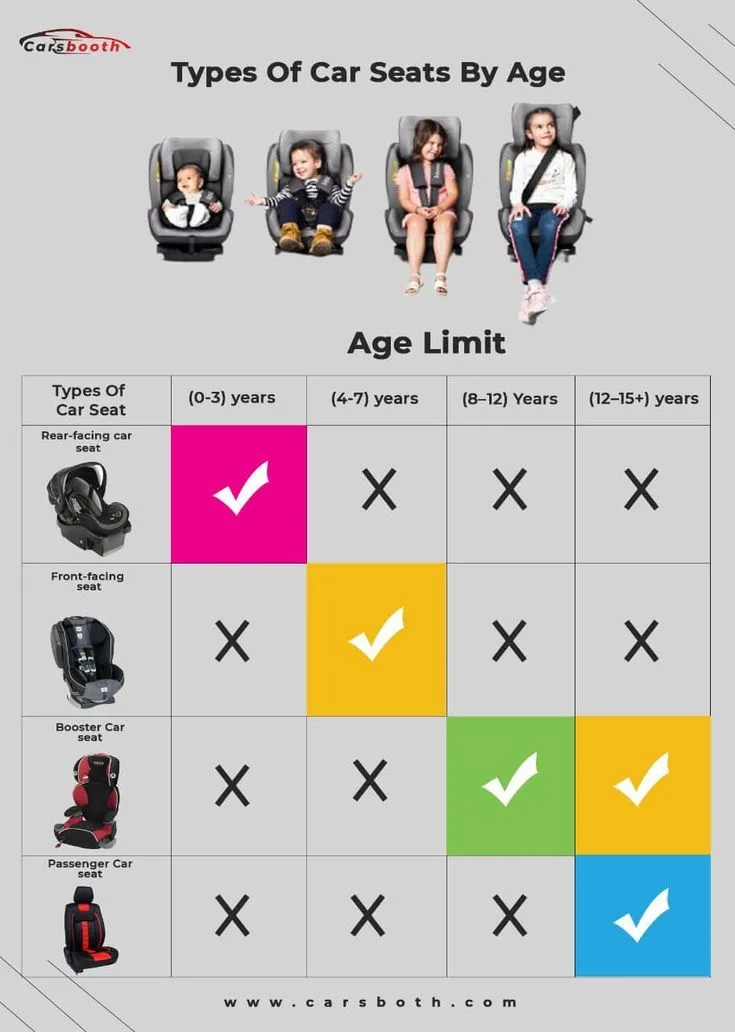
Georgia’s law follows a progression based on a child’s development. The type of restraint changes as your child grows.
Infants and Toddlers: Rear-Facing Seats
Infants and toddlers should ride in rear-facing car seats until they reach the seat’s height or weight limit. The American Academy of Pediatrics recommends keeping children rear-facing as long as possible, at least until age 2.
Rear-facing seats provide the best support for a child’s head, neck, and spine in a crash. Many convertible seats allow rear-facing use up to 40 or 50 pounds.
Bing (Web (fair-use with source credit))
Toddlers and Preschoolers: Forward-Facing with Harness
Once a child outgrows the rear-facing seat’s limits, they should transition to a forward-facing seat with a 5-point harness. This stage typically starts around age 2 but depends on the child’s size and the seat’s specifications.
Forward-facing seats should be used until the child reaches the seat’s height or weight limit, usually around 65 pounds. The harness should be snug, with the chest clip at armpit level.
School-Age Kids: Booster Seats
When a child outgrows the forward-facing seat, they should move to a booster seat. Boosters help position the vehicle’s seat belt correctly across the child’s body.
Georgia law requires booster seats for children under 8 who are also under 4’9” or under 80 pounds. High-back boosters are ideal for vehicles without headrests, while backless boosters work in cars with proper head support.
When Can a Child Use Just a Seat Belt?
A child can use the vehicle’s seat belt alone if they meet all of the following criteria:
- At least 8 years old or at least 4’9” tall or at least 80 pounds
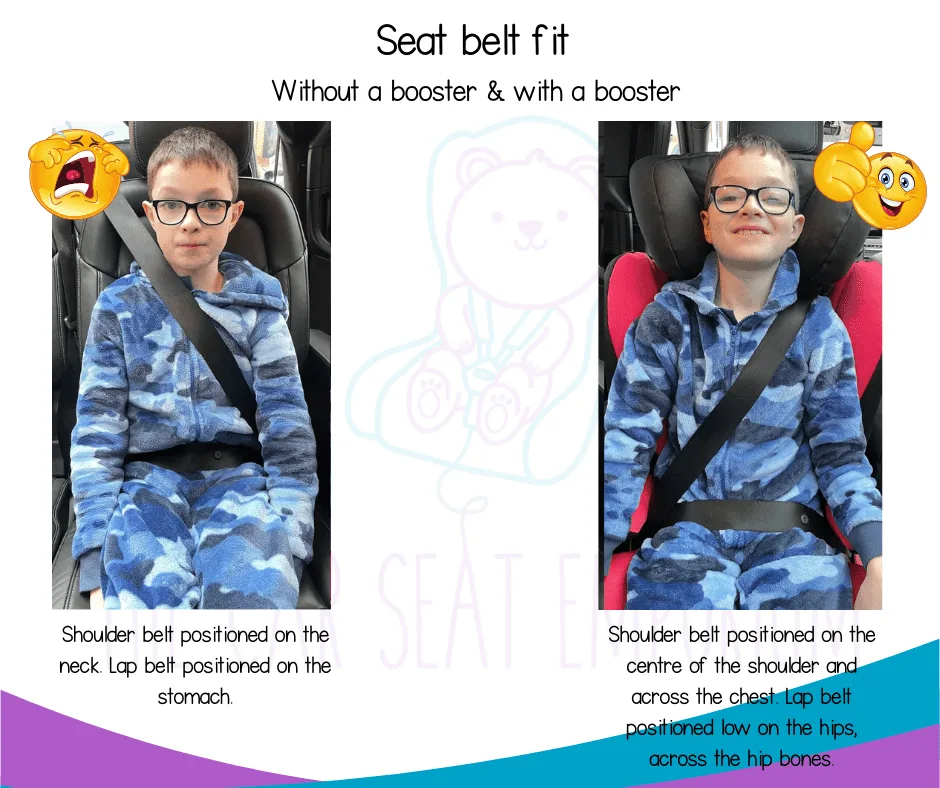
- The lap belt lies snugly across the upper thighs, not the stomach
- The shoulder belt crosses the chest and shoulder, not the neck or face
- The child can sit with their back against the seat and knees bent at the edge of the seat
If the seat belt doesn’t fit properly, the child should remain in a booster seat.
How to Tell If Your Child Is Ready to Ditch the Booster
Use the 5-step seat belt fit test. The child must sit all the way back against the seat. Their knees should bend at the edge of the seat without slouching.
The lap belt must lie snugly across the upper thighs, not the stomach. The shoulder belt should cross the chest and shoulder, not the neck or face. If any part fails, they need a booster.
Bing (Web (fair-use with source credit))
Most kids pass this test between ages 8 and 12. Height matters more than age, so shorter children may need a booster longer.
Step-by-Step: Choosing and Installing the Right Car Seat
First, check your child’s age, height, and weight against the seat’s limits. Infants start in rear-facing seats, then move to forward-facing with a harness. School-age kids use boosters until the seat belt fits properly.
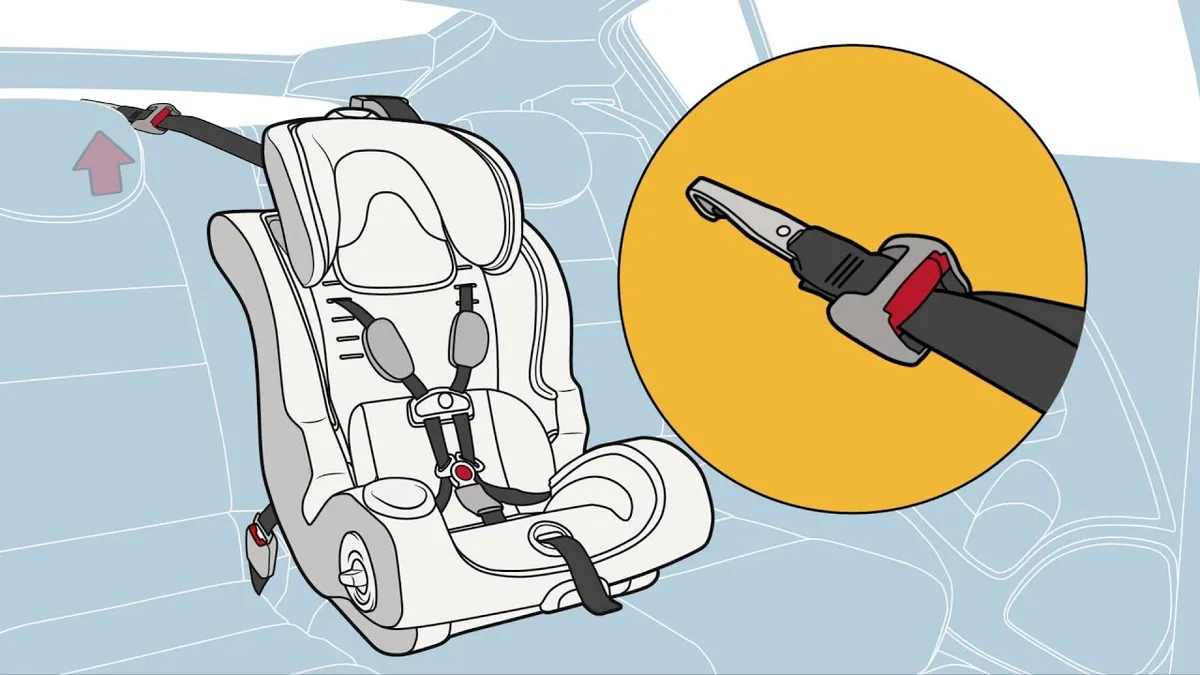
Install the seat using either the LATCH system or the vehicle’s seat belt. Never use both at the same time. The seat should not move more than an inch side to side when tested at the belt path.
For rear-facing seats, ensure the base is level and the harness straps are at or below the child’s shoulders. For forward-facing seats, the harness straps should be at or above the shoulders. The chest clip should always be at armpit level.
Common Mistakes Georgia Parents Make (And How to Avoid Them)
Many parents move their child to the next seat stage too soon. Keep them in each stage until they reach the maximum height or weight limit. Transitioning early reduces protection.
Another common error is loose installation. A properly installed seat should not shift more than an inch in any direction. Use the LATCH system or seat belt correctly, and always follow the manufacturer’s instructions.
Some parents place the car seat in the front seat. The back seat is always safer for children under 13. If you must use the front seat, push the vehicle seat as far back as possible and disable the airbag if the child is in a rear-facing seat.
What Happens If You Break the Law?
Georgia’s child restraint law is a primary offense. Police can pull you over solely for a child not being properly restrained. The fine is up to $50, plus court costs.
More importantly, an improperly restrained child is at higher risk of injury or death in a crash. The law exists to protect children, not just to issue fines.
Where to Get a Free Car Seat Check in Georgia
Many fire stations, police departments, and hospitals offer free car seat inspections. Certified technicians will check your installation and ensure your child is in the right seat for their size.
You can also find inspection stations through the Georgia Governor’s Office of Highway Safety. They provide a list of locations and events where you can get your car seat checked.

Bing (Web (fair-use with source credit))
These checks take about 20 to 30 minutes. They’re a great way to ensure your child’s seat is installed correctly and that you’re following Georgia’s laws.
FAQs About Georgia’s Child Restraint Law
Does Georgia require car seats in taxis or rideshares?
No, Georgia law does not require car seats in taxis or rideshares. However, the AAP strongly recommends using one for every ride. Many rideshare services offer car seat options for an additional fee.
Can my 7-year-old use just a seat belt if they’re tall for their age?
Only if they pass the 5-step seat belt fit test. Most 7-year-olds don’t meet the height and weight requirements. A booster seat is the safer choice until they’re at least 4’9” tall.
What’s the fine for not using a car seat in Georgia?
The fine is up to $50 plus court costs. The real cost is the risk to your child’s safety. Proper restraints reduce the chance of injury in a crash by up to 71%.
When can my child sit in the front seat in Georgia?
Georgia law doesn’t specify an age for front seat use. However, the back seat is safest for all children under 13. If a child must ride in front, move the seat as far back as possible.
Are backless boosters legal in Georgia?
Yes, backless boosters are legal if the child meets the height and weight requirements. They’re best for vehicles with headrests. High-back boosters provide extra support in cars without headrests.
How do I know if my car seat is expired?
Check the manufacturer’s label on the seat. Most car seats expire after 6 to 10 years. Never use a seat past its expiration date, as the materials degrade over time.