ByMax Lee
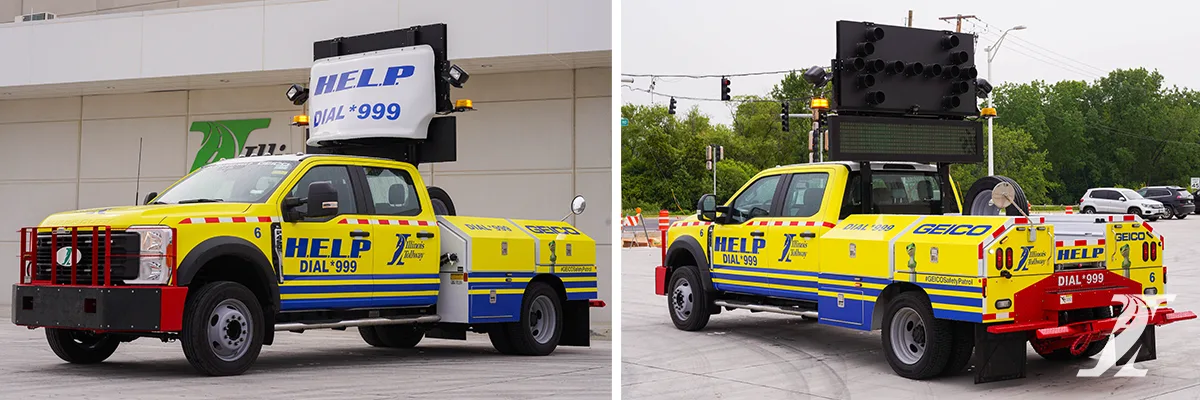
Illinois Tollway HELP Trucks: Emergency Roadside Assistance
Bing (Web (fair-use with source credit))
Breaking Down on the Illinois Tollway? Here's How to Get Help Fast
Breaking down on a high-speed tollway is one of the scariest things that can happen behind the wheel. You're surrounded by fast-moving traffic, stranded on a narrow shoulder, and not sure who to call or what to do. The Illinois Tollway emergency roadside assistance and H.E.L.P. truck services are designed exactly for this moment.
They provide a free, fast resource to get you off the shoulder and back on the road safely.
The program operates across all 294 miles of the Illinois Tollway system. Over 150 specially marked trucks patrol during peak hours. Average response time is about 15 to 20 minutes.
As of 2026, the service remains completely free, funded entirely by toll revenue. Understanding how to use it can turn a panic-inducing situation into a manageable one. At our blog, we focus on road safety and tollway navigation.
Let's walk through what you need to know.
Quick Answer
Illinois Tollway HELP trucks patrol 294 miles of tolled highway. They provide free tire changes, jump starts, and minor mechanical fixes. Call *999 for non-emergency breakdowns.
Call 911 for injuries or immediate danger. Stay inside your locked car. Response time averages 15 to 20 minutes.
Why Getting This Right Could Save Your Life
Stopping on a high-speed shoulder is extremely dangerous. Even with hazard lights on, you're vulnerable. A split-second distraction from another driver can turn a breakdown into a tragedy.
Knowing how to use the HELP service reduces the time you spend on the shoulder. That lower exposure directly lowers your risk.
The National Highway Traffic Safety Administration reports hundreds of fatalities each year in roadside-related crashes. NHTSA emphasizes the importance of moving out of traffic lanes quickly and calling for trained help. The Illinois Tollway HELP operators are trained in traffic control and first response.
They know how to position their truck to shield you from passing vehicles.
Preparation also means knowing your insurance coverage before an emergency happens. Some policies include roadside assistance that can back up the free HELP service. Others require you to pay out of pocket for towing.
Review your policy so you're not caught off guard.
Most importantly, never try to fix a car yourself on a tollway shoulder. The risk of being struck by a passing vehicle is too high. Let the professionals handle it.
What the HELP Trucks Actually Do (and What They Don't)
HELP stands for Highway Emergency Lane Patrol. These are orange-and-white trucks that cruise the tollway looking for stranded motorists. They carry equipment for the most common breakdown scenarios.
But they are not tow trucks. They are not mobile repair shops. They are first-response patrol vehicles designed to get you rolling again quickly.
If they cannot fix the problem, they will help you arrange for a tow truck. You will likely need to pay for that separately.
| Service | HELP Can Do | HELP Cannot Do |
|---|---|---|
| Tire change | Yes, if you have a working spare | They cannot provide a spare tire |
| Jump start | Yes, with a portable power pack | They cannot replace your battery |
| Fuel delivery | Yes, a gallon or two (regular gas) | Not for diesel or premium on all trucks |
| Minor mechanical repair | Simple fixes like loose hoses or belts | No major engine or transmission work |
| Accident response | Set up traffic cones, direct cars | No injuries, no police reports |
| Unlock your car | No | Call a locksmith or 911 |
| Towing | No | They call a private tower at your expense |
Service hours are 6:00 AM to 8:00 PM on most routes. Weekend coverage is limited on some sections. If you break down outside those hours, call a private roadside assistance provider or law enforcement.
One big advantage: HELP is free for every driver on the system. You do not need a membership or an appointment. If you are on a tolled Illinois highway, you are eligible.
When to Call 911 vs. *999 – The Decision That Matters Most
This is the most common point of confusion. Getting it wrong can waste critical minutes or put you in more danger.
Call 911 if:
- Anyone is injured
- The car is on fire
- There is an active medical emergency
- You feel unsafe due to another person
- A crash involves multiple vehicles
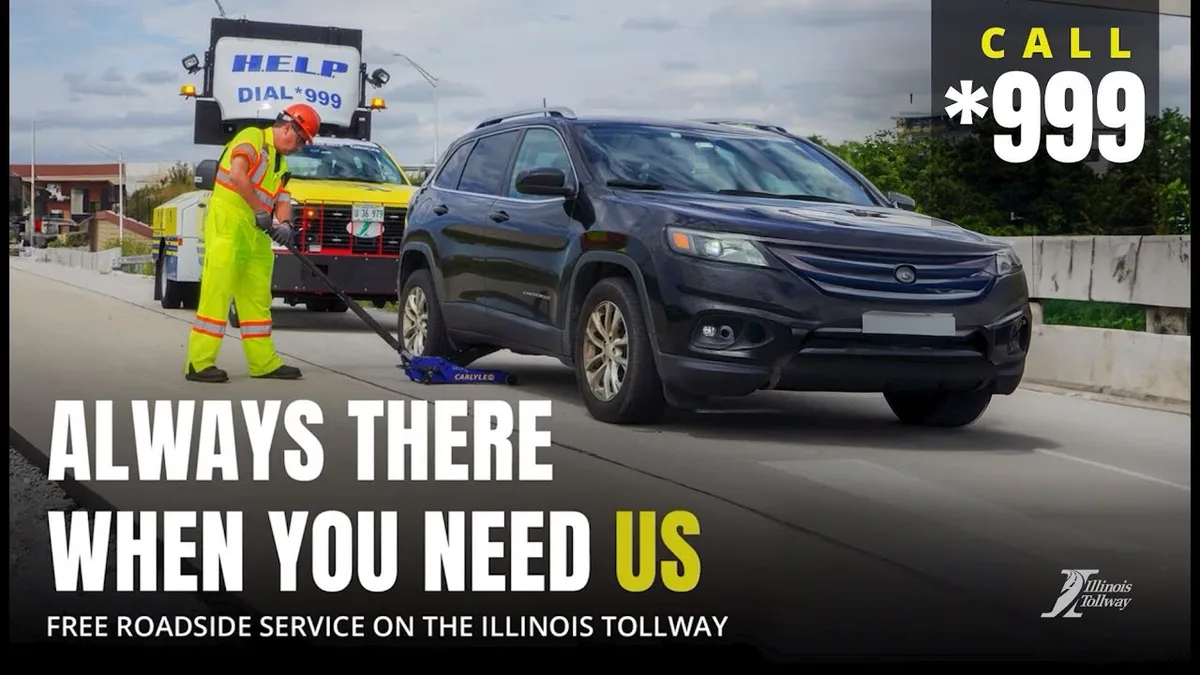
Call *999 (Illinois Tollway emergency number) if:
- You have a flat tire, dead battery, or empty fuel tank
- The car needs a minor fix
- You need traffic control around a stopped vehicle
- No one is injured and there is no immediate danger
Still unsure? Call 911. They will redirect you if needed.
It is better to over-call than to hesitate.
Bing (Web (fair-use with source credit))
The *999 number connects directly to the Illinois Tollway's traffic management center. Dispatchers can see camera feeds along most routes. They know exactly where HELP trucks are patrolling.
That means faster response than calling 911 for a non-injury breakdown.
Save *999 in your phone contacts now. You may not remember it in the moment. Programming it ahead of time removes one extra step when you are stressed.
How to Pull Over Safely on a High-Speed Tollway
Where you stop is just as important as how you get help. A bad pullover can put you in the path of traffic before the HELP truck even arrives.
Follow these steps exactly:
- Turn on your hazard lights immediately. This warns drivers behind you.
- Check your mirrors. Look for a gap in traffic. Do not slam on the brakes.
- Signal your intention. Use your turn signal to show you are moving right.
- Reduce speed slowly. Coast down to a safe speed before you reach the shoulder.
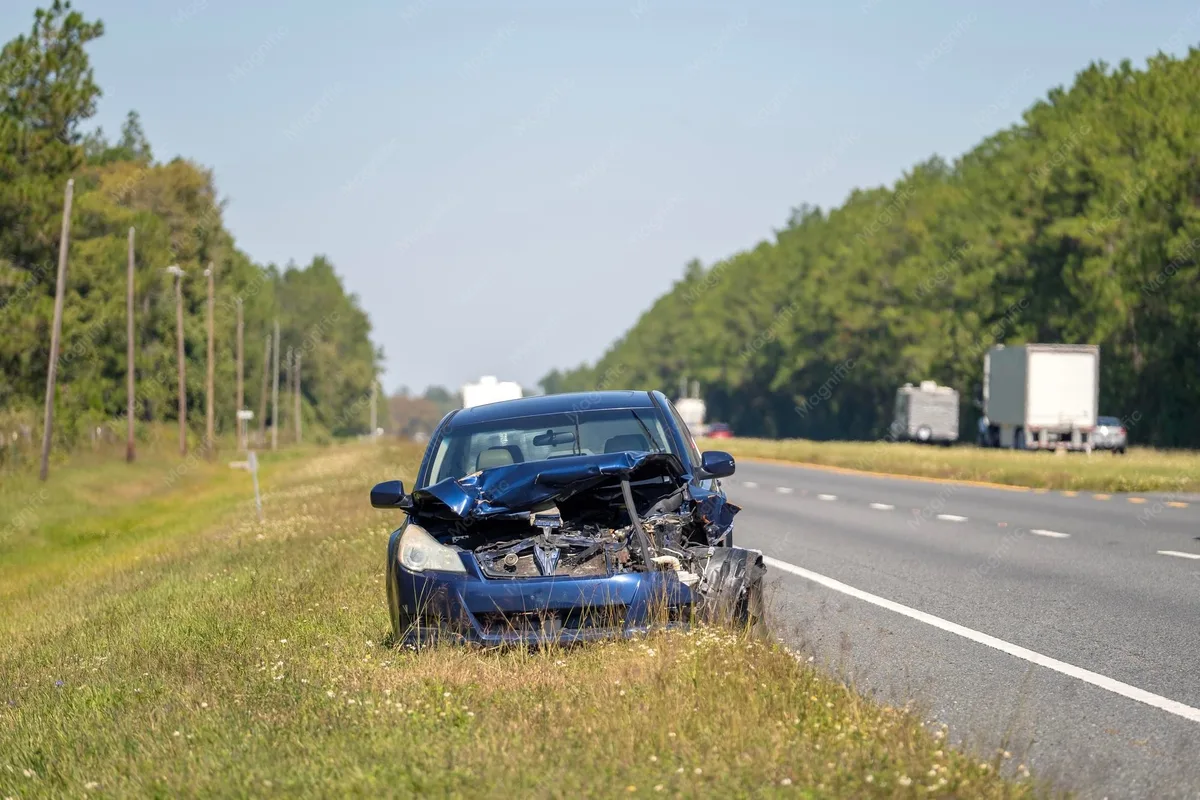
- Pull onto the right shoulder as far as possible. Aim for flat, wide pavement.
- Turn your front wheels away from traffic. This prevents the car from rolling into the lane.
- Set your parking brake. Secure the car completely.
- Stay buckled in. Do not get out of the car unless a HELP operator tells you it is safe.
Bing (Web (fair-use with source credit))
Where to avoid:
- Curves and blind hills
- Bridge decks and overpasses
- On-ramps and off-ramps
- Toll plazas
If you can, roll down your window slightly to hear approaching vehicles. Keep your doors locked. Do not accept help from strangers.
Only uniformed HELP operators or law enforcement should approach you.
Keep your driver's license and registration within reach without unbuckling.
Step by Step: What to Expect After You Call for Help
The moment you place the call, the process starts.
Step 1: You Call *999 or 911
Stay calm. The dispatcher will ask for your location, vehicle description, what happened, whether anyone is injured, and whether the car is blocking a lane. Provide the clearest location details you can.
Look for mile marker signs. If you passed an exit sign, mention the exit number.
Step 2: Dispatcher Confirms and Sends a HELP Truck
The dispatcher will tell you a truck is on the way. Do not hang up until they tell you to.
Step 3: Wait in Your Locked Car
Keep your seatbelt on. Keep the doors locked. Do not stand outside to flag down help.
The operator knows where you are. Let them find you.
Step 4: The HELP Operator Assesses the Situation
The operator will tap on your window and ask about the problem. They will check the tire, battery, or engine issue. If they can fix it on the spot, they will.
They will tell you when it is safe to step out.
Step 5: You Are Back on the Road or Arranging a Tow
If the fix works, merge back into traffic carefully. If the problem is beyond HELP, the operator will call a private towing company. You are responsible for the tow fee.
Your insurance roadside assistance or membership can help cover it.
What If HELP Is Not Available?
Break down after hours? Call 911 for police assistance. Your insurance roadside assistance or AAA can also send help, but response times are usually longer on tollways due to access restrictions.
The Hard Limits of HELP Trucks (and Your Backup Plan When They Can't Help)
HELP trucks handle the most common roadside issues, but they have hard boundaries. Knowing them before you break down saves you from waiting 20 minutes only to learn you still need a tow.
Here is what will force a tow:
- A blown tire with no spare
- A seized engine or transmission failure
- A collision that damaged the suspension or wheels
- A locked steering column or key fob failure
- Any fluid leak larger than a slow drip
When the HELP operator determines the issue is beyond their scope, they call a private tow truck. That tow is not free.
Your backup plan should be ready before you leave the driveway.
| Option | Cost | Typical Response on Tollway |
|---|---|---|
| HELP truck | Free | 15-20 minutes |
| Insurance roadside | Usually free or $0-50 deductible | 30-60 minutes |
| AAA or similar membership | Free with membership | 30-60 minutes |
| Credit card roadside | Often free | 45-90 minutes |
| Private tow (cash) | $100-300+ | 20-40 minutes |
Call your insurance or membership provider while you wait for the HELP truck if you suspect the fix will exceed simple roadside repair. That way, if HELP taps out, the next truck is already rolling.
The Most Dangerous Mistakes Drivers Make on the Shoulder
Emergency responders and HELP operators report the same unsafe behaviors over and over.
Mistake 1: Getting out of the car. This is the number one error. A passing vehicle can clip you in a split second. Stay inside with your seatbelt on.
Mistake 2: Standing behind or in front of the vehicle. If a car hits you from behind, you become the crumple zone. The safest spot is inside the driver seat.
Mistake 3: Accepting help from Good Samaritans. A uniformed HELP operator or police officer is the only person who should approach your vehicle. Keep the doors locked.
Mistake 4: Trying to cross multiple lanes of traffic. Stay on the right shoulder. Crossing lanes causes side-impact collisions.
Mistake 5: Not calling for help. Call *999 or 911 as soon as you are safely stopped. Every minute counts.
HELP Trucks vs. Private Roadside Assistance – Which to Use
Use HELP first when you have a flat tire, dead battery, or empty fuel tank during service hours. It is free and fast.
Use private roadside assistance first when you are outside HELP service hours, need a tow, have a specialty vehicle, or are on a non-tolled highway.
The smart strategy is layered: start with HELP and have a private backup ready.
Seasonal Breakdown Realities: Winter Batteries vs. Summer Blowouts
The type of breakdown you face depends on the season. Illinois winters are brutal on vehicles. Summers bring their own risks.
Bing (Web (fair-use with source credit))
Winter (December to February)
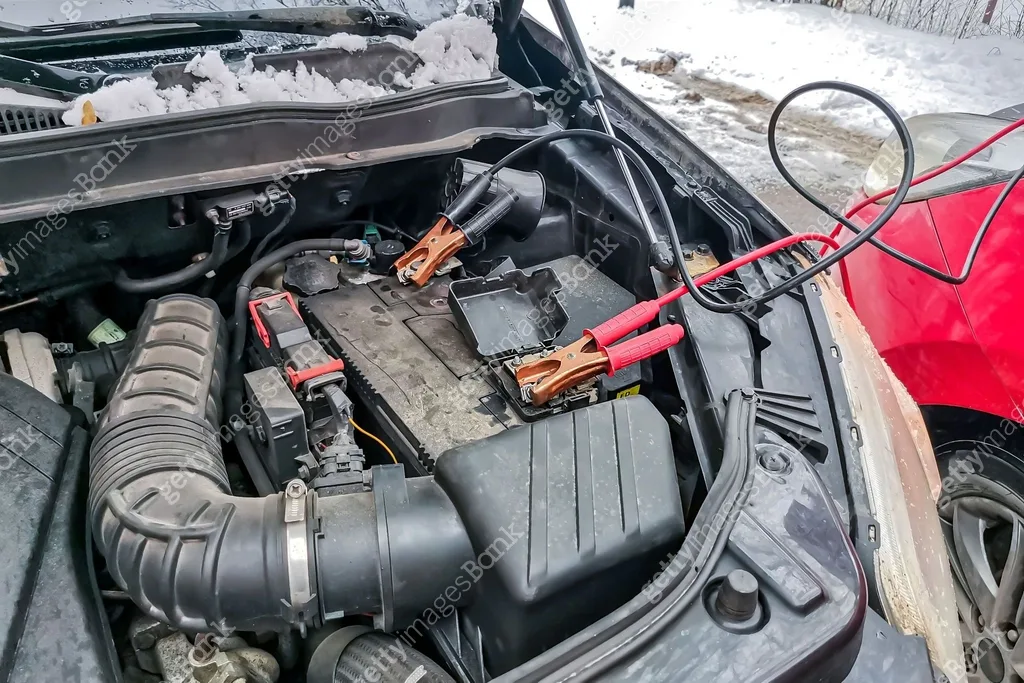
Cold temperatures reduce battery capacity by 30 to 50 percent. Dead batteries are the most common HELP call during cold months. Other issues include frozen fuel lines and low tire pressure.
Winter tip: replace your battery before December if it tests weak. Keep a portable jump starter in your trunk.
Summer (June to August)
Heat strains cooling systems and tires. Overheating engines and blown tires spike during heat waves.
Summer tip: check coolant levels before long drives. Inspect tire sidewalls for cracks or bulges.
Illinois Laws You Need to Know
Move Over Law, Drivers must move over one lane for any stopped vehicle with flashing lights. If they cannot move over, they must slow down. Fines start at $150.
Distracted Driving Rules, Illinois is a hands-free state. You may use your phone to call 911 or *999 during an emergency after pulling over.
Tow Truck Regulations, Private tow trucks must be registered with the Illinois Commerce Commission. Ask for the estimated cost before the tow begins. You have the right to request a specific company.
What to Keep in Your Car for a Tollway Emergency
Pack a small roadside kit: a portable jump starter, flashlight, reflective vest, and a quart of oil. Keep your insurance card and emergency contact list in the glove box.
Winter drivers should add an ice scraper and warm gloves. None of these items replace HELP service, but they shorten your wait.
Real Scenarios – Exactly How Three Different Breakdowns Played Out
Scenario 1: Dead battery on I-90 near Schaumburg. A driver called *999 at 7:15 AM. HELP arrived in 14 minutes. The operator jump-started the car in under 5 minutes.
Total time from breakdown to rolling: 19 minutes.
Scenario 2: Flat tire on I-294 near O'Hare during evening rush. The driver had no spare. HELP arrived in 22 minutes. They called a tow.
The tow reached the driver 30 minutes later. Total tow cost: $175.
Scenario 3: Empty gas tank on I-355 in winter. HELP arrived in 18 minutes. They provided one gallon of gas, enough to reach the next oasis. No cost.
No further delays.
Quick Decision Guide: Your Next 10 Steps After Breaking Down
- Hit your hazard lights immediately.
- Steer to the right shoulder as far as possible.
- Turn your wheels away from traffic.
- Set the parking brake.
- Stay buckled in with doors locked.
- Call *999 (or 911 if injuries or danger).
- Describe your location and problem.
- Wait inside the car for HELP.
- Follow the operator's instructions.
- Pull back into traffic carefully after repairs.
Frequently Asked Questions
Can I get HELP service if I don't have an Illinois Tollway pass?
Yes. The service is free for all vehicles on the tollway system. You do not need an I-PASS or any toll account to receive help.
How late does the HELP service run?
Most routes are covered from 6:00 AM to 8:00 PM daily. Some routes have limited weekend hours. Check the Illinois Tollway website for current schedules.
What happens if my car can't be repaired on the shoulder?
The HELP operator calls a licensed tow truck. You pay the towing fee directly. Your insurance or roadside membership may cover the cost.
Is it safe to wait in my car if I'm blocking a lane?
Move onto the shoulder if possible. If your car is stranded in an active lane, call 911 immediately and stay buckled in. Emergency responders will arrive quickly.
Can HELP unlock my car if I lock my keys inside?
No. HELP trucks do not have lockout tools. Call a locksmith or 911 for entry assistance.