Louisiana muffler and exhaust systems must be maintained to prevent excessive noise and unlawful emissions. Ignoring this can lead to failed inspections, fines, or even safety hazards from fumes entering the cabin. As of 2026, Louisiana enforces strict noise and emissions standards, with passenger vehicles capped at 92 decibels and regular testing required in several parishes.
These rules protect air quality and public health. The Louisiana Department of Environmental Quality (LDEQ) oversees compliance, and non-compliant vehicles can’t pass state inspections.
Quick Answer
Louisiana muffler and exhaust systems must be maintained to prevent excessive noise and unlawful emissions. Passenger cars can’t exceed 92 dB. Emissions tests are required every two years in select parishes.
Failed tests mean mandatory repairs. Noise violations can result in fines up to $250.
Why Louisiana’s Muffler and Exhaust Rules Matter for Your Car
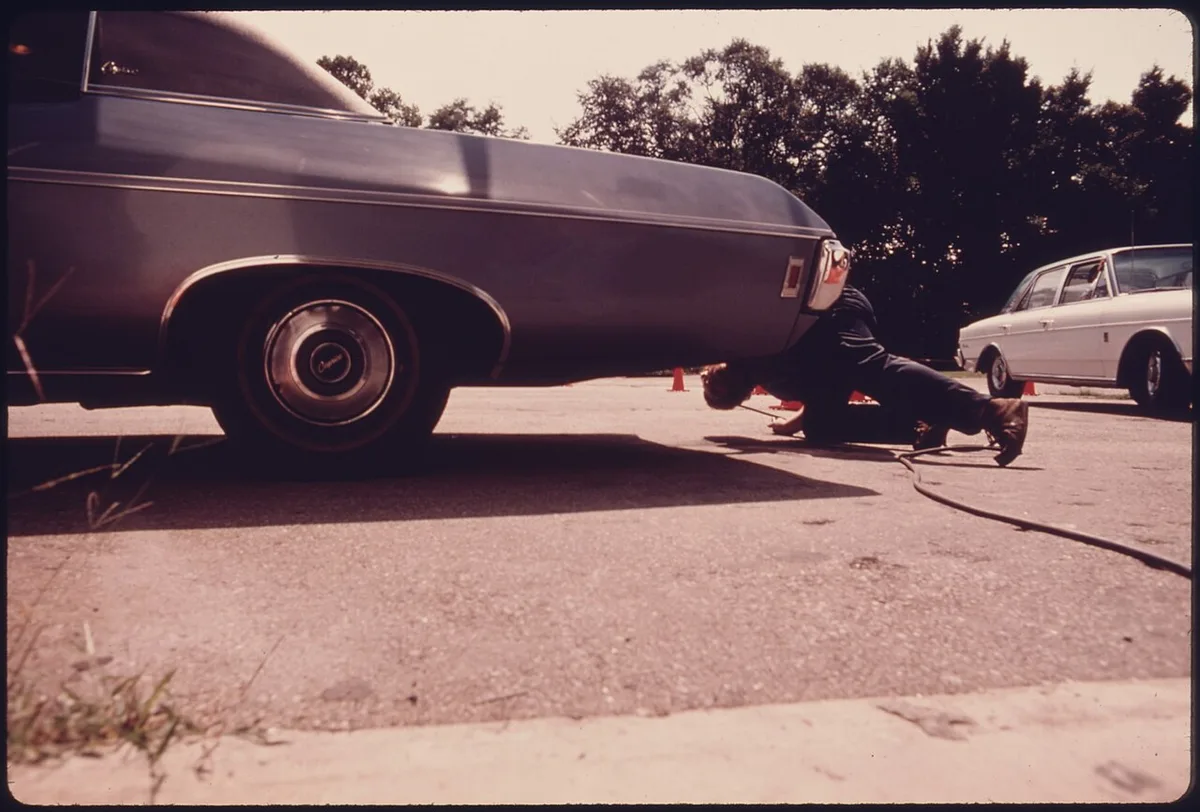
A faulty exhaust system doesn’t just sound bad, it can poison the air and your cabin. Carbon monoxide leaks are silent but deadly, and Louisiana’s humid climate speeds up rust in exhaust pipes. Keeping your system in check also prevents engine damage from backpressure.
For routine upkeep, regular checks are cheaper than repairs. The state’s emissions program targets ozone pollution, which affects respiratory health.
Louisiana’s Legal Noise and Emissions Limits
Louisiana follows EPA Tier 3 standards for newer vehicles, while older models have state-specific limits. The LDEQ sets the rules, and testing is mandatory in East Baton Rouge, West Baton Rouge, Livingston, Ascension, and Iberville parishes.
Noise limits vary by vehicle type:
- Passenger cars: ≤ 92 dB at 50 feet
- Motorcycles: ≤ 88 dB
- Trucks: ≤ 95 dB
Exceeding these can trigger fines. Tampering with emissions systems is a federal offense. Local ordinances may add extra restrictions, especially in urban areas.
How Exhaust Systems Work (And Why They Fail)
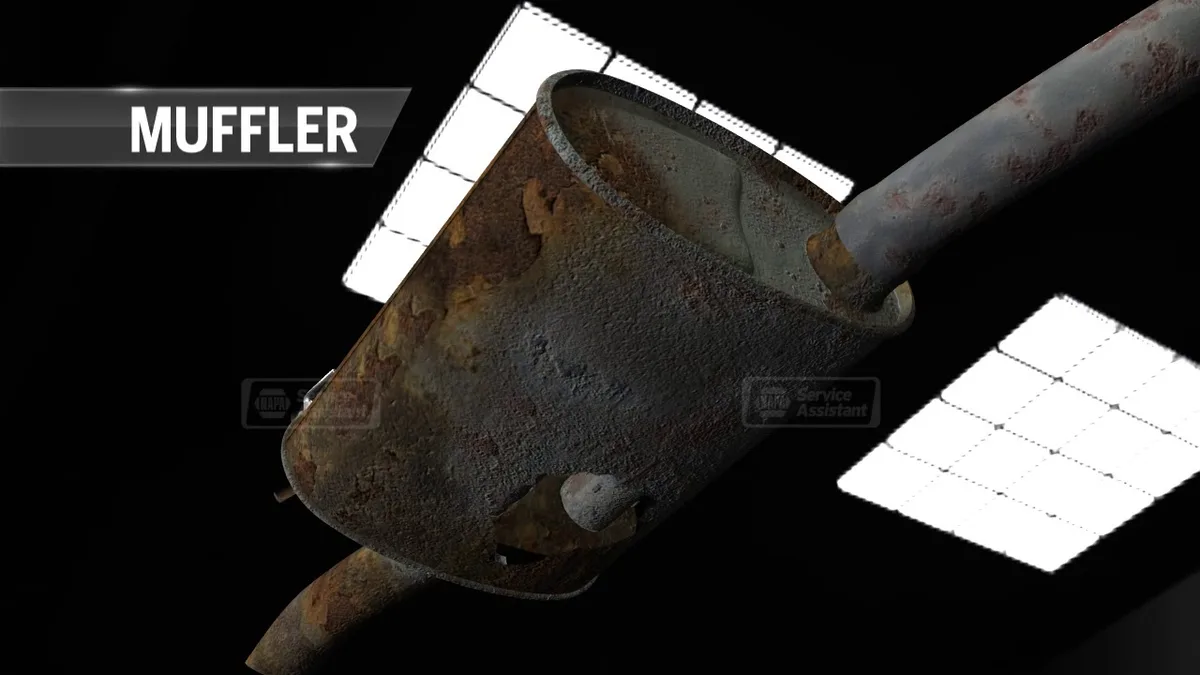
Your exhaust system routes toxic gases away, reduces pollution, and improves performance. Key components include:
- Muffler: Dampens noise
- Catalytic converter: Cuts harmful emissions
- Exhaust pipes: Direct flow
- Oxygen sensors: Monitor efficiency
Corrosion is the top killer in Louisiana’s humid climate. Rust eats through pipes and mufflers, while clogged catalytic converters trigger check engine lights. Poor maintenance also leads to leaks, which can let fumes into the cabin.
Signs Your Muffler or Exhaust Needs Attention
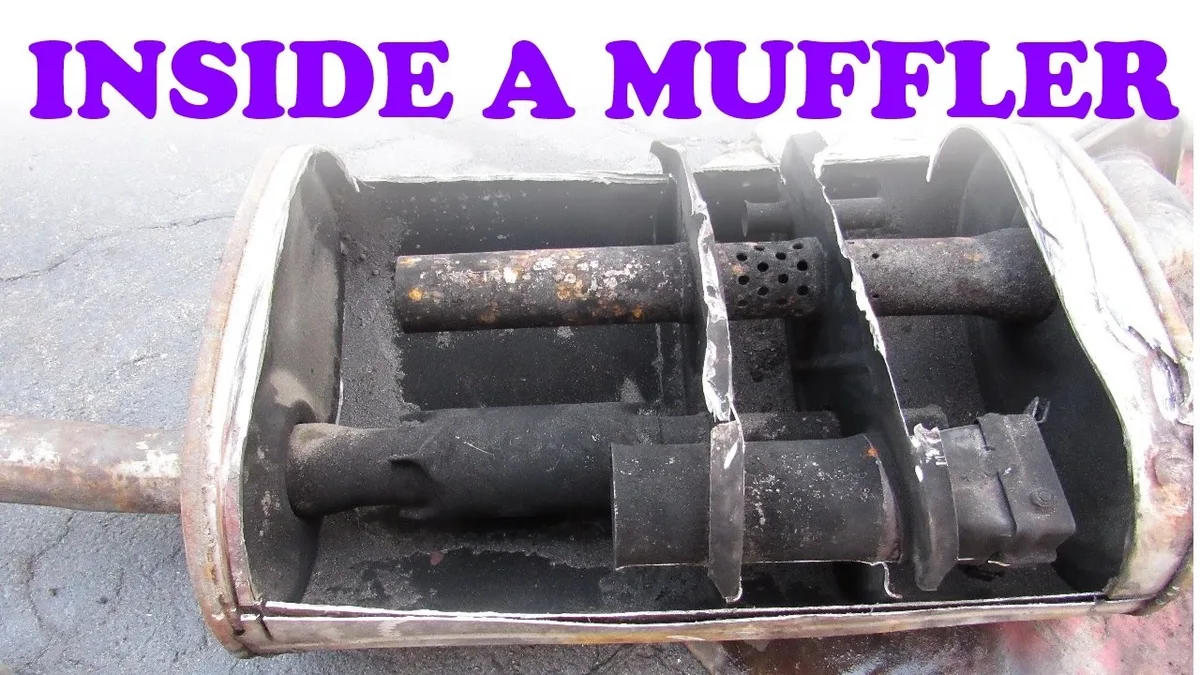
Listen for these red flags:
- Loud roaring or rumbling (muffler failure)
- Hissing or popping (exhaust leaks)
- Rattling (loose or broken hangers)
- Sulfur or rotten egg smell (catalytic converter issues)
Visual clues include rust, black soot around seams, or hanging pipes. A check engine light often points to oxygen sensor or converter problems.
Louisiana’s Inspection and Testing Process
Louisiana requires biennial emissions tests in designated parishes. The process is straightforward:
- Pre-inspection: Ensure no check engine lights are on.
- Test: A technician connects to your OBD-II port or uses a tailpipe probe.
- Results: Pass or fail based on hydrocarbon (HC), carbon monoxide (CO), and nitrogen oxide (NOx) levels.
If you fail, you’ll get a report detailing the issue. Repairs must be made within 60 days, and a retest is free if done at the same station.
How to Check Your Exhaust for Compliance
Start with a visual inspection under the car. Look for rust holes, black soot around seams, or hanging pipes.
Next, listen for unusual noises. A deep rumble often means a muffler issue. Hissing or popping suggests an exhaust leak.
For emissions, check your dashboard. A lit check engine light usually indicates an exhaust or sensor problem. Scan the OBD-II port for specific codes if you have a reader.
Legal vs. Illegal Exhaust Modifications in Louisiana
Straight piping is illegal. Removing the muffler or catalytic converter violates both state and federal law. You’ll fail inspection and risk fines.
Aftermarket mufflers are allowed if they meet noise limits. Look for models labeled as street-legal or EPA-compliant. Loud performance mufflers often exceed 92 dB.
Modifying the exhaust for better flow is fine, but don’t tamper with emissions controls. The LDEQ doesn’t approve any changes that increase pollution.
Best Muffler and Exhaust Upgrades That Stay Legal
Stick with EPA-certified parts. Brands like Flowmaster, MagnaFlow, and Borla offer street-legal options. These are designed to meet noise and emissions standards.
For a quieter ride, choose a turbo-style muffler. It reduces drone without sacrificing performance. Chambered mufflers are louder but still legal if under 92 dB.
Stainless steel lasts longer in Louisiana’s humid climate. It resists rust better than aluminized steel. Upgrading to high-flow catalytic converters can improve efficiency without breaking the law.
DIY Fixes vs. When to Call a Pro
Patching small holes with exhaust tape is a temporary fix. Replace rusted clamps or hangers yourself if you have basic tools.
For major issues, see a professional. Welding new pipes or replacing a catalytic converter requires specialized equipment. A botched job can fail inspection or cause dangerous leaks.
If you’re unsure, get a pre-inspection at a local shop. They can spot problems before the official test.
Common Mistakes That Get You Fined
Ignoring a check engine light is a top mistake. It often signals an exhaust or emissions problem.
Using non-compliant aftermarket parts is another risk. Some performance mufflers exceed noise limits. Always check the decibel rating before buying.
Skipping regular maintenance speeds up rust and wear. Louisiana’s humidity is tough on exhaust systems. A quick check every few months can prevent costly repairs.
Costs of Repairs, Fines, and Failed Inspections
A basic muffler replacement runs $100 to $300. Exhaust pipe repairs cost $150 to $500 depending on the section. Catalytic converters are pricier, often $500 to $2,500 for parts and labor.
Fines for noise violations start at $50 and can go over $250. Emissions failures require repairs before retesting. Some parishes charge a small fee for the retest.
Parish-Specific Rules You Need to Know
East Baton Rouge, West Baton Rouge, Livingston, Ascension, and Iberville require emissions tests. These parishes follow stricter monitoring due to higher pollution levels.
New Orleans has additional noise ordinances. Excessive exhaust noise can trigger complaints and fines. Rural areas may have less enforcement but the same legal standards apply.
Check with your local LDEQ office for exact requirements. Some areas have seasonal testing or exemptions for older vehicles.
How to Keep Your Exhaust System in Top Shape
Wash the underside of your car regularly. This removes salt and grime that speed up rust.
Apply exhaust system spray or undercoating. This adds a protective layer against moisture. Reapply every year for best results.
Drive carefully over speed bumps and rough roads. Hitting obstacles can damage pipes or hangers.
Frequently Asked Questions
What happens if my car fails the emissions test?
You’ll get a report detailing the issue. You have 60 days to make repairs and return for a free retest at the same station.
Can I modify my exhaust and still pass inspection?
Yes, if the modifications meet noise and emissions standards. Avoid removing the catalytic converter or muffler.
How often should I check my exhaust system?
Inspect it every 6 months or before long trips. Look for rust, leaks, or unusual noises.
Are there exemptions for classic cars?
Louisiana exempts vehicles 25 years or older from emissions testing. However, they must still meet noise standards.
What’s the penalty for tampering with emissions controls?
It’s illegal under federal and state law. Fines can reach $4,000 or more. You’ll also fail inspection and may face additional penalties.