ByMax Lee
Iowa Abandoned Vehicle Removal: Public vs Private Property
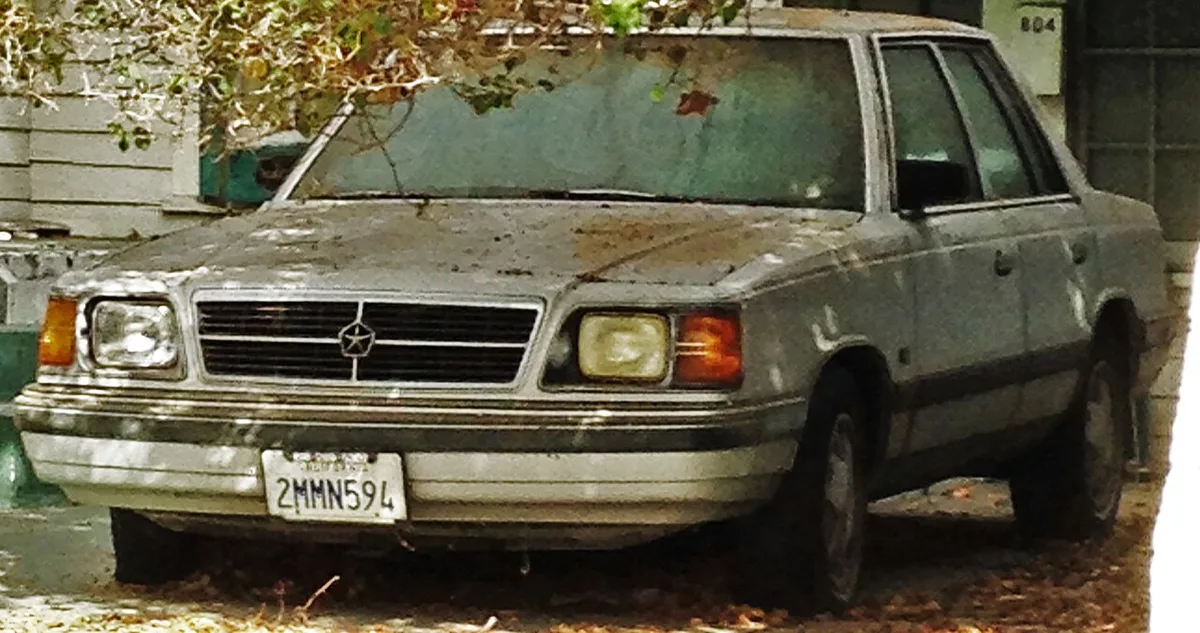
The Iowa abandoned vehicle removal process on public and private property follows clear state law, but the steps change fast based on where the car sits. If a junker blocks your driveway or rots on a city street, you need the right playbook.
Under Iowa Code § 321.89, a vehicle left unattended on public property for 24 hours meets the abandoned definition. Our research confirms county sheriffs and city police enforce this strictly as of 2026. Your next move depends on jurisdiction and signage.
Is That Car Abandoned? Iowa Definitions and Thresholds
Iowa law defines an abandoned motor vehicle as one left without permission on public or private land. The clock starts when the car is parked and ignored.
The core thresholds come straight from Iowa Code § 321.89. A vehicle on a public right-of-way for 24 hours with no movement is abandoned. On private property, the line is 72 hours without the owner's consent.
Key traits that trigger the label:
- No registered owner claiming it within the wait window.
- The VIN shows no active title or current plates.
- Law enforcement tags it after a drive-by check.
- The location is not a licensed repair shop or impound lot.
We pulled the statute from the Iowa Legislature's official code (https://www.legis.iowa.gov). The wording leaves little room for guesswork.
If the car has a police hold for evidence, the clock freezes. That happens more than you'd think in small towns.
Public Property vs Private Property: Which Rules Apply to You
The first fork in the road is simple. Ask where the vehicle sits.
If it's on a street, highway, or public parking, the city police or county sheriff takes the lead. If it's on your land, you start the paperwork but still need an officer.
Here's the decision logic:
- If on public road: call the sheriff after 24 hours.
- If on private lot: wait 72 hours, then call the same office.
- If on rental property: the landlord acts, not the tenant.
- If on HOA land: the association follows private rules.
The table below shows the split.
| Factor | Public Property | Private Property |
|---|---|---|
| Wait time | 24 hours | 72 hours |
| Who tags | Officer | Officer on request |
| Tow authority | Sheriff / city | Licensed tow co. |
| Notice type | Decal on car | Certified mail |
Some states handle this differently, like Idaho's age-based fee schedule for plates (https://roadworthylabs.com/idaho-vehicle-registration-fees-based-on-vehicle-age-and-weight/). That link shows how another state prices old cars.
Florida's historical tag rules give a contrast for old wrecks (https://roadworthylabs.com/florida-antique-and-historical-vehicle-registration-for-cars-30-years-old/). We mention it so you see the range.
Quick Answer: The Iowa Abandoned Vehicle Removal Flow
The Iowa abandoned vehicle removal process on public and private property starts with law enforcement tagging. On public land, wait 24 hours then call the sheriff. On private land, wait 72 hours then request a tow.
File lien sale through county treasurer after notice.
Step-by-Step Removal on Public Right-of-Way
Public streets fall under the sheriff or city police. The workflow is tight and statutory.
Calling the Sheriff or City Police
Snap dated photos of the car in place. Note the plate and VIN if visible.
Dial the non-emergency line for the agency that covers the spot. In rural areas, that's the county sheriff. In town, it's the city cop shop.
They log the complaint and assign a civil deputy or code officer. Our research shows most Iowa counties respond within two business days.
Officer Tag, VIN Check, and 24-Hour Rule
The officer marks the car with a windshield decal. This is the abandonment tag required by state law.
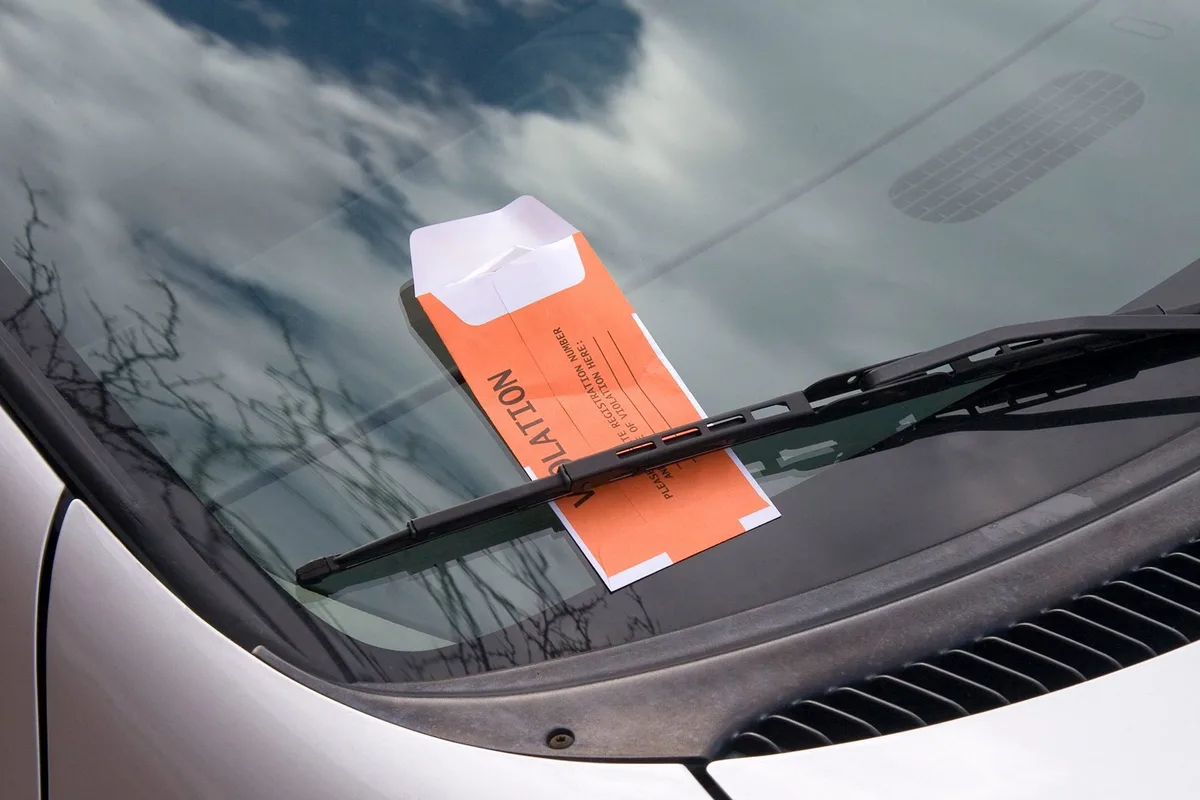
They run the VIN through the Iowa DOT Motor Vehicle Division. That check shows the registered owner and any lienholder.
If the car has been there 24 hours, the tag sticks. The owner gets a short window to move it.
Tow, Impound, and Storage Fee Accrual
After the tag, a licensed tow operator hauls the car. The county sets a daily storage fee cap.
Fees accrue each day at the impound yard. The owner can pay and retrieve, or lose it at sale.
Unlike Idaho's virtual lobby for DMV tasks (https://roadworthylabs.com/idaho-dmv-online-registration-renewal-system-and-virtual-lobby-services/), Iowa makes you file paper at the treasurer. That slows things but keeps records clean.
Step-by-Step Removal on Private Property
Private land gives you less wait time but more paperwork. You cannot just drag the car off.
Landlord, Business, or Homeowner First Steps
Document the vehicle with timestamped pictures. Write down the make, model, and plate.
If you rent out the unit, the landlord makes the call. Tenants should report to the owner, not the yard.
Our blog covers other state cleanup laws if you own land elsewhere (https://roadworthylabs.com/blog/). It's a good backup read.
72-Hour Line and Law Enforcement Authorization
Wait a full 72 hours from when it appeared. No consent means the clock runs.
Then call the sheriff or police for a tag. An officer must authorize the tow. Self-help moves break the law.
Idaho's plate recycling law shows a different approach (https://roadworthylabs.com/idaho-permanent-license-plate-law-and-10-year-replacement-cycle-repeal/). We link it so you see varied rules.
Certified Notice to Owner and Lienholder
Once tagged, send certified mail with return receipt. The letter goes to the last known owner from DOT records.
If the owner can't be found, publish in a local paper. The 10-day window starts after mailing.
County Treasurer Lien-Sale Filing
File the lien-sale form with the county treasurer. Attach the officer's report and mail proof.
The treasurer sets a sale date after 30 days. Buyers get a new title free of old liens.
City Ordinance Overlays in Des Moines, Cedar Rapids, and Beyond
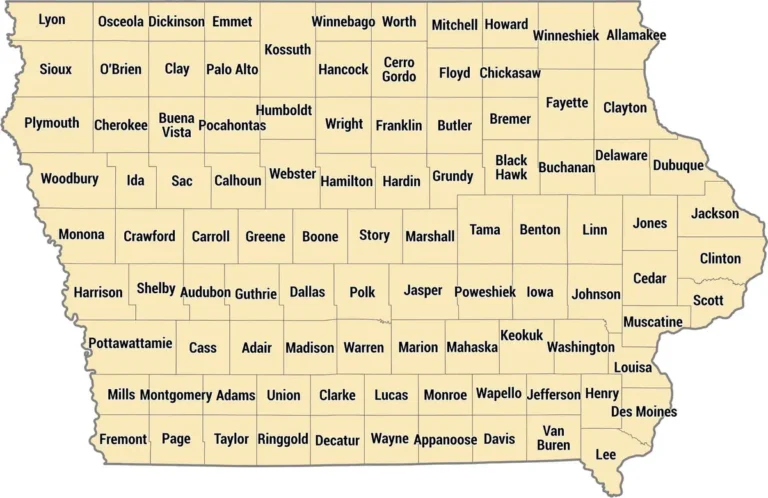
State law sets the floor, but cities stack their own rules on top. If your car sits inside Des Moines city limits, the police department's code enforcement team handles the tag. Cedar Rapids runs a similar shop through its neighborhood services unit.
The if/then logic gets local here. If you're inside an incorporated city, call city hall first. If you're in unincorporated county land, the sheriff stays your only contact.
Des Moines adds a 48 hour notice before auction in some codes. That's longer than the state 30 day treasurer window suggests, so check the local ordinance. Our research shows fines for blocked fire lanes tack on fast.
Cedar Rapids lets private lots use a private impound if the signage is posted. The sign must meet size rules from the city code. Miss the sign and the tow is illegal.
Some towns mirror Florida's mobile home rules for parked RVs (https://roadworthylabs.com/florida-mobile-home-and-rv-registration-and-titling-requirements/). We link it so you see a different state's take on lot storage.
Costs, Timelines, and Daily Storage Fee Caps
The money side follows a set clock. A public tag needs 24 hours, private needs 72, then a 10 day owner window after certified mail.
Storage fees accrue at the impound lot daily. The county board sets the cap, and it varies by county. Most Iowa counties sit between $15 and $35 per day as of 2026.
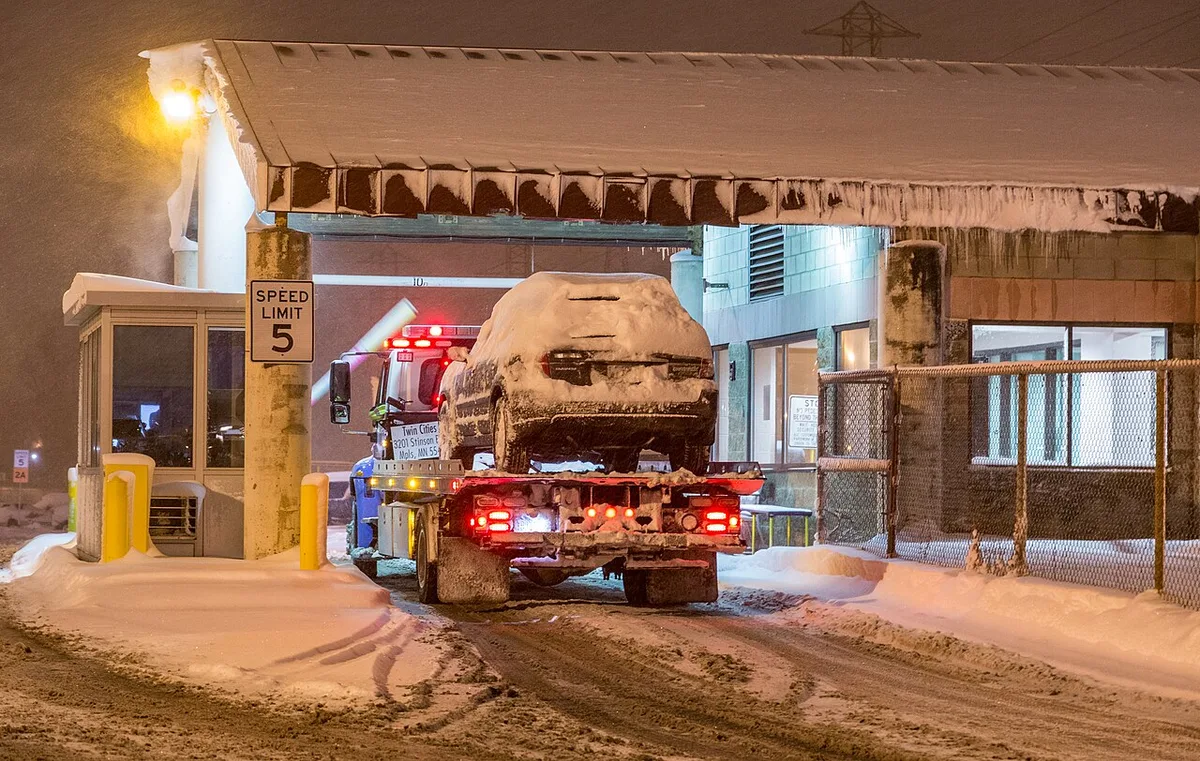
Here's the timeline breakdown:
| Step | Time After Tag |
|---|---|
| Owner notice | 10 days |
| Lien sale file | 30 days |
| Title reissue | After sale |
| Storage cap | County set |
The tow itself runs $75 to $150 from a licensed operator. The treasurer charges a filing fee near $10. If the car sells at auction, those costs come off the top.
Idaho's electric vehicle fee shows another fee model for vehicle charges (https://roadworthylabs.com/idaho-140-annual-registration-surcharge-for-electric-vehicles/). It's useful contrast if you compare state programs.
The Iowa DOT Motor Vehicle Division tracks the VIN and title status. That's your source for owner records before mailing notice.
Mistakes That Kill Your Lien Sale or Get You Sued
Sloppy notice language is the top killer. If your certified letter lacks the VIN and tag date, the treasurer rejects the sale. Then the owner keeps the claim.
Self-help towing without an officer is the second big error. You cannot hook the car and drag it to a field. That's conversion, and the owner can sue.
Skipping return receipt mail breaks the chain. Regular postage doesn't count under Iowa Code 321.89. The court will throw out your lien.
Old owner addresses happen often. If DOT records show a stale address, publish in a local paper. Skip that and the sale fails later.
We've seen cases where a missing police hold check cost the tow company. Always ask the officer if evidence holds exist.
When You Can't Tow: Holds, Missing Owners, and Salvage Branding
A police hold freezes everything. If the car is evidence in a crash or crime, no tow happens until cleared. The officer will tell you the hold status.
Missing owners need paper notice. Publish the VIN and tag data in a county paper once a week for two weeks. That satisfies the due diligence rule.
Salvage branded cars bring title trouble. If the VIN shows a salvage brand, the new buyer gets the same brand. The treasurer won't issue clean title.
Some wrecks are stripped to a shell. Iowa law still treats the frame as a vehicle if the VIN plate is attached. You follow the same workflow.
For comparison, Florida's low speed vehicle lanes show different abandoned criteria (https://roadworthylabs.com/florida-low-speed-vehicle-lsv-street-legal-requirements-and-35-mph-roads/). Worth a read if you own land in both states.
FAQs on Iowa Abandoned Motor Vehicles
Can I just tow the car off my lawn myself?
No, you need law enforcement authorization first. After 72 hours, call the sheriff or city police for a tag. Self-help towing without notice is illegal and can lead to a lawsuit.
What if the owner never picks up the certified letter?
The return receipt proves you mailed it. If undelivered, publish the notice in a local paper. The 10 day window still runs from the mail date in most counties.
How long until I get a new title through lien sale?
File with the county treasurer after the 30 day wait. The sale happens, then the buyer gets a new title. Total time runs about 40 to 50 days from tag.
Does a salvage brand stop the removal process?
No, the process still runs the same way. The new owner simply receives a salvage branded title. You can't get a clean title on a branded frame.
Who pays the storage fees if the car is never claimed?
The lien sale proceeds cover the tow and storage first. If the sale doesn't clear the bill, the lot eats the rest. The owner owes nothing once title transfers.
Decision Guide: What to Do With the Vehicle in Your Situation
Use this fork to pick your next step. The path depends on location, wait time, and owner status.
Car on a public street or highway
If the vehicle has sat 24 hours, call the county sheriff or city police. They tag it, then a licensed tow hauls it to impound.
Car on your driveway or lot
Wait 72 hours with no consent, then request an officer tag. Send certified mail to the owner before filing a lien sale.
Owner cannot be found
Publish the VIN in a local paper if certified mail bounces. The 10 day window still runs from the mail date.
Car has a police hold
Stop all action until the officer clears the hold. Towing an evidence vehicle brings contempt risk.
Recovering your costs
File the lien sale with the county treasurer after 30 days. The auction proceeds pay the tow and storage first.
Per the Iowa DOT Motor Vehicle Division (https://iowadot.gov), the new title clears old liens. That ends your headache and frees the space.
Check your city code if you live inside Des Moines or Cedar Rapids. Local rules can add notice days beyond state law.