ByMax Lee
Guide to Alabama’s Lemon Law: Legal Protection for New Vehicle Buyers.
You signed the papers. Drove off the lot. And now, every few weeks, that brand new car is back at the dealership for another repair.
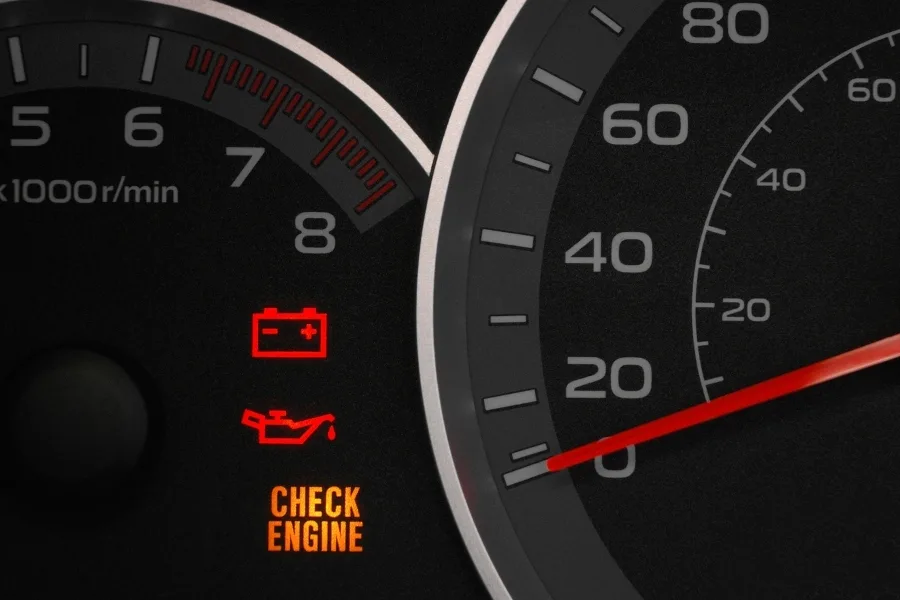
The transmission hesitates. The electrical system glitches. The check engine light turns on more reliably than your morning alarm.
You are still making full payments on a vehicle that is anything but reliable. That frustration has a legal name in Alabama. It is called Alabama's Lemon Law: Legal protection for new vehicle buyers. and it exists for exactly this situation.
The law sets specific rules for when a manufacturer must buy back or replace a defective vehicle. As of 2026, Alabama's statute follows a familiar structure used by most states. Three repair attempts or 30 days out of service during the lemon law period.
But the real challenge is not knowing the threshold. It is proving you met it. That requires documentation, deadlines, and a certified letter that too many buyers skip.
Quick Answer
Alabama's Lemon Law covers new vehicles with serious defects. You get three repair attempts or 30 days out of service. The manufacturer gets one final chance to fix it.
You must send written notice by certified mail. If they fail, you can get a refund or replacement. The law applies for two years or 24,000 miles.
Why This Law Matters More Than You Think
Most buyers assume the dealership will take care of them. The service writer is friendly. The loaner car is clean.
The mechanic seems confident. So you keep bringing it back. And the dealership keeps trying.
But here is the hard truth. The dealership is not the manufacturer. And the manufacturer is the one who has to buy back your car.
If you only complain to the service manager, you have not started the legal process. You have just filed a complaint that may never reach the right desk.
Alabama's Lemon Law gives you leverage. But it only works if you use it the right way. The law is not automatic.
You cannot just show up and demand a refund. You have to trigger the statutory process. That starts with repair documentation and ends with a written notice that many buyers never send.
Without understanding the process, you can easily miss the window. The clock runs from the date of delivery. Two years or 24,000 miles.
Whichever comes first. Once that expires, your lemon law rights in Alabama are gone for good.
Bing (Web (fair-use with source credit))
The Core Facts: What Alabama's Lemon Law Actually Covers
What Counts as a "Lemon" in Alabama
The law defines a lemon as any new motor vehicle that has a substantial defect. That means a problem that significantly impairs the use, value, or safety of the vehicle. Not every rattle qualifies.
Not every software glitch counts.
Think about it this way. A loose trim piece is annoying. But it will not get your car bought back.
A transmission that fails on the highway is a different story. The defect must be serious enough to make the vehicle unreliable, unsafe, or worth noticeably less than you paid.
The defect must also be covered by the manufacturer's express warranty. If your warranty expired or the problem is caused by abuse, the law does not protect you.
Who Is Protected (and Who Isn't)
Alabama's law covers the original buyer of a new vehicle. It also covers anyone who buys the vehicle while the warranty is still in effect. So if you buy a used car that is still under the original factory warranty, you may still be protected.
The law does not cover leased vehicles in all situations. Some lease agreements include lemon law protections by contract. Others do not.
If you lease, check your lease agreement carefully.
Businesses are generally not covered. The law is written for individual consumers. If you buy a vehicle for commercial use, you may not qualify.
Motorhomes and recreational vehicles have some coverage, but the rules are different. The living quarters portion of a motorhome is not covered under the lemon law. Only the chassis and drivetrain components qualify.
The 2-Year / 24,000-Mile Clock
The lemon law period in Alabama is two years or 24,000 miles. Whichever comes first. The clock starts on the date of delivery to the original buyer.
If you cross either threshold, your rights under the state law expire. No exceptions. The manufacturer does not have to offer a buyback after that point, even if the same defect continues.
This is why timing matters. If your car has been at the shop for 25 days and you are approaching 22,000 miles, you need to move fast. Do not wait for the dealership to figure it out.
You are the one watching the clock.
The Three Repair Attempts and 30-Day Rule
Alabama's lemon law uses a legal concept called a presumption. If you can prove certain facts, the law presumes the vehicle is a lemon. The burden then shifts to the manufacturer to prove otherwise.
There are two ways to trigger the presumption.
Three repair attempts. You take the vehicle in for the same serious defect three times. Each repair attempt must be documented. The same problem must be present each time.
Three unrelated issues do not count.
30 cumulative days out of service. Your vehicle is in the shop for repairs for a total of 30 calendar days. The days do not have to be consecutive. But they must be for the same defect or a set of related defects.
You only need one of these two thresholds. If you have three repair attempts, you do not also need 30 days. And if you have 30 days out of service, you do not need three repair attempts.
How the Presumption Works
The presumption does not automatically get you a new car. It shifts the legal burden. Once you show three attempts or 30 days, the manufacturer has to prove the vehicle is not a lemon.
The manufacturer will typically argue that the defect is not substantial. Or that the repair attempts were not for the same issue. Or that the vehicle was out of service for reasons unrelated to the defect.
This is where your documentation becomes critical. Without clear records, the manufacturer can challenge every point.

Bing (Web (fair-use with source credit))
What "Out of Service" Really Means
Out of service means the vehicle is unavailable to you because of the defect. It does not include time spent waiting for routine maintenance. It does not include time spent at the dealer for recalls or software updates that are unrelated to the defect.
Every day counts. The day you drop it off. The day you pick it up.
Even if the dealer only had the car for two hours, that counts as one calendar day.
Keep a log. Write down the date you left the vehicle. Write down the date you picked it up.
The dealer's service record might be sloppy. Your log is your backup.
The Step You Can't Skip: Certified Mail Notice
This is the most common mistake Alabama car buyers make.
The law requires you to send written notice to the manufacturer. Not the dealer. Not the service manager.
The manufacturer. And you must send it by certified mail.
If you skip this step, you cannot file a lemon law lawsuit. The courts will dismiss your case. Period.
Why Dealer Complaints Don't Count
You might have complained to the dealership twenty times. You might have spoken to the service manager, the general manager, and the owner. None of that matters under Alabama's lemon law.
The law says you must notify the manufacturer directly. The dealership is a separate entity. Complaining to the dealer does not meet the legal requirement.
Here is the logic. The manufacturer needs an opportunity to fix the problem before you can force a buyback. They cannot fix what they do not know about.
A certified letter proves they were informed.
What to Write in That Letter
Your letter should include the following.
- Your name and contact information
- The vehicle's year, make, model, and VIN
- The date of delivery
- A clear description of the defect
- A list of repair attempts with dates and dealer names
- The number of days the vehicle has been out of service
- A demand for the manufacturer to make the final repair attempt
Keep the letter factual. Do not vent. Do not threaten.
Just state the facts and the timeline. Attach copies of your repair orders. Keep the originals for yourself.
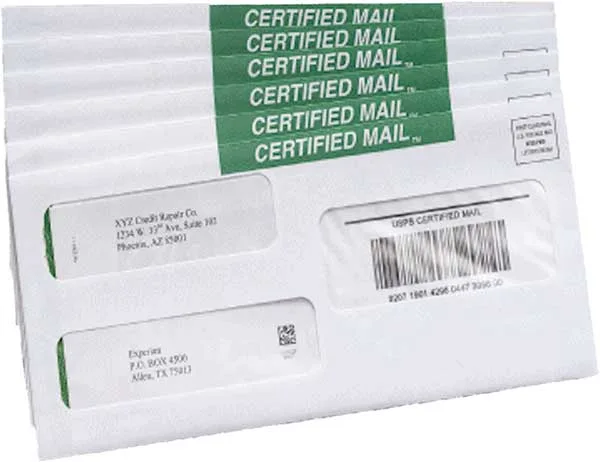
Send it certified mail with return receipt requested. That gives you proof of delivery. That proof is essential if the manufacturer claims they never received it.
Bing (Web (fair-use with source credit))
Where Most Buyers Lose Their Case
Even buyers who meet the three-attempt threshold often lose their lemon law claim. The reason is almost always the same. They did not build a solid case before filing.
Weak Repair Documentation
The most powerful evidence in a lemon law case is the repair order. Every time you take the vehicle in, the dealer should give you a written description of the work performed.
But here is where things go wrong. Many dealers write vague descriptions. "Checked engine light.
Reset codes. Road tested. No issue found." That does not help you.
Your goal is to get the dealer to write down the specific symptom and what they did to address it. If the technician cannot reproduce the problem, ask them to write that down too. "Customer reports transmission slipping.
Technician road tested and could not replicate. No repairs performed." That is a clean repair attempt that counts toward your three.
Always ask for a copy of the repair order before you leave. Do not accept a verbal summary. Get the paper.
Missing the Final Repair Opportunity
After you send your certified letter, the manufacturer gets one more chance to fix the vehicle. This is called the final repair attempt.
You must make the vehicle available for this repair. If you refuse, the manufacturer can argue that you did not give them a fair chance. That can kill your case.
Coordinate with the manufacturer or their designated dealer. Drop the vehicle off. Let them try.
If they fail, you have met your obligation.
Confusing Adjustments with Repairs
Not every visit to the dealer counts as a repair attempt. Software updates, recalls, and routine maintenance do not count. The law requires that each visit be for the same serious defect.
If you bring the car in for a rattling noise and the technician tightens a bolt, that is an adjustment, not a repair. Adjustments do not count toward the three-attempt threshold.
Make sure each visit is documented as a repair attempt for a specific defect. If the dealer says "we adjusted the door latch," ask them to note that the adjustment was made in response to a specific complaint about a rattling noise. That ties the visit to the defect.
Your Options: Refund, Replacement, or Arbitration
Once you have met the legal threshold and sent your certified notice, you have three paths forward. Each one comes with tradeoffs.
Refund. The manufacturer buys back the vehicle. You get your purchase price minus a mileage offset. That offset covers the miles you drove before the defect started.
The formula varies, but it typically deducts a set amount per mile.
Replacement. The manufacturer gives you a comparable new vehicle. You do not get your money back. You get a different car of similar make and model.
This option works well if you still want the same type of vehicle.
Arbitration. Before you can sue, you may need to go through the manufacturer's dispute resolution program. Alabama law requires you to use this program if the manufacturer offers one that complies with federal guidelines. The outcome is binding on the manufacturer but not on you.
If you lose, you can still sue.

Bing (Web (fair-use with source credit))
The Buyback Formula (and the Mileage Offset)
The refund is not a full refund. Alabama law allows the manufacturer to deduct for the miles you drove before the defect appeared.
The formula works like this. The manufacturer takes the purchase price. They subtract a reasonable allowance for your use of the vehicle.
That allowance is calculated by dividing the miles you drove before the first repair visit by a standard mileage figure, then multiplying by the purchase price.
In practice, the offset is usually modest. But it can sting if you drove the car for months before the problem started.
Manufacturer Arbitration Programs: What to Know
Most major manufacturers have an arbitration program. BMW, Ford, Toyota, and others participate in programs like BBB AUTO LINE. These programs are free to you.
The arbitration panel reviews your documentation and the manufacturer's repair records. They issue a decision within a set timeframe. If they rule in your favor, the manufacturer must comply.
Our research shows that arbitration outcomes vary widely. Some consumers get a quick buyback. Others wait months and get denied.
The key is having strong documentation going in.
When a Lawsuit Makes Sense
If arbitration fails or the manufacturer refuses to comply, your next step is circuit court. Alabama allows you to sue the manufacturer directly.
The big advantage of a lawsuit is that if you win, the manufacturer pays your attorney fees and court costs. That removes the financial risk of hiring a lawyer. Many lemon law attorneys work on contingency for exactly this reason.
But a lawsuit takes time. Expect six months to a year from filing to resolution. Arbitration is faster but less formal.
Your choice depends on how quickly you need a resolution.
Real Scenarios: How This Plays Out in Practice
The law reads clean on paper. Real life is messier.
The Safety Defect Case
A buyer in Birmingham bought a new SUV. Within two weeks, the brakes failed at low speed. The dealer replaced the brake master cylinder.
Two weeks later, the same problem returned. The dealer replaced the brake booster. On the third visit, the service writer noted "customer reports brake failure.
Unable to replicate. Road tested and found no issue."
That third visit mattered. Even though the technician could not reproduce the problem, the repair order documented the complaint. That counted as a repair attempt.
Combined with the 18 days the vehicle spent in the shop across those three visits, the buyer had a strong case. The manufacturer offered a buyback after arbitration.
The Intermittent Problem Case
Intermittent issues are the hardest to prove. A Montgomery buyer had a sedan that would stall randomly. The dealer could never reproduce it.
Four repair visits. No fix. But the dealer wrote "customer reports stalling.
Could not replicate. No repair performed." on every order.
The buyer sent the certified letter. The manufacturer sent a field engineer. The engineer could not reproduce the stall either.
The arbitration panel denied the claim. Without a tech-confirmed problem, the buyer had no proof.
The lesson is clear. If your problem is intermittent, push the dealer to keep the car longer. Ask for additional diagnostic time.
A longer test drive. Anything that increases the chance of reproduction.
The Arbitration Outcome Case
A Huntsville buyer took a different approach. After three repair attempts for a transmission shudder, he sent his certified letter. He also hired an attorney to prepare his arbitration submission.
The attorney organized the repair orders, created a timeline, and highlighted the safety implications of a transmission failure at highway speed.
The arbitration panel ruled in the buyer's favor within 45 days. The manufacturer offered a replacement vehicle. The buyer accepted.
Total time from certified letter to resolution was about three months.
The difference was preparation. The buyer did not just submit paperwork. He told a clear story about a dangerous defect that the manufacturer could not fix.
Expert Tips for Building Your Paper Trail
Your paper trail is your case. Weak records mean weak leverage.
Keep every repair order. Do not leave the dealership without a printed copy. If the service writer says "we will email it," wait for it. Follow up if it does not arrive.
Write notes on the repair order. Ask the service advisor to add specific language. "Customer reports transmission slipping between 40 and 50 mph." Specificity matters.
Take photos. Photograph the dashboard when warning lights appear. Photograph the odometer when you drop the car off. Timestamps on photos create an independent record.
Save all correspondence. Emails, text messages, and voicemails with the dealer or manufacturer should be saved. If a service advisor promises something in a text, screenshot it.
Track the calendar. Mark every day the vehicle is out of service. Count the days. Do not rely on the dealer's count.
Our research shows that buyers who keep a detailed log win arbitration cases at a much higher rate than those who rely on dealer records alone.
When You Absolutely Need an Attorney
You can handle a lemon law claim on your own. Many buyers do. But there are situations where an attorney is worth the cost.
The manufacturer is fighting hard. If they deny your claim, challenge your documentation, or refuse arbitration, you need legal representation.
The defect involves safety. Brake failure, steering loss, or airbag issues raise the stakes. An attorney can push for a faster resolution.
You have complex facts. Multiple defects, overlapping repairs, or a borderline timeline require someone who knows how to frame the argument.
The buyback amount is significant. On a $50,000 vehicle, the mileage offset calculation matters. An attorney can negotiate the formula.
Most Alabama lemon law attorneys offer free consultations. They will tell you if your case is strong enough. If they take it on contingency, you pay nothing unless you win.
But do not wait. The clock is running. If you are approaching the two-year or 24,000-mile mark, call an attorney today.
Common Questions Buyers Ask
Does the lemon law cover used cars?
Alabama's lemon law covers used cars only if they are still under the original factory warranty. If you bought a used car with a remaining warranty, you may be protected. Private party sales are not covered.
Can I keep driving the car while my case is pending?
Yes. You can keep driving it. But document every issue that occurs.
If the problem gets worse, take it back to the dealer. Additional repair attempts strengthen your case.
What if the dealer says the problem is normal?
This is a common stall tactic. If the dealer claims the issue is normal, ask them to put that in writing on the repair order. Then get a second opinion from another dealer.
A written refusal to repair can work in your favor.
How long does the whole process take?
A straightforward case with good documentation can resolve in 60 to 90 days through arbitration. A lawsuit typically takes six months to a year. The timeline depends on how cooperative the manufacturer is.
Do I have to pay for the certified letter?
The certified letter costs a few dollars. That small investment protects your legal rights. Do not skip it.
Use certified mail with return receipt requested so you have proof of delivery.
What happens if the manufacturer offers a settlement?
Many manufacturers offer a settlement before arbitration or trial. The settlement usually involves a buyback with a mileage offset. Read the settlement carefully.
Have an attorney review it if you are unsure. Once you sign, you cannot sue later.
Your Next Steps: A Practical Decision Guide
You now know the law, the traps, and the process. Here is how to decide what to do next.
If you are still in the repair phase. Start building your paper trail today. Get every repair order. Track every day out of service.
Send nothing to the manufacturer until you hit three attempts or 30 days.
If you have met the threshold. Write that certified letter immediately. Do not wait. Include your VIN, a clear defect description, and copies of all repair orders.
The manufacturer gets one final chance. Make it count.
If the manufacturer fails the final attempt. You have two paths. File for arbitration through their program. Or hire an attorney and prepare for circuit court.
Arbitration is faster. A lawsuit with an attorney who works on contingency has no upfront cost.
If you are close to the deadline. The two-year or 24,000-mile mark is absolute. If you are within 60 days of either, stop reading and call a lemon law attorney today. A single phone call can protect your rights.
The law gives you options. But it does not hand you a refund automatically. You have to trigger the process.
You have to document every step. And you have to send that certified letter.
Do it right. Do it now. Your car is too expensive to live with a problem that should not be yours to fix.