You hand over cash for a used car. The seller signs the title. You drive away feeling good.
Then you hit the DMV and find out the title has a lien that was never paid off, or worse, the VIN doesn't match the car you just bought. That sinking feeling is expensive.
Vehicle Titling and Registration: Correct steps to confirm ownership. isn't just paperwork. It's the only thing standing between you and a legal headache that can cost thousands. As of 2026, the National Motor Vehicle Title Information System (NMVTIS) reports that roughly one in every fifteen used cars carries some form of title problem.
Most buyers never check until it's too late. Let's fix that.
Quick Answer
Confirm ownership before you pay. Check the title matches the VIN on the car. Verify no active liens exist.
Ensure all signatures are correct and notarized if your state requires it. Run a title history through NMVTIS. Only then register the vehicle with your state DMV.
Why Getting This Wrong Costs Real Money
A bad title transfer doesn't just mean a trip back to the seller. It can mean the car isn't legally yours. You can't register it.
You can't insure it. And if there's an open lien, the lender can repossess it from your driveway.
Here's what's actually at stake:
- Total loss of your investment. You pay thousands for a car you can't legally drive.
- Liability for someone else's debt. An unpaid lien becomes your problem the moment you take possession.
- Fraud charges. Selling a car with a forged title is a felony in every state. Buying one unknowingly still leaves you holding the bag.
- Registration denial. The DMV will reject your application if the ownership chain has a single break.
The average used car transaction in the U.S. runs between $15,000 and $30,000 as of 2026. That's too much money to leave to trust and a handshake.
First, the Hard Truth About Vehicle Ownership
Owning a car isn't about holding the keys. It's about holding a clean, properly signed certificate of title with your name on it. That piece of paper is the legal proof that you own the vehicle free and clear.
Most people assume that if the seller hands them a signed title, the deal is done. That's wrong. A signed title with the wrong date, a missing notary stamp, or a name that doesn't match the seller's ID is legally worthless.
The DMV will reject it, and you'll be stuck chasing the seller for a correction they have no legal obligation to make.
The real chain of ownership looks like this:
- The current owner's name is printed on the front of the title.
- That owner signs the title in the seller section.
- The odometer reading is recorded and signed.
- The buyer's name is written in the purchaser section.
- The title is notarized (if your state requires it).
- You take the signed title to the DMV to register the car in your name.
- The DMV issues a new title with you as the owner.
Any break in that chain means the car isn't yours yet. And the DMV doesn't care that you paid for it. They care about the paper.
The Only Paperwork That Proves You Own the Car
There are exactly five documents that matter when confirming ownership. Everything else is nice to have but won't get you a registration.
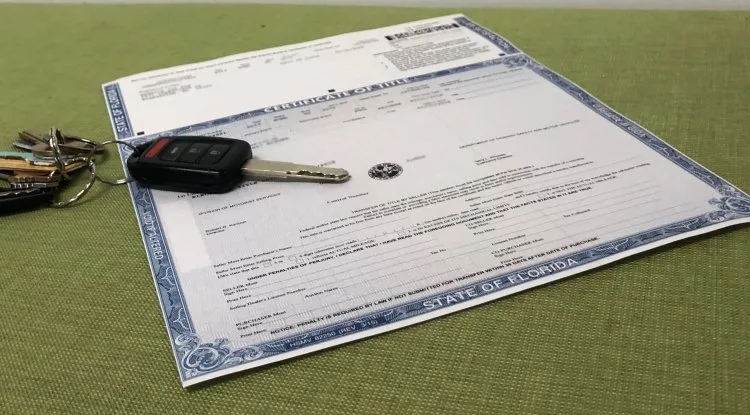
Certificate of Title
This is the main document. It's a state-issued paper that lists the owner's name, the VIN, the make and model, and any lienholders. Without a clean title signed over to you, you don't own the car.
Bill of Sale
A bill of sale is a secondary document that records the transaction details: sale price, date, buyer and seller names, and VIN. Some states require it for registration. Others don't.
Always get one anyway. It's your proof of purchase if the title ever gets questioned.
Registration Documents
The seller's current registration shows the car is legally on the road. It's not proof of ownership, but it confirms the car isn't reported stolen and that the seller has been paying the registration fees.
Lien Release
If the seller had a loan on the car, the lender held the title until the loan was paid off. Once paid, the lender sends a lien release document. Without it, the title is still tied to that loan.
You need that release to get a clean title in your name.
Odometer Disclosure Statement
Federal law requires an odometer reading at the time of sale for vehicles under 20 years old. This document records the mileage and confirms it hasn't been rolled back. It's usually part of the title itself, but some states use a separate form.
Your First Check: Does the VIN on the Title Match the Car?
This is the single most important step. And it's the one most people skip.
The Vehicle Identification Number is a 17-character code unique to every car. It's stamped on the title, the registration, and the car itself. If those numbers don't match, you have a problem.
Where to find the VIN
The VIN is in multiple places on every car. Check at least two of them:
- Dashboard. Look through the windshield on the driver's side. The VIN is on a small metal plate attached to the dashboard.
- Driver's side door jamb. Open the door and look for a sticker or metal plate where the door latches.
- Engine block. Some manufacturers stamp the VIN on the front of the engine.
- Vehicle title and registration. Compare the VIN on the paper to the VIN on the car.

Signs of VIN tampering
If the VIN plate looks like it's been removed and reattached, walk away. If the numbers are misaligned, have different fonts, or look like they've been ground down and restamped, walk away. Those are signs of a stolen car or a salvage title that's been illegally cleaned.
A mismatched VIN is an automatic deal killer. Don't try to fix it. Don't assume it's a clerical error.
Report it to your local police and the state DMV.
How to Spot a Hidden Lien Before You Pay
A lien is a legal claim against the car by a lender. If the seller still owes money on the car, the lender holds the title until the loan is paid. If you buy the car without the lien being released, the lender can repossess it from you.
Here's how to check for a hidden lien:
- Call the state DMV. Most states have a lien check service. You provide the VIN, and they tell you if there's an active lien.
- Use the NMVTIS database. This federal system tracks title history and lien status across all states. A title check costs a few dollars and takes minutes.
- Ask the seller for a payoff letter. If the seller says the loan is paid, ask for a letter from the lender confirming the lien has been released.
- Check the title itself. If the title lists a lienholder on the front, that lien is still active unless there's a separate release document.
Never accept a verbal promise that the loan is paid. Get the paperwork. If the seller can't produce a lien release, don't buy the car.
Title Brands: Clean, Salvage, Rebuilt, and What They Actually Mean
A title brand is a permanent label on the title that tells you the car's history. It's not a suggestion. It's a legal classification that affects the car's value, insurability, and registration eligibility.
Clean Title
The car has never been declared a total loss by an insurance company. It's the most desirable brand. A clean title doesn't guarantee the car is perfect, but it means it hasn't been through a major insurance claim.
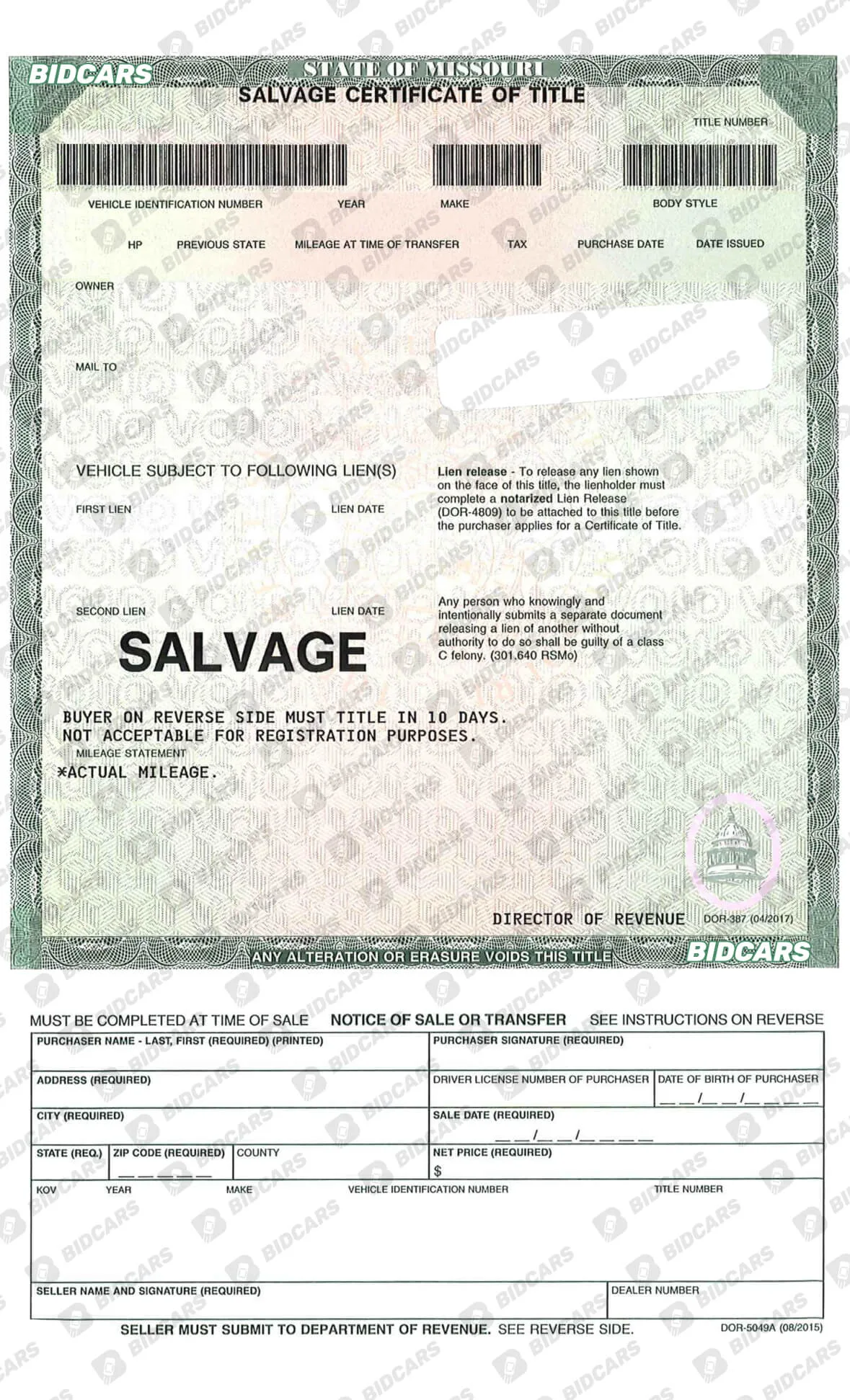
Salvage Title
The insurance company declared the car a total loss. This usually happens after a major accident, flood, or theft recovery. A salvage title means the car cannot be registered or driven until it's repaired and inspected.
Rebuilt Title
The car was previously salvage but has been repaired and passed a state inspection. It can be registered and driven, but the rebuilt brand stays on the title permanently. Insurance companies often charge higher rates for rebuilt title cars.
Junk Title
The car is only good for parts or scrap. It cannot be registered or driven again.
Flood Title
The car was damaged by water. This brand is permanent and makes the car nearly impossible to insure.
Lemon Law Buyback
The manufacturer bought the car back under state lemon law. The brand stays on the title and affects resale value.
Here's a quick comparison of what each brand means for you:
| Title Brand | Can You Register It? | Can You Insure It? | Resale Value Impact |
|---|---|---|---|
| Clean | Yes | Yes | Full market value |
| Salvage | No (until repaired) | No | 50-70% loss |
| Rebuilt | Yes | Yes (higher rates) | 30-50% loss |
| Junk | No | No | Parts only |
| Flood | Varies by state | Very difficult | Near zero |
If you're buying a car with a branded title, know what you're getting into. A rebuilt title car can be a good deal if it was properly repaired. A salvage title car is a project, not a daily driver.
And a flood title car is almost never worth the risk.
The Full Safe Step-by-Step Verification Process
This is the process we recommend based on years of watching people get burned. Follow every step. Don't skip any.
Step 1: Request the title before any money changes hands
Ask the seller to show you the title before you even test drive the car. Look at the front. Is the seller's name on it?
Is there a lienholder listed? Is the title clean or branded? If the seller hesitates or makes excuses, that's a red flag.
Step 2: Verify the seller's identity matches the title
The name on the title must match the seller's government-issued ID. If the seller says "it's my brother's car" or "I never transferred it into my name," you're dealing with title jumping. That's illegal in most states.
Walk away or insist the legal owner signs the title.
Step 3: Check for all required signatures and notarization
Look at the back of the title. The seller must sign in the correct section. Some states require the buyer to sign as well.
Check if your state requires notarization. If it does and the title isn't notarized, the DMV will reject it.
Step 4: Run a title history check through NMVTIS
Spend the few dollars to run a title history report. This will tell you if the car has been reported stolen, has an active lien, or has a salvage or flood brand from another state. It's the cheapest insurance you can buy.
Step 5: Confirm the registration status
Ask the seller for the current registration. Check the expiration date. If the registration is expired, the seller may owe back fees that could transfer to you.
Some states won't register a car until past due fees are paid.
Step 6: Get a bill of sale with correct details
Write up a bill of sale that includes the sale date, purchase price, VIN, and both parties' names and addresses. Both of you sign it. This is your backup if the title ever gets questioned.
Step 7: Complete the odometer disclosure
If the car is under 20 years old, the odometer reading must be recorded on the title or a separate form. Make sure the seller writes the correct mileage and signs it. An incorrect or missing odometer disclosure can delay your registration.
When You Should Walk Away from the Deal
Not every car deal is worth saving. Here are the situations where you should hand the keys back and leave:
- The seller won't show you the title before payment. That's a deal breaker.
- The VIN on the title doesn't match the car. Don't try to fix it. Walk.
- There's an active lien and no lien release. The seller needs to pay off the loan first.
- The title is notarized but the notary stamp is missing or expired. Some states are strict about this.
- The seller's name doesn't match the title. Title jumping is illegal and risky.
- The title looks altered or tampered with. White-out, scratched numbers, or mismatched fonts are fraud indicators.
- The car has a flood brand. The electrical and mechanical problems are rarely worth the discount.
Trust your gut. If something feels off, it probably is. There are plenty of other cars with clean titles and honest sellers.
What to Do When the Title Has Issues
Even careful buyers run into title problems. Here's how to handle the most common ones.
Name doesn't match
If the seller's name doesn't match the title, the legal owner must sign the title. If the legal owner isn't available, you need a power of attorney document authorizing the seller to transfer the car. Without it, the title is invalid.
Missing signatures
If the seller forgot to sign the title, ask them to sign it in front of you. If the title is missing the buyer's signature and you've already left, contact the seller and arrange to complete it. Some states allow a signature correction affidavit.
Deceased owner
If the seller inherited the car but never transferred the title into their name, they need to go through probate or get an executor's letter before they can sell it. Don't buy a car from someone who hasn't completed the inheritance process.
Out-of-state title
If the title is from another state, check if your state accepts out-of-state titles for registration. Most do, but some require a VIN inspection or additional forms. Call your local DMV before you buy.
Lost title
If the seller lost the title, they need to apply for a duplicate from their state DMV before they can sell the car. Don't accept a promise to "mail it later." Wait for the duplicate title to arrive.
When You Need a Bonded Title or Help from a Lawyer
Sometimes the title situation is so messy that standard steps won't fix it. That's when you need a bonded title or legal help.
A bonded title is a special title issued when the original title is lost, destroyed, or the ownership chain is broken. You buy a surety bond for the car's value, and the state issues a bonded title. After a few years with no claims against the bond, the state converts it to a clean title.
Bonded titles are expensive and time-consuming. You'll pay for the bond, the application fee, and possibly a VIN inspection. Only go this route if the car is worth the hassle.
You should also consider hiring a lawyer if:
- The seller refuses to correct a title error.
- You discover a lien after buying the car.
- The car is reported stolen after you bought it.
- The title appears to be forged or fraudulent.
A few hundred dollars on a lawyer is cheaper than losing the entire value of the car.
Your Ownership Confirmation Checklist
Before you hand over any money, run through this checklist. Print it out. Take it with you.
- Seller shows you the original title
- Seller's name on title matches their ID
- VIN on title matches VIN on car (check two locations)
- No signs of VIN tampering
- No active liens (check NMVTIS)
- Lien release document if applicable
- All signatures present and correct
- Notarization complete (if required by your state)
- Odometer reading recorded and signed
- Bill of sale with both parties' information
- Current registration is valid
- Title brand is acceptable to you
- You have a plan for registration
Before you hand over any money, run through this checklist. Print it out. Take it with you.
- Seller shows you the original title
- Seller's name on title matches their ID
- VIN on title matches VIN on car (check two locations)
- No signs of VIN tampering
- No active liens (check NMVTIS)
- Lien release document if applicable
- All signatures present and correct
- Notarization complete (if required by your state)
- Odometer reading recorded and signed
- Bill of sale with both parties' information
- Current registration is valid
- Title brand is acceptable to you
- You have a plan for registration
Frequently Asked Questions
Can I register a car without the title?
No. Most states require the original title to register a vehicle. If the title is lost, the seller must apply for a duplicate before you can complete the transfer.
How do I check if a car has a lien on it?
Call your state DMV with the VIN or use the NMVTIS database. Both will tell you if there's an active lien. Never rely on the seller's word alone.
What is title jumping and why is it illegal?
Title jumping is when someone buys a car and sells it without ever registering it in their name. It's illegal because it breaks the ownership chain and can hide liens or other problems.
How long does a title transfer take at the DMV?
In most states, the DMV processes the transfer immediately and issues a new registration on the spot. The new title arrives by mail in 5 to 30 business days.
Do I need a notary to sign a car title?
It depends on your state. Some states require notarization for all title transfers. Others don't.
Check your state DMV website before you buy.
What happens if I buy a car with a salvage title?
You cannot register or drive a salvage title car until it's repaired and passes a state inspection. After that, it gets a rebuilt title. Insurance costs more, and resale value drops significantly.
What to Do When the Title Has Issues
Even careful buyers hit problems. Here is how to fix the most common ones.
Name doesn't match the title. The legal owner must sign. If they are not there, you need a power of attorney document authorizing the seller to act. Without it, the title is invalid.
Missing signatures. Ask the seller to sign in front of you. If you already left, some states accept a signature correction affidavit. Check with your DMV.
Deceased owner. The seller needs probate or an executor's letter before selling. Do not buy from someone who skipped that step.
Out-of-state title. Most states accept them. Some require a VIN inspection or extra forms. Call your DMV before you hand over cash.
Lost title. The seller must apply for a duplicate from their state DMV. Do not accept a promise to mail it later. Wait for the paper.
When You Need a Bonded Title or Help from a Lawyer
Some title problems are too messy for standard fixes. That is when you need a bonded title or legal help.
A bonded title replaces a lost or broken ownership chain. You buy a surety bond for the car's value. The state issues a bonded title.
After a few years with no claims, it converts to a clean title. It costs money and takes time. Only do this if the car is worth it.
Hire a lawyer when the seller refuses to fix an error. Hire one if you discover a lien after buying. Hire one if the title looks forged.
A few hundred dollars on legal help beats losing the whole car.
Your Ownership Confirmation Checklist
Run through this before you pay.
- Seller shows the original title
- Name on title matches their ID
- VIN on title matches the car (check two spots)
- No signs of VIN tampering
- No active liens (check NMVTIS)
- Lien release if applicable
- All signatures correct
- Notarization done if your state requires it
- Odometer reading recorded and signed
- Bill of sale with both parties
Frequently Asked Questions
Can I register a car without the title?
No. Most states require the original title. If it is lost, the seller must get a duplicate first.
How do I check for a lien?
Call your state DMV with the VIN or use the NMVTIS database. Never rely on the seller's word.
What is title jumping?
It is buying a car and selling it without registering it in your name. It breaks the ownership chain and can hide problems.
How long does a title transfer take?
The DMV issues registration on the spot. The new title arrives by mail in 5 to 30 business days.
Do I need a notary?
It depends on your state. Check your state DMV website before you buy.
The Real Cost of Skipping These Steps
You save ten minutes by not checking the title. That ten minutes can cost you ten thousand dollars.
Here is what actually happens to people who skip verification.
A buyer in Arizona paid cash for a used truck. The seller handed over a signed title. The buyer drove to the DMV three weeks later.
They found an active lien from a bank the seller never paid off. The bank repossessed the truck. The buyer lost the full purchase price and had no legal recourse.
A buyer in Florida bought a car with a clean looking title. They ran a VIN check after reading this guide. The NMVTIS report showed the car had a salvage brand from a flood in Louisiana two years earlier.
The seller had washed the title by transferring it through a state with no flood branding requirement. That car is worth half what the buyer paid.
A buyer in Texas bought a car from a private seller. The title looked fine. The seller seemed honest.
A month later the police showed up. The car was reported stolen. The buyer had to give it back and lost every dollar.
The One Thing You Should Never Forget
The title is the only thing that proves you own the car. Not the keys. Not the bill of sale.
Not the handshake. Just the title.
When you hand over cash, you are buying a piece of paper. The car is just the thing that comes with it. If that paper is wrong, you own nothing.
How to Protect Yourself Every Time
Make this a habit before any car purchase.
Run a NMVTIS check on every car. It costs a few dollars. It takes five minutes.
It can save your entire investment.
Check the VIN in two places on every car. Never settle for just the dashboard. Open the door and check the jamb.
Ask for the title before you talk price. If the seller hesitates, you have your answer.
Call your state DMV if you have any doubt. They will tell you if a lien is active or if the title has a brand. It is free and it only takes a minute.
What to Do After You Buy
Once you buy, do not wait. Take the title and all documents to your DMV or tag agency immediately.
Register the car in your name. Pay the fees. Get the new registration certificate and plates.
The clock on your ownership starts when you register. Not when you hand over cash.
Store the title in a safe place. A fireproof safe or a safety deposit box. You need it if you ever sell the car.
Final Word
Buying a used car is a minefield. Title fraud is real. Hidden liens are common.
Salvage and flood brands hide in plain sight.
But you can avoid every trap. Check the title. Verify the VIN.
Run the NMVTIS report. Get the lien release. Register the car immediately.
That is the whole process. It takes an hour. It costs a few dollars.
It saves you from the worst mistake you can make in a car deal.