ByMax Lee
How Wipers On, Lights on Rule: Law Requiring Headlights to Be Turned on During Rain.
You probably think of it as just common sense. But the Wipers On, Lights On Rule: Law requiring headlights to be turned on during rain is actually a specific statute in many states. Breaking it can cost you real money.
More importantly, it can make you invisible to other drivers.
As of 2026, over 20 states have codified this rule into law. The Federal Motor Vehicle Safety Standard 108 governs how vehicle lights work. But it is state law that tells you when to use them.
Let us look at what the rule actually means for your daily drive.
Bing (Web (fair-use with source credit))
Quick Answer
The Wipers On, Lights On rule requires your headlights when your wipers run. At least 22 states have this specific law. In those states, you can get a ticket for driving with wipers on and lights off.
The fine usually runs from 25 to 200 dollars. Your daytime running lights do not satisfy the law in most cases.
Why Getting This Law Wrong Costs More Than a Ticket
A ticket is just the start. The fine itself hurts. But the real cost goes deeper.
Insurance companies see any moving violation as a risk marker. One ticket for running lights off in rain can raise your premium by 10 to 20 percent. That adds up fast over a few years.
Then there is the safety angle. In heavy rain, a car without taillights is nearly invisible from behind. A driver following too close has almost no reaction time.
Rear-end collisions in rain are common and often avoidable.
You also open yourself up to liability. If you cause an accident with your lights off, a lawyer can argue you were negligent per se. That means you violated a safety law.
That argument makes it harder to defend your case in court.
The simple habit of turning your lights on costs nothing. Forgetting can cost thousands.
Visit our blog for more tips on staying safe and legal on the road.
The Core Rule in Plain English: Wipers On Means Lights On
The rule sounds simple. When your windshield wipers are moving, your headlights must be on. But the details vary by state.
Some states trigger the law only when your wipers are in continuous use. Others include intermittent wiping. A few states require lights when wipers are on at any speed.
The law usually demands low beam headlights. Parking lights do not count. Fog lights alone do not count.
And daytime running lights often do not count either.
The entire point is visibility. Headlights let you see the road ahead. Taillights let other drivers see you from behind.
Rain creates spray that hides vehicles without proper lighting.
If you drive a newer car with automatic headlights, do not assume you are covered. Many automatic systems rely on ambient light sensors. Heavy rain during the day can fool them.
The sensor sees bright light and keeps your headlights off. You still need to twist the switch manually in most models.
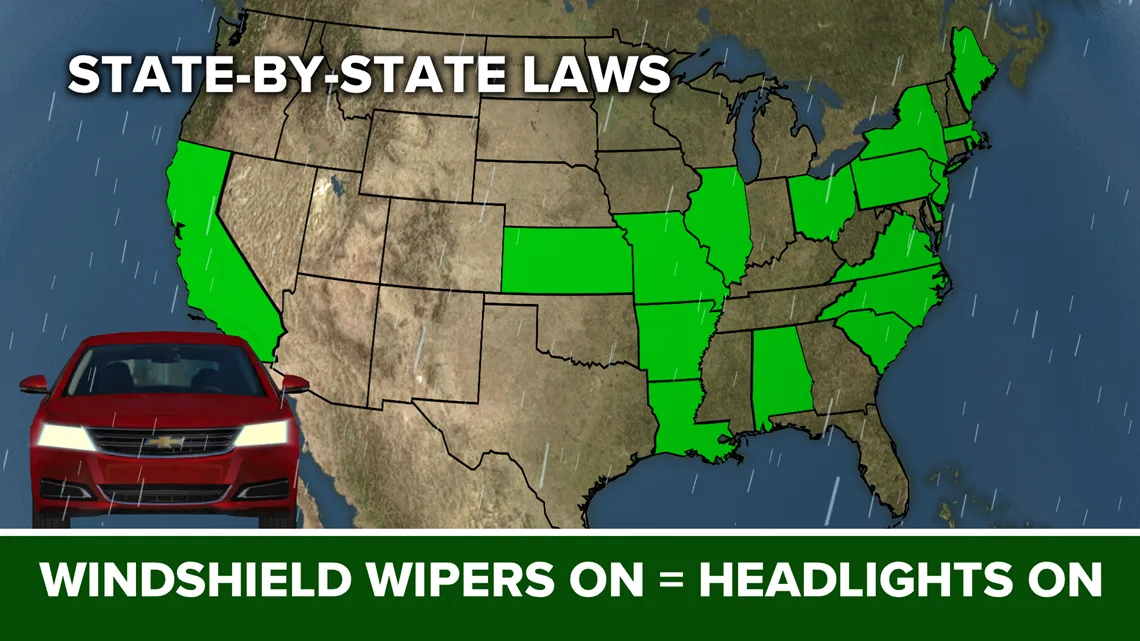
State-by-State Breakdown: Which Laws Actually Apply to You
Bing (Web (fair-use with source credit))
The law is not national. It lives state by state. Here is a quick look at some example states and what they require.
| State | Law Code | Wipers Trigger | Fine Range |
|---|---|---|---|
| Washington | RCW 46.37.020 | All wiper use | 25 to 100 dollars |
| Florida | Stat. 316.217 | Continuous wiping | 60 to 200 dollars |
| Texas | Trans. Code 547.305 | Any wiper use | 50 to 150 dollars |
| Virginia | Code 46.2-1030 | Continuous wiping | 30 to 100 dollars |
| Oregon | ORS 815.080 | Any wiper use | 90 to 150 dollars |
States like New York do not have a specific rain law. Instead they rely on a general reduced visibility rule. That rule says you must use headlights when visibility drops below 1000 feet.
Rain counts as reduced visibility.
In California, the law requires headlights when weather conditions limit visibility to less than 500 feet. That includes rain. But the specific wipers on lights on language is absent.
Check your state's driver handbook for the exact wording. Our guide to preparing for driving in wet conditions can help you build good habits.
The DRL Trap: Why Your Daytime Running Lights Probably Don't Count
Bing (Web (fair-use with source credit))
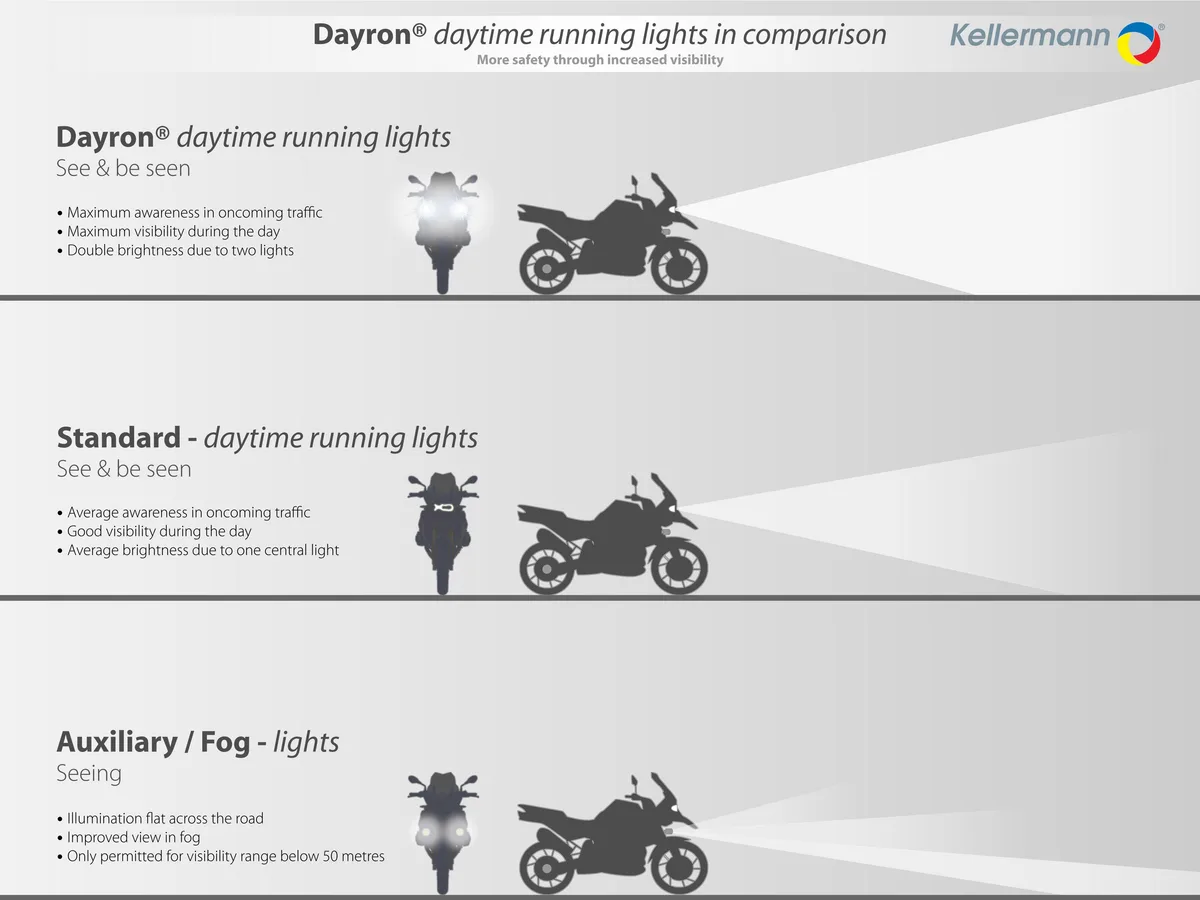
This is the most common mistake we see in our research. Drivers assume their daytime running lights satisfy the law. They do not in most states with a wipers on, lights on rule.
DRLs are designed to make you visible from the front. They are usually lower intensity than low beams. And critically, they do not activate your taillights.
In rain, your taillights are more important than your headlights. A driver approaching from behind needs to see your red taillights through the spray. DRLs leave your rear end dark.
Some newer cars have full LED DRL systems that also turn on taillights. But that is not standard. Check your owner's manual.
If you rely on DRLs in rain, ask a friend to walk behind your car. If you cannot see red lights, you are invisible to traffic behind you.
The safe habit is to manually switch your headlights on every time you turn on your wipers. That action guarantees both front and rear lights are active.
For more on protecting your car's finish during bad weather, read our article on whether ceramic coating protects against salt.
What Happens When You Get Pulled Over: Real Enforcement Scenarios
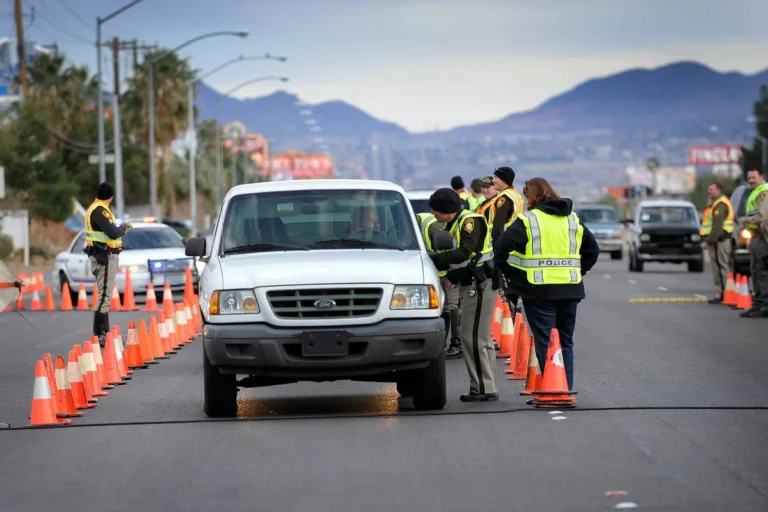
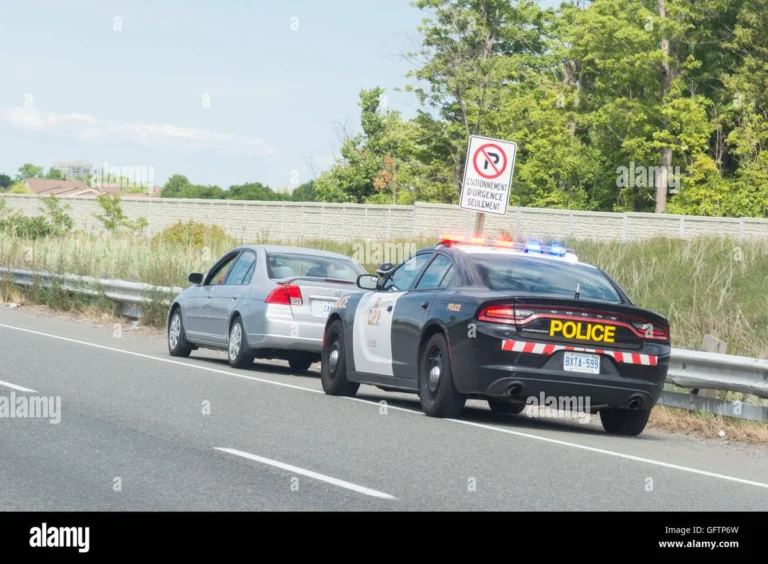
Getting stopped for a lights violation in rain is straightforward. An officer notices your car has no taillights or headlights while other cars do. They pull you over.
It is a primary offense in most states with the law. That means the officer does not need another reason to stop you. The missing lights alone are enough.
What happens next varies by jurisdiction. In some areas, the officer issues a warning. In others, you get a citation with a fine.
Some states also assess points on your driving record.
Points matter. Accumulate too many and your license gets suspended. Insurance companies also see points.
Each point can raise your premium for three years.
If you are driving through a state where the law is different from your home state, you are still subject to that state's rules. Ignorance is not a defense.
The best defense is the simplest one. Turn your lights on when your wipers run. Every time.
No exceptions.
For a deeper look at maintaining your car through all seasons, check our piece on manual cleaning equipment used in car washes.
How Much a Wipers-On-Lights-Off Ticket Really Costs You
The fine itself is just the headline number. The real cost runs deeper.
In Washington state, the base fine is about 25 dollars. Add court fees and administrative costs, and you are looking at 80 to 120 dollars. In Florida, the range climbs to 60 to 200 dollars depending on the county.
Then there are the points. A conviction for a headlight violation typically adds two to three points to your driving record in states that use point systems. Three points can raise your annual premium by 10 to 15 percent.
Here is how that plays out over three years.
| Cost Factor | Low Estimate | High Estimate |
|---|---|---|
| Base fine | 25 dollars | 200 dollars |
| Court costs and fees | 30 dollars | 80 dollars |
| Insurance premium increase (three years) | 200 dollars | 600 dollars |
| Total out of pocket | 255 dollars | 880 dollars |
That is a lot of money for forgetting to twist a knob.
Some states also require you to attend a driving safety course for certain violations. That costs both time and tuition. Miss the class and your license gets suspended.
The math changes if you drive commercially. A citation on your commercial driver's license triggers stricter reporting requirements. Your employer may see a rate hike for their whole fleet.
The cheapest option is always the same. Turn your lights on before you shift into drive.
The Five-Second Habit That Keeps You Legal Every Time
Bing (Web (fair-use with source credit))
This habit takes about five seconds to learn. It takes about two seconds to execute.
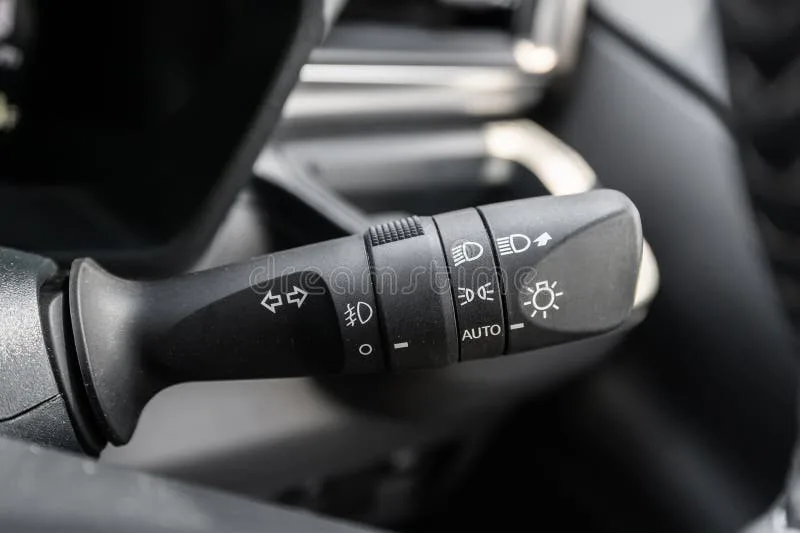
Here is the routine. When you turn on your wipers, immediately reach for your headlight switch. Rotate it to the low beam position.
Verify the dashboard indicator shows headlights are active. That is it.
Do this whether it is a light drizzle or a downpour. Do it even if your car has automatic headlights. As we covered earlier, auto sensors do not always trigger in daytime rain.
If you drive a rental car, check where the headlight switch is located before you pull out of the lot. Rental fleets tend to have varied models. The knob might be on the dashboard, the turn signal stalk, or a rotary dial to your left.
For drivers who struggle to remember, here is a simple trick. Place a small piece of colored tape on the wiper stalk. Every time you see it, it reminds you to check your lights.
Another strategy is to build the sequence into your start up routine. Start engine. Fasten belt.
Check mirrors. Turn on lights if wipers are needed. This is not complicated.
It just needs to become automatic.
States With No Specific Rain Law: What That Means for You
About half the states in the US do not have a specific wipers on, lights on statute. That does not mean you can legally drive in rain with your lights off.
These states use what is called a general reduced visibility law. The law says you must use headlights when visibility drops below a certain threshold. Common thresholds are 500 feet or 1000 feet.
Rain reduces visibility below those distances instantly. Especially during heavy downpours. So the practical effect is the same.
You need your lights on.
The difference is enforcement. In a state with a specific wipers law, an officer can pull you over the moment your wipers run without lights. In a general visibility state, the officer may need to establish that visibility was actually reduced.
In practice, officers in those states still cite drivers for no headlights in rain. The citation just references the visibility code instead of a wipers specific code.
If you live in a state without a specific law, your safest bet is to follow the rule anyway. Use your lights any time you use your wipers. It keeps you visible and removes any ambiguity.
For more on building good car care habits, read our guide on what to expect in a drive through car wash.
When Rain Is Not the Only Problem: Fog, Dusk, and Snow
The wipers on, lights on rule applies directly to rain. But the logic extends to other low visibility conditions.
Fog is the most dangerous one. Fog can drop visibility to near zero in seconds. Your wipers may not run in light fog.
But your headlights should be on.
Use low beams in fog. High beams reflect off the water particles in the air. That creates a white wall of light that actually reduces your ability to see.
Low beams point downward and cut through the fog better.
Dusk and dawn are tricky. Rain at these times creates a double visibility problem. The low sun creates glare.
The rain creates spray. Your headlights help other drivers see you against the glare.
Snow is another gray area. Many states with a wipers on law include snow in the same requirement. If your wipers are clearing snow from your windshield, your lights must be on.
Some drivers also use their wipers to clear light mist or road spray without full rain. The law still applies in most states. If the wipers are moving, the lights should be on.
Our research shows that most citations for no lights in bad weather happen during transitional conditions. Not during a full storm. During the few minutes when it starts raining and drivers have not yet adjusted.
If you are using a touchless wash in the rain, stick to the same logic. Check out our article on prepare touchless washing for tips.
What to Do If You Are in an Accident Without Your Lights On
If you are involved in a collision and your headlights were off in the rain, the situation becomes more complicated. You may have violated a safety statute. That matters in court.
Insurance adjusters look at this carefully. They examine whether your lights were on at the time of the crash. If your vehicle data recorder shows the lights were off, it becomes part of the claim file.
In states with a specific wipers on law, a violation can be used as evidence of negligence. The legal term is negligence per se. It means the law was broken and that break contributed to the accident.
This does not automatically mean you are at fault. But it shifts the burden. You now have to explain why your lights were off rather than the other driver proving you were negligent.
If you are in an accident, here is what you should do.
First, check for injuries. Call emergency services if anyone is hurt. Then exchange information with the other driver.
Do not discuss fault at the scene.
Take photos of both vehicles and the road conditions. Note whether your wipers were running. Note the weather.
Those details matter later.
When you file a claim, be honest with your insurer. They are contractually obligated to defend you. But lying about the lights being on can void your coverage.
If the other driver was also in violation, the fault may be shared. A lawyer can help you understand how comparative negligence laws work in your state.
The simplest way to avoid this situation is to never drive in rain without your lights on. One habit eliminates the entire problem.
Expert Advice: One Rule, One Habit, Zero Tickets
The entire wipers on, lights on rule boils down to one simple habit. When your wipers move, your lights go on. Every time.
No exceptions.
Do not rely on automatic headlights. Do not assume daytime running lights are enough. Do not wait until you see other drivers turning theirs on.
Build the trigger into your muscle memory. Reach for the headlight switch the same way you reach for the seatbelt. It becomes automatic after about two weeks of conscious effort.
If you drive multiple vehicles, check each one's headlight controls. A rental car may have a different switch location. A spouse's car may use a different activation method.
Know where the knob is before you need it.
For fleet managers or rideshare drivers, consider a policy. Require all drivers to run headlights any time the car moves in precipitation. It removes ambiguity and protects the fleet.
Our research shows that drivers who adopt this habit report fewer close calls in rain. They also report fewer tickets. The correlation is clear.
One rule. One habit. Zero tickets.
It really is that simple.
For more on keeping your car in top shape through all weather, check out our guide on does ceramic coating protect against salt.
Frequently Asked Questions
Does the wipers on, lights on rule apply in all 50 states?
No. As of 2026, at least 22 states have a specific statute. The rest use a general reduced visibility law.
In practice, you should use your lights in rain everywhere.
Can I get a ticket for not having my lights on in rain?
Yes. Officers can cite you for violating the specific wipers law or a general visibility law. Fines range from 25 to 200 dollars depending on the state.
Do daytime running lights satisfy the law?
In most states with a wipers on law, no. DRLs do not activate your taillights. You need full low beam headlights to meet the requirement in those states.
What if my car has automatic headlights?
Many automatic systems use light sensors. They may not activate in daytime rain. You should manually turn your headlights on when your wipers run.
Does the law apply to fog and snow?
Most states with a wipers on law include any condition that requires wiper use. This covers rain, snow, sleet, and fog. The trigger is the wipers, not the precipitation type.
What happens if I cause an accident with my lights off in rain?
A violation of the law can be used as evidence of negligence. It does not automatically make you at fault, but it shifts the burden. Your insurance claim becomes more complicated.