Black Friday deals are live on Amazon · limited-time discounts, grab them before they’re gone
Grab the deals

ByMax Lee
Are Drive Thru Car Washes Bad for Paint? Truth Revealed!
A drive-thru car wash is not automatically bad for your paint. The real answer depends on how the wash contacts the vehicle, how clean its equipment is, which chemicals it uses, and the condition of your car’s clear coat.
A modern touchless wash usually presents little risk of friction scratches, while an older wash with contaminated brushes or cloth can gradually create swirl marks. Hand washing can be gentler, but poor technique can also grind grit into the paint. You can also read our guide on is touchless car wash better.
The best choice depends on your priorities: speed, cleaning power, paint preservation, or cost.
The Short Answer
Drive-thru car washes can damage paint over time, especially when they use:
- Dirty brushes or rotating cloth strips
- Aggressive contact against loose grit
- Strong detergents that remove wax or sealants
- Worn equipment that contacts mirrors, trim, or emblems incorrectly
- Excessive pressure directed at already damaged paint
However, a well-maintained wash is convenient and generally safe for a daily driver. The lowest-friction option is a touchless wash, although it may not remove heavy road film as thoroughly as a careful hand wash.
How a Drive-Thru Car Wash Works
Most automatic washes follow a similar sequence:
- A pre-rinse loosens mud, dust, insects, and road salt.
- Detergent is applied to dissolve oily traffic film.
- The vehicle passes through either contact or touchless cleaning equipment.
- The car is rinsed, sometimes with filtered or treated water.
- Drying fans remove much of the remaining water.
- Optional products such as wax, sealant, tire dressing, or underbody rinse are applied.
If you want to understand the controls and payment options before arriving, this drive-through wash walkthrough covers the basic process. You can also read our guide on are drive thru car washes bad.
The important distinction is whether anything physically rubs the paint.
Friction or “Soft-Touch” Washes
Soft-touch systems use foam brushes, fabric strips, or rotating wash materials. “Soft” does not mean risk-free. Any material repeatedly rubbing a painted surface can create fine marring if it carries sand or other abrasive particles.
These marks are usually visible as:
- Circular swirls around bright reflections
- Fine scratches that show most clearly in sunlight
- A hazy or less glossy appearance
- Additional dullness on dark-colored vehicles
One visit rarely ruins a healthy finish. The problem is repeated contamination and friction over months or years.
Touchless Washes
Touchless systems use detergent, water, and air rather than brushes or cloth. That removes the main source of friction scratching, but it creates a trade-off: the wash must rely more heavily on chemical strength and water pressure. You can also read our guide on can you use touchless car wash with ceramic coating.
A touchless wash may leave behind:
- Road film
- Greasy residue
- Dried insect remains
- Brake dust
- Tree sap
- Thick mud in wheel wells
For a lightly dirty vehicle, touchless is often a sensible paint-preservation choice. For heavily soiled paint, a careful follow-up wash may still be necessary. Use this touchless cleaning method when you want to minimize contact.
What Actually Causes Paint Damage?
1. Contaminated Brushes and Cloth
The most common concern is not the brush material itself; it is what the material has picked up from previous vehicles.
Sand, road grit, brake dust, and dried mud can become trapped in rotating brushes or fabric strips. When that material is dragged across clear coat, it behaves like a mild abrasive. The result is usually micro-marring rather than a deep gouge.
In practice, look for equipment that appears heavily soiled, torn, or neglected. A facility that regularly replaces contact materials and maintains its wash arches is a better choice than one with visibly dirty equipment.
2. Excessive Contact Pressure
Contact equipment must press against curved body panels to clean them. If the pressure is poorly adjusted, it can put unnecessary force on:
- Loose moldings
- Wiper blades
- Roof racks
- Antennas
- License-plate frames
- Damaged clear coat
- Vinyl graphics and aftermarket accessories
Inspect your vehicle before entering. A wash cannot be blamed for a trim piece that was already loose, peeling, or cracked.
3. Strong Detergents
Automatic washes need products that work quickly on many types of dirt. Some use alkaline detergents or acidic wheel-cleaning products that are stronger than the soap used in a careful home wash.
These chemicals generally do not dissolve sound automotive paint during a normal cycle. They can, however, shorten the life of:
- Carnauba wax
- Spray wax
- Some paint sealants
- Weak or poorly maintained coatings
- Unprotected rubber and exterior plastics
A wash that removes protection is not necessarily damaging the paint immediately. It simply leaves the clear coat less protected from ultraviolet exposure, contamination, and water spotting.
For home washing, choose a product formulated for automotive finishes rather than household detergent. Guidance on selecting suitable wash soap can help prevent unnecessary stripping of protection.
4. Water Pressure
High-pressure water is usually less harmful than dirty friction materials. Factory paint and clear coat are designed to withstand normal rain, road spray, and routine washing.
Problems are more likely when:
- Paint is already peeling or chipped
- A panel has been repainted poorly
- The nozzle is held extremely close to the surface
- Water is directed at damaged trim or seals
- Pressure exposes an existing edge failure
Pressure washing can also force water into loose badges, cracked lamps, or damaged weatherstripping. On a sound vehicle, normal automatic-wash pressure is unlikely to remove properly bonded factory paint.
If you wash at home, keep the nozzle moving and use a reasonable distance. This guide to appropriate washing pressure explains why more pressure is not always better.
5. Drying and Water Spots
Drying fans do not normally scratch paint because they do not touch it. They may leave water behind, especially on mirrors, door handles, grilles, and recessed trim.
When hard-water droplets evaporate, dissolved minerals can remain on the clear coat. These deposits may look like white spots or rings. They are not the same as scratches, but acidic contamination and repeated mineral buildup can become difficult to remove.
A quick towel dry after leaving the wash can reduce spotting, provided the towel is clean and the surface is not covered in abrasive grit.
Drive-Thru Washes Compared
| Wash type | Main advantage | Main paint risk | Best use |
|---|---|---|---|
| Touchless automatic | No physical contact | Strong chemicals may reduce wax life; cleaning may be incomplete | Light to moderate dirt |
| Soft-touch automatic | More effective against road film | Swirls from dirty or worn materials | Regular daily-driver cleaning |
| Self-service bay | More control over tools and pressure | Shared brushes may contain grit | Careful owners who bring clean tools |
| Professional hand wash | Skilled contact and inspection | Quality varies by provider | Valuable, delicate, or coated vehicles |
| Careful home wash | Maximum control | Bad technique can still scratch | Best overall finish preservation |
There is no universally perfect system. Touchless reduces friction risk but may require stronger detergent. Contact washes clean more aggressively but depend on excellent equipment maintenance.
Is Touchless Always Better for Paint?
Touchless is usually better for avoiding swirl marks because nothing scrubs the clear coat. That makes it attractive for:
- New vehicles
- Black or dark-colored paint
- Vehicles with a polished finish
- Cars with ceramic coatings or paint protection film
- Owners who are highly sensitive to visible marring
It is not automatically better in every situation. A touchless system may use a stronger pre-wash to compensate for the lack of brushes. Frequent chemical exposure can reduce the durability of wax or some sealants.
A touchless wash is also not a substitute for removing bonded contamination. If the car still feels rough after washing, do not scrub harder at the automatic bay. Use a proper decontamination process or have a detailer assess the surface. This comparison of touchless wash trade-offs explains the balance between contact and chemical cleaning.
When a Drive-Thru Wash Is a Sensible Choice
An automatic wash can be the practical option when:
- Road salt or corrosive grime needs prompt removal
- You need a quick clean before a trip or sale
- The vehicle is a working daily driver
- The facility appears clean and well maintained
- You do not have safe space or time to wash at home
- The vehicle has no loose trim, peeling paint, or exposed damage
Removing salt, bird droppings, bug residue, and mud is often more important than avoiding every possible wash-related imperfection. Leaving corrosive or acidic contamination on the vehicle can harm the finish too.
The environmental side matters as well. Commercial facilities commonly collect and manage wash water differently from driveway washing. For general information about water pollution and runoff, the U.S. Environmental Protection Agency is a reliable starting point.
When to Avoid the Automatic Wash
Choose another method if your vehicle has:
- Freshly repaired or repainted panels
- Peeling clear coat
- Deep chips or exposed metal
- Loose trim, badges, or mirrors
- A delicate matte or satin finish
- A soft convertible top
- Unsecured decals, wraps, or aftermarket accessories
- Heavy mud that could carry large grit through contact equipment
Follow the paint-shop or product manufacturer’s curing instructions after a repaint. Fresh refinished paint may need time before it should be washed aggressively.
Matte paint also requires special products and techniques. Conventional polishing, waxes, and some automatic-wash products can change its appearance permanently by creating uneven gloss.
How to Choose a Safer Drive-Thru Wash
Before entering, spend a few seconds checking the facility.
Look for Good Maintenance
Prefer a wash with:
- Clean, intact cloth or foam materials
- Clearly maintained equipment
- Working pre-rinse stages
- A modern, unobstructed wash bay
- Staff who can explain the wash options
- No visible buildup of mud around the brushes
Avoid a location where the equipment is torn, stained with heavy grime, or visibly malfunctioning.
Use the Pre-Rinse Wisely
The pre-rinse is important because it removes loose particles before contact equipment reaches the paint. If the system offers a high-pressure pre-rinse, allow it to cover the lower doors, rocker panels, bumpers, and wheel areas where grit accumulates.
Do not choose a contact wash immediately after driving through wet construction zones or deep mud if the bay does not provide an effective pre-rinse.
Select the Least Aggressive Program That Meets Your Need
Extra options are not automatically better. A basic wash may be enough for dust and light road film. Consider a wax or sealant option when you want temporary water-beading and easier maintenance, but understand that an automatic “wax” is not equivalent to a professionally applied coating.
For paint-conscious maintenance, this guide to protection-focused wash options offers useful context.
Check the Vehicle Afterward
Walk around the car after the wash and look for:
- New scratches
- Missing trim
- A damaged antenna
- Water trapped in mirrors
- Residue around badges
- Incomplete cleaning on the rear or lower panels
Photograph any apparent damage before leaving the property and keep the receipt. This is especially important if the facility advertises equipment guarantees.
Is Hand Washing Safer?
Careful hand washing usually offers the greatest control, but it is not automatically safer. The common mistake is using one dirty sponge or towel on every part of the car. That spreads abrasive grit from the lower panels across the hood and roof.
A safer process includes:
- Park in shade and let hot panels cool.
- Rinse from the top down to loosen loose grit.
- Use automotive shampoo and clean microfiber tools.
- Wash the roof and upper panels before the dirtier lower areas.
- Rinse or change the mitt frequently.
- Use separate tools for wheels and paint.
- Dry with a clean, absorbent microfiber towel.
- Avoid pressing hard against stuck contamination.
The two-bucket washing approach helps separate shampoo from rinse water and reduces the chance of putting grit back onto the vehicle.

Credit: www.reddit.com
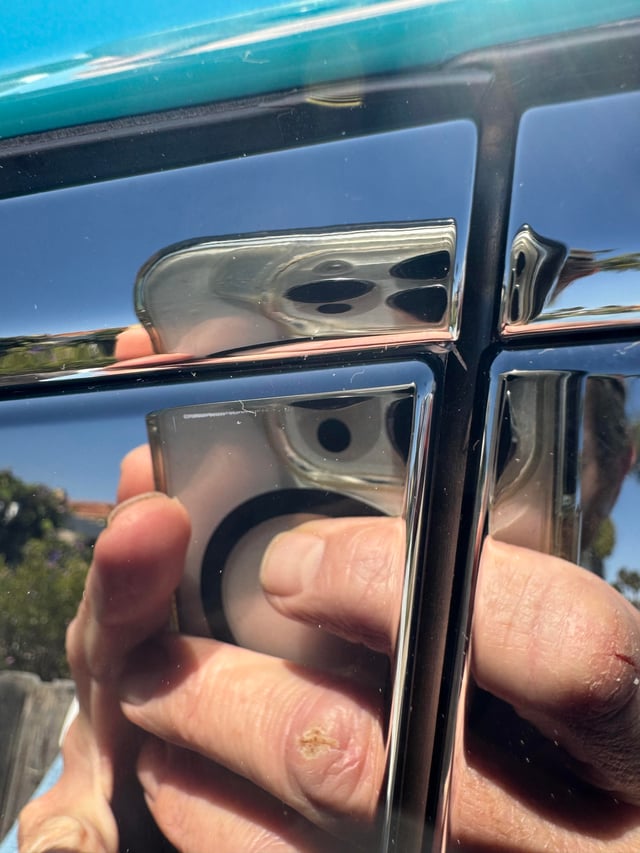
Contact wash equipment can create visible marring when dirt is repeatedly dragged across paint.
How Often Should You Wash Your Car?
There is no perfect universal interval. Wash when contamination accumulates, rather than following a rigid calendar.
Many vehicles benefit from cleaning every couple of weeks under ordinary conditions. Wash sooner after exposure to:
- Road salt or coastal spray
- Bird droppings
- Bug remains
- Tree sap
- Construction dust
- Heavy mud
- Industrial fallout
Bird droppings and insect residue can etch clear coat if left in hot sun. Soak them first instead of scraping or rubbing dry material across the paint.
A more frequent gentle wash is usually preferable to allowing corrosive contamination to bake onto the surface and then removing it aggressively.
Does Wax or Ceramic Coating Prevent Scratches?
Wax, sealants, ceramic coatings, and paint protection film can make cleaning easier, but they do not make paint scratch-proof.
- Wax provides temporary gloss, water beading, and limited contamination resistance.
- Paint sealants generally last longer than traditional wax, depending on preparation and conditions.
- Ceramic coatings improve chemical resistance and make dirt easier to rinse away, but they can still be swirled by contaminated contact equipment.
- Paint protection film offers the strongest protection against many stone chips and light surface damage, but its edges and surface still require suitable washing.
Protection products are best viewed as a maintenance aid, not permission to use dirty brushes or scrub aggressively.
What to Do If You Notice Swirl Marks
First, wash and dry the car properly so you can distinguish dirt from actual marring. Inspect the finish in direct sunlight or under a strong inspection light.
If the marks are only in the clear coat, a professional detailer may be able to reduce them through machine polishing. Deep scratches that catch a fingernail may require paint repair rather than simple polishing.
Do not repeatedly apply more wax to hide worsening defects without addressing their cause. If you continue using a contaminated contact wash, the marks are likely to return.
Frequently Asked Questions
Are drive-thru car washes bad for paint?
They can be, but not every drive-thru wash causes damage. The greatest risk comes from dirty contact materials, repeated friction, and aggressive cleaning of an already compromised finish. A clean, well-maintained wash is generally reasonable for many daily drivers.
Which is safer: soft-touch or touchless?
Touchless is safer against friction scratches because nothing contacts the paint. Soft-touch may remove road film more effectively, but its safety depends heavily on clean, well-maintained brushes or cloth strips.
Can a car wash remove wax?
Strong detergents and repeated washing can shorten the life of wax and some sealants. A normal wash does not usually damage factory paint, but it may leave the surface less protected and less glossy.
Can high-pressure water peel car paint?
Sound factory paint normally withstands routine washing. Peeling is more likely when paint or clear coat is already failing, a repair was poorly bonded, or pressure is applied too closely to an exposed edge.
Are automatic washes safe for ceramic coatings?
They may be compatible with the coating, but contact brushes can still create marring in the coating or underlying clear coat. Choose a touchless system or a wash approved by the coating manufacturer when preserving the finish is a priority.
How can I reduce scratches at an automatic wash?
Choose a clean facility, use the strongest available pre-rinse, select touchless when practical, remove loose accessories, and avoid contact washes when the vehicle is heavily muddy or visibly damaged.
Should I wash bird droppings before using a drive-thru wash?
Remove or soften them promptly. Do not scrape dried droppings from the paint. A pre-soak and gentle rinse are safer than dry rubbing, and prompt removal helps reduce etching.
Final Verdict
Are drive-thru car washes bad for paint? They can be, but the answer depends on the wash design, maintenance, chemicals, and your vehicle’s condition.
For the lowest risk of swirl marks, choose a reputable touchless wash or use a careful hand-washing method with clean tools. If convenience matters most, a well-maintained soft-touch wash is a practical compromise for a daily driver.
The most important habits are simple: remove corrosive contamination promptly, avoid visibly dirty equipment, do not scrub grit into the finish, and keep the paint protected. Used thoughtfully, a drive-thru wash can keep your vehicle clean without automatically ruining its paint.








