ByMax Lee
Guide to Arizona Stupid Motorist Law Rescue Costs in 2026
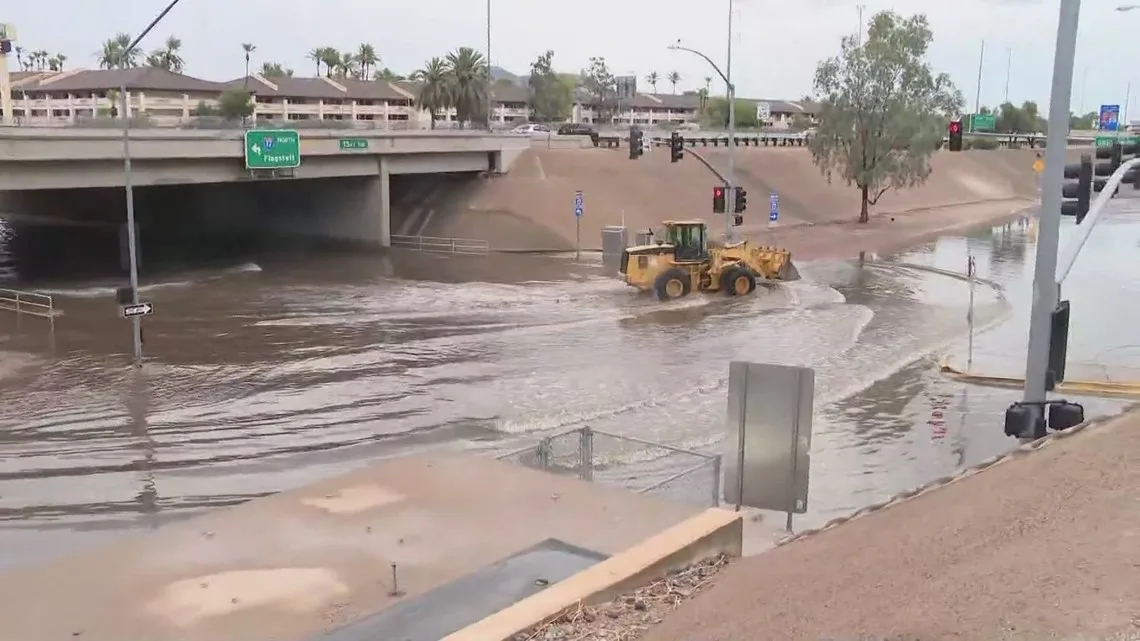
If you drive around a barricaded flood road in Arizona, you're not just taking a risk. You're signing up to pay for your own rescue. The Arizona stupid motorist law rescue costs come straight out of your pocket.
They can run from a few hundred dollars to well over two thousand. It's a law that surprises a lot of drivers, especially people new to the state.
Per the statute, the law applies when you intentionally drive around a barricade or ignore warning signs and get stuck in floodwater. Rescue bills from the fire department can hit you regardless of whether you caused any damage. As of 2026, it's still one of the most misunderstood laws on Arizona's books.
Let's break down exactly what it covers, how much it can cost, and most importantly, how you can avoid getting hit with the fee.
Quick Answer
Arizona's Stupid Motorist Law (A.R.S. 28-910) makes drivers pay rescue costs. It applies if you knowingly drive around barricades into floodwaters. Fees range from $500 to over $2,000.
Insurance typically excludes this. The law covers civil liability only. The best way to avoid it is to turn around.
Why This Law Matters for Every Arizona Driver
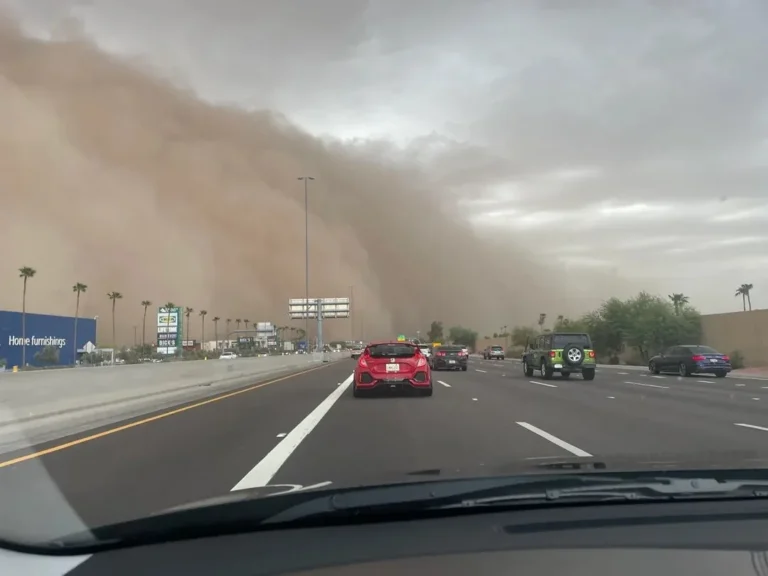
Monsoon season hits Arizona hard every year from June through September. Flash floods can turn a dry wash into a raging river in minutes. The state sees dozens of flood rescues each season.
Many of them involve drivers who ignored barricades.
Bing (Web (fair-use with source credit))
The law exists to protect taxpayers from footing the bill when someone makes a bad choice. Before A.R.S. 28-910 passed, the cost of rescuing stranded drivers came out of city and county budgets. Now, the person who caused the situation pays up instead.
Here's what it means for you as a driver:
- You are personally liable for rescue costs if you drive around a closed road or barricade.
- The fee is civil, not criminal. No jail time, but the bill is real.
- Most auto insurance policies don't cover it. You're paying out of pocket.
- The law applies statewide, not just in rural areas. Phoenix streets flood too.
If you ever find yourself staring at a barricaded road during a monsoon, remember that turning around saves you from more than just drowning. It also saves you from a surprise bill.
What Exactly Is the "Stupid Motorist Law"? (A.R.S. 28-910)
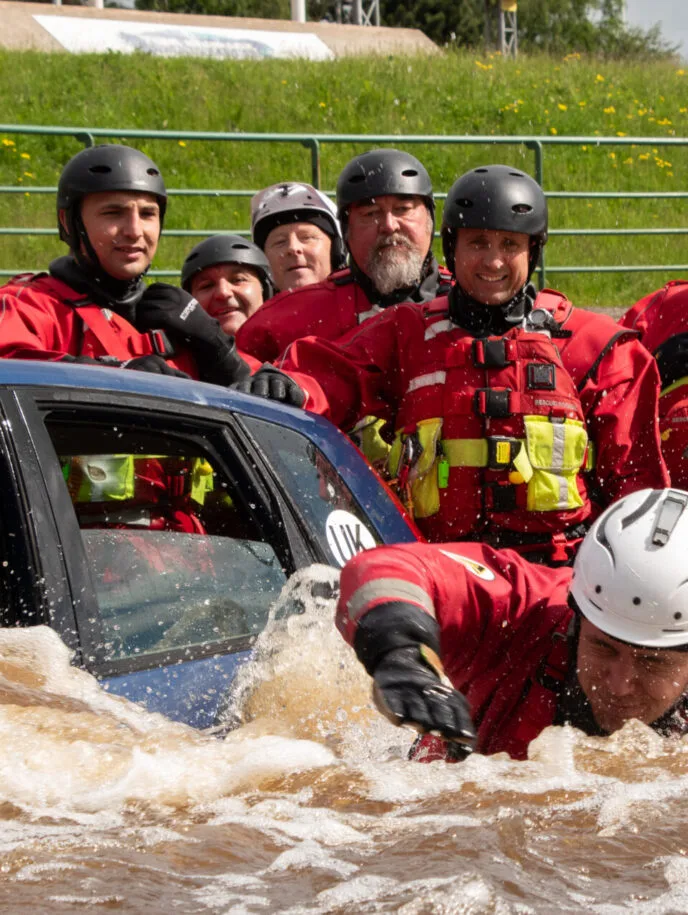
The official name is Arizona Revised Statutes Section 28-910. It's commonly called the Stupid Motorist Law, though the statute itself uses more formal language. The law says that if you knowingly and willfully drive around a barricade or warning sign and get stuck in floodwater, you are civilly liable for the cost of your rescue.
Bing (Web (fair-use with source credit))
The key phrase is "knowing and willful." You have to have seen the barricade or the warning sign and chosen to go around it anyway. The law doesn't apply if you drive into an unexpected flood on a road that had no warnings posted.
Here's a breakdown of the legal components:
| Component | What It Means |
|---|---|
| Trigger | Driving around a barricade or ignoring a road-closed sign during a flood |
| Mental state | Knowingly and willfully disregarding the warning |
| Liability | Civil liability for rescue costs |
| Billing entities | Fire departments, city governments, or county agencies |
| Criminal penalty | None (no jail time or points on license) |
The law has been on the books since the 1990s. It's been used hundreds of times. It's designed to make drivers think twice before taking a risk that endangers themselves and the emergency responders who have to save them.
How the Rescue Cost Structure Works and What You Could Owe
Rescue costs aren't a flat fee. They depend on the resources needed to get you and your vehicle out of the water. A simple extraction by a fire truck crew costs less than a rescue involving a helicopter or a swiftwater team.
Here's what typical cost components look like:
- Personnel time: Hourly rates for firefighters and rescue specialists.
- Equipment usage: Fire trucks, rescue boats, and specialized vehicles.
- Helicopter deployment: The most expensive option, often $5,000 to $10,000 per hour.
- High-clearance vehicle multiplier: Some agencies charge a higher fee for trucks or SUVs that get stuck in deeper water.
The total bill usually lands between $500 and $2,000 for a standard rescue. More complex operations can go much higher. The fee is set by the local fire district or city government.
It varies across the state.
A few real-world examples from recent seasons:
- A sedan driven into a flooded wash in Maricopa County: $1,200 rescue fee.
- A pickup truck stuck in a wash after ignoring a barricade: $1,800 fee (including high-clearance multiplier).
- A family rescued by helicopter from a flooded arroyo: $8,500 fee.
The cost can feel like an unexpected penalty. But it's tied directly to what the fire department spent to get you out. You're essentially reimbursing the city or county for the resources they used.
Who Gets Hit With These Fees and Who Doesn't
The law applies to a specific set of circumstances. It's not a blanket rule for anyone who gets stuck in a flood. Understanding the line between liability and no liability is the most practical part of this law.
You are liable if:
- You saw a barricade or a road-closed sign and drove around it.
- You entered a flooded wash or roadway that had clear warnings posted.
- You were rescued by a fire department or other emergency service.
- The rescue happened on a public road or public property.
You are not liable if:
- The road had no barricade or warning sign when you entered.
- You were caught in a sudden flash flood on a road that was open and unmarked.
- You were a passenger in a vehicle, not the driver (though this can be tricky).
- Your vehicle was parked and not being driven when the flood hit.
The law is written to target the person making the choice. If you're driving a rental car, you're still on the hook. The rental company isn't responsible for the rescue fee, even if the vehicle is damaged.
One common question is whether the law applies to off-road vehicles or ATVs. The short answer is yes. If you're driving on a public road or a designated public area and you ignore barricades, the same rules apply.
Off-road rescues can be even more expensive because the terrain is harder to navigate.
Real Scenarios: Typical Rescue Costs and What Triggers Them
To make this feel more concrete, let's walk through three realistic scenarios. They show exactly how the Arizona stupid motorist law rescue costs play out.
Scenario 1: The commuter who thought it was shallow
A driver in Phoenix tries to cross a flooded street that has a barricade up. The car stalls in about two feet of water. The fire department pulls the driver out through a window and tows the vehicle.
The bill: $800 for personnel time and a standard tow.
Scenario 2: The off-roader who ignored a wash warning
A truck driver sees a "Road Closed When Flooded" sign but drives around it into a wash. The water is deeper than expected. The truck is swept into the current.
A swiftwater rescue team deploys a boat and pulls the driver to safety. The bill: $2,400 for boat use, personnel time, and a high-clearance vehicle multiplier.
Scenario 3: The family caught in an arroyo
A family in a sedan drives through a rural wash that has no barricade. A flash flood appears suddenly. The car is trapped.
A helicopter is called to pull the family out. The bill: $7,200 for helicopter time and rescue personnel.
These scenarios show the range of costs. The common thread is that every rescue involves real resources. Someone has to pay for them.
Under the law, that someone is the driver who made the choice to ignore the warning.
A few factors that can increase your bill:
- Time of day: Night rescues cost more due to lighting and safety gear.
- Weather conditions: Severe storms make rescue harder and more expensive.
- Number of people rescued: More passengers means more time and equipment.
- Damage to rescue equipment: If your vehicle damages a rescue boat or truck, you may be billed for repairs.
The law is not designed to punish. It's designed to protect taxpayers and make drivers think twice. The best way to avoid the cost is simple.
When you see a barricade or a sign, turn around. Don't try to judge the water depth. Don't assume your truck can handle it.
Just turn around.
Common Misconceptions That Get Drivers in Trouble
There's a lot of bad information floating around about this law. Let's clear up the most common myths before they cost you money.
"It only applies on highways." Nope. It applies to any public road in Arizona. City streets, rural washes, and county roads all count.
"I won't get billed if I don't have insurance." Wrong. The rescue fee is a civil debt. It's not tied to insurance at all.
The fire department will send you a bill directly. They can pursue collection if you don't pay.
"It's a criminal charge, so I need a lawyer." It's not criminal. You won't face jail time or lose your license. But if you don't pay, the city or county can take you to small claims court.
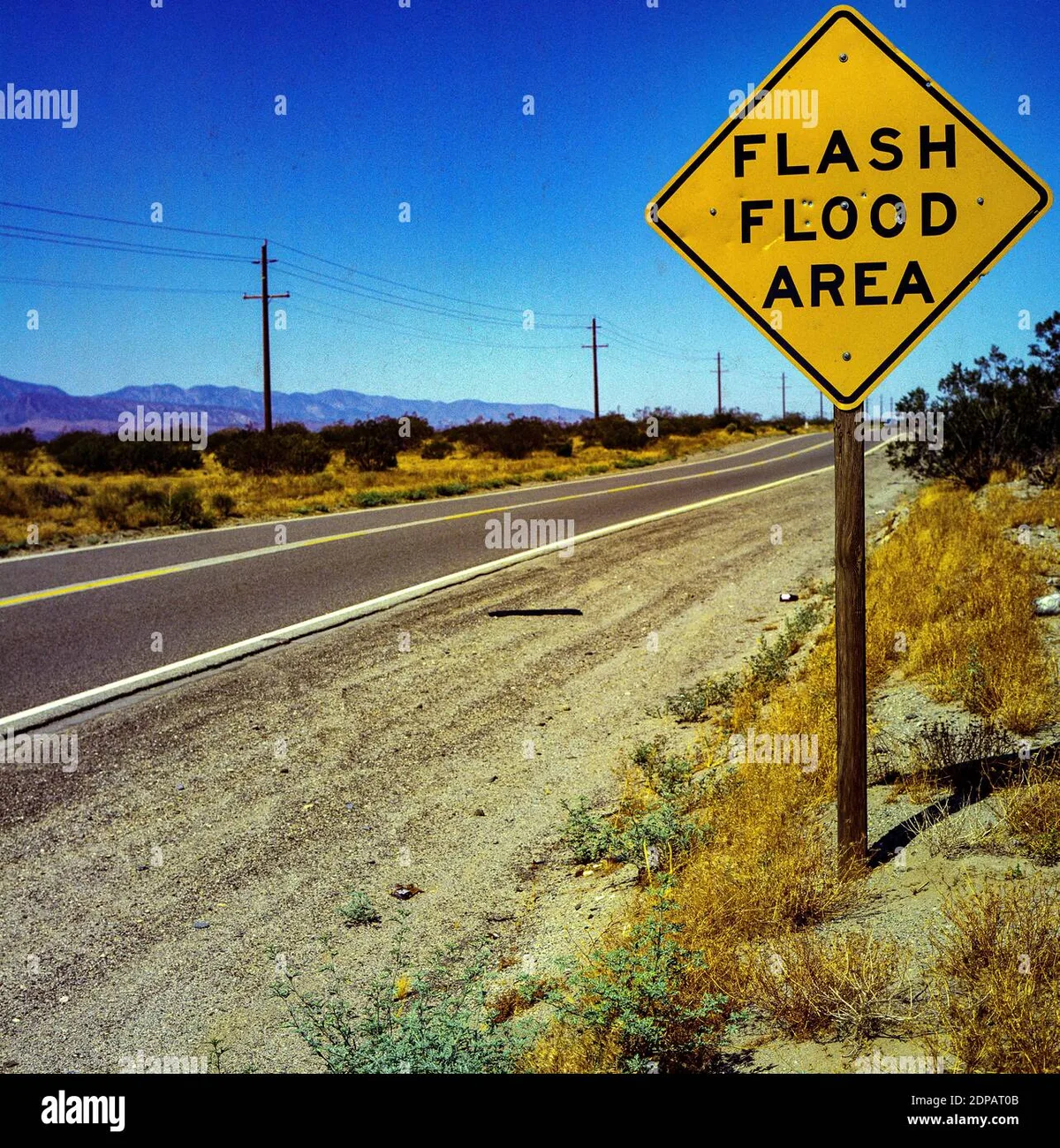
"The law hasn't been enforced in years." It's enforced every monsoon season. Dozens of drivers get billed each year across Maricopa County, Pima County, and rural areas.
Bing (Web (fair-use with source credit))
"If my car is totaled, the insurance company pays the rescue fee." Almost never. Most auto policies explicitly exclude liability for these types of incidents. You're on your own.
One more myth that gets people in trouble: "I can argue my way out of it because the water wasn't that deep." The law doesn't care about water depth. It cares about whether you knew the road was closed and drove around the barricade anyway. That's the whole case.
How Insurance Handles (or Refuses to Handle) the Bill
This is the part that surprises most drivers. Your auto insurance policy almost certainly will not cover the rescue fee. Here's why.
Standard auto insurance covers liability for damage you cause to others, damage to your own vehicle, and medical bills. A civil penalty for knowingly driving around a barricade falls into a different category. Insurers consider it a "knowing and willful act" exclusion.
What gets covered and what doesn't:
| Coverage Type | Covers Rescue Fee? | Notes |
|---|---|---|
| Collision | No | Covers vehicle damage, not liability fees |
| Comprehensive | No | Covers theft, fire, flood damage to the car |
| Liability | No | Covers damage to others, not self-inflicted fees |
| Uninsured motorist | No | Not relevant here |
| MedPay | No | Covers medical bills only |
If your vehicle is damaged by the floodwater, your collision or comprehensive policy may cover the repairs. But the rescue fee itself is separate. That's your personal debt.
A few drivers have tried to claim the fee as a "loss of use" or "emergency service" cost. In our research, those claims are almost always denied. The policy language is clear.
If you're counting on insurance to bail you out, you're going to be disappointed.
The one exception might be a very high-end umbrella policy that includes civil liability coverage. That's rare. It's not something standard policies offer.
Best to assume you're paying out of pocket.
Legal Consequences Beyond the Fee
The liability under A.R.S. 28-910 is civil, not criminal. But that doesn't mean there are no other legal consequences. Let's separate what's real from what's not.
What happens if you don't pay:
- The billing agency (city, county, or fire district) can send the debt to collections.
- They can file a civil lawsuit against you in small claims court.
- If they win a judgment, they can garnish wages or put a lien on your property.
- Your credit score can take a hit from the collection action.
What does NOT happen:
- No criminal record.
- No points on your driver's license.
- No jail time.
- No suspension of your license.
You might see news stories about "stupid motorist" arrests. Those are typically for other charges, like reckless driving or endangering others. The civil liability under 28-910 is separate from any criminal charges a prosecutor might file.
If you cause injury to a rescuer or damage public property during the incident, you could face additional charges. But for the standard scenario of driving around a barricade and getting stuck, the only consequence is the bill.
A few counties in Arizona have considered making non-payment a misdemeanor. As of 2026, that hasn't happened. But it's something to watch if you tend to push your luck.
What to Do If You Receive a Rescue Bill
Getting a surprise bill in the mail is stressful. But you have options. Here's a practical step-by-step approach if you find yourself in this situation.
Step 1: Read the bill carefully. Check the agency that sent it. Look for the incident date, location, and a breakdown of costs. Make sure it matches what happened.
Step 2: Verify the legal basis. The bill should reference A.R.S. 28-910. If it doesn't, or if you believe you didn't knowingly ignore a barricade, you may have grounds to dispute it.
Step 3: Contact the billing agency. Call or email the fire department or city office listed on the bill. Ask for a detailed invoice. Some agencies offer payment plans.
Step 4: Consider disputing only if you have a real case. Valid grounds include no barricade or warning sign posted when you entered the road, you were a passenger not the driver, or the rescue was not related to a flood or barricade.
Step 5: Pay or set up a plan. If the bill is valid and accurate, paying it is usually the best move. Unpaid debts can go to collections and damage your credit. Many agencies will work with you on a payment schedule.
Step 6: Keep records. Save every document related to the incident and the billing. If the case goes to court, you'll want a clear paper trail.
A few people have successfully negotiated lower fees by showing financial hardship. It's not guaranteed. But it's worth asking.
The worst they can say is no.
How to Avoid Becoming a "Stupid Motorist"
The best rescue fee is the one you never get. Here's the straightforward advice that keeps your money in your pocket.
Bing (Web (fair-use with source credit))
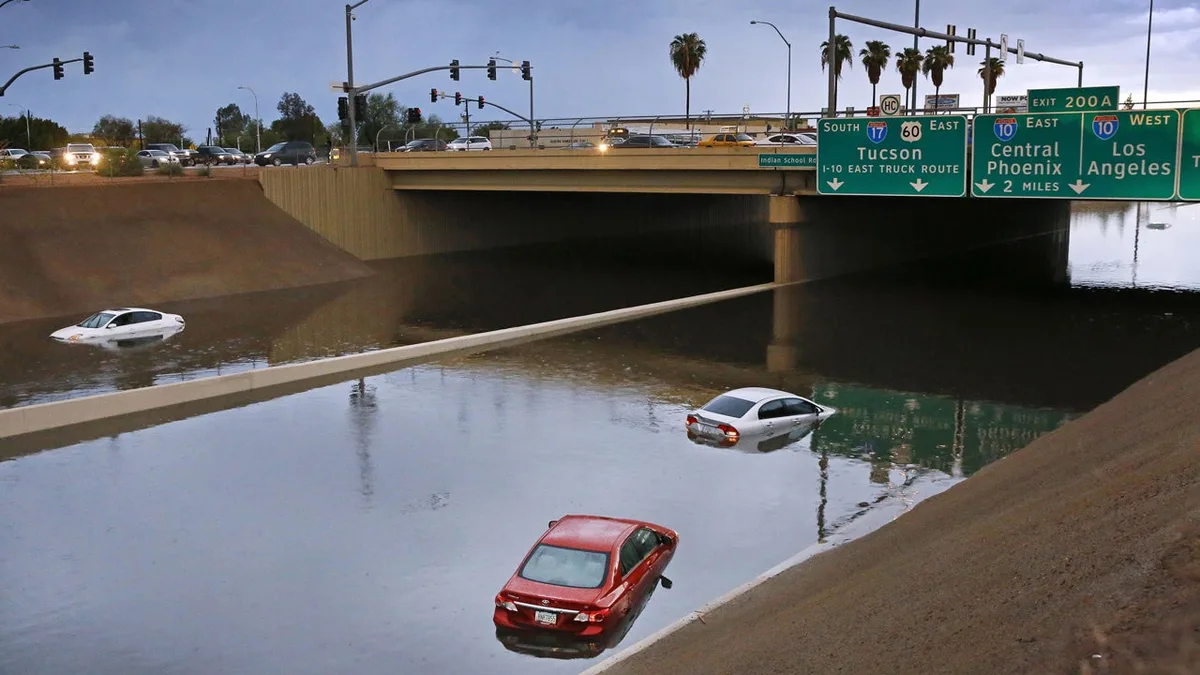
Turn around. Period. If you see a barricade, a road-closed sign, or water flowing across the road, don't try to judge the depth. Don't assume your truck or SUV can handle it.
Just turn around and find another route.
Know the danger zones. Urban streets in Phoenix and Tucson flood fast during monsoon storms. Low-water crossings and washes in rural areas are especially dangerous. The National Weather Service's "Turn Around Don't Drown" campaign exists for a reason.
Check weather forecasts. Before you head out during monsoon season, check the forecast. If flash flood warnings are posted, avoid known problem roads.
Don't follow GPS into water. Your navigation app doesn't know if a road is flooded. Trust your eyes and the barricades, not the map.
If you're driving a rental car, be extra careful. Out-of-state drivers are some of the most common victims of this law. They don't know the terrain or the risks. If you're visiting Arizona, take the warnings seriously.
What if you're already trapped? Call 911. Don't try to get out of the car yourself if the water is moving fast. Stay on the roof if necessary and wait for rescue.
The bill will come later. But your life is worth more than the fee.
The math is simple. A few minutes of detour is cheaper than a $1,200 rescue bill. Every monsoon season, drivers prove this the hard way.
Don't be one of them.
What Tourists and Snowbirds Need to Know
If you're visiting Arizona, this law can catch you off guard. Rental cars, unfamiliar roads, and the urge to explore make tourists prime targets for rescue fees.
Here's the short version. Before you drive through any flooded road, ask yourself if you'd do it back home. If the answer is no, don't do it here either.
The rental car company won't cover the fee. Your travel insurance probably won't either. You're personally on the hook.
The most dangerous time is July and August. That's peak monsoon season. Stick to main roads.
Avoid washes and low-water crossings. And if you see a barricade, respect it. Your vacation isn't worth a $2,000 bill.
Verified Sources for More Information
For the full legal text, look up Arizona Revised Statutes Section 28-910 on the Arizona State Legislature website. That's the official source.
The National Weather Service's "Turn Around Don't Drown" campaign has practical safety resources for drivers. The Arizona Department of Transportation (ADOT) also publishes monsoon safety guides each year. These are free and updated regularly.
Frequently Asked Questions
Does the stupid motorist law apply to out-of-state drivers?
Yes. It applies to anyone driving on Arizona roads. Your out-of-state plates won't protect you.
The law doesn't care where you're from.
Can I dispute a rescue bill if I didn't see the barricade?
You can try. If the barricade was knocked down or missing, you may have a case. Gather photos and witness statements.
The burden is on you to prove the warning wasn't there.
Will my insurance rates go up if I get a rescue bill?
Probably not. The fee is civil, not criminal. It won't show up on your driving record.
But if the bill goes to collections, it could affect your credit.
Is there a maximum amount the rescue fee can be?
There's no hard cap in the law. Most rescues fall between $500 and $2,000. Helicopter rescues are much higher.
Some have exceeded $10,000.
Can I volunteer to pay less if I'm low on money?
You can ask. Some fire districts offer payment plans or reduced fees for financial hardship. It never hurts to call.
Be honest about your situation.
Does the law only apply during monsoon season?
No. It applies any time a driver ignores a barricade and gets stuck in floodwater. But monsoon season is when it happens most.
June through September is the high-risk window.