ByMax Lee
Guide to Arkansas Graduated Driver License Stages for Teenage Drivers
Navigating the Arkansas graduated driver license stages for teenage drivers can feel like decoding a puzzle. You know your teen needs a license, but the rules shift at every step and one mistake can add months to the timeline. Getting the process straight from the start saves headaches later.
As of 2026, Arkansas follows a three-stage graduated system shown to reduce teen crash risk by roughly 20 to 30 percent according to national research. The state builds in restrictions gradually so new drivers gain experience before they earn full freedom. Here is exactly what you need to know at each step.
Quick Answer
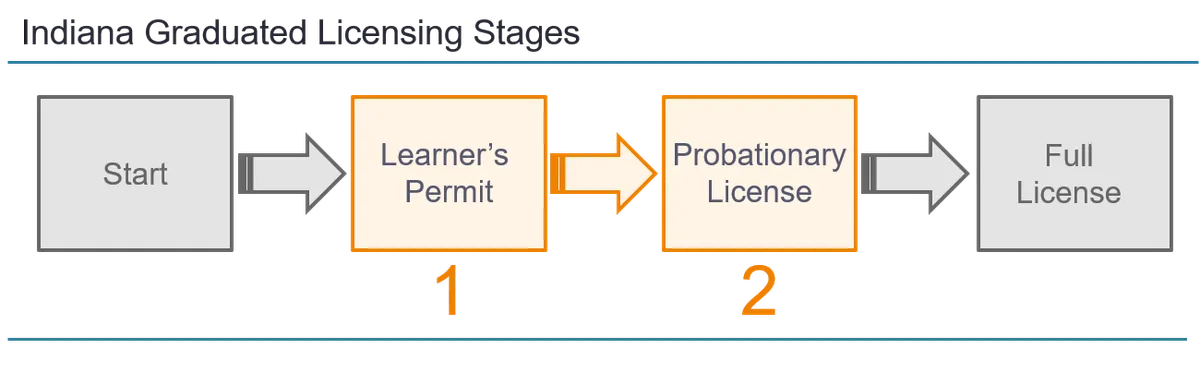
The Arkansas graduated driver license has three stages. First is the Learner's License at age 14. Second is the Intermediate License at age 16.
Third is the full Unrestricted License at age 18 (or 17 with driver's ed). Each stage has strict rules on passengers, night driving, and phone use.
Why Getting the Stages Right Matters (More Than You Think)
This is not just about checking boxes at the Revenue Office. The GDL program phases in driving privileges while crash rates peak for new drivers. The first six to twelve months behind the wheel carry the most risk.
Data from the National Highway Traffic Safety Administration shows that teens are three times more likely to be in a fatal crash per mile driven compared to adults.
If you skip a requirement or overlook a restriction, you risk more than a ticket. Violations tack on automatic six-month extensions to the intermediate stage. That means your teen stays restricted longer and cannot get the full license when they expected.
It is a system that rewards patience and punishes shortcuts.
Understanding all three stages front to back keeps you out of that penalty loop. It also protects your teenager from the situations where most new-driver accidents happen: nighttime driving, crowded cars, and distracted driving.
The Three Stages at a Glance
Arkansas breaks the learning process into three clear phases. Each one builds on the last and adds new privileges once you meet the requirements. Think of it as a ladder.

Stage 1: Learner's License — The Foundation
You can apply for a Learner's License at age 14. This is your permit to practice, not to drive alone. You must pass a written knowledge test and provide proof of school enrollment or equivalent.
A licensed driver age 21 or older must sit in the front passenger seat every time you drive. That supervising driver must have held a valid license for at least one year. Night driving is allowed only between 5 AM and 11 PM with a parent or guardian.
Cell phone use is banned entirely, hands-free and handheld alike.
You hold this license for a minimum of six months. During that time you must log at least 50 hours of supervised driving, with 10 of those hours after dark. The six-month clock starts when you get the permit.
Stage 2: Intermediate License — The Big Step
Once you turn 16 and have held the Learner's License for at least six months (and completed the 50-hour log), you can apply for the Intermediate License. You must pass a behind-the-wheel driving test administered by Arkansas State Police or at some Revenue Office locations.
Between 5 AM and 11 PM, you can drive without a supervising adult. From 11 PM to 5 AM, you need a licensed adult who is 21 or older in the car with you.
Passenger limits kick in here. For the first six months of your Intermediate License, you can have only one passenger under age 21 who is not an immediate family member. After that first six months, you can have up to three non-family minors in the car.
Immediate family members like siblings and parents do not count toward those limits.
A clean record during this stage is everything. One moving violation or restriction violation adds a six-month extension. Two violations add another six months.
The intermediate license can drag on for much longer than expected if you are not careful.
Stage 3: Full Unrestricted License — The Finish Line
You can apply for a full Unrestricted License at age 18. If you complete a state-approved driver's education course, you can upgrade at age 17. You must have held the Intermediate License for at least six months and have no crashes or moving violations in the previous 12 months.
No driving test is required if you already passed one for the Intermediate License. After that, all restrictions vanish. No passenger limits, no night curfew, no cell phone ban for calling or GPS (though Arkansas law still prohibits texting while driving for all ages).
The Rules That Can Trip You Up
Most delays in the GDL system come from a handful of easily avoidable mistakes. Knowing these rules in detail keeps your teen from getting that dreaded extension letter.
Passenger Limits: Who Can Ride Along and When
This rule catches the most teens off guard. During the first six months of the Intermediate License, only one non-family minor can be in the car. Family members like mom, dad, and siblings do not count.
But your best friend from school does. No double-dating, no group trips to the mall, no driving three buddies to the game.
After six months, the limit goes up to three non-family minors. That is still fewer than the typical backseat of a sedan. Arkansas enforces this as a primary offense.
Officers can pull you over solely for having too many passengers.
Night Driving Restrictions: The 11 PM Curfew
Between 11 PM and 5 AM, Intermediate License holders must have a licensed adult age 21 or older in the front seat. This applies every single night. No exceptions for school events, work, or family emergencies.
If your teen works a late shift, you need to pick them up or they need a licensed adult driver with them. The restriction lifts when they get the full Unrestricted License.
Cell Phone Ban: It Is Not Just a Suggestion
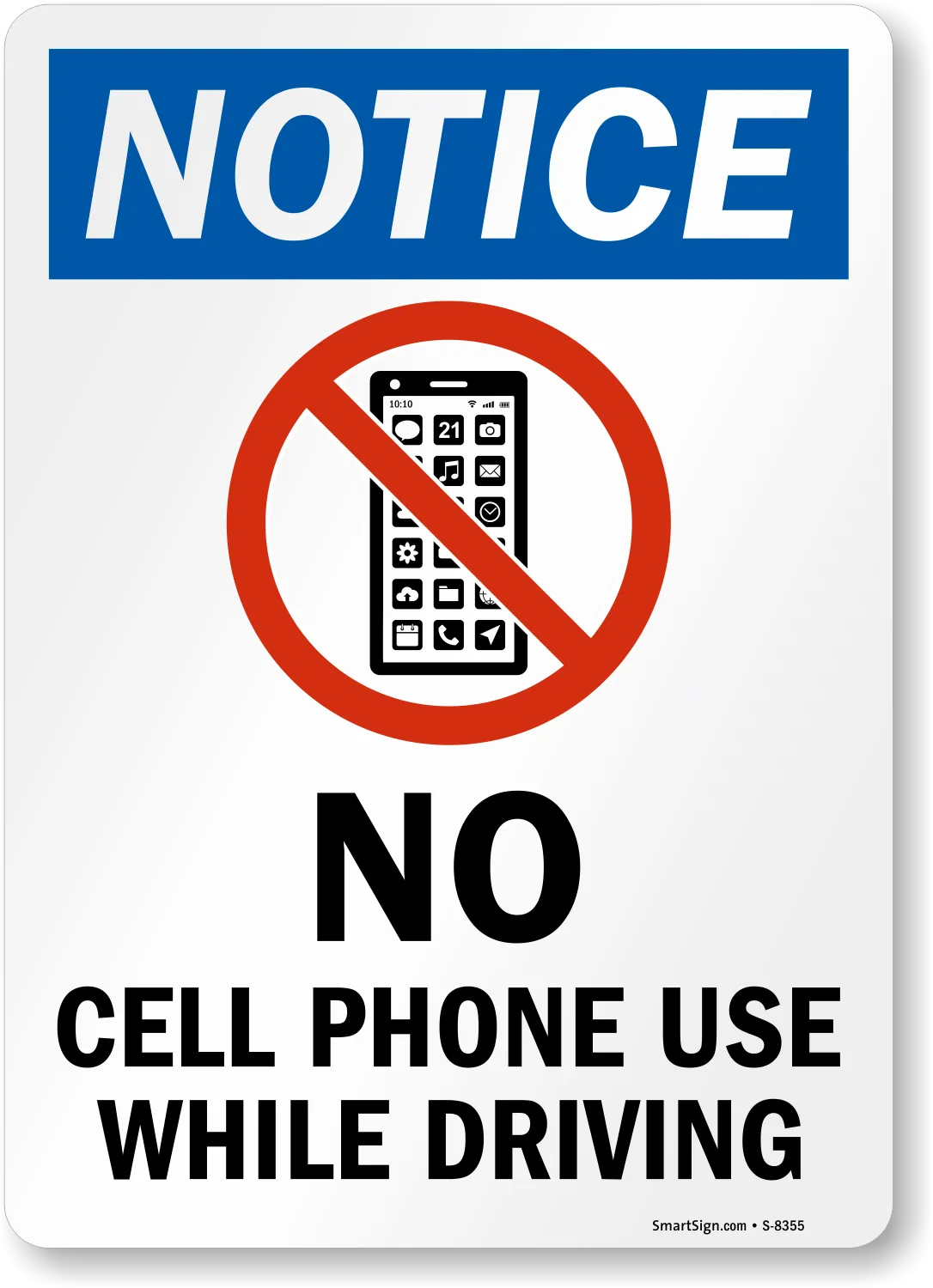
Under the GDL program, all cell phone use is banned for Learner's and Intermediate License holders. That includes hands-free calling, GPS, and even looking at a text while stopped at a red light. The only exception is calling 911 in an emergency.
This ban stays in place until the driver gets the full Unrestricted License. Even then, Arkansas law prohibits texting while driving for all ages, so building the habit of keeping the phone away early is wise.
The 50-Hour Log: What Counts and What Does Not
The state requires at least 50 hours of supervised driving practice during the Learner's License period. Ten of those must be at night. This log is proof that your teen has real experience before moving to the Intermediate stage.
What counts as valid driving time? Any time your teen is behind the wheel with a licensed adult 21 or older in the front seat. City streets, highways, parking lots, rural roads all count.
Night driving means driving after sunset but before sunrise.
What does not count? Sitting in a parked car with the engine running. Driving for errands where the adult does most of the actual steering.
Time spent in a driver's ed classroom or simulator does not count either. The hours must be actual seat time on actual roads.
You do not need to submit the log to the state unless they ask. But you do need to keep it. If your teen gets pulled over or has an accident during the Learner stage, the officer may request to see it.
Keep a notebook in the glovebox or use a simple spreadsheet.

What Driver's Ed Actually Changes (and Saves You)
Driver's education is optional in Arkansas. But if your teen completes a state-approved course, they can get the full Unrestricted License at age 17 instead of 18. That is a full year of freedom earlier.
The course typically includes 30 hours of classroom instruction and 6 hours of behind-the-wheel training with a certified instructor. Some high schools offer it. Private driving schools also provide approved programs.
Cost ranges from about $200 to $500 depending on the provider.
The time savings alone make it worth considering. Your teen still must hold the Intermediate License for six months and keep a clean record. But finishing driver's ed before they turn 17 means they can apply for the full license as soon as that six-month window closes.
Without driver's ed, they are stuck at Intermediate until their 18th birthday.
There is also a safety benefit. National research shows that teens who complete driver's education have fewer crashes during their first year of independent driving. The professional instruction covers defensive driving techniques that parents may not think to teach.
Check with your teen's school counselor. Some districts offer reduced-fee programs or scholarships for driver's ed. The investment is small compared to the cost of an extra year of insurance surcharges for an intermediate license holder.
Real Costs: Fees, Testing, and Hidden Expenses
The actual out-of-pocket cost for an Arkansas driver's license is relatively low. You pay around $10 for the Learner's License and another $10 to upgrade to the Intermediate. The full Unrestricted License costs about $20.
These fees are set by the Arkansas Department of Finance and Administration.
The hidden costs add up. The written knowledge test is free on the first try. Retakes cost a small fee at most testing locations.
The behind-the-wheel driving test also comes with a fee, usually $10 to $20 depending on where you take it.
Driver's education is the biggest expense if you go that route. Private courses run $200 to $500. Some high schools offer it for a reduced fee or even free.
Check with your local school district before committing to a private school.
Insurance is where the real money lives. A teen driver on an Intermediate License will raise your premiums. Rates drop once they hit the full Unrestricted License and build a clean driving record.
Shopping around for quotes before your teen starts driving can save you hundreds each year.
Other costs include a driving log notebook, a certified copy of your birth certificate if you do not have one, and potentially a vision screening fee. None of these are huge, but together they can catch you off guard.
Common Mistakes That Delay Your License
Most delays in the GDL process are completely avoidable. They happen because someone misses a deadline or breaks a rule they did not know existed. Here are the biggest ones.
Forgetting to Renew the Learner's Permit
Your Learner's License expires after one year. If it lapses, you have to reapply. That means retaking the written test and paying the fee again.
The six-month holding period resets to zero. Teens who get their permit at 14 sometimes let it expire while waiting until they are 16 to worry about driving. Set a calendar reminder nine months out.
Getting a Ticket During the Intermediate Stage
One speeding ticket or rolling stop violation triggers an automatic six-month extension. You do not get a warning. The extension applies even if you take a defensive driving course.
The only way to avoid it is to keep a spotless record. Obey every traffic law, including the restrictions on passengers and phone use.
Letting Too Many Friends Ride Shotgun
The passenger limit is strictly enforced in Arkansas. During the first six months of the Intermediate License, only one non-family minor can be in the car. After six months, it is three.
Teens get caught because they think "just one more friend will not matter." It does. The officer can write the ticket based solely on that observation. The six-month extension kicks in automatically.
Not Completing the 50-Hour Log
Some families forget to track hours. When the teen turns 16 and applies for the Intermediate License, they may not have proof of the required practice time. The state does not always ask for the log at the counter, but they can request it during a review.
More commonly, parents realize their teen has not gotten anywhere near 50 hours and have to delay the test.
How Violations Push Back Your Timeline
A single moving violation or restriction violation during the Intermediate stage adds six months to the time you must hold that license before upgrading. A second violation adds another six months. Your teen could be stuck at Intermediate until they are 19 or older.
Here is the math. Suppose your teen gets their Intermediate License at 16 years and 6 months old. They get a speeding ticket at 17 years old.
The extension pushes their earliest full license eligibility from 18 to 18 years and 6 months. A second ticket moves it to 19 years. That is a full year of restrictions they did not plan for.
Violations during the Learner's stage do not trigger extensions directly. But they do go on your teen's driving record. Insurance companies see them and raise rates accordingly.
If your teen accumulates too many points on their record, the state can suspend their license entirely.
The same rules apply to crashes. If your teen is at fault in an accident, it counts as a violation. Even a fender bender in a parking lot can set the timeline back.
When to Seek Professional Help (Instructors, Tests, Appeals)
Most teens pass the driving test with parent-taught practice. But not everyone does. If your teen struggles with parallel parking, merging onto highways, or managing anxiety behind the wheel, a professional driving instructor can help.
Driving schools in Arkansas offer single lessons for about $50 to $75 an hour. A couple of focused sessions can fix specific issues. That is cheaper than failing the driving test multiple times and paying retake fees.
Consider professional help if your teen fails the written knowledge test twice. Some teens freeze up on test day. A written test prep course or even online practice tests can help.
The Arkansas State Police website has a sample test you can use.
Appeals are rare but possible. If your teen's license gets suspended or they receive an extension they believe is unfair, you can file an appeal with the Arkansas Department of Finance and Administration. You need to provide documentation and possibly attend a hearing.
This is worth doing only if there was an error in how the violation was recorded.
Quick Reference: Stage Requirements Cheat Sheet
| Requirement | Learner's License | Intermediate License | Full License |
|---|---|---|---|
| Minimum age | 14 | 16 | 18 (17 with driver's ed) |
| Minimum holding period | 6 months | 6 months (clean record) | N/A |
| Supervised hours needed | 50 (10 night) | None required | None |
| Night driving restriction | 11 PM to 5 AM (with parent only) | 11 PM to 5 AM (with adult 21+) | None |
| Passenger limit (non-family minors) | 0 | 1 (first 6 months), then 3 | None |
| Cell phone use | Banned | Banned | Allowed (texting still illegal for all) |
| Behind-the-wheel test required | No | Yes | No (if passed at Intermediate) |
| Driver's ed impact | None | None | Allows upgrade at 17 instead of 18 |
Keep this cheat sheet in your car or on your phone. It answers the most common questions without digging through the state website.
Frequently Asked Questions from Arkansas Teens and Parents
Can I get my Learner's License before I turn 14?
No. Arkansas law sets the minimum age at 14 for a Learner's License. You cannot apply earlier.
What happens if I move to Arkansas with a permit from another state?
You can transfer your permit within 30 days of establishing residency. You must pass the Arkansas written knowledge test. Your previous driving hours may count toward the 50-hour log if you have documentation.
Do I need a separate test for the Intermediate License?
Yes. You must pass a behind-the-wheel driving test administered by Arkansas State Police or an approved Revenue Office. The test covers basic maneuvers, parking, and road rules.
How long does an Intermediate License extension last?
Each violation adds exactly six months to the time you must hold the Intermediate License before upgrading. Two violations add a full year. The extension starts from the date of the violation.
Can my teen drive to school or work during the night restriction?
No. The 11 PM to 5 AM restriction applies to all driving, including school events and work. The only exception is having a licensed adult age 21 or older in the front seat.
Final Word: Your Roadmap to a Clean, Early Full License
The Arkansas graduated driver license system rewards preparation and patience. Start the 50-hour log on day one. Keep a clean record.
Take driver's ed if you want the full license at 17. Stick to the passenger and night driving limits. One ticket or one forgotten renewal can cost months of freedom.
If you stay disciplined through the three stages, your teen earns real experience before full independence. That experience saves lives. Follow the rules, log the hours, and the full license arrives on schedule.
For more tips on keeping your car in good shape for your teen driver, check out our guide on car wash best practices. If you are washing cars more often now that a teen is driving, our article on how a water gun helps clean cars might help. And if you need to know the right PSI for washing cars, we have that covered too.