Let's start with the hard truth. The Arkansas DFA proof of assessment requirement for car registration catches a lot of people off guard. You pay your personal property tax and think you are all set.
Then you head to the DFA and they ask for something else.
It feels like a gotcha, but there is a reason for it. The tax and the registration are two separate jobs handled by different offices. As of 2026, the system still relies on you connecting the dots between your county assessor and the DFA.
Quick Answer: Do You Need Proof of Assessment Right Now?
Yes, you need proof of assessment for every vehicle registration renewal in Arkansas. This applies to both initial registrations and annual renewals.
There is one main exception. If you did not own the vehicle on January 1st of the current tax year, you might not owe personal property tax on it yet.
The rule is simple. If an assessment was due, you need to show it was paid. If the system says no tax is due, you are clear.
What the Arkansas DFA Actually Needs From You (And Why)
The DFA needs one simple thing. They need a document that says your vehicle is properly assessed for the current tax year. This document is your proof of assessment.
Why do they need it? It is their way of making sure you paid your taxes. The DFA acts as the enforcer for the county.
If you do not pay your personal property tax, the DFA will not let you register your car.
The document itself is usually a receipt or a confirmation page. It must show your name, the vehicle VIN, and the county where the tax was paid. Without these three details, the DFA officer might reject it.
The Core Problem: Assessment and Registration Are Two Separate Systems
This is the root of all the confusion.
The County Side: Your county assessor determines the value of your vehicle. They send you a tax bill based on that value. You pay the tax to the county.
The State Side: The Arkansas DFA issues your license plate and registration sticker. They collect the registration fee. They do not collect the personal property tax.
The Handoff: The county is supposed to tell the DFA that you paid. This handoff is not always instant. Some counties have great online systems that sync daily.
Others are slower.
You are the person stuck in the middle. The DFA will not check for you. They will ask you for proof.
If you do not have it, they will turn you away.
This split system is not designed to be hard. It is designed to be thorough. But it puts the responsibility on you to prove your case.
The Exact Documents That Count as "Proof of Assessment"
Not every piece of paper works. Here is what the DFA actually accepts at the counter.
Paid Tax Receipt
This is the best option. It is a formal receipt from your county assessor. It shows the paid date, the amount, the VIN, and the county seal or stamp.
Most DFA offices trust this immediately.
Online Confirmation Printout
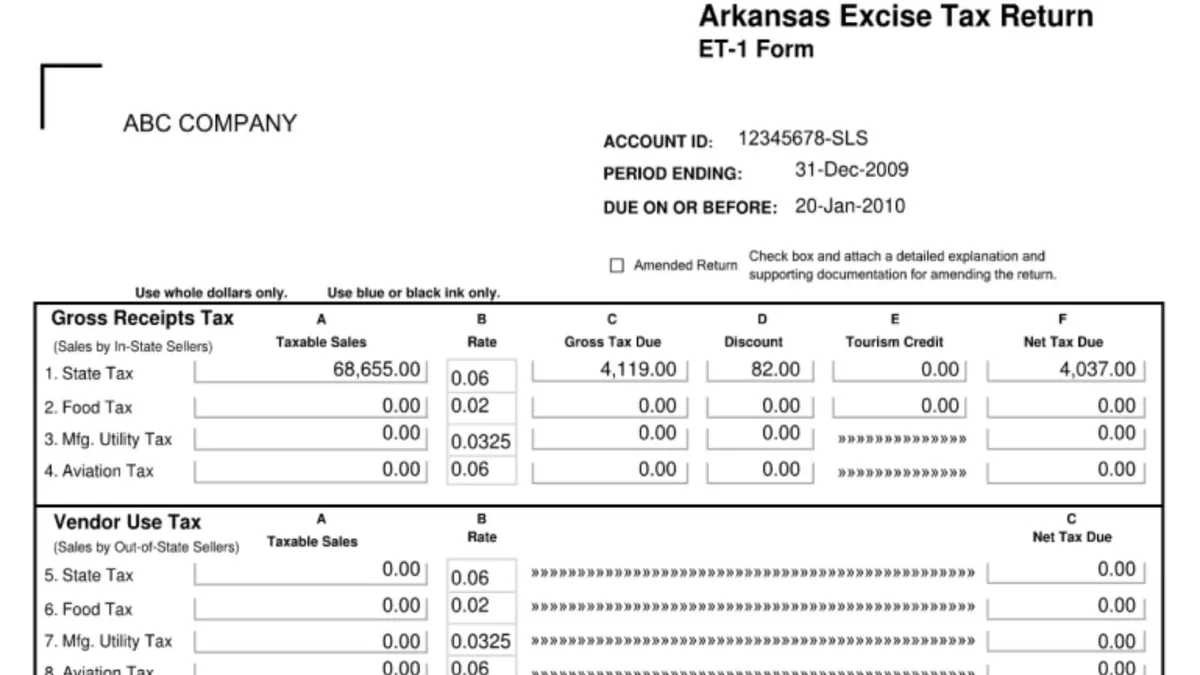
Most counties now let you pay online. When you do, you can print a confirmation page. Make sure it has your name, VIN, and the payment confirmation number.
The DFA accepts these. Print two copies just in case.
The DFA Renewal Notice
This is the tricky one. The DFA sends you a renewal notice that shows your assessment status. If it says "Paid," you are usually good.
If it says "Unpaid" or shows a balance, you cannot use it. You must pay the tax first and bring different proof.
Bank Statement
This almost never works. Do not bring a bank statement showing a check cleared. The DFA needs a document from the county, not from your bank.
It is one of the most common mistakes people make.
Step-by-Step: How to Get Your Proof of Assessment
Getting the right document is straightforward if you follow the order. Jumping ahead usually causes the problem.
Step 1: Check Your County Assessor's Website First
Every Arkansas county has an assessor website. Most let you look up your vehicle by VIN or plate number. You will see your current assessment status and any balance due.
If the site shows a zero balance, you are in good shape. Print that page or save the PDF. That is your proof.
Step 2: Pay the Tax Before You Try to Register
If you owe money, pay it online through the county portal. Use a credit card or e-check. The county will issue a receipt immediately.
Keep that receipt. Do not close the browser window until you have downloaded or printed the confirmation.
Step 3: Grab the Right Proof Document
After payment, you usually get a receipt page. It should include your name, VIN, county name, payment amount, and a transaction ID.
If the county sends a paper receipt in the mail, keep that envelope. Do not throw it away until your registration is in hand.
Step 4: Take It to the DFA (or Upload It Online)
Some registrations can be done online through the myDMV portal at Arkansas.gov. If your county syncs with the state, you might not need to upload anything. If they do not sync, you must upload the receipt as a PDF.
For in-person trips, bring the printed receipt and the renewal notice. The DFA officer will verify the information and process your registration.
County-by-County Reality: Why Your Experience Might Differ
Not every county in Arkansas works the same way. Some have modern systems. Others still rely on paper.
Your experience depends on where you live.
Counties With Full Online Integration
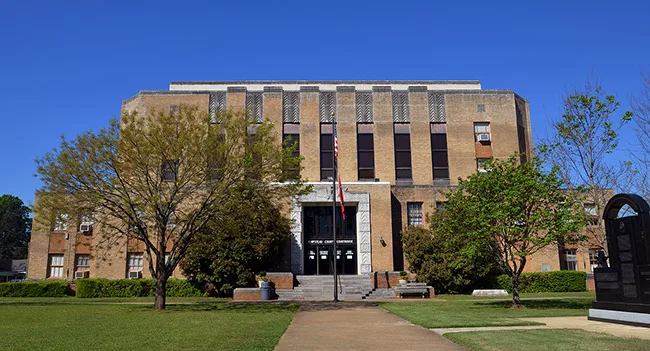
Pulaski County (Little Rock) and Washington County (Fayetteville) have strong online portals. Their assessment data syncs with the DFA within a few hours. You can often pay your tax and register the same day online without leaving your house.
Benton County (Bentonville) is also solid. Their system updates overnight.
Counties That Still Require an In-Person Stop
Smaller rural counties may have limited online options. You might need to visit the assessor's office in person. They will print a receipt for you.
Check the county website ahead of time. Look for a link that says "Pay Personal Property Tax" or "Vehicle Assessment." If that link takes you to a third-party payment processor, the system is probably online. If it takes you to a PDF form, plan for an in-person visit.
How to Find Your County's System
Go to your county assessor's homepage. Look for "Online Services" or "Tax Payment." If the page works on a mobile browser, it is likely modern. If it looks like a scanned PDF from 2005, expect a slower process.
New to Arkansas? The Extra Hoop You Need to Jump Through
Moving to Arkansas from another state adds one more step. You cannot just renew a registration. You must establish your vehicle in the state system.
Step One: Get Your Vehicle Assessed
As a new resident, you must register your vehicle within 30 days of moving. The first thing to do is contact your county assessor. They will assess your vehicle based on its value and the current tax year.
You may owe personal property tax for the portion of the year you own the vehicle. The assessor will calculate that amount.
Step Two: Provide Out-of-State Proof
The DFA requires proof that the vehicle was registered in your previous state. Bring your old registration card and title. If the vehicle is financed, bring the lienholder information.
Step Three: Show Proof of Assessment
Once your county assesses the vehicle, you get the assessment document. Take that to the DFA along with your old registration and title application. The DFA will issue Arkansas plates and registration.
Common New Resident Mistake
Do not assume your old registration covers you forever. Arkansas law gives you 30 days. After that, driving with out-of-state plates can result in a citation.
Leased Vehicles: Who Pays What and Who Proves It
Leased vehicles add a layer of complexity. The ownership structure is split. The leasing company owns the car.
You lease it.
Who Pays the Personal Property Tax?
In Arkansas, the person who registers the vehicle pays the tax. That is you, the lessee. The leasing company does not pay it.
However, the tax bill might be sent to the leasing company as the legal owner.
How to Get Proof of Assessment
If the tax bill went to the leasing company, they might pay it and add the cost to your monthly payment. That means the tax is paid, but you have no receipt. You need to get a statement from the leasing company showing the tax was paid.
Alternatively, your lease agreement might state that you are responsible for paying the tax directly. In that case, you pay the county and get the receipt.
What the DFA Wants From Leaseholders
Bring your lease agreement to the DFA. Also bring any proof of tax payment. If the leasing company paid, bring their statement.
The DFA may also want a power of attorney form from the leasing company.
Avoid This Mistake
Do not assume that because the car is leased you do not need proof of assessment. You do. The DFA will not register a leased vehicle without it.
Common Mistakes That Delay Your Registration
Knowing what goes wrong helps you avoid it. Here are the most frequent errors we see.
Mistake 1: Paying the Tax But Not Getting the Receipt
Paying online is easy. Forgetting to print or save the confirmation is even easier. Without the receipt, the DFA has no proof.
Go back to your county's payment portal. Most let you reprint a receipt using your transaction ID.
Mistake 2: Assuming the DFA and Assessor Share Data Instantly
They do not always sync in real time. Even in counties with good systems, there is often a delay. Wait at least 24 hours after paying before going to the DFA.
Check online first to see if the assessment shows as paid.
Mistake 3: Waiting Until Your Tags Expire to Deal With It
Do not wait. Start the assessment process at least two weeks before your registration expires. If something goes wrong, you have time to fix it.
Driving on expired tags is a ticket waiting to happen.
Mistake 4: Bringing the Wrong Document
A bank statement, a copy of a check, or a screenshot of a payment confirmation text are not valid proof. Only an official document from the county assessor works.
Mistake 5: Not Checking the VIN
Make sure the VIN on your proof of assessment matches the VIN on your registration. A single character off can cause a rejection. Double check every digit.
What Happens If You Skip the Assessment (Spoiler: It Gets Expensive)
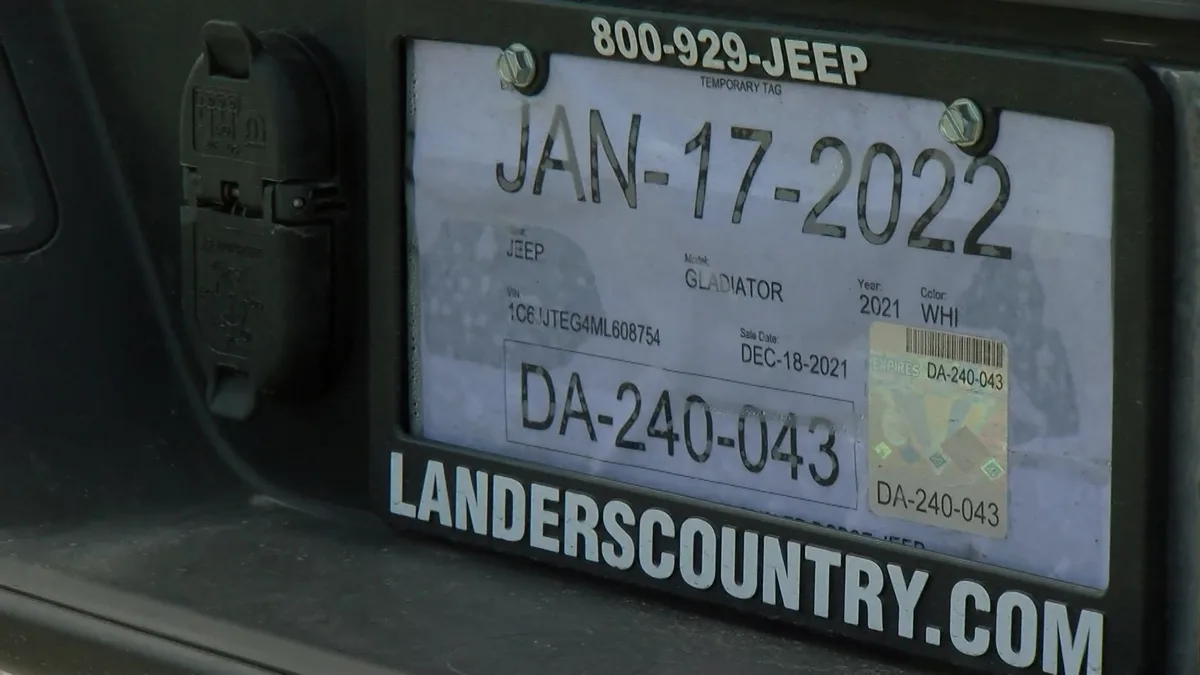
Skipping the personal property tax payment is a bad idea. The DFA will not process your registration. You cannot legally drive until it is resolved.
The penalties add up fast. If you miss the assessment deadline, your county adds a 10 percent late fee on the unpaid tax. That is on top of the original amount.
Interest also accrues monthly.
If you drive with expired registration, you risk a traffic citation. In Arkansas, the fine for expired tags can reach $250 or more. The officer can also impound your vehicle in some cases.
Your past due assessment creates a lien on your vehicle. That lien must be cleared before you can sell the car or renew next year. It follows you until you pay.
Getting caught is not worth the risk. Pay the tax on time and keep your registration current. It is cheaper and easier in the long run.
When You Can (and Can't) Do This Entirely Online
Some counties let you handle everything from your couch. Other counties force a trip to the assessor's office.
You can do it online if:
Your county has a fully integrated payment portal. You pay the tax, download the receipt, and upload it to the DFA's myDMV portal. The whole process takes about 15 minutes.
You cannot do it online if:
Your county requires a paper receipt. Some rural counties only accept cash or check in person. They then mail you a receipt, which arrives in a few days.
Your renewal is for a commercial vehicle. Commercial vehicles often need a physical inspection and additional paperwork that cannot be handled online.
The best way to check:
Log into the myDMV portal at Arkansas.gov. Try to start your renewal. If it asks for a proof of assessment upload, you are good.
If it redirects you to a county office, you need to go in person.
Real Talk: Budgeting for Registration With Assessment in Mind
Your registration costs more than just the sticker fee. Plan for both the registration fee and the personal property tax.
Average costs as of 2026:
| Item | Approximate Cost |
|---|---|
| Standard car registration fee | $30 to $50 |
| Personal property tax (varies by vehicle value) | $100 to $400+ |
| Late penalty (if missed) | 10% of tax + interest |
A typical sedan worth $15,000 might owe around $200 in personal property tax. Add the $40 registration fee and you are at $240 total.
Budget accordingly. Set aside money when you buy the vehicle. Paying in May for the assessment and in June for the registration is the usual rhythm.
If cash is tight, pay the tax first. The registration fee can sometimes wait a few weeks, but the tax deadline is strict.
Your Practical Checklist Before You Walk Into the DFA
Use this checklist to avoid a wasted trip.
Documents to bring:
- Your valid Arkansas driver's license or ID.
- The registration renewal notice from the DFA.
- The proof of assessment (printed receipt or online confirmation).
- Your current license plate number.
- Payment method for the registration fee (credit card, debit card, cash, or check).
Things to verify before you go:
- Confirm the VIN on your proof matches your vehicle's VIN.
- Check that the assessment shows as "paid" on the county website.
- Bring a backup copy, just in case the first one is rejected.
If you are a new resident, add:
- Out-of-state registration card.
- Vehicle title or lienholder information.
- Proof of Arkansas insurance.
Having everything ready makes the transaction fast. Most DFA visits take 15 to 30 minutes when you have the right papers.
Use this checklist to avoid a wasted trip.
Documents to bring:
- Your valid Arkansas driver's license or ID.
- The registration renewal notice from the DFA.
- The proof of assessment (printed receipt or online confirmation).
- Your current license plate number.
- Payment method for the registration fee (credit card, debit card, cash, or check).
Things to verify before you go:
- Confirm the VIN on your proof matches your vehicle's VIN.
- Check that the assessment shows as "paid" on the county website.
- Bring a backup copy, just in case the first one is rejected.
If you are a new resident, add:
- Out-of-state registration card.
- Vehicle title or lienholder information.
- Proof of Arkansas insurance.
Having everything ready makes the transaction fast. Most DFA visits take 15 to 30 minutes when you have the right papers.
Frequently Asked Questions
How long does the county take to send assessment data to the DFA?
It varies by county. Some sync within hours. Others take 24 to 48 hours.
Smaller counties may take up to three business days. Check your county's website or call ahead.
Can I register my car if my assessment is unpaid?
No. The DFA will not issue a registration sticker if the personal property tax is unpaid. You must clear the tax first and provide proof.
What if I lost my assessment receipt?
Go back to your county assessor's online portal. Most systems let you reprint a receipt using your transaction ID. If you paid in person, contact the assessor's office for a duplicate.
Do I need proof of assessment for a leased vehicle?
Yes. Even though the leasing company holds the title, you are responsible for the tax. Get a receipt from the county or a statement from the leasing company showing the tax was paid.
Can I register my car online from any county in Arkansas?
Only if your county's assessment system syncs with the DFA. Check the myDMV portal first. If it asks for an upload, you are online ready.
If it directs you to a county office, plan for an in person visit.