ByMax Lee
How Arkansas Reporting a Traffic Crash to State Police Requirements
You just had a fender bender on I-40 near Conway. Or maybe you tapped a parked car in a Fayetteville lot. Your heart is pounding, and your first thought is: who do I call?
The rules for Arkansas reporting a traffic crash to state police requirements depend on where you are, how bad the damage is, and whether anyone's hurt.
Arkansas Code Title 27, Chapter 53 spells out exactly when you must involve law enforcement and when you can just swap insurance info. As of 2024, the property damage threshold sits at $1,000. Get the rules wrong, and you could face fines or even a suspended license.
Let's walk through the conditions so you know exactly what to do.
Quick Answer
Call 911 right now if someone is hurt or if it's a hit-and-run. Damage over $1,000? Call law enforcement.
Inside city limits, call city police. On highways or rural roads, call Arkansas State Police. No injuries and damage under $1,000?
Exchange information. If police don't respond to the scene, file a written TR-1 form within 30 days. That's the short version.
When Do You Actually Need to Call Arkansas State Police?
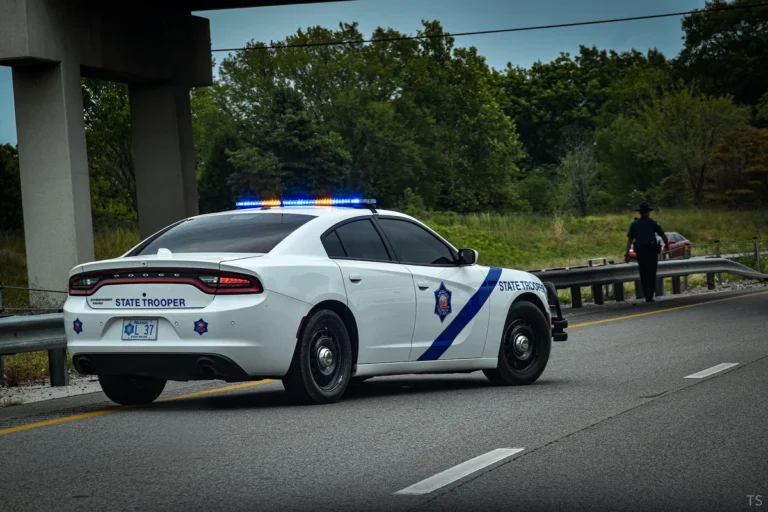
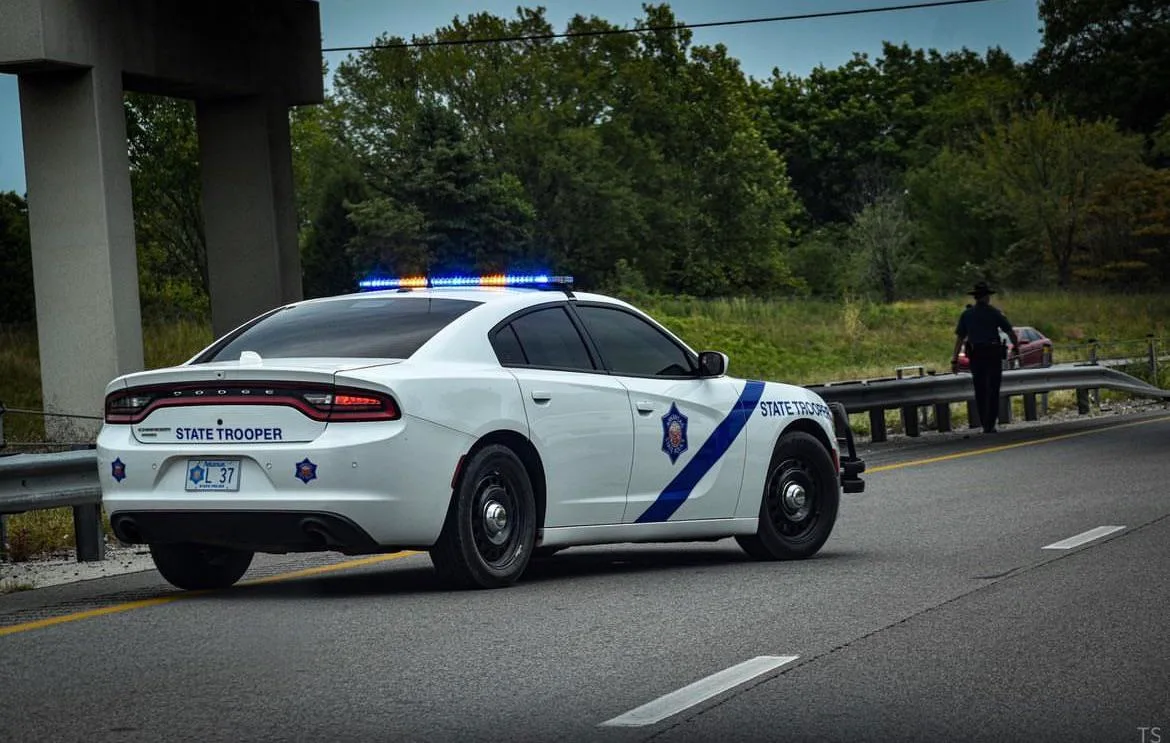
State police handle crashes on interstate highways, state routes, and rural roads outside city limits. City police handle crashes inside city limits. County sheriff's deputies cover unincorporated areas.
Here is the key rule. If you are on I-30, I-40, US 65, or any numbered Arkansas highway outside a town, you call the state police. If you are in downtown Little Rock or inside any city limits, call the local police department.
You don't have to guess. Tell the 911 dispatcher where you are, and they route you to the right agency.
What Counts as a "Reportable Crash" in Arkansas?
Arkansas law defines a reportable crash as any motor vehicle incident that results in injury, death, or property damage of $1,000 or more. Hitting a deer counts if it causes $1,000 in damage. Single-vehicle crashes like rolling into a ditch count too.
Crashes on public roads are reportable. Private property crashes like parking lots or driveways are not reportable unless someone is hurt. If you hit a parked car and the owner isn't around, that is a hit-and-run scenario.
You must report it. A reportable crash means you must notify law enforcement. If they don't come to the scene, you file a written report yourself.

The $1,000 Property Damage Rule
That $1,000 threshold is the most misunderstood part of Arkansas law. You have to estimate the damage yourself at the scene. A dented bumper and a cracked taillight easily exceed $1,000 at a body shop.
A scuffed bumper cover might not.
When in doubt, call. The penalty for not reporting a crash that meets the threshold is a Class C misdemeanor. That means fines up to $250 and possible license suspension.
Insurance companies also prefer a police report for any claim over a few hundred dollars. Even if you think the damage is under $1,000, consider calling for documentation. Your insurance adjuster will thank you.
Injury or Fatality? Always Call 911
If anyone is hurt, even a minor complaint like a stiff neck, call 911 immediately. The dispatcher sends emergency medical services and law enforcement. Who shows up depends on location.
Inside city limits, city police respond. On state highways and rural roads, Arkansas State Police respond.
Your job is to stay on the line. Provide the location. Report injuries.
Do not move seriously injured people unless there is an immediate fire or explosion risk. Arkansas law requires you to stay at the scene until an officer arrives. Leaving could result in hit-and-run charges, even if you didn't cause the crash.
Hit-and-Run or Uninsured Driver? Your Next Steps
If the other driver leaves the scene, do not chase them. Arkansas law requires you to stop and stay. Call 911 immediately.
Report the license plate number, make and model, and direction of travel. Arkansas State Police will file a hit-and-run report if the crash happened on a state highway. City police handle it inside city limits.
For uninsured drivers, the rules change. Arkansas requires all drivers to carry liability insurance. If the other driver has no insurance, you still must report the crash if it meets the $1,000 threshold.
Your insurance company will want a crash report number to process an uninsured motorist claim. Exchange what information you can. If they refuse, note that in your statement to the officer.
Step-by-Step: What to Do Right After the Crash
Follow these steps in order. They keep you legally protected and help your insurance claim later.
- Stop your vehicle safely. Pull to the shoulder if possible. Turn on your hazard lights.
- Check for injuries. If anyone is hurt, call 911 first. If not, move to step 3.
- Call law enforcement if required. If injuries, over $1,000 damage, or hit-and-run apply, call. Otherwise, proceed to step 4.
- Exchange information. Get the other driver's name, phone number, license plate, insurance company, and policy number. Take photos of both vehicles and the scene.
- Wait for law enforcement if you called them. Do not leave until an officer arrives or releases you. Get the officer's name, badge number, and the crash report number.
- File a written report if no officer came. You have 30 days to submit a TR-1 form to the Arkansas DFA.
Who to Call: City Police, County Sheriff, or State Police?
Knowing who to call saves you time. Here is the breakdown based on where your crash happens.
Inside city limits. Call the local police department. Use 911 and tell the dispatcher your location.
On state highways and interstates. Arkansas State Police have jurisdiction over all numbered highways, interstates, and state routes. Call 911 and ask for state police.
In county areas not in a town. County sheriff's deputies respond in unincorporated areas. Still call 911. The dispatcher determines who to send.
When in doubt, call 911. The dispatcher knows jurisdiction. Do not guess. Calling 911 is always faster than trying to find the right non-emergency number.
Stay at the scene and let dispatch sort it out.
How to Submit a Written Crash Report (TR-1 Form) Yourself
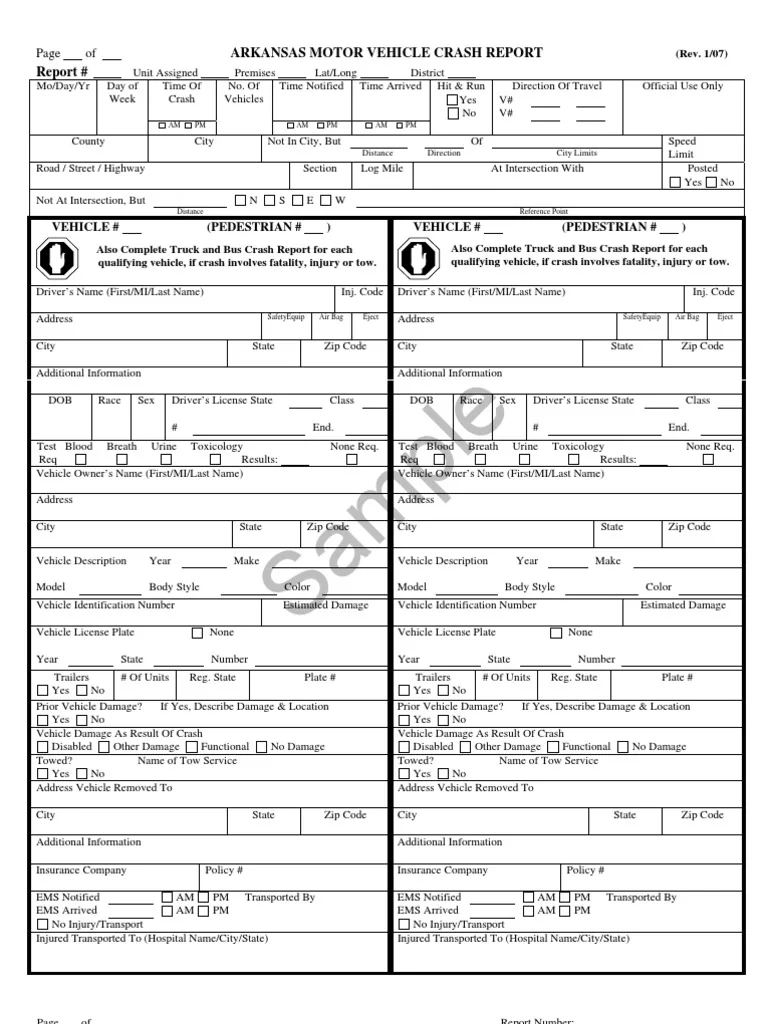
If law enforcement did not respond to the scene, you must file a written report yourself. Arkansas uses the TR-1 form. You can download it from the Arkansas DFA website or pick one up at any DFA office.
The form asks for:
- Your personal information (name, address, driver's license number)
- Vehicle information (make, model, year, license plate, VIN)
- Crash location, date, and time
- A description of what happened
- A diagram of the crash scene
- Other driver's information (if known)
- Any witness names and phone numbers
Fill it out completely. Incomplete forms get rejected. Mail the TR-1 to the Office of Driver Services in Little Rock.
You must postmark it within 30 days of the crash. There is no filing fee. Failure to file on time can result in a license suspension.
Common Mistakes That Cost Arkansas Drivers Time and Money
Leaving the scene. Even a minor fender bender becomes a hit-and-run if you drive off. Arkansas law requires you to stop and exchange information. Leaving can lead to criminal charges.
Guessing the damage cost. Drivers often underestimate repair costs. A scratched bumper, a broken taillight, and a dented fender easily top $1,000. When in doubt, call law enforcement.
Not reporting within 30 days. If no police came, many drivers assume they have nothing to do. That is wrong. If the damage is over $1,000 or someone was hurt, you must file a written report.
Missing the deadline can suspend your license.
Forgetting to document the scene. Photos of both cars, the license plates, and the road conditions help your insurance claim. Take pictures immediately after the crash.
Not getting the other driver's insurance details. A name and phone number is not enough. Get their insurance company name, policy number, and a photo of their insurance card.
What Happens If You Don't Report in Time?
Skipping the written report or failing to call law enforcement when required carries real consequences. Arkansas Code § 27-53-204 states that any driver involved in a reportable crash who does not file a written report within 30 days commits a Class C misdemeanor. The fine can reach $250.
More seriously, the Arkansas DFA can suspend your driver's license.
Insurance companies also get involved. If you file a claim weeks after a crash and have no police report or written TR-1, the adjuster may deny coverage. They need documentation to verify the crash happened.
A late report raises red flags about fault or fraud.
For hit-and-run crashes, failing to report quickly means you lose your chance to identify the other driver. Arkansas law gives you a limited window to report a hit-and-run and still qualify for uninsured motorist coverage. If you wait too long, you could pay for repairs out of pocket.
Real Scenarios That Clear Up the Confusion
Parking lot fender bender. You rear-end someone in a Walmart parking lot in Rogers. Damage is a cracked bumper cover, maybe $800. No injuries.
This is not a reportable crash because it is on private property and damage is under $1,000. Exchange information. Take photos.
You are done.
Deer hit on a state highway. You hit a deer on AR 7 south of Harrison. The deer runs off. Your car has $2,500 in damage.
This is a reportable crash because it is on a public road and damage exceeds $1,000. Call Arkansas State Police. If no officer comes, file a TR-1 form within 30 days.
Rear-ended on an interstate. You are stopped at a light on I-30 in Little Rock. A car rear-ends you. Both drivers have insurance.
No injuries. Damage looks like $1,500. Call Little Rock Police since you are inside city limits.
They respond and write a report. You get a crash report number. No need to file a separate TR-1.
Hit a parked car. You hit a parked car on a residential street in Fayetteville and the owner is not around. Damage estimates at $600. Leave a note with your contact information and call Fayetteville Police to report the incident.
Even though damage is under $1,000, a hit-and-run on public property still requires notice.
Frequently Asked Questions
Do I have to call Arkansas State Police for a crash on a private parking lot?
No, unless someone is injured. Crashes on private property like parking lots or driveways do not require law enforcement notification if damage is under $1,000 and no injuries occur. Exchange information and leave.
If damage appears over $1,000, call local police.
Can I file a crash report online in Arkansas?
Yes. The Arkansas DFA offers an online portal for submitting a TR-1 form. You can also download the form from the DFA website and mail it to the Office of Driver Services.
Online filing is faster and gives you a confirmation receipt.
What if the other driver doesn't have insurance?
You still must report the crash if it meets the threshold. Call law enforcement. An officer will file a report that notes the other driver has no insurance.
Your insurance company uses that report to process an uninsured motorist claim.
How long does it take to get a crash report from Arkansas State Police?
If an officer responds and files a report, it typically takes 5 to 10 business days for the report to appear in the ASP online system. You can search by crash report number, driver name, or date.
What if I move out of Arkansas after a crash?
You still must comply with Arkansas reporting requirements. File the TR-1 form before you leave or submit it online. The 30-day deadline does not pause because you change states.
Arkansas DFA can suspend your license and notify the new state's DMV.
Your Decision Guide: A Quick Flowchart for the Scene
Use this decision guide at the scene. It covers the most common situations.
| Condition | Action |
|---|---|
| Anyone injured or killed? | Call 911. Stay at scene. Do not move injured persons. |
| Damage over $1,000? | Call law enforcement. City police inside city limits. State police on highways and rural roads. |
| Hit-and-run? | Call 911. Report license plate, vehicle description, direction of travel. |
| Damage under $1,000, no injuries, private property? | Exchange information. No police needed. No written report needed. |
| Damage under $1,000, no injuries, public road? | Exchange information. No police needed unless the other driver insists. File a written TR-1 if you want an official record. |
| Law enforcement responded? | Get the officer's name, badge number, and crash report number. No need to file your own TR-1. |
| Law enforcement did not respond? | File a written TR-1 form online or by mail within 30 days. |
Keep a copy of this guide in your glove compartment. It takes the guesswork out of a stressful situation. For more Arkansas driving tips and vehicle care resources, visit our blog.