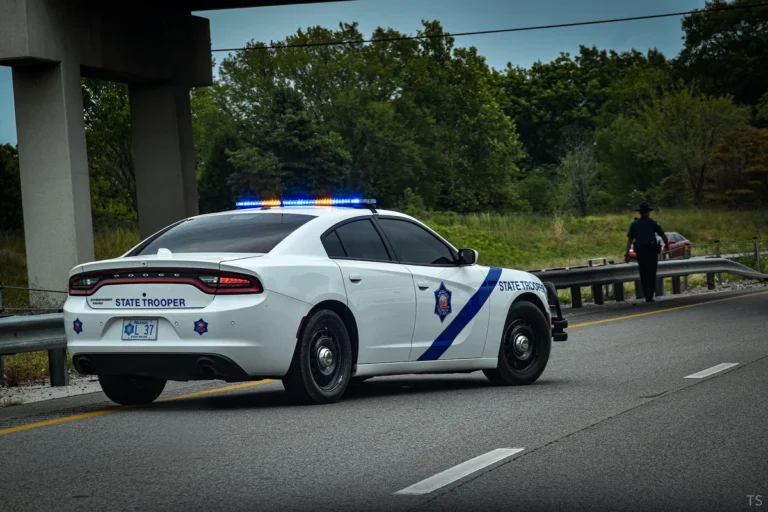
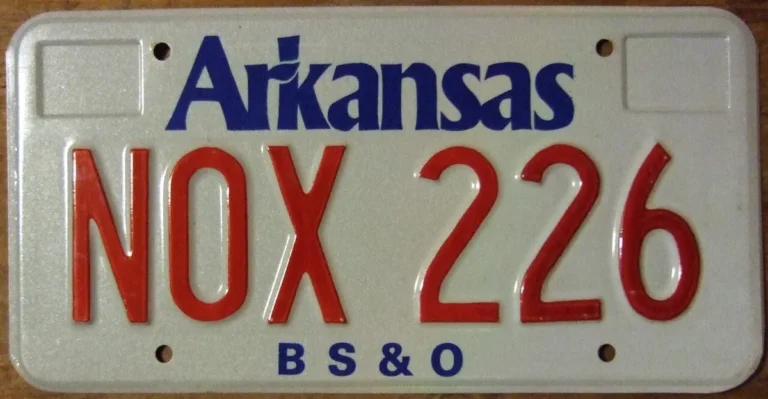
If you drive in Arkansas, your car's brakes and lights must meet specific state standards. These rules are enforced through the annual safety inspection and by law enforcement on the road. Fail inspection and you can't renew your registration.
Drive with expired tags and you risk a fine up to $500. Understanding what's required saves you time, money, and stress.
Every year, thousands of Arkansas drivers get failed inspections for simple issues like a burned-out brake light or worn brake pads. According to the Arkansas State Police Vehicle Safety Division, lighting failures rank among the top three reasons vehicles fail. The good news?
Most problems are easy to catch and fix yourself before you ever pull into the inspection station.
Quick Answer: What the Arkansas Safety Inspection Checks for Brakes and Lights
The inspection checks your service brake and parking brake. It also checks all required lights: headlights, taillights, brake lights, turn signals, hazard flashers, license plate light, and reverse lights. Reflectors must be present and intact.
Any single non-working light or unsafe brake condition means a failed inspection. You get a one-year sticker if you pass.
Arkansas Brake Requirements – What the Law Says (and What Technicians Check)
Under Arkansas Code §27-37-301, every vehicle must have a working service brake and a parking brake. The service brake must stop the vehicle adequately on dry pavement. No specific stopping distance is written into the code.
The inspector will test pedal feel and look for leaks.
Here's what the technician actually checks during an inspection:
- Brake pedal condition, Pedal must not sink to the floor under pressure. A spongy pedal or excessive travel means you fail.
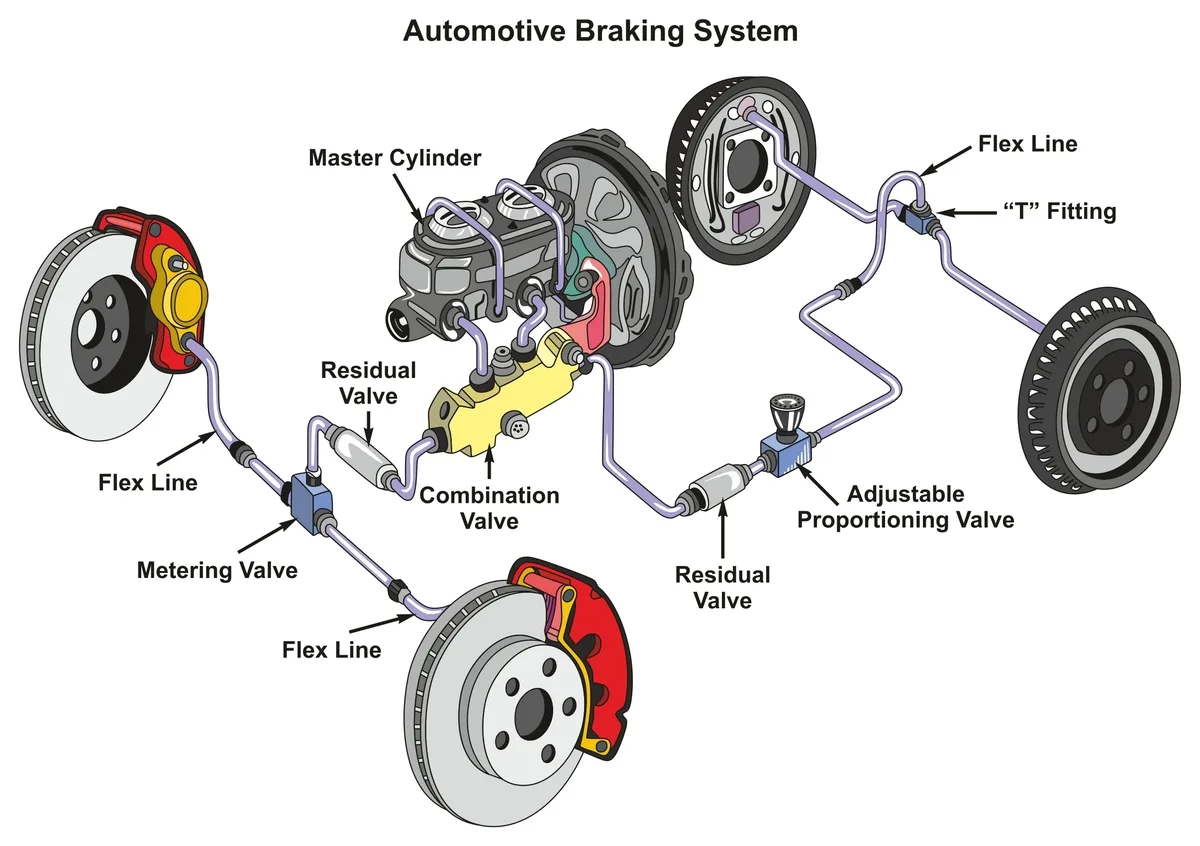
- Fluid level, Master cylinder reservoir must have enough clean fluid. Low or dirty fluid suggests a leak or worn components.
- Brake lines, All metal lines and rubber hoses are checked for cracks, rust-through, or bulges. A leaking line means instant failure.
- Brake pads and shoes, The inspector will look through the wheel spokes or pull a wheel to check pad thickness. Worn pads below 3mm are a fail.
- Parking brake, Must hold the vehicle on a slight incline or while on a lift. If it doesn't engage or slips, you fail.
| Component | What the Checklist Looks For |
|---|---|
| Brake pedal | No excessive travel, no sinking |
| Brake fluid | Clear or amber, at proper level |
| Brake lines | No leaks, no rust holes |
| Pads/shoes | At least 3mm remaining material |
| Parking brake | Holds vehicle steady |
A common mistake is ignoring a soft brake pedal. If you push the pedal extra far before the brakes grab, get it checked before inspection. That's a sign of air in the lines or a failing master cylinder.
Both are cheap fixes compared to a failed inspection and a tow.
Arkansas Lighting Requirements – Every Light That Must Work (and How It Must Look)
Lighting rules come from Arkansas Code §§27-37-401 through 27-37-404. Every light on your car must be in working order, properly aimed, and the correct color.
Headlights, Both low and high beams must work. They must be aimed so they don't blind oncoming drivers. Aftermarket LED or HID bulbs are legal only if DOT-approved and properly housed.
Drop-in LEDs in reflector housings are a common fail point.
Taillights, Both must illuminate red when headlights are on. If one is out, you fail.
Brake lights, Must be red. Two are required on most passenger cars. The center high-mount third brake light must work too.
Turn signals, Amber in front, red or amber in rear. All four must flash correctly. A burned-out bulb or wrong flash rate means a fail.
Hazard flashers, Must activate all four turn signals simultaneously. No burned-out bulbs.
License plate light, Must illuminate the plate so it's readable from 50 feet. This is often overlooked and easy to fix.
Reverse lights, Must come on when the transmission is in reverse. Arkansas requires them on vehicles originally equipped.
Reflectors, Red reflectors on the rear, amber on the sides. They must be clean and not broken.
A quick tip: walk around your car at night with the headlights on. Have someone press the brake pedal while you check each light. That catches 90% of lighting failures before inspection day.
Step-by-Step: How to Pre-Check Your Brakes Before Inspection Day
You don't need to be a mechanic to do a basic brake check. Follow these steps in your driveway. It takes about 15 minutes.
Step 1: Check the brake fluid level. Open the hood and find the master cylinder reservoir. The fluid should be between the MIN and MAX marks. If it's low, top it off with the correct DOT specification (DOT 3 or DOT 4, check your owner's manual).
Dark, dirty fluid means it's time for a flush.
Step 2: Look for leaks. Shine a flashlight along the brake lines under the car. Look for wet spots, rust bubbles, or cracked rubber hoses. Any leak means a failed inspection and a safety risk.
If you see fluid, don't drive the car until it's repaired.
Step 3: Inspect the brake pads. If you have alloy wheels, you can usually see the outer brake pad through the spokes. The pad material should be thicker than a dime. If it's below 3mm (about 1/8 inch), replace them.
If you can't see through the wheels, remove one wheel per axle to check.
Step 4: Test the pedal feel. With the engine running, press the brake pedal slowly. It should feel firm and consistent. If it sinks to the floor or feels spongy, you have air in the system or a failing component.
Get professional help.
Step 5: Test the parking brake. Find a gentle slope. Set the parking brake and see if the car holds. If it rolls, the cable or shoes need adjustment.
Step 6: Check for unusual noises. Listen for grinding or squealing when you apply the brakes. Squealing often means wear indicators are touching the rotor. Grinding means metal-on-metal.
That's a fail and a hazard.
Step-by-Step: How to Pre-Check Your Lights Before Inspection Day
Walk around your car in a dark garage or at night. Turn on the headlights. Both low beams and high beams should be bright and aimed straight ahead.
A headlight that's too high blinds other drivers and fails inspection.
Step 1: Check headlights. Turn on low beams. Both should light up. Switch to high beams.
The blue indicator on your dash should come on. If one side is dim or dead, replace the bulb.
Step 2: Check taillights and brake lights. Ask a friend to press the brake pedal or use a heavy object. Walk behind the car. Both taillights should be bright red when headlights are on.
When the brake is pressed, they should get noticeably brighter.
Step 3: Check turn signals and hazards. Turn on the left signal. Walk to the front and rear. Both sides should flash at the same rate.
Repeat for the right side. If one flashes faster, a bulb is burned out. Turn on the hazard switch.
All four corners should flash together.
Step 4: Check license plate and reverse lights. With headlights on, look at your rear license plate. It should be clearly lit. Put the car in reverse (parking brake set, engine on) and check that the white reverse lights come on.
Step 5: Check reflectors. Run your hand over the rear red reflectors and side amber reflectors. They must be present, clean, and not cracked.
Common Mistakes That Cause Failures (and How to Avoid Them)
Most failures come from simple oversights, not major mechanical problems.
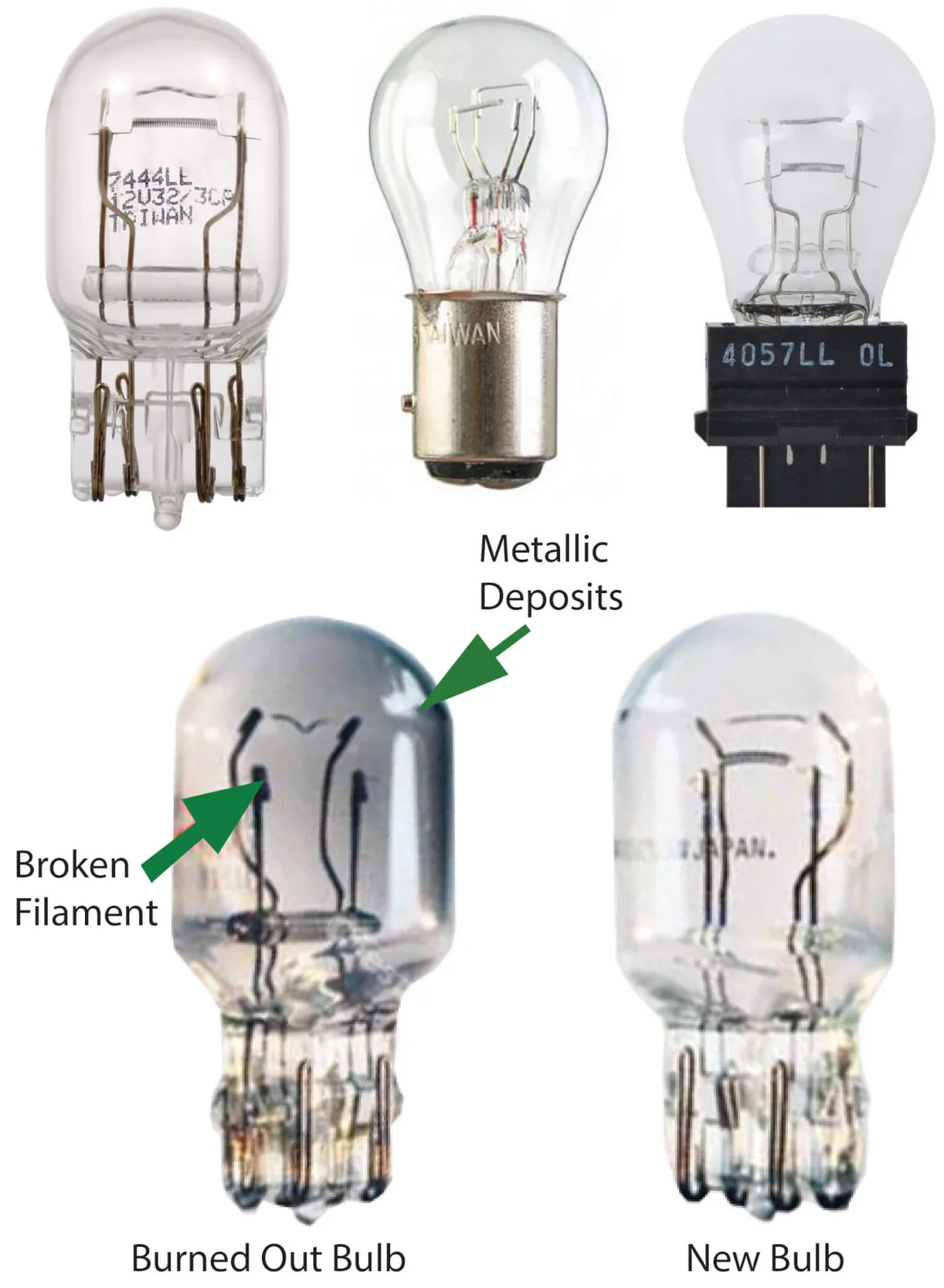
Mistake 1: One brake light burned out. This is the number one lighting failure in Arkansas. Replace both bulbs at the same time so they match in brightness.
Mistake 2: Worn brake pads on only one axle. Some drivers replace front pads but ignore the rear. The inspector checks all four corners. Always check both axles.
Mistake 3: Aftermarket LED bulbs in reflector housings. If they're not DOT-approved and the housing isn't designed for them, the beam pattern scatters. That causes glare and fails inspection.
Mistake 4: Ignoring the parking brake. Even if you never use it, the parking brake must work. Test yours once a month to keep the cable from rusting.
Mistake 5: Dirty or cloudy tail light lenses. Oxidized plastic dims light output. Use a plastic polishing kit to restore clarity. It's cheap and takes 20 minutes.
Mistake 6: Missing or broken reflectors. Trucks and trailers lose reflectors over time. A missing red rear reflector is a fail. Replacements cost a few dollars.
Mistake 7: Not pre-checking before inspection day. Drivers who do a 15-minute pre-check pass on the first try 90% of the time.
When Exceptions Apply – Antique, Farm, and Modified Vehicles
Antique and historic vehicles. Arkansas defines an antique vehicle as one at least 25 years old used primarily for exhibitions or parades. These vehicles are exempt from annual safety inspections. However, they must still have working brakes and lights if driven on public roads.
The equipment standards are relaxed, but you cannot drive around with no brake lights.
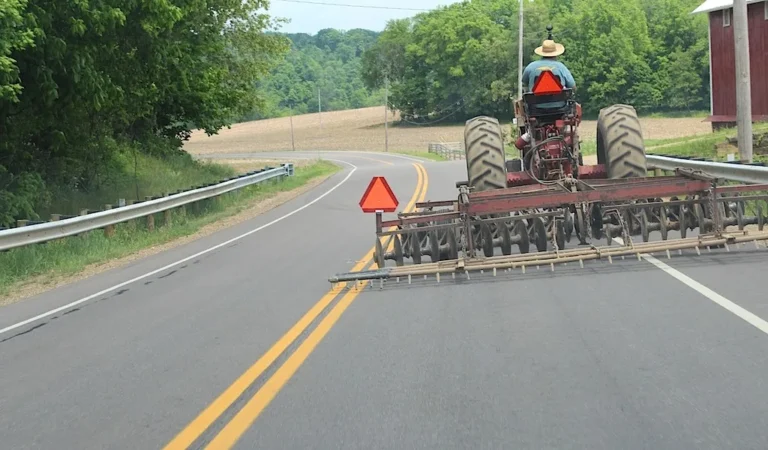
Farm vehicles. Under Arkansas Code §27-37-302, farm vehicles used primarily for agricultural purposes may have reduced lighting requirements. For example, a tractor may not need turn signals. But if driven at night, it must have at least one headlight and one taillight.
Brakes must stop the vehicle safely.
Modified vehicles. Lifted trucks, lowered cars, and kit cars must still meet the same safety standards. Aftermarket parts may not be compliant. A lift kit that forces headlights to point too high must be corrected with adjustable housings.
Legal Risks – What Happens If You Skip Repairs or Ignore Violations
Traffic tickets. A burned-out light or weak brakes can get you a Class C misdemeanor citation. Fines range from $100 to $500 plus court costs. A ticket stays on your driving record and can raise insurance rates.
Failed inspection consequences. If your vehicle fails inspection, you have 30 days to repair and re-inspect. Driving with an expired sticker carries the same fine.
Liability in an accident. If your brakes fail and you hit someone, you could be found negligent. Insurance adjusters will check your maintenance history. Worn pads or a known leak could reduce or deny your claim.
Expert Tips for Keeping Compliance Year-Round
Tip 1: Do a monthly walk-around. Spend five minutes checking all lights once a month. It's easier than fixing a dead bulb at the inspection station.
Tip 2: Listen to your brakes. Squealing, grinding, or a soft pedal are early warning signs. Replacing pads early costs less than replacing rotors.
Tip 3: Keep brake fluid fresh. Flush the system every two years. Moisture in old fluid lowers the boiling point and can cause brake fade.
Tip 4: Protect your lights. Keep tail light lenses clean. Use a UV protectant spray on plastic lenses to prevent yellowing.
Tip 5: Know your inspection month. Your sticker shows the expiration month. Don't wait until the last week. Aim for the first two weeks of the month.
Tip 6: Keep a spare bulb kit. Buy a pack of the most common bulbs for your car. Keep it in your glove box. If a light goes out, you can replace it quickly.
Tip 7: Avoid high-pressure water near light housings. Spraying directly into seams can force water past seals and cause fogging.
Costs, Fees, and Penalties – What a Failed Inspection or Ticket Will Cost You
The Arkansas safety inspection fee is $10 for passenger vehicles. If you fail, you must repair the problem and pay for a re-inspection within 30 days. Some stations charge a reduced re-inspection fee.
Others charge the full $10 again.
A Class C misdemeanor ticket for brake or light violations carries fines up to $500 plus court costs. The average ticket runs about $200. The cheapest option is to fix the issue before it becomes a ticket.
Final Verified Summary – Your Go-To Checklist for Arkansas Brakes and Lights
- Brakes: Firm pedal, full fluid level, no leaks, pads above 3mm, parking brake holds.
- Headlights: Low and high beams work, properly aimed.
- Taillights: Both bright red with headlights on.
- Brake lights: Both get brighter when pedal is pressed.
- Turn signals: All four flash correctly at the same rate.
- License plate light: Clearly illuminates the plate.
- Reverse lights: Come on in reverse.
- Reflectors: Present and not cracked.
Passing your Arkansas safety inspection comes down to a 15-minute pre-check. Do it the week before your sticker expires. A little maintenance keeps you legal, safe, and out of the ticket book.
- Brakes: Firm pedal, full fluid level, no leaks, pads above 3mm, parking brake holds.
- Headlights: Low and high beams work, properly aimed.
- Taillights: Both bright red with headlights on.
- Brake lights: Both get brighter when pedal is pressed.
- Turn signals: All four flash correctly at the same rate.
- License plate light: Clearly illuminates the plate.
- Reverse lights: Come on in reverse.
- Reflectors: Present and not cracked.
Passing your Arkansas safety inspection comes down to a 15-minute pre-check. Do it the week before your sticker expires. A little maintenance keeps you legal, safe, and out of the ticket book.
Frequently Asked Questions
How often do I need a safety inspection in Arkansas?
Once per year. Your sticker shows the expiration month. You must pass inspection before renewing your registration.
Can I get a ticket for a burned out brake light?
Yes. It's a Class C misdemeanor with fines between $100 and $500 depending on the officer's discretion.
Are antique cars exempt from brake and light standards?
They are exempt from the annual inspection, but they must still have working brakes and lights if driven on public roads. The rules are relaxed but not eliminated.
What happens if I fail inspection?
You have 30 days to repair the issue and return for a re-inspection. Driving past the sticker expiration risks a ticket.
Do aftermarket LED headlights pass inspection?
Only if DOT-approved and housed in a projector or housing designed for them. Drop-in LEDs in reflector housings usually fail due to glare.
Can I fix a failed brake light myself?
Almost always. Most brake light bulbs are socket-style and can be replaced with a screwdriver in under ten minutes. Check your owner's manual for the correct bulb number.