ByMax Lee
Can a Key Fob Survive the Washing Machine?
Web (Bing) / blog.kaminokawahoikuen.com (Web image (fair-use with source credit))
Yes, a key fob can split in half in the washing machine. The risk depends on its material, the wash cycle’s intensity, and whether it was loose or trapped in a pocket. Most plastic fobs crack under heat and agitation, while metal ones may survive but still suffer water damage.
Manufacturer specs confirm that standard ABS plastic, the most common fob material, softens above 100°C (212°F). Even a hot wash at 60°C (140°F) can weaken it enough for the agitator to finish the job.
Quick Answer
A key fob can split in half in the washing machine.
Plastic fobs often crack under heat and mechanical stress.
Metal fobs resist splitting but aren’t immune to water damage.
Most modern fobs contain electronics that fail when wet.
Always check pockets before starting a load.
What Actually Happens to a Key Fob in the Wash
The real damage starts with heat and water. Washing machines typically run cycles between 30°C to 60°C (86°F to 140°F), which is enough to soften plastic casings. The agitator or drum then applies physical force, bending and stressing the fob until it snaps.
Bing (Web (fair-use with source credit))
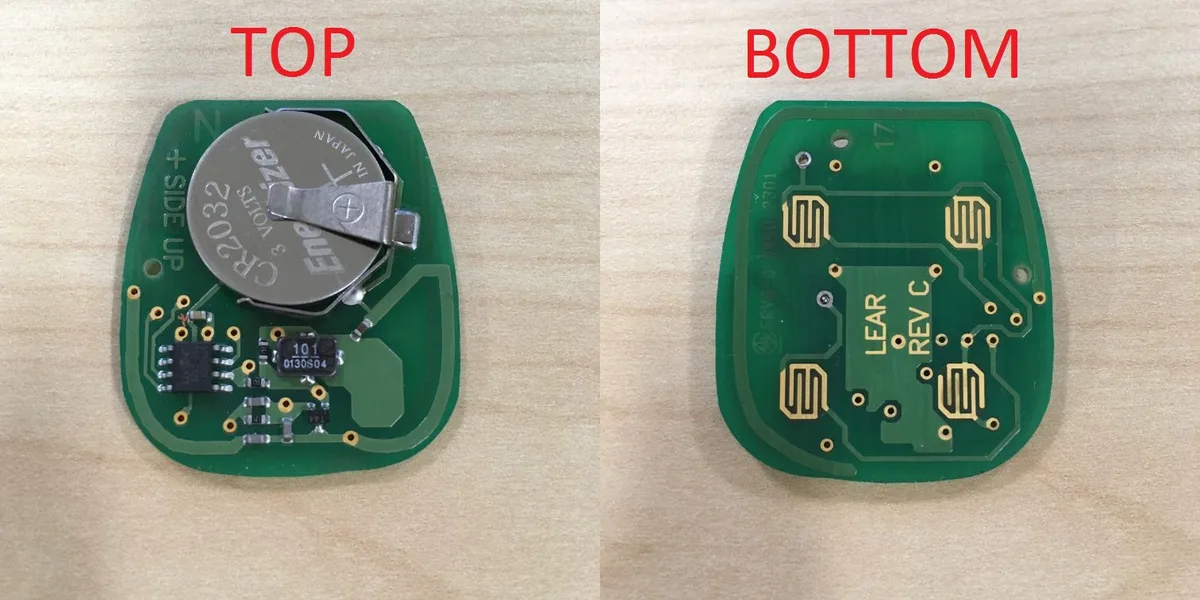
Inside, the circuit board and battery are the most vulnerable. Even if the casing stays intact, water can seep in through seams or button gaps. Corrosion starts within hours, and by the time you fish it out, the fob may already be dead.
Per SAE International standards for automotive electronics, most key fobs aren’t rated for submersion.
The 3 Things That Decide If Your Fob Splits (or Just Breaks)
Material is the biggest factor. Thin, brittle plastics like ABS are prone to cracking, while rubber-coated or metal fobs hold up better. Composite materials with fiberglass reinforcement are the most resistant.
Wash cycle settings matter just as much. A hot wash with a high-speed spin cycle is a death sentence for most fobs. Delicate cycles with cold water are less destructive but still risky.
Position in the machine plays a role too. A fob loose in the drum gets tossed around, while one trapped in a pocket may be shielded, until the fabric twists and applies pressure at a weak point.
How Different Key Fob Materials Hold Up
| Material | Split Risk | Water Damage Risk | Notes |
|---|---|---|---|
| ABS Plastic | High | High | Most common, softens at 100°C |
| Polycarbonate | Medium | Medium | More durable but not waterproof |
| Rubber-Coated | Low | Medium | Protects against impact, not water |
| Metal (Aluminum/Steel) | Very Low | High | Won’t split but electronics can fail |
| Silicone | Low | Low | Flexible and water-resistant |
Bing (Web (fair-use with source credit))
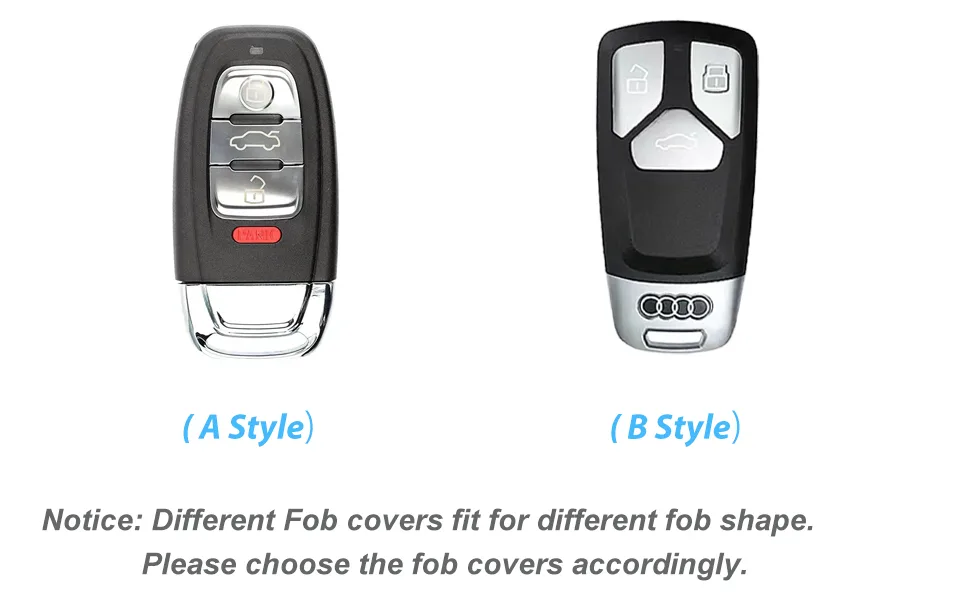
Rubber and silicone fobs are your best bet for surviving a wash. They’re designed to absorb shocks and resist moisture. Metal fobs won’t split, but their internal electronics are just as vulnerable to water as any other type.
Washing Machine Settings That Seal the Fob’s Fate
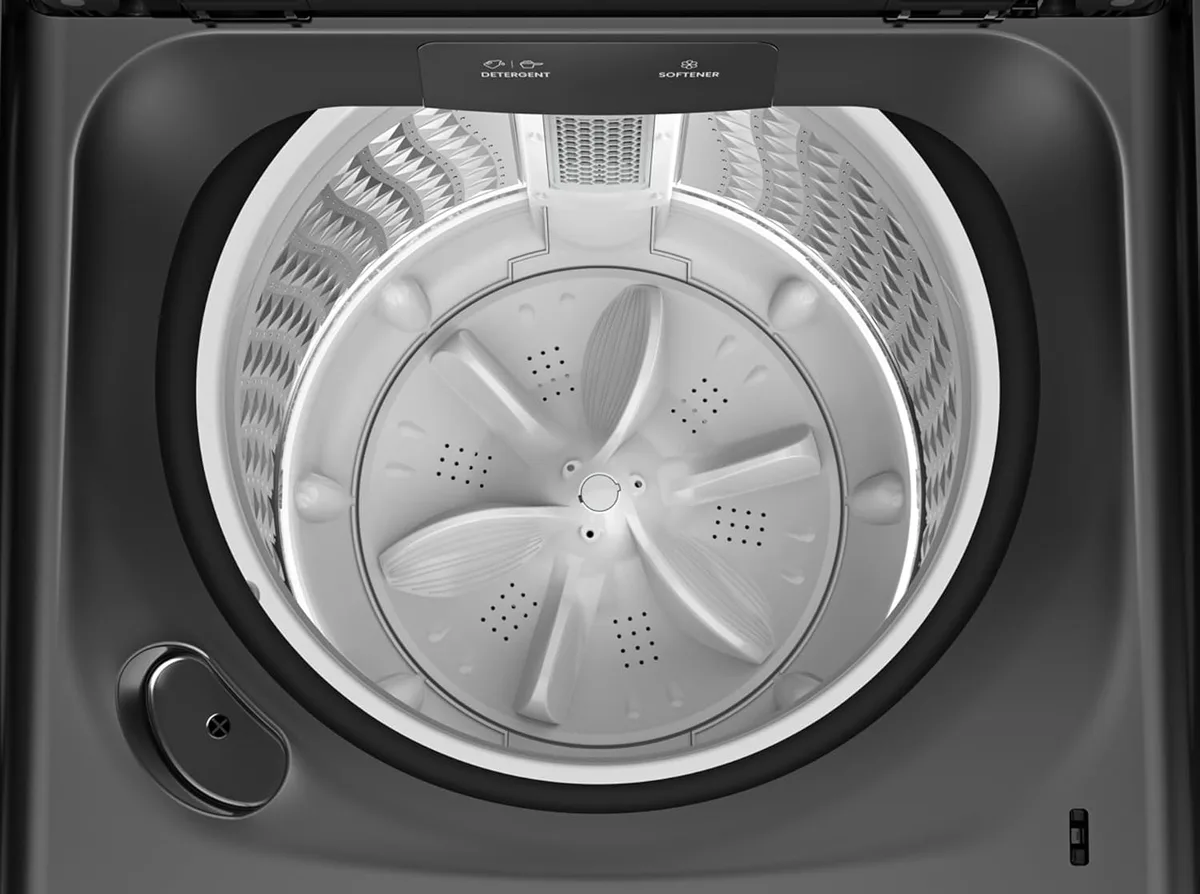
Top-loaders with agitators are the worst offenders. The central post creates a strong, turbulent motion that can bend and break small objects. Front-loaders use a gentler tumbling action, but the high-speed spin cycle can still fling a fob against the drum with enough force to crack it.
Bing (Web (fair-use with source credit))
Temperature is the other critical factor. Cold washes (below 30°C/86°F) are safer for plastics, but even then, the mechanical stress can cause damage. Hot washes (60°C/140°F and above) almost guarantee a split if the fob is made of standard ABS.
As of 2026, most modern washing machines default to 40°C, 60°C (104°F, 140°F) for "normal" cycles, which is right in the danger zone for fobs.
What to Do If Your Key Fob Goes Through the Wash
Act fast. The longer it stays wet, the worse the corrosion gets. Pull it out immediately and power it down if it has a battery compartment you can access.
Remove the battery if possible. This cuts power to the circuit board and slows damage. Then start drying it out.
Can You Save a Wet Key Fob? (And How)
Yes, but success depends on how quickly you act. The first step is removing all moisture. Never use a hairdryer or oven, heat can warp the casing or fry the electronics.
Bing (Web (fair-use with source credit))
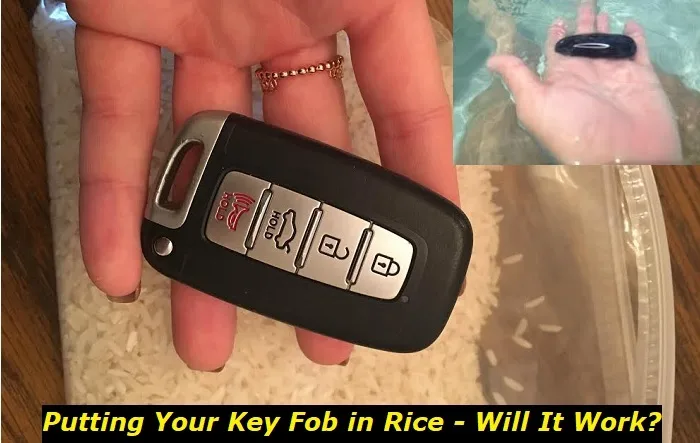
The rice trick works for some fobs. Bury it in uncooked rice for 24 to 48 hours. Silica gel packets are even better if you have them.
Both absorb moisture effectively.
If the fob still doesn’t work, the battery may need replacing. Corrosion on the contacts is another common issue. Clean them gently with isopropyl alcohol and a soft brush.
Signs Your Fob Is Damaged Beyond Repair
The most obvious sign is no response when you press the buttons. If the LED doesn’t light up, the battery or circuit may be dead.
Physical damage is another red flag. Cracks, warping, or a swollen casing mean water got inside. Rust on the battery contacts or circuit board is a clear sign of irreversible damage.
Sometimes the fob works intermittently. This often means partial corrosion or a loose connection. It might buy you time, but full failure is likely coming.
How to Prevent This From Ever Happening Again
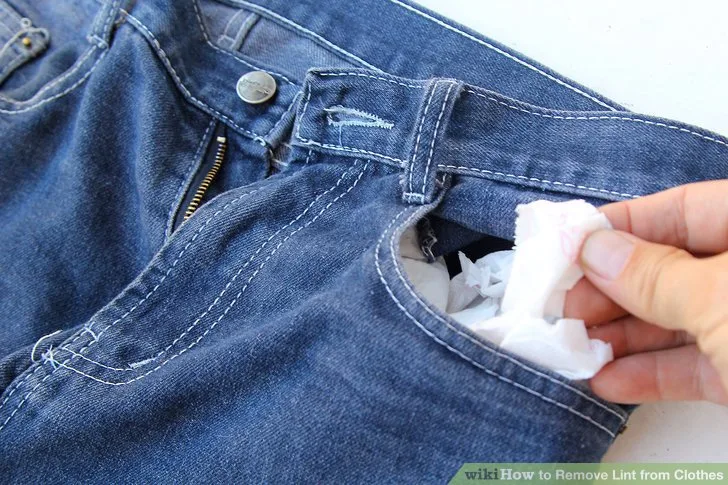
The simplest solution is checking pockets before every wash. Make it a habit like locking your car or turning off the stove.
Bing (Web (fair-use with source credit))
Use a laundry bag for small items. Tossing your keys, wallet, and phone into a mesh bag keeps them contained. It won’t stop all damage but reduces the risk.
Consider a waterproof fob cover. Some aftermarket options add a layer of protection. They’re not foolproof but help in accidental washes.
When to Replace vs. When to Try Fixing It
Try fixing it first if the fob still shows signs of life. Drying it out and replacing the battery can bring it back. Cleaning corroded contacts sometimes restores function.
Replace it if the casing is cracked or the circuit board is visibly damaged. Water damage to the electronics is often permanent. Most dealerships can program a new fob in under an hour.
Cost is another factor. A new fob from the dealer can run $50 to $400 depending on the car. If the repair cost approaches that, replacement is the smarter choice.
Will a Key Fob Work After Being Washed?
It might, but don’t count on it. If you dried it quickly and the water didn’t reach the electronics, it could still function. The battery is often the first casualty.
Test it immediately after drying. If the buttons respond and the LED lights up, you got lucky. If not, the internal damage is likely permanent.
How Long Does It Take for a Wet Key Fob to Dry?
Air drying can take 24 to 48 hours. Rice or silica gel speeds this up but isn’t instant. The circuit board needs to be completely dry before you test it.
A hairdryer on cool setting can help but keep it moving to avoid heat damage. Never use high heat. Patience is the safest approach.
Can You Use a Hairdryer to Dry a Key Fob?
Only on the coolest setting. Heat can warp the plastic or damage the electronics. Hold it at least 6 inches away and keep it moving.
A better option is a fan at room temperature. It’s slower but safer. The goal is dry air, not heat.
What’s the Best Way to Dry a Key Fob?
Silica gel packets are the most effective. They absorb moisture faster than rice. Place the fob in a sealed container with several packets for 24 hours.
If you don’t have silica gel, uncooked rice works in a pinch. Bury the fob completely and wait at least 24 hours. Avoid turning it on until you’re sure it’s dry.
Frequently Asked Questions
Can a key fob survive a cold wash?
It’s possible but not guaranteed. Cold water reduces the risk of plastic warping. The real danger is water getting inside and damaging the electronics.
Why do some fobs split while others don’t?
Material and construction matter most. Cheap plastic fobs crack easily. Rubber-coated or metal fobs resist splitting but can still suffer internal damage.
How much does a replacement key fob cost?
Prices vary by car make and model. Basic fobs start around $50. High-end or smart fobs can cost $300 or more.
Dealership programming adds to the expense.
Can a key fob be repaired after water damage?
Sometimes. If the damage is limited to the battery or contacts, cleaning and replacement might work. If the circuit board is fried, it’s usually not repairable.
Is there a waterproof key fob?
Some aftermarket options claim water resistance. Few are truly waterproof. Even these can fail if submerged long enough.
How can I tell if my key fob is water damaged?
Look for corrosion on the battery contacts or circuit board. If the buttons don’t respond or the LED doesn’t light, water likely got inside. A swollen or cracked casing is another sign.