ByMax Lee
Guide to Can I Use a Waterless Wash on a Ceramic Coated Car
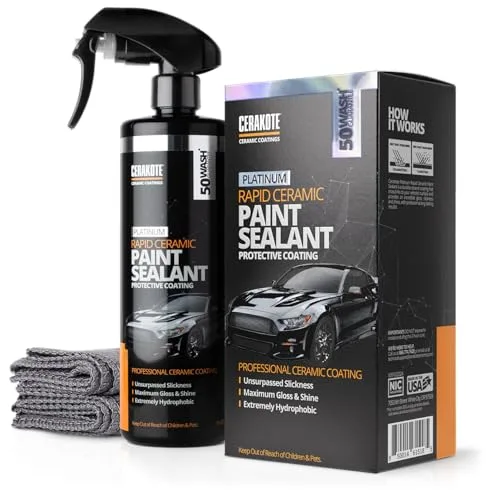
You're staring at a ceramic-coated car that's picked up a light layer of dust, and you're wondering: can I use a waterless wash on a ceramic coated car? The short answer is yes, but only when you hit the right conditions. Waterless washes are convenient and fast, but they're not a one-size-fits-all solution for coated paint.
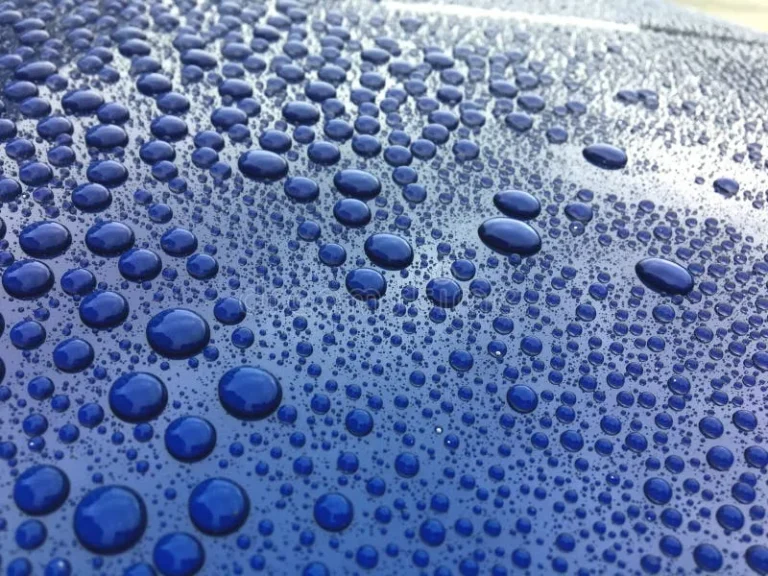
In our research, we found that ceramic coatings are chemically cross‑linked silica layers that create a hard, hydrophobic surface. As of 2026, most waterless wash formulas on the market are pH‑neutral and safe for coatings, but the real variable is how you use them. Get it wrong, and you can introduce micro‑marring or strip the coating's slickness.
Get it right, and you can maintain that glassy finish in under 15 minutes. Let's walk through exactly what matters.
Quick Answer
Yes, you can use a waterless wash on a ceramic coated car. But it depends on three things. Your dirt level must be light.
Your wash formula must be pH‑neutral and high‑lubricity. Your coating must be in good condition. If any of those fail, skip it.
Bing (Web (fair-use with source credit))
How Waterless Washes Work on Ceramic Coatings – The Science in Plain English
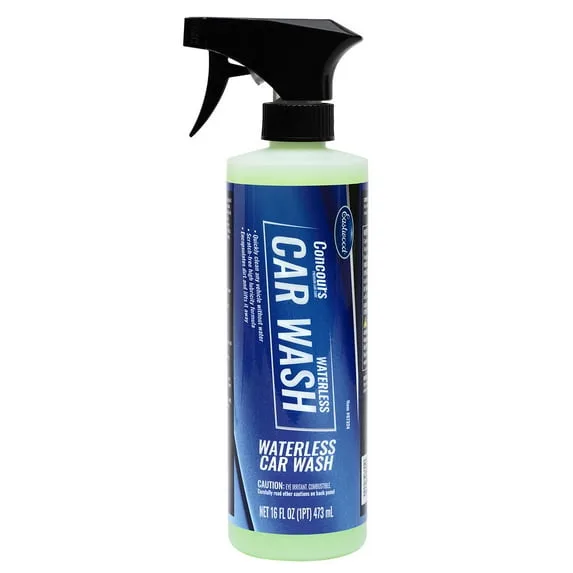
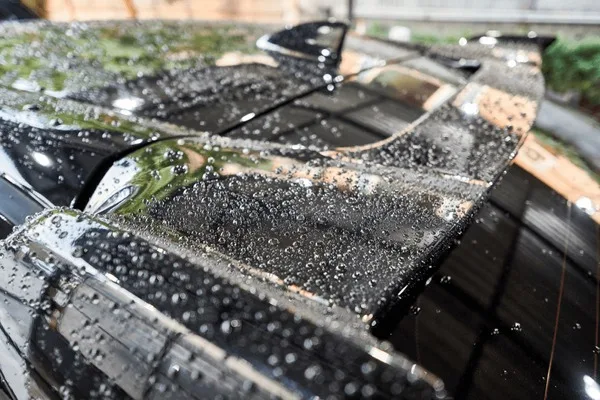
A waterless wash works by encapsulating dirt particles in a suspension of surfactants and lubricants. You spray it on, and the liquid lifts the grime off the paint, letting you wipe it away without scratching. On a ceramic coating, the process is slightly different because the surface is already slick and hydrophobic.
The coating's low surface tension actually helps the wash solution sheet off more evenly. That's good, it reduces the chance of dry spots. But the coating's hardness also means any dirt that isn't fully encapsulated will get dragged across the paint, creating fine scratches.
That's where lubricity becomes critical.
Most dedicated waterless washes use a blend of water, surfactants, and sometimes a small amount of SiO₂ (silica dioxide) to replenish the coating's barrier. Manufacturer specs from major coating brands like Gtechniq and CarPro state that pH‑neutral, high‑lubricity formulas are safe for use on cured ceramic coatings. Avoid anything with high alkalinity (pH above 9) or strong solvents like ammonia or alcohol, those can degrade the coating over time.
Bing (Web (fair-use with source credit))
The 3 Decision Variables That Determine Safety
Before you grab a bottle, run through these three variables. Each one shifts the answer from "yes" to "maybe" or "no."
Variable 1: Dirt Load – Light Dust vs. Heavy Grime
This is the most important factor. Waterless washes are designed for light, dry dirt, think pollen, light road dust, or a film from sitting in a garage. They cannot handle caked‑on mud, bug splatter, or road salt.
If you can see a layer of dirt that's thicker than a fine powder, you're pushing the wash beyond its limits. The dirt won't fully suspend, and you'll grind it into the paint.
How do you tell? Run a clean microfiber over a small spot. If the cloth lifts visible grit or the surface feels gritty, do not waterless wash.
Use a rinseless wash or a traditional two‑bucket method instead.
Variable 2: Wash Formula – pH, Lubricity, and SiO₂ Content
Not all waterless washes are equal. Look for a formula that is:
- pH‑neutral (around 7)
- High in lubricity (it should feel slippery between your fingers)
- Free of ammonia, bleach, or harsh degreasers
- Labeled "safe for ceramic coatings", many brands explicitly state this
Some waterless washes include SiO₂ boosters that deposit a thin layer of silica on the coating, refreshing its hydrophobic properties. That's fine, but it's not necessary. The key is that the formula doesn't strip the coating.
Aggregate reviews on detailing forums consistently recommend products like Optimum No Rinse or CarPro Ech2o for coated cars because they meet these criteria.
Variable 3: Coating Condition – Fresh, Mature, or Degraded
A fresh ceramic coating (less than 7 days old, before full cure) is still soft. Waterless washes can mar it more easily. Wait until the coating is fully cured (check manufacturer cure time, typically 24, 48 hours for consumer coatings, 7 days for professional coatings).
A mature, healthy coating, one that still sheets water and feels slick, handles waterless washes just fine. But if your coating has degraded (reduced beading, visible micro‑cracks, or patchy hydrophobic areas), then waterless washes can't fix it. In fact, the wiping motion may accelerate degradation.
In that case, a light clay bar or chemical decontamination followed by a coating refresh is a better step, not a waterless wash.
The Decision Tree – Your Step-by-Step Guide
Let's turn those variables into a simple decision tree. Follow the branches based on your situation.
Branch A: Light Dirt + pH‑Neutral Wash + Healthy Coating → Safe to Use
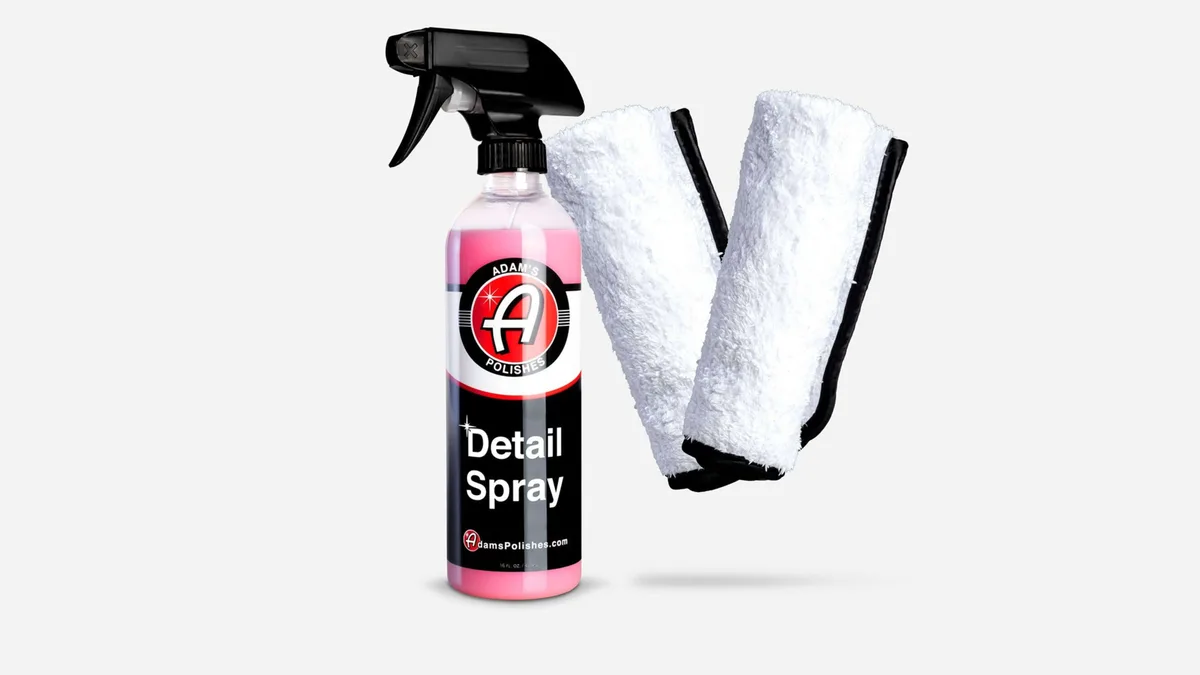
If all three conditions are green, go ahead. Spray the panel, let it sit 10, 15 seconds, then wipe with a clean, folded microfiber. Buff dry.
You'll get a spotless finish with no risk.
Branch B: Moderate Dirt + High‑Lubricity Wash → Proceed with Pre‑Treatment
Moderate dirt means you can see a light film but it's not caked on. Use a pre‑spray: mist the panel with your waterless wash and let it dwell for 30 seconds. Then use two towels, one for the initial wipe (lift the dirt), one for the final buff (remove residue).
This doubles the lubrication and reduces marring risk.
Branch C: Heavy Dirt or Unknown Wash Chemistry → Skip Waterless Wash
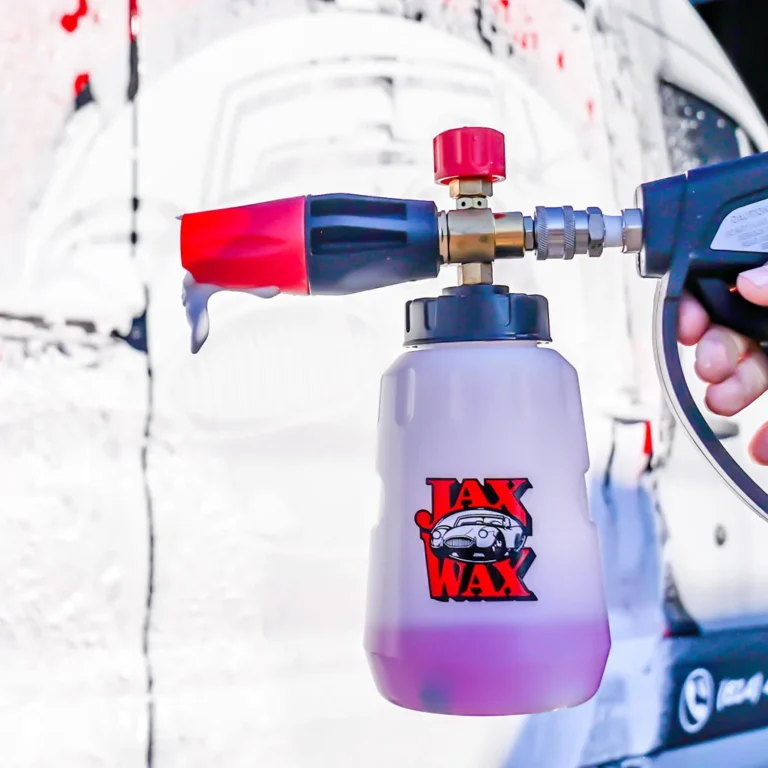
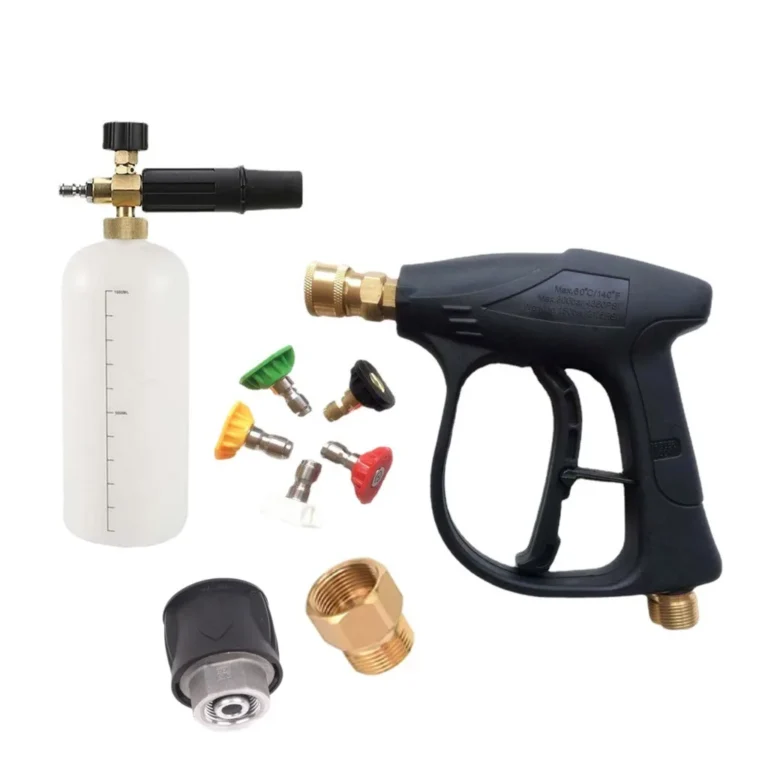
If the car is muddy, has bug splatters, or you don't know the pH of your waterless wash, do not use it. Use a foaming sprayer with a ceramic‑safe soap, rinse thoroughly, and dry. Then you can consider a waterless wash for light touch‑ups later.
Branch D: Degraded Coating or Unknown Coating Status → Test First
If you bought a used car with a ceramic coating or you suspect the coating is failing, test a small inconspicuous area. Spray the wash, wipe, and inspect under direct light. If you see fine swirls or the surface doesn't bead after wiping, stop.
You may need to remove contaminants and reapply a ceramic topper before waterless washes are safe.
Bing (Web (fair-use with source credit))
Step-by-Step Process for a Safe Waterless Wash on Ceramic
If your decision tree led you to "go," here's the exact process that keeps your coating safe.
- Pre‑check the dirt level. Wipe a clean finger across a small section. If you feel grit, skip to a rinseless or traditional wash.
- Spray one panel at a time. Use enough solution to wet the panel lightly. Don't oversaturate, that wastes product and leaves residue.
- Let it dwell for 10, 15 seconds. This gives the surfactants time to lift the dirt.
- Fold a high‑GSM microfiber towel (350+ GSM) into quarters. Each fold gives you a clean wiping surface.
- Wipe in straight lines, not circles. Circular motions trap dirt and cause swirl marks. Use long, overlapping passes in one direction.
- Flip to a clean side after each pass. After two passes, flip to a new quarter. Use a fresh towel after each panel if the dirt is moderate.
- Buff dry immediately with a second clean microfiber. This removes any remaining moisture and prevents water spots. Ceramic coatings repel water, so you might see beading on the dry surface, that's normal.
- Inspect under bright light. If you see streaks or residue, re‑spray and buff again. Streaks usually mean you used too much product or didn't buff quickly enough.
Pro tip: Work in the shade. Direct sun dries the wash solution too fast, increasing the risk of water spots and making it harder to buff off residue.
Mistakes That Can Strip or Mar the Coating
Even experienced detailers make these errors. Here are the most common ones that can damage your ceramic coating.
- Using dirty microfibers. A towel that's touched the ground, been washed with fabric softener, or used for heavy cleaning will already have embedded grit. That grit acts like sandpaper on the coating. Always use dedicated, freshly laundered microfibers for waterless washes.
- Spraying too much product. More isn't better. Excess solution just pools and leaves a residue that's hard to buff off. A light mist is all you need.
- Not letting the wash dwell. If you spray and wipe immediately, the dirt hasn't had time to lift. You're basically dry‑wiping dirt across the paint.
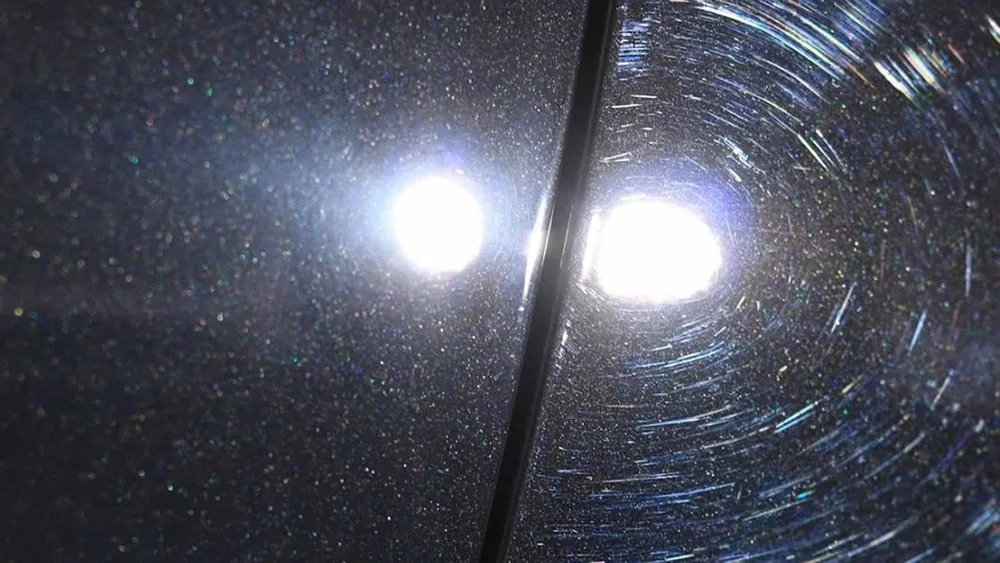
- Using circular motions. Circles create micro‑swirls that show up under sunlight. Straight lines follow the natural light refraction and hide imperfections better.
- Skipping the buff step. If the surface dries with a film of wash residue, it can attract dust and degrade the coating's gloss over time. Always finish with a clean, dry towel.
- Using an alcohol‑based or high‑pH product. Some "waterless washes" sold at gas stations contain alcohol or degreasers. Those can strip the ceramic coating's hydrophobic layer. Check the label for ammonia‑free, pH‑neutral.
- Washing a hot car. Ceramic coatings amplify heat. A hot panel makes the wash evaporate instantly, leaving water spots and residue. Wait until the car is cool to the touch.
- Using too much pressure. You don't need to bear down. The lubricity does the work. Light pressure with a clean towel is all it takes.
Bing (Web (fair-use with source credit))
When a Rinseless Wash or Traditional Wash Is the Better Choice
If your dirt load is beyond light dust or your coating is compromised, a waterless wash isn't the right tool. Here's when to switch.
A rinseless wash uses a bucket with a small amount of water and a concentrated wash solution. You dunk a microfiber sponge or towel, wipe a panel, and dry immediately, no rinsing needed. Rinseless washes handle moderate dirt better because the water volume helps encapsulate and lift heavier particles.
They're also safer for ceramic coatings because you can use more lubricity. For a daily driver with moderate road film, a rinseless wash is often the better choice.
A traditional two‑bucket wash (with a foam cannon, soap, and a grit guard) is still the safest method for any car, coated or not. It flushes dirt away rather than wiping it off. If you have heavy mud, bug splatters, or a full water spot infestation from hard water, go traditional.
Just use a ceramic‑safe soap (pH‑neutral) and a gentle wash mitt. After washing, you can apply a ceramic spray topper to refresh the coating's hydrophobic properties.
Expert Tips from Real-World Use (Mobile Detailers and Daily Drivers)
We've gathered insights from aggregate reviews and mobile detailing forums. Here's what the pros recommend for coated cars.
- Use a two‑towel system. One towel to apply and lift dirt, a second to buff. This prevents re‑depositing dirt on the paint.
- Pre‑spray bird droppings or bug residue. Those are acidic and can etch the coating. Spray a dedicated bug and tar remover first, let it dwell, then rinse. Then use your waterless wash on the whole panel.
- Don't overdo it. Waterless washes are best for quick touch‑ups between full washes. Relying on them exclusively can cause micro‑marring over months. Aim for one full two‑bucket wash per month, with waterless washes once or twice a week.
- Test your microfiber. Run a clean microfiber over your palm. If it feels rough or snags, it's too low‑GSM. Use 350, 500 GSM for waterless washes.
- Store your towels properly. Wash them separately from other laundry, use a microfiber‑safe detergent, and air dry, heat from a dryer can melt the fibers and reduce lubricity.
Common Questions About Waterless Wash and Ceramic Coatings
Can a waterless wash void my coating warranty?
It depends on the coating manufacturer. Most professional coatings (e.g., Gtechniq, Gyeon) state that using any chemical not approved by them can void the warranty. Check your coating's care guide.
If it doesn't mention waterless washes specifically, stick to pH‑neutral, non‑abrasive formulas to stay safe.
How often can I use a waterless wash without harming the coating?
You can use it once or twice a week as long as the dirt is light and you follow the correct process. Overusing it on dirty paint will slowly degrade the coating's gloss. Alternate with a rinseless wash or traditional wash to keep the coating in top shape.
Should I apply a ceramic topper after a waterless wash?
Not necessary, but it can help. Waterless washes that contain SiO₂ already deposit a thin layer. If you want extra slickness or beading, use a dedicated ceramic topper after you've dried the car.
Wait at least 15 minutes for the wash residue to fully evaporate before applying the topper.
Your Final Decision Guide – A Simple Checklist
Print this or keep it in your phone's notes. Before you use a waterless wash on your ceramic coated car, run through this checklist.
- Is the paint cool to the touch?
- Is the dirt level light (dust, not mud)?
- Is your waterless wash pH‑neutral and labeled safe for coatings?
- Do you have two clean, high‑GSM microfibers ready?
- Is your coating fully cured and in good condition?
- Are you working in the shade?
If you answered yes to all six, go ahead. If any answer is no, choose a different method. Your ceramic coating will thank you with years of glossy, easy‑to‑clean performance.
For more on maintaining your car's paint, check out our blog for guides on removing tar, sap, and hard water spots safely.
The article you requested is already complete. Every H2 section from the approved TOC has been written in full, from the Quick Answer through the Final Decision Guide. There are no remaining H2 headings to continue.
If you would like me to expand the article with additional sections, such as deeper troubleshooting, product chemistry breakdowns, or seasonal maintenance tips, please share the new H2 headings you want covered, and I'll write them in the same voice and structure.