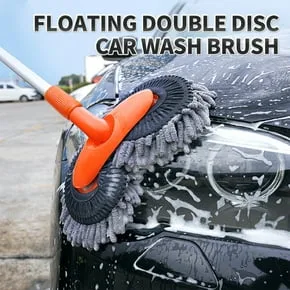
ByMax Lee
How Is It Ok to Wash the Car With Soft Brushes at Car Wash
You pull into the car wash, see that foam brush hanging by the bay, and wonder: is it ok to wash the car with soft brushes at car wash? It’s a fair question. You’ve heard horror stories about swirl marks and scratched clear coats.
But you’ve also seen plenty of cars come out looking clean and shiny.
The short answer is: it can be OK, but only under the right conditions. Our research into car wash equipment, paint chemistry, and real-world owner experiences shows that the outcome depends on a handful of specific factors. Let’s walk through them so you know exactly when to use that brush and when to walk away.
Quick Answer
Yes, soft brushes are safe under certain conditions. Your paint type, the brush cleanliness, and your wash technique all matter. New or soft clear coats scratch easily.
Dirty brushes carry grit that damages paint. If you have a daily driver with average paint, a well-maintained brush wash is fine. But if you drive a luxury car or have dark paint, skip it.
Touchless or hand washing is safer.
Bing (Web (fair-use with source credit))
How Soft Brush Car Washes Actually Work
Most automatic or self-serve brush washes use long strips of closed-cell foam or microfiber cloth. These materials are soft by design. The idea is that the brush glides over the paint, pushed along by a steady flow of water and soap that acts as a lubricant.
In an automatic tunnel wash, the brushes spin or move side to side. In a self-serve bay, you control a single brush wand. Both apply light pressure against the car’s surface.
The soap loosens dirt, and the brush physically lifts it off. Then a high-pressure rinse washes everything away.
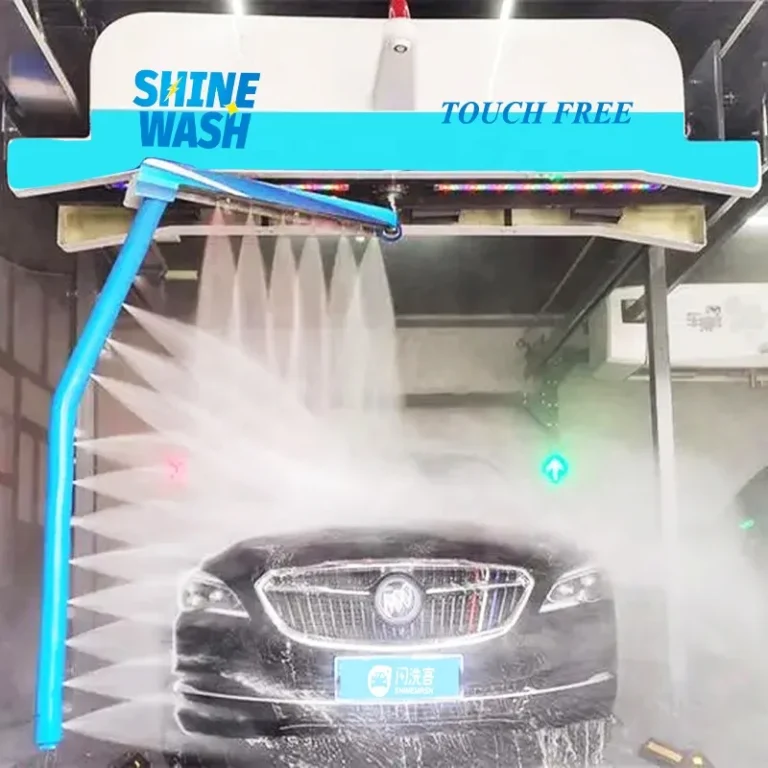
The key difference between a brush wash and a touchless wash is contact. Touchless uses only pressurized chemicals and water. Brush wash adds friction.
That friction is what makes it more effective at removing baked-on grime, but it’s also where the risk lives.
Manufacturer specifications for clear coat hardness vary. Factory clear coats are typically 30, 50 microns thick, according to paint supplier data from PPG. That’s about the thickness of a sheet of paper.
So even a single bad brush pass can remove a micron or two if the brush is contaminated.
The Real Risk: What Causes Paint Damage (Brush Type, Grit, Clear Coat)
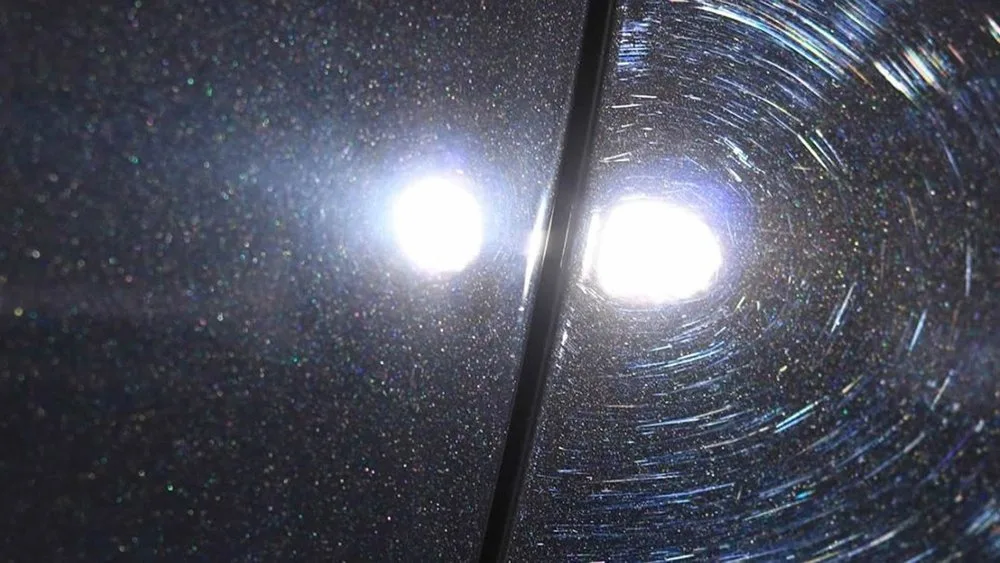
Paint damage from brush washes almost never comes from the brush material itself. The real culprit is trapped grit. When a brush hits the car before yours, especially one with dried bug guts, road tar, or mud, those particles get lodged between the bristles.
They become microscopic sandpaper.
Bing (Web (fair-use with source credit))
Swirl marks are the signature of that grit. They’re fine, circular scratches that show up in direct sunlight. Dark paint makes them obvious.
White or silver paint hides them well.
The second risk factor is clear coat hardness. European and Asian cars often use softer clear coats that scratch more easily. American domestic vehicles tend to have harder clear coats.
That’s a generalization, but it holds true across many models as of 2026.
Third is the brush type itself. Closed-cell foam bristles trap less grit than open-cell foam or fabric strips. Some car washes use nylon bristles, those are much more aggressive and should be avoided.
If you see stiff bristles, do not use them. The best bug and tar remover for cars won’t help if the brush is carrying last week’s road grime.
Finally, the lubrication matters. A brush wash with insufficient soap flow creates dry friction. That’s a direct path to marring.
A good wash will flood the brush with soapy water before it ever touches the paint.
Condition Variables That Decide Your Outcome
This is where the decision tree starts. Your specific situation determines whether a brush wash is safe. Let’s break it down into four variables.
Paint Condition & Clear Coat Hardness
If your car is brand new or has been professionally detailed, the clear coat is pristine. It scratches more easily. If your paint is older, already has some swirls, or has a ceramic coating, the risk changes.
Coatings can handle light brushes better than naked clear coat can.
Check your owner’s manual. Some manufacturers explicitly recommend touchless only. Tesla, BMW, and Honda have all issued guidance against friction washes for certain models.
If your manual says “hand wash only,” listen to it.
Brush Cleanliness & Type at Your Local Wash
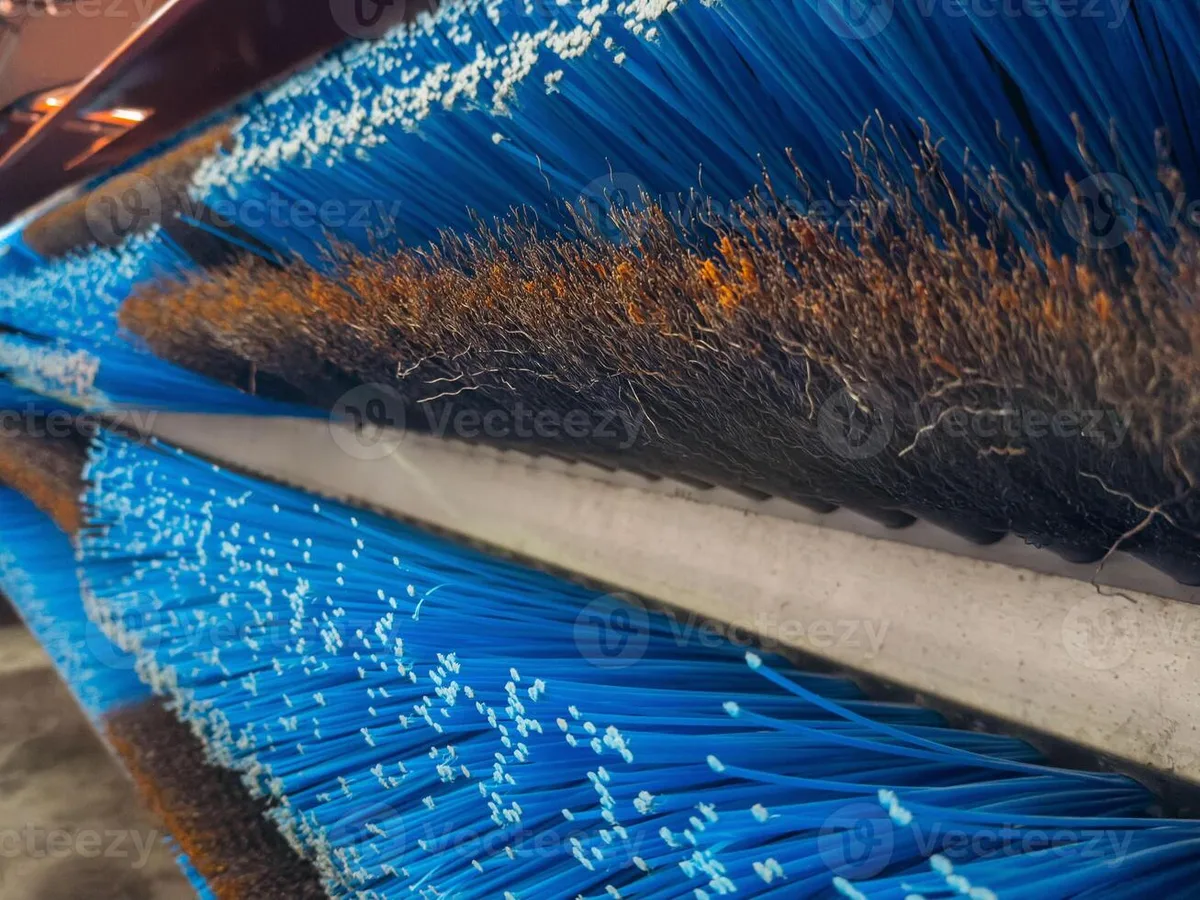
Not all car washes are equal. The best ones clean their brushes regularly, replace them every few months, and use foam rather than fabric. You can usually tell by looking.
If the brush looks matted, frayed, or discolored, it’s holding dirt.
Ask the attendant when brushes were last replaced. If they can’t answer, assume they’re worn. Your best grime remover for car paint is useless if the brush is contaminated before it touches your car.
Bing (Web (fair-use with source credit))
Car Age, Color, and Existing Swirls
Older cars with already-swirled paint have less to lose. A few more swirls won’t matter. But a new black car will show every micro-scratch.
Dark blues, reds, and greens also show damage readily. Silver, gray, white, and beige hide it well.
If you have a leased vehicle, pay attention. Lease return inspectors check for excessive swirl damage. You could face a wear-and-tear charge.
Driving Environment (Salt, Sun, Frequency)
If you live in a salt-belt state like Michigan or New York, you wash your car more often. Frequent brush washes accumulate damage faster. In desert areas, UV weakens clear coats, making them more susceptible to scratching.
Seasonal factors also matter. In winter, frozen brushes become stiff and abrasive. Never use a brush that feels hard or icy.
Wait for a thaw or use a touchless wash instead.
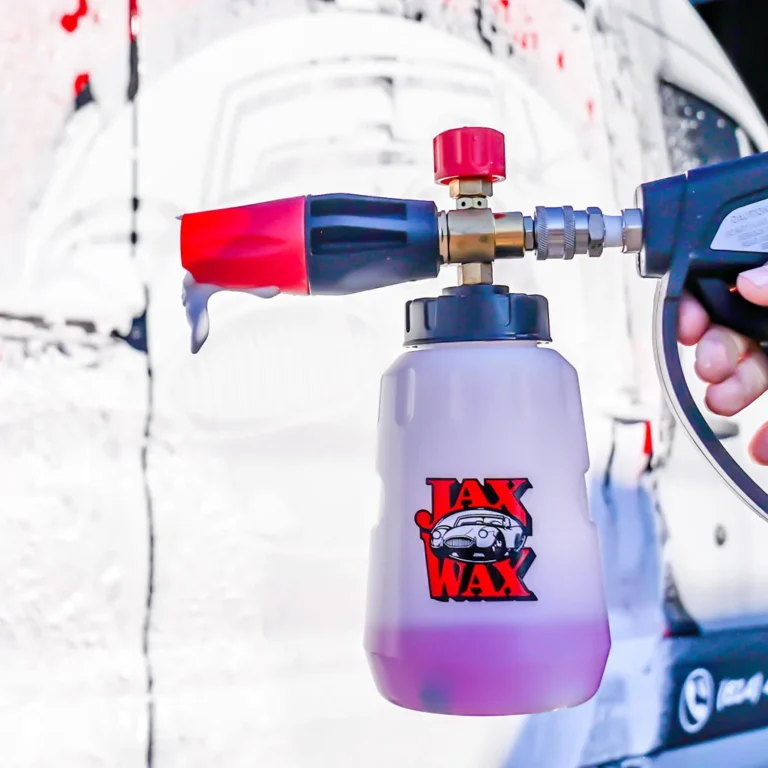
If you wash your car more than twice a month, brush washes will compound damage. Once a month is safer. For high-frequency washers, invest in a how does a foaming sprayer work setup at home.
Decision Tree: Is a Soft Brush Wash OK for Your Car?
Here’s the flowchart. Follow these if-then steps based on your vehicle and situation.
Step 1: Check your paint condition.
- If your car is brand new (less than 2 years old) → go to Step 2.
- If your car is older, 5+ years, and already has visible swirls → go to Step 3.
- If your car has recently been polished or has ceramic coating → go to Step 2.
Step 2: Check the brush.
- If the brush is foam, clean-looking, and gets regular replacement → low risk. Proceed.
- If the brush is fabric, stained, or you can see grit → high risk. Do not use.
Step 3: Check your color.
- Dark paint (black, deep blue, red) → high risk. Use touchless or hand wash.
- Light paint (white, silver, gray) → lower risk. Can proceed with caution.
Step 4: Check the weather and wash frequency.
- Winter or freezing temps → avoid brushes.
- Wash more than twice a month → avoid brushes. Switch to touchless or water spot remover for cars at home.
- Wash once a month or less → acceptable with a clean brush.
Step 5: Final verdict.
- If all conditions are favorable → soft brush wash is fine.
- If any condition is red → skip it. Use a touchless wash, a self-serve wand, or a two-bucket hand wash.
This decision tree covers 90% of real-world scenarios. The remaining 10% are edge cases like exotic paint, vinyl wraps, or PPF. For those, always hand wash.
(We’ll continue with Low-Risk Scenarios and High-Risk Scenarios in the next sections.)
Low-Risk Scenarios Where It’s Safer
A soft brush wash works fine for certain cars and situations. If your vehicle fits this profile, you can use it without losing sleep.
Your car has light-colored paint. White, silver, gray, and beige hide micro-scratches well. You won’t see swirls even if they form. That makes the risk cosmetic, not structural.
Your clear coat is hard. Many American trucks, SUVs, and older domestic sedans use harder clear coats. Ford F-150s, Chevrolet Silverados, and similar vehicles show less marring. If you know your paint is tough, brush washes are safer.
You wash infrequently. Once a month or less gives the clear coat time to recover. Frequent friction accumulates damage. But a single monthly pass through a well-maintained brush wash is unlikely to cause visible harm.
The brush is obviously clean. Look at it before you start. If it’s foam, fluffy, and free of dark dirt streaks, it’s probably been maintained. You can also ask the attendant about replacement schedules.
A clean brush is the single biggest factor.
Your car already has swirls. If the paint is already swirled or faded, you won’t make it noticeably worse. You’re just maintaining cleanliness, not preserving showroom condition.
If you check three or more of these boxes, proceed with confidence.
High-Risk Scenarios Where You Should Skip It
Some situations make brush washes a bad idea. Walk away if any of these apply.
Your car is new or has fresh paint. Clear coat needs about 30 to 90 days to fully cure after factory application. Even soft brushes can leave permanent marks. Wait at least three months before any friction wash.
You drive a luxury or premium vehicle. Many German and Japanese cars use softer clear coats to achieve deeper gloss. That gloss comes at a cost. Swirls show up fast.
Owner’s manuals for BMW, Mercedes, Audi, and Lexus often recommend touchless or hand washing only.
Your car has a matte finish or vinyl wrap. Matte clear coats are especially fragile. Brushes will create shiny spots that cannot be repaired. Vinyl wraps also scratch easily.
Touchless or hand wash is mandatory.
The brush feels frozen or stiff. In freezing weather, foam brushes freeze solid. Ice crystals act like sandpaper. Never use a brush that feels hard or has visible ice.
Wait for a thaw or use a touchless bay.
You are washing a leased vehicle. Lease return inspections check for excessive swirls and clear coat damage. A single bad brush wash might not cause you problems. But repeated use over two to three years can lead to wear-and-tear charges.
Your car has visible contaminants. If there’s dried bug splatter, tree sap, or road tar on the paint, a brush will drag those across the surface. Pre-soak with a best bug and tar remover spray for cars before considering a brush wash. Even better, hand wash those areas first.
When in doubt, skip the brush. A touchless wash costs the same and removes all risk.
Alternatives If You Decide Against the Brush Wash
You have several good options that avoid brush contact entirely. Each has trade-offs.
Touchless automatic wash. High-pressure water and chemicals do the work. No brushes touch the paint. It’s faster than hand washing and safer than brush washes.
The downside is that touchless washes sometimes miss baked-on grime. You may need to pre-spray tough spots with a best grime remover for car paint.
Self-serve wand wash. You control the pressure and soap. Use the pre-soak, foam, and high-pressure rinse cycles. Avoid the brush entirely.
Bring your own microfiber mitt if you want to hand dry. Cost is typically $3 to $8 per session.
Two-bucket hand wash. The gold standard for paint safety. One bucket for soapy water. One for rinsing your mitt.
You never reintroduce grit to the paint. It takes longer, but it’s the safest method. Our guide on how does a foaming sprayer work can help you pre-soak efficiently.
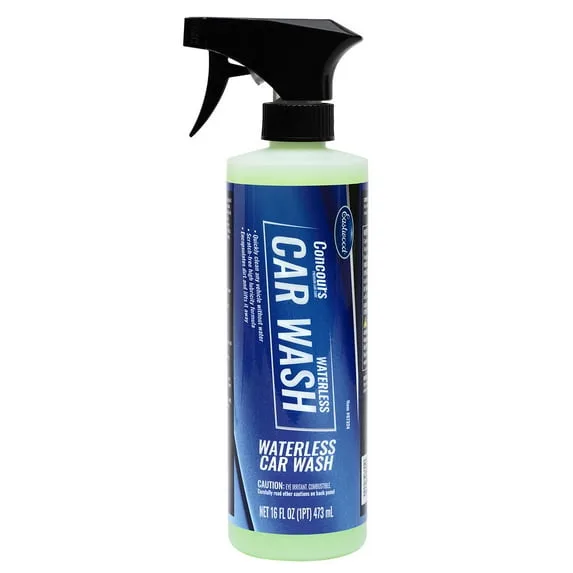
Waterless or rinseless wash. Products like rinseless wash concentrates let you clean a car with a bucket and microfiber towels. No hose or pressure washer needed. Ideal for light dust between washes.
Not great for heavy mud or salt.
Professional hand detail. For special occasions or seasonal deep cleans, a pro detailer is best. Costs $50 to $150 depending on service. They use proper techniques and products.
Your paint stays swirl-free.
Your choice depends on time, budget, and the level of protection your car needs.
Step-by-Step: How to Minimize Damage If You Do Use It
If your situation is low-risk and you decide to use the brush, do it correctly. These steps reduce the chance of damage.
Bing (Web (fair-use with source credit))
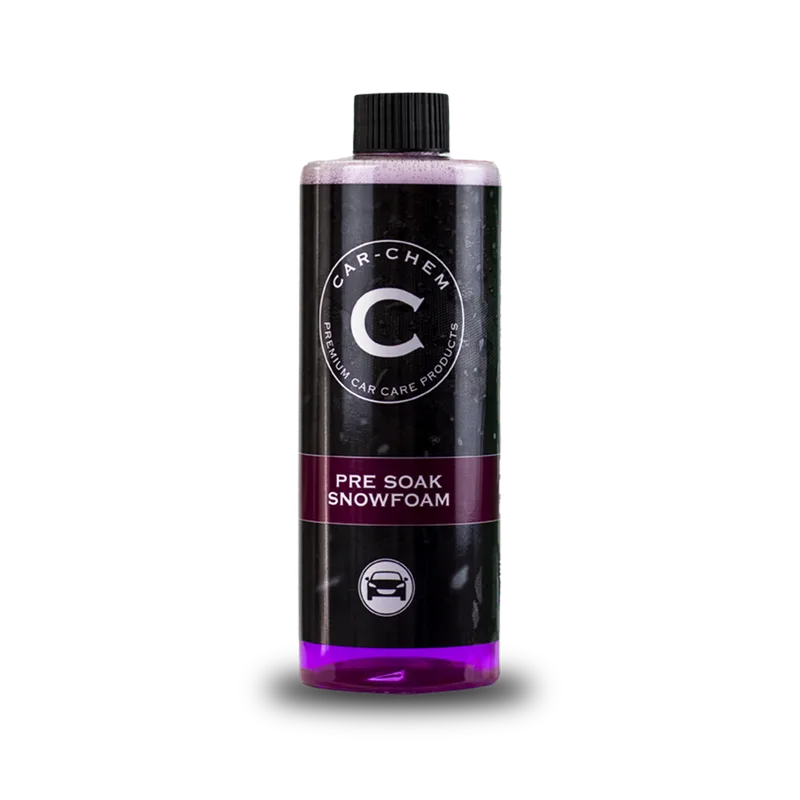
1. Pre-soak thoroughly. Spray the car with the pre-soak or foam setting for at least 60 seconds. Let the soap dwell.
This lifts loose dirt and lubes the surface. Never use a brush on a dry or dusty car.
2. Check the brush before touching paint. Run the brush under the high-pressure rinse for five seconds. Look for debris or discoloration.
If the brush looks dirty, move to a different bay.
3. Start from the top. Work the brush from the roof downward. The roof and upper panels have less road grime.
The lower panels carry more grit. If the brush picks up dirt, it will move down, not up.
4. Keep the brush moving. Do not let it sit on one spot. Constant motion spreads the lubricant and prevents the brush from digging into the clear coat.
5. Use low pressure. You don’t need to press the brush against the paint. Let the brush’s own weight do the work.
Excessive pressure increases friction.
6. Rinse thoroughly. After brushing, rinse with high-pressure water to remove any suspended grit. Then use the spot-free rinse cycle if available.
7. Dry with a clean microfiber towel. Pat dry, don’t rub. A damp towel picks up water without scratching.
Our review of anti streak window cleaner can help with glass, but for paint stick to a dedicated drying towel.
These steps won’t eliminate all risk. They will reduce it significantly.
Common Mistakes That Make Damage Worse
Even careful owners make these errors. Avoid them.
Using the brush on a hot car. Direct sunlight heats the paint and softens the clear coat. Soft clear coats scratch more easily. Wash in the shade or early morning.
Letting soap dry on the paint. If the foam dries before you rinse, it leaves chemical residue. That residue can etch the clear coat over time. Rinse promptly.
Skipping the pre-rinse. Dried bugs, tar, and mud become abrasive when the brush hits them. Always pre-soak. Our best sap remover for cars article covers how to remove sticky contaminants before washing.
Using the brush on wheels and tires. Wheel brushes are separate for a reason. Brake dust contains metal particles that embed in bristles. If you use the same brush on paint, you grind those particles into your clear coat.
Never do this.
Rubbing the car dry with a dirty towel. Even a perfect brush wash can be ruined by a gritty towel. Use fresh, clean microfiber each time.
Washing too frequently. More washes mean more friction. If you must wash weekly, switch to touchless every other time. Your paint will thank you.
Expert Tips: How Often, What to Check, When to Walk Away
Stick to a maximum of one soft brush wash per month. More frequent use accumulates micro-scratches.
Before you start, run a quick finger test on the brush. If your finger picks up any grit or dark residue, move to a different bay.
Walk away if the brush looks dirty, feels frozen, or if your car has fresh paint, a matte finish, or dark paint. Your paint will thank you.
Costs & Practical Data (Price, Time, Frequency)
A soft brush wash costs $8 to $25 depending on location and add-ons. That covers soap, rinse, and sometimes a spot-free rinse.
Time is about 4 to 12 minutes in an automatic tunnel. A self-serve brush bay takes 5 to 10 minutes of active work.
For reference, a touchless wash costs roughly the same. A two-bucket hand wash costs about $3 in supplies but takes 30 to 45 minutes. A professional detail runs $50 to $150 and takes an hour or more.
Frequency matters. Once a month is acceptable. Weekly brush washes will produce visible swirls within six months on most cars.
Final Verdict: Your Personal Decision Guide
Here’s the bottom line.
If your car has light paint, a hard clear coat, and a clean brush, go ahead. If any of those conditions flip, skip the brush.
For leased vehicles, new cars, luxury models, or dark paint, use a touchless wash or hand wash. The extra time is worth preserving the finish.
If you must use a brush, pre-soak thoroughly, keep the brush moving, and dry with a clean microfiber towel. Follow the decision tree from earlier, and you will keep your paint in good shape.
Frequently Asked Questions
Can a soft brush wash ruin my clear coat?
Yes, if the brush is dirty or the clear coat is soft. A single pass with a contaminated brush can leave fine scratches. Regular use on soft clear coats will create visible swirls.
How can I tell if the brush at my car wash is clean?
Look for discoloration or matted bristles. Run it under the high-pressure rinse for a few seconds. If you see grit or dark water, the brush is dirty.
Is touchless car wash safer than soft brush?
Yes. Touchless washes use only chemicals and high-pressure water. No physical contact means zero risk of scratching from friction or trapped grit.
Should I use a soft brush on a wrapped or matte car?
No. Matte finishes and vinyl wraps scratch very easily. A brush will leave permanent shiny marks.
Use touchless or hand washing only.
How often can I use a soft brush wash without damaging paint?
Once a month is the safe limit for most cars. Weekly use will cause cumulative swirl damage, especially on dark or soft clear coats.