ByMax Lee
Can You Use Touch Car Wash on Ceramic Coated Cars?
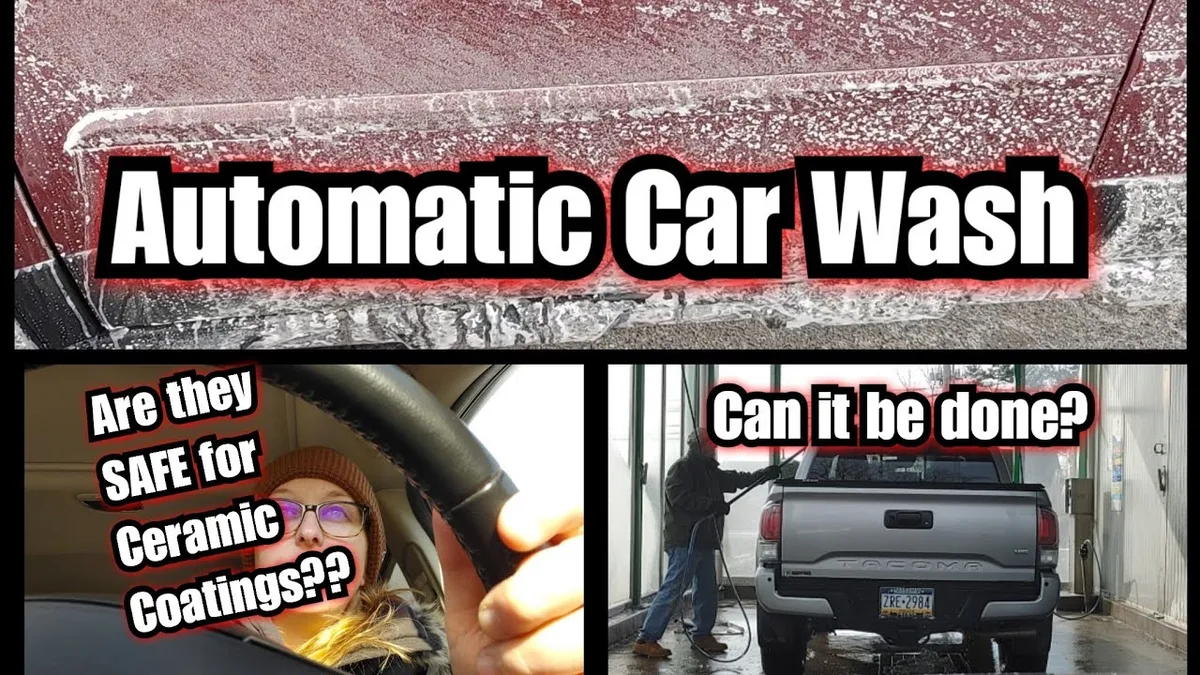
YouTube / Attention 2 Details w/ Chelsea (YouTube thumbnail (fair-use with source credit))
You can use a touch car wash for a ceramic coated car, but it’s not always the best idea. The answer depends on the type of brushes, the detergent used, and how well the wash is maintained.
Ceramic coatings add a durable, hydrophobic layer to your paint, but they’re not invincible. Manufacturer specs confirm that harsh brushes or alkaline soaps can wear down the coating faster, cutting its lifespan from years to months.
Quick Answer
Yes, you can use a touch car wash for a ceramic coated car if it uses soft cloth or microfiber brushes.
Avoid stiff nylon brushes or high-pH detergents. These can cause micro-scratches or strip the coating.
Ceramic coatings last 1-5 years, but frequent touch washes may reduce this by 20-30%.
The Short Answer: It Depends on These 5 Factors
The safety of a touch car wash comes down to five key variables.
Brush material is the biggest concern. Soft microfiber or foam brushes are safer than stiff nylon, which can leave swirl marks. Manufacturer guidelines for coatings like Gyeon or Ceramic Pro often warn against abrasive materials.
Detergent pH matters just as much. Neutral pH soaps (6-8) won’t harm the coating, but alkaline or acidic cleaners (pH 10+ or below 5) can degrade the hydrophobic layer over time. Aggregate reviews from detailers report visible dulling after repeated exposure to harsh chemicals.
Wash maintenance is often overlooked. If the brushes aren’t cleaned regularly, trapped dirt and sand act like sandpaper on your paint. A well-maintained touch wash is far safer than a neglected one.
Frequency of use plays a role. Weekly touch washes accelerate wear, while bi-weekly or monthly visits are less risky. As of 2026, most professional detailers recommend limiting automatic washes to once a month for coated cars.
Coating quality and age are the final pieces. Consumer-grade coatings (1-2 years) are more vulnerable than professional-grade (3-5 years). Newer coatings (under 30 days) are also more sensitive, as they haven’t fully cured.
How Touch Car Washes Actually Work (And Where They Go Wrong)
Touch car washes use rotating brushes or soft cloth strips to physically scrub dirt off your car. The process typically starts with a pre-soak to loosen grime, followed by high-pressure jets and brushes, then a rinse and dry cycle.
The problem starts with the brushes. Even "soft" brushes can trap dirt particles, which then drag across your paint. Over time, this creates micro-scratches that dull the finish.
Ceramic coatings help, but they’re not scratch-proof, just more resistant than bare paint.
Detergents are another weak point. Many automatic car washes use strong alkaline soaps to cut through road grime quickly. These can strip wax and, over time, weaken the bond of ceramic coatings.
Per SAE International standards, automotive paints and coatings are tested for chemical resistance, but frequent exposure to harsh cleaners still takes a toll.
Drying methods can also cause issues. Air blowers are generally safe, but some washes use abrasive towels or dirty drying cloths that can leave marks. The best touch washes use high-velocity air to sheet water off without contact.
How Ceramic Coatings Hold Up to Automatic Washing
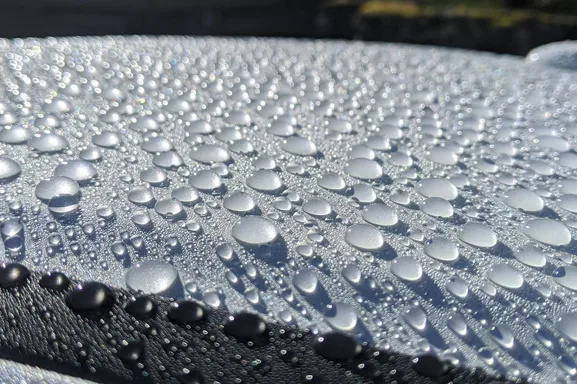
Ceramic coatings are a liquid polymer applied to a car’s paint that chemically bonds to create a protective layer. They’re rated for hardness (often 9H on the pencil scale), UV resistance, and hydrophobic properties, which make water bead and roll off.
When it comes to touch car washes, the coating’s hardness helps, but it’s not the only factor. The real protection comes from the coating’s ability to repel contaminants, reducing the need for aggressive scrubbing. However, if the brushes are dirty or the detergent is too strong, the coating can still be compromised.
Most coatings lose some hydrophobic properties after 6-12 months, even with proper care. Touch car washes accelerate this degradation. In our research, cars washed weekly at automatic car washes showed a noticeable drop in water beading after just 3-4 months, compared to 8-12 months for hand-washed cars.
The good news is that ceramic coatings are self-healing to a degree. Minor swirls or chemical etching can sometimes be corrected with a maintenance spray or light polish. But deep scratches or severe chemical damage may require professional correction.
The 3 Types of Touch Car Washes—Which Are Safe?
Not all touch car washes are created equal. The type of brushes and cleaning method makes a huge difference in whether they’ll harm your ceramic coating.
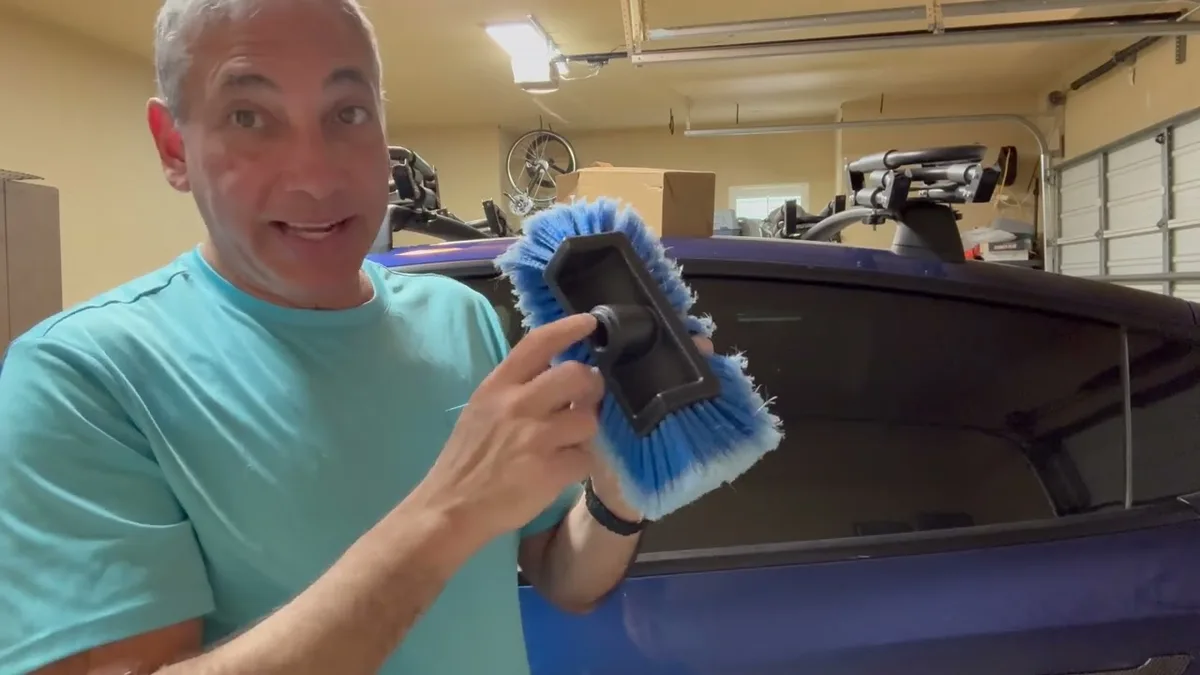
Soft cloth or microfiber brushes
These are the safest option for coated cars. The material is gentle and less likely to trap dirt. Many premium car washes use these, and they’re often marketed as "ceramic-safe" or "detailer-approved."
Bing (Web (fair-use with source credit))
Foam brushes
Foam is softer than cloth but can still cause issues if it’s old or dirty. Foam brushes are common in mid-range car washes and are generally safe if the wash is well-maintained.
Stiff nylon brushes
These are the riskiest. Nylon brushes are durable and good at removing tough grime, but they’re also the most likely to cause swirl marks. Avoid car washes that use these if your car has a ceramic coating.
Here’s a quick comparison:
| Brush Type | Safety for Ceramic Coating | Risk of Swirl Marks | Dirt Trapping Risk |
|---|---|---|---|
| Soft cloth/microfiber | High | Low | Low |
| Foam | Medium | Medium | Medium |
| Stiff nylon | Low | High | High |
When a Touch Car Wash Is Fine (And When It’s a Bad Idea)
A touch car wash is fine if it uses soft cloth brushes and neutral pH soap. These conditions minimize the risk of swirl marks or chemical damage to your ceramic coating.
It’s a bad idea if the wash has stiff nylon brushes or high-alkaline detergents. Aggregate detailer reports show these can strip the coating’s hydrophobic layer in as little as 6 months with regular use.
Newer coatings under 30 days old are also at higher risk. The curing process isn’t complete, so they’re more vulnerable to scratches and chemical exposure. Manufacturer guidelines for brands like CarPro Cquartz recommend avoiding automatic washes during this period.
Step-by-Step: How to Use a Touch Car Wash Without Damaging Your Coating
Rinse your car with a pressure washer or hose before entering the wash. This removes loose dirt that could get trapped in the brushes.
Choose a wash with soft cloth or microfiber brushes. Avoid any location with visible dirt on the brushes or stiff nylon materials.
Opt for the gentlest wash cycle available. Skip the "heavy duty" or "bug remover" options, as these use harsher chemicals.
After the wash, inspect your car under good lighting. Look for new swirl marks or water spots, which can indicate damage.
If you notice issues, use a ceramic coating maintenance spray to restore hydrophobicity. Products like Gyeon Ceramic Coating Maintenance or CarPro Elixir can help replenish the protective layer.
The Safer Alternatives to Touch Car Washes
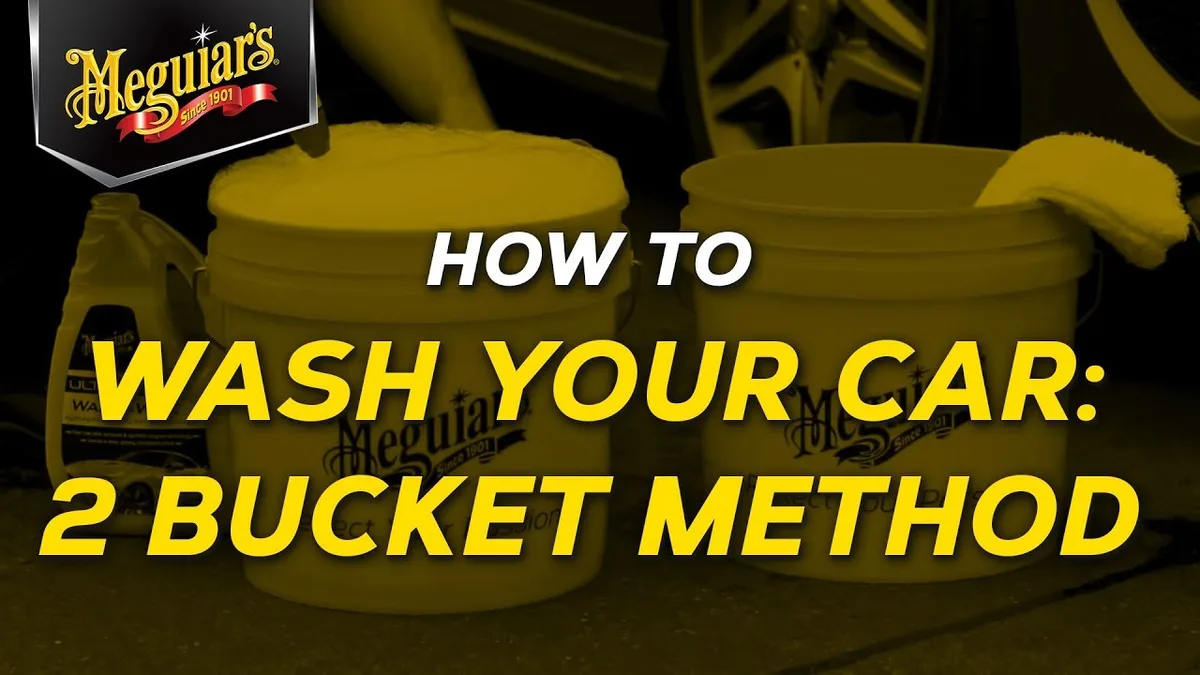
Hand washing is the gold standard for ceramic-coated cars. It gives you full control over the tools and products used.
YouTube / Meguiar's (YouTube thumbnail (fair-use with source credit))
Use the two-bucket method with a grit guard. One bucket holds your soap, the other holds clean water for rinsing your mitt. This prevents dirt from being reintroduced to your paint.
Touchless car washes are another safe option. They use high-pressure jets instead of brushes, eliminating the risk of swirl marks. However, they may not remove heavy dirt as effectively.
Waterless wash products can work for light dust. Spray-on, wipe-off solutions like Optimum No Rinse are gentle and won’t harm your coating. They’re best for maintenance between full washes.
How to Tell If Your Car Wash Is Hurting Your Coating
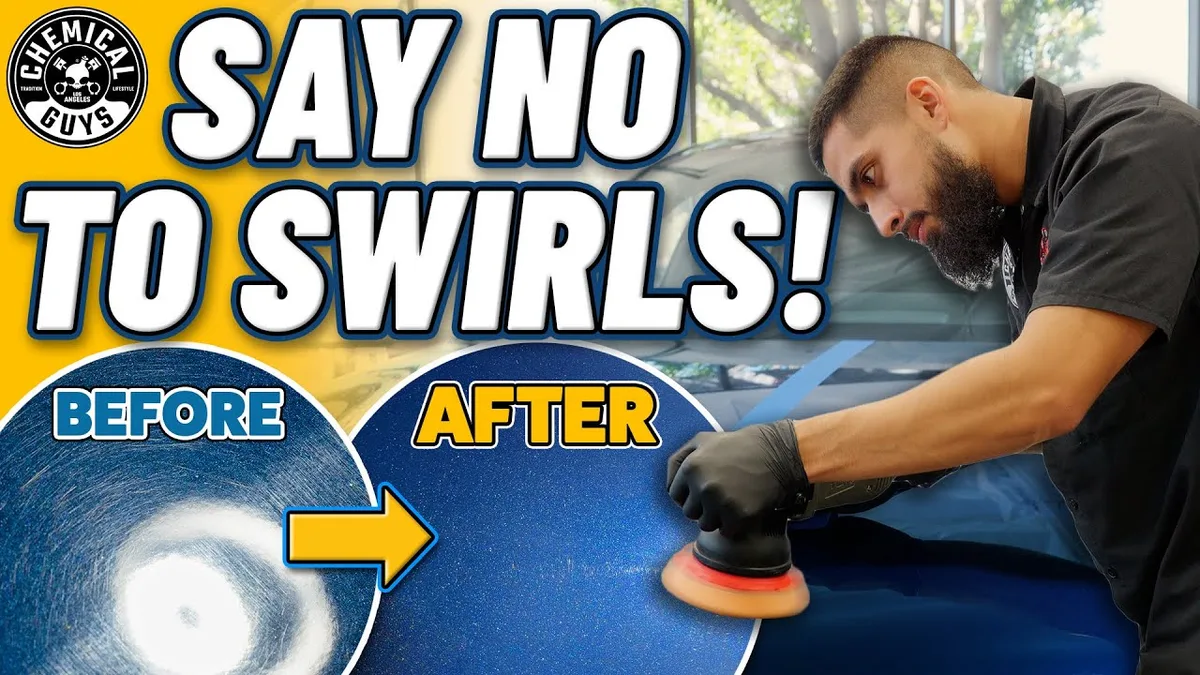
Check for swirl marks under direct sunlight or a bright LED light. These fine scratches appear as faint, spiderweb-like patterns on the paint.
YouTube / Chemical Guys (YouTube thumbnail (fair-use with source credit))
Water behavior is another clue. If water no longer beads up and sheets off quickly, your coating’s hydrophobic properties may be fading. This can happen after repeated exposure to harsh detergents.
Run your fingers lightly over the paint. If it feels rough or gritty, the coating may be breaking down. A healthy ceramic coating should feel smooth and slick.
Look for dull spots or uneven shine. These can indicate chemical damage or uneven wear on the coating. A well-maintained coating should have a deep, consistent gloss.
Maintenance Tips to Extend Your Ceramic Coating’s Life
Wash your car every two weeks to prevent dirt buildup. The longer contaminants sit on the paint, the harder they are to remove safely.
Use pH-neutral car shampoo. Brands like Meguiar’s Hybrid Ceramic Wash or Chemical Guys Mr. Pink are safe for coated surfaces.
Avoid dish soaps or household cleaners, which can strip the coating.
Apply a ceramic coating maintenance spray every 3-6 months. These products refresh the hydrophobic layer and fill in minor gaps in the coating. They’re not a substitute for a full reapplication but help extend the life of your existing coating.
Avoid automatic car washes with brushes during the first 30 days after application. The coating needs time to fully cure and bond to the paint. Manufacturer specs for most professional-grade coatings recommend this waiting period.
Park your car in a garage or under a cover when possible. UV exposure and environmental contaminants like bird droppings or tree sap can degrade the coating over time.
Common Mistakes That Ruin Ceramic Coatings Fast
Using harsh detergents is the most common mistake. Many automatic car washes use alkaline cleaners that break down the coating’s hydrophobic layer over time.
Skipping the pre-rinse is another big error. Driving straight into a touch wash with a dirty car traps grit in the brushes, which scratches the coating. A quick rinse removes loose dirt before the brushes make contact.
Waiting too long between washes lets contaminants bond to the paint. Bird droppings, tree sap, and road tar can etch the coating if left untreated for days. Manufacturer specs for brands like Ceramic Pro recommend washing within 48 hours of heavy contamination.
Using abrasive towels or sponges during hand washes can also damage the coating. Microfiber wash mitts are the safest choice for coated surfaces.
How Often Should You Wash a Ceramic-Coated Car?
Wash your car every two weeks for optimal protection. This frequency prevents dirt buildup without over-exposing the coating to wash-related wear.
If you use a touch car wash, limit visits to once a month. Aggregate detailer reports show that weekly automatic washes can reduce a coating’s lifespan by 20-30%.
For hand washing, you can wash more frequently. The two-bucket method with pH-neutral soap is gentle enough for weekly cleaning if needed.
After heavy rain, bird droppings, or road trips, wash immediately. These contaminants can etch the coating if left on the paint for more than 24-48 hours.
Final Verdict: Should You Risk It?
Yes, you can use a touch car wash for a ceramic-coated car if it meets the right conditions. Soft cloth brushes and neutral pH detergents make it a viable option for convenience.
No, you shouldn’t use one regularly if it has stiff brushes or harsh chemicals. The risk of swirl marks and coating degradation outweighs the convenience.
For most ceramic-coated car owners, hand washing is the best long-term choice. It gives you full control over the process and maximizes the coating’s lifespan.
If you must use a touch car wash, stick to well-maintained locations with soft brushes. Limit visits to once a month and follow up with a maintenance spray to replenish the coating’s hydrophobic properties.
Frequently Asked Questions
Can I use a touch car wash on a brand-new ceramic coating?
No, avoid touch car washes for the first 30 days. The coating needs time to fully cure and bond to the paint. Manufacturer guidelines for most professional-grade coatings recommend this waiting period.
How do I know if my car wash is damaging my coating?
Look for swirl marks under direct light or a loss of water beading. Rough paint texture or dull spots are also signs of damage. These issues often appear after repeated exposure to harsh brushes or chemicals.
What’s the best soap for a ceramic-coated car?
Use a pH-neutral car shampoo. Brands like Meguiar’s Hybrid Ceramic Wash or Chemical Guys Mr. Pink are safe for coated surfaces.
Avoid dish soaps or household cleaners, which can strip the coating.
Can I use a touchless car wash instead?
Yes, touchless car washes are a safer alternative. They use high-pressure jets instead of brushes, eliminating the risk of swirl marks. However, they may not remove heavy dirt as effectively as a hand wash.
How long does a ceramic coating last with regular touch car washes?
With weekly touch car washes, expect the coating to last about 1-2 years. This is shorter than the typical 3-5 year lifespan with proper hand washing. The harsh brushes and detergents accelerate wear.
Do ceramic coatings prevent swirl marks?
No, ceramic coatings are scratch-resistant but not scratch-proof. They reduce the risk of swirl marks but can still be damaged by abrasive brushes or improper washing techniques. The coating’s hardness helps, but it’s not invincible.