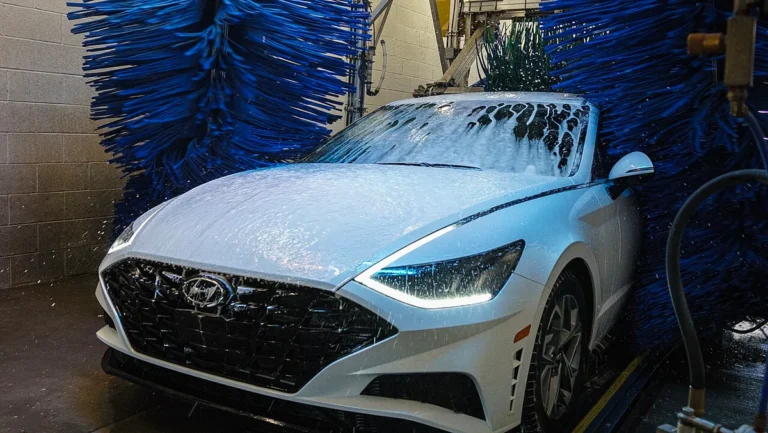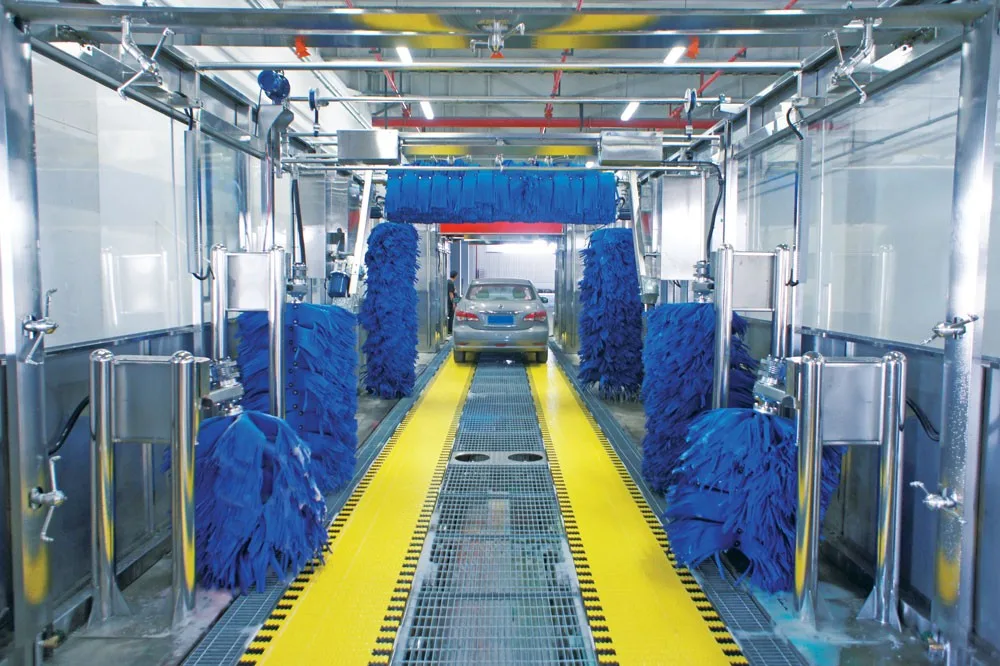
Running a car wash track system efficiently starts with clear car wash track instructions. Without the right workflow, you risk inconsistent cleaning, equipment damage, or even safety hazards for vehicles and staff.
Manufacturer specs confirm most conveyor systems handle 30 to 100 cars per hour, depending on track speed and wash program length. Getting the steps right ensures smooth operation and maximizes throughput.
Quick Answer
Car wash track instructions guide the automated process of moving vehicles through cleaning stages. Each system uses a conveyor to transport cars through pre-wash, main wash, rinse, and drying. Track speed typically ranges from 10 to 30 feet per minute.
Operators must align vehicles properly and monitor sensors for size detection.
How a Car Wash Track System Works
A car wash track system automates the cleaning process by moving vehicles along a conveyor while brushes, sprays, and dryers do the work. The track itself is a continuous loop of rollers or belts that pull the car forward at a controlled speed.
The system relies on sensors to detect vehicle size, position, and entry/exit points. As of 2026, most modern setups use programmable logic controllers (PLCs) to manage the sequence, ensuring consistent results. This automation reduces labor costs and increases efficiency compared to manual washing.
Types of Car Wash Tracks and Which One Fits Your Setup
Not all car wash tracks are the same. The right type depends on your business model, space, and customer expectations.
Conveyor (Tunnel) Systems are best for high-volume operations. They move cars through a series of cleaning stations, ideal for gas stations or dedicated car wash businesses. Throughput can reach 100+ cars per hour with proper setup.
In-Bay Automatic Systems work well for smaller locations. The vehicle stays stationary while the equipment moves around it. These are common at self-service car washes and require less space.
Touchless Systems use high-pressure water and chemicals instead of brushes. They’re gentler on paint but may struggle with heavy grime. Soft-cloth and brush systems provide more aggressive cleaning but need regular maintenance to prevent scratches.
Key Components of a Car Wash Track (And What Each Does)
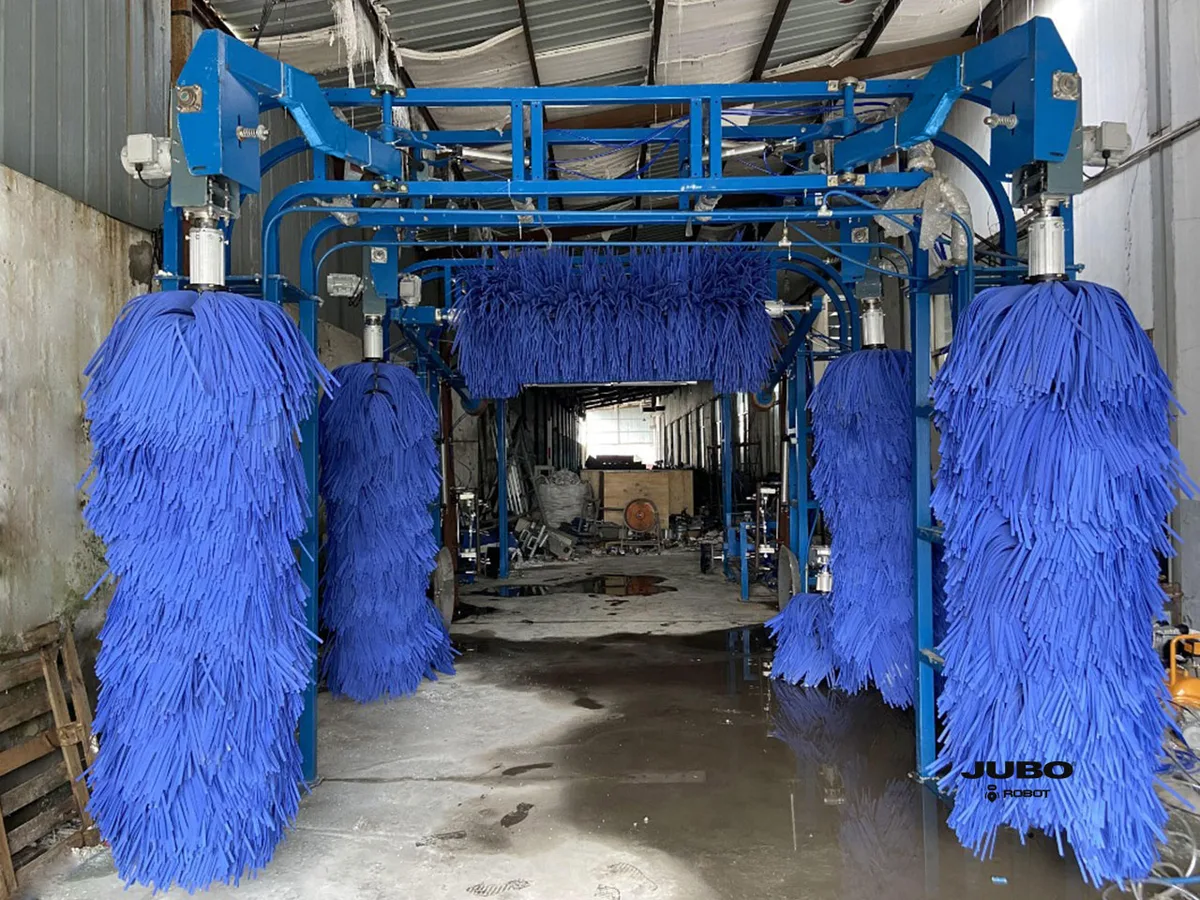
Every car wash track relies on several core components working together. Understanding each part helps with troubleshooting and maintenance.
- Conveyor Track: Moves the vehicle through the wash tunnel. Speed is adjustable, usually between 10 and 30 feet per minute.
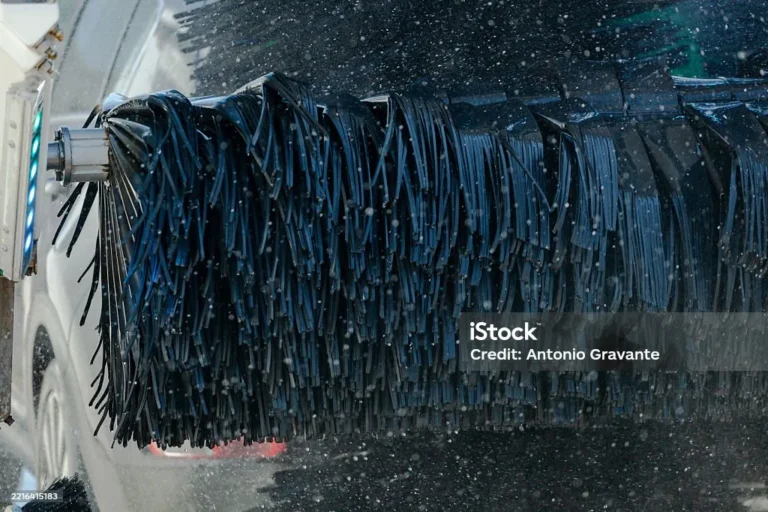
- Brushes/Soft-Cloth Strips: Clean the vehicle’s exterior. Soft-cloth is gentler; brushes are more abrasive but effective for tough dirt.
- Spray Nozzles: Apply pre-soak, detergent, and rinse solutions. Water pressure typically ranges from 800 to 1,200 PSI.
- Drying System: Uses blowers or air knives to remove water. Efficient drying prevents spots and streaks.
- Sensors: Detect vehicle size, position, and entry/exit. Misalignment here can cause incomplete washes or damage.
- Control Panel/PLC: Manages the entire sequence. Modern systems allow customizable wash programs.
| Component | Function | Maintenance Tip |
|---|---|---|
| Conveyor Track | Moves vehicle through wash | Lubricate rollers regularly |
| Brushes | Clean exterior surfaces | Replace every 5,000–20,000 washes |
| Spray Nozzles | Apply chemicals/water | Check for clogs weekly |
| Drying System | Removes water after rinse | Clean air knives monthly |
Step-by-Step: Operating a Car Wash Track Correctly
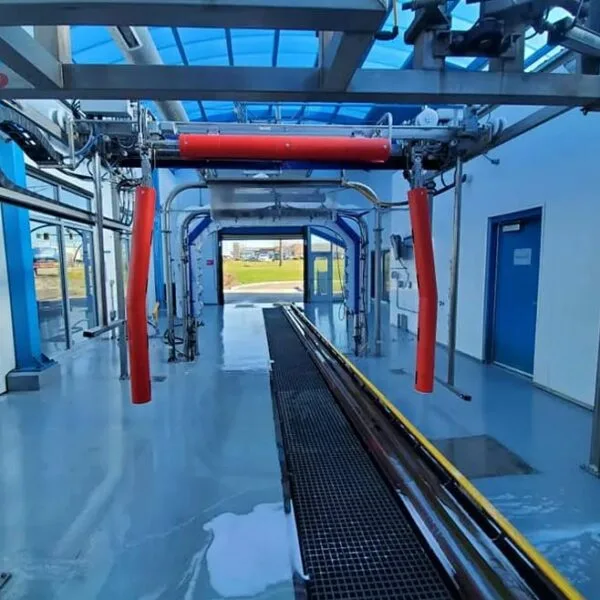
Following the correct workflow ensures a smooth, damage-free wash. Here’s how to operate a standard conveyor system.
1. Vehicle Positioning
Guide the customer to align their wheels with the track. Misalignment can cause the car to veer off or get stuck. Most systems use guide rails or laser markers for assistance.
2. Pre-Wash Phase
The track activates, moving the car into the pre-soak station. High-pressure sprays and chemicals loosen dirt and grime. This step takes 20, 40 seconds, depending on the program.
3. Main Wash Phase
Brushes or soft-cloth strips scrub the vehicle while detergent is applied. For touchless systems, high-pressure nozzles do the cleaning. This is the longest stage, often 1, 2 minutes.
4. Rinse and Wax (Optional)
A thorough rinse removes all chemicals. Some systems offer an optional wax or sealant application for extra shine and protection.
5. Drying Phase
Blowers or air knives dry the vehicle as it exits the tunnel. Proper drying prevents water spots and ensures a professional finish.
Pre-Wash, Main Wash, and Post-Wash Workflow Breakdown
The pre-wash stage sets the foundation for a clean finish. High-pressure sprays and chemical pre-soaks loosen dirt before the main wash begins. This step typically uses 15-20 gallons of water per vehicle.
During the main wash, brushes or soft-cloth strips scrub the vehicle while detergent is applied. Touchless systems skip physical contact and rely on high-pressure water and chemicals instead. The main wash cycle usually lasts 60-90 seconds.
The post-wash phase includes a thorough rinse to remove all cleaning agents. Many systems offer optional wax or sealant applications for extra protection. The drying stage uses blowers or air knives to prevent water spots.
Common Car Wash Track Problems and How to Fix Them
Misaligned vehicles are the top cause of track jams. If a car isn't centered, it can veer off or get stuck. Guide rails and laser markers help prevent this issue.
Brush wear is another frequent problem. Worn brushes can scratch paint or leave streaks. Replace them every 5,000 to 20,000 washes, depending on usage and material quality.
Sensor malfunctions can lead to incorrect vehicle sizing or missed cleaning spots. Regular calibration keeps the system accurate. Manufacturer specs recommend monthly checks for optimal performance.
Maintenance Checklist to Keep Your Track Running Smoothly
Daily inspections catch small issues before they become costly repairs. Check the conveyor track for debris or obstructions. Ensure all rollers move freely.
Weekly tasks include cleaning spray nozzles to prevent clogs. Test all sensors for proper function. Lubricate moving parts as specified in your system's manual.
Monthly maintenance should cover brush replacement if needed. Inspect the drying system for blockages. Verify chemical levels and refill as necessary.
Daily inspections catch small issues before they become costly repairs. Check the conveyor track for debris or obstructions. Ensure all rollers move freely.
Weekly tasks include cleaning spray nozzles to prevent clogs. Test all sensors for proper function. Lubricate moving parts as specified in your system's manual.
Monthly maintenance should cover brush replacement if needed. Inspect the drying system for blockages. Verify chemical levels and refill as necessary.
Safety and Compliance Rules You Can’t Ignore
OSHA regulations require emergency stop buttons within easy reach. All operators should know their location and function. Regular testing ensures they work when needed.
Water discharge regulations vary by location. Many areas require wastewater treatment systems. Check with your local environmental agency for specific rules.
Vehicle height and width limits prevent damage to both cars and equipment. Post clear signage at the entrance. Most systems have a maximum height of 7-8 feet.
Costs, Throughput, and Efficiency: What to Expect
Initial setup costs for a conveyor car wash system range from $100,000 to $500,000. This includes equipment, installation, and initial chemical supplies. Ongoing costs cover water, electricity, and maintenance.
Throughput varies by system type and settings. Conveyor systems typically handle 30-100 cars per hour. In-bay automatic systems process 10-20 cars per hour.
Efficiency improves with proper maintenance. Well-maintained systems use 30-70 gallons of water per car. Energy consumption averages 5-15 kWh per wash cycle.
Touchless vs. Soft-Cloth vs. Brush: Which Track System Wins?
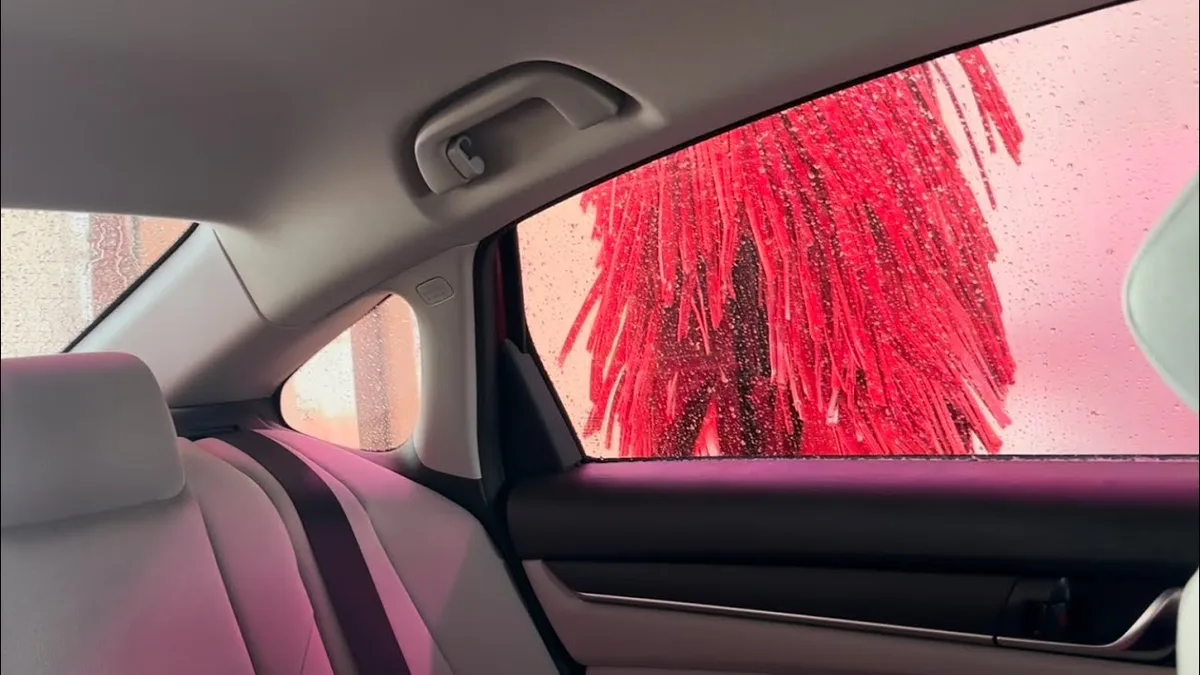
Touchless systems use high-pressure water and chemicals to clean without physical contact. They’re ideal for vehicles with delicate paint or custom finishes. Water usage is higher, often 50-70 gallons per car.
Soft-cloth systems use gentle fabric strips to scrub the vehicle. They provide thorough cleaning with minimal risk of scratches. These systems are popular for everyday sedans and SUVs.
Brush systems offer the most aggressive cleaning for tough grime. They’re common in high-volume commercial washes. However, worn brushes can scratch paint if not maintained properly.
Pro Tips to Improve Wash Quality and Reduce Damage Claims
Regular brush inspections prevent most damage claims. Replace worn or contaminated brushes immediately. Manufacturer specs recommend checking brush condition weekly.
Adjust chemical concentrations based on local water hardness. Hard water may require stronger detergents to avoid streaking. Test wash results daily and tweak as needed.
Train staff to guide customers onto the track properly. Misalignment causes 40% of damage incidents. Use clear visual markers and verbal instructions.
Frequently Asked Questions
How fast should the conveyor move?
Most systems run at 10-30 feet per minute. Slower speeds allow better cleaning but reduce throughput. Adjust based on your wash program length and customer volume.
What’s the best way to prevent water spots?
Ensure the drying system is functioning at full capacity. Use spot-free rinse agents in the final rinse cycle. Regularly clean and maintain air knives and blowers.
How often should I replace the brushes?
Soft-cloth brushes typically last 10,000-20,000 washes. Foam brushes may need replacement at 5,000-10,000 washes. Inspect weekly and replace at the first sign of wear.
Can I use any chemicals in my car wash system?
No. Always use chemicals specifically formulated for automatic car washes. Generic detergents can damage equipment and leave residue.
Follow manufacturer recommendations for dilution ratios.
What’s the average water usage per car?
Touchless systems use 50-70 gallons per wash. Soft-cloth and brush systems typically use 30-50 gallons. Water reclamation systems can reduce usage by 30-50%.