Buying a car wash can be a smart investment, but only if you pick the right type and location. The market for car washes for sale is active, with options ranging from self-serve bays to fully automated tunnels, each with different costs, labor needs, and profit potential.
As of 2026, the average express tunnel car wash generates $500K to $2M annually, but success hinges on factors like foot traffic and equipment reliability. Let’s break down what you need to know before diving in.
Quick Answer
Car washes for sale offer a scalable business model.
Profit margins typically range from 20 to 40 percent.
Automatic tunnels process 50 to 150 cars per hour.
Self-serve bays require less upfront capital.
Location and equipment condition are the top success factors.
Is Buying a Car Wash a Good Investment?
Car washes are a recession-resistant business. People still wash their cars even when budgets tighten. The industry has grown steadily, with IBISWorld reporting a 3 percent annual increase in revenue.
But it’s not a guaranteed win. Poor locations, outdated equipment, or mismanaged operations can turn a promising purchase into a money pit. The key is understanding the different models and their trade-offs before you commit.
Why People Buy Car Washes (And Why Some Regret It)
The appeal is clear: recurring revenue, relatively low labor costs for automated systems, and the potential for high margins. Many buyers are drawn to the idea of passive income, especially with express exterior washes that require minimal staffing.
Regret usually sets in when buyers underestimate hidden costs. Maintenance on pumps, motors, and plumbing can add up quickly. Some also overlook local competition or seasonal slowdowns, like winter in colder climates where demand drops.
Others misjudge the importance of visibility and accessibility, only to realize their location doesn’t attract enough traffic.
The 5 Types of Car Washes for Sale (And Who They’re Best For)
Not all car washes are created equal. Each type caters to different budgets, labor preferences, and customer bases.
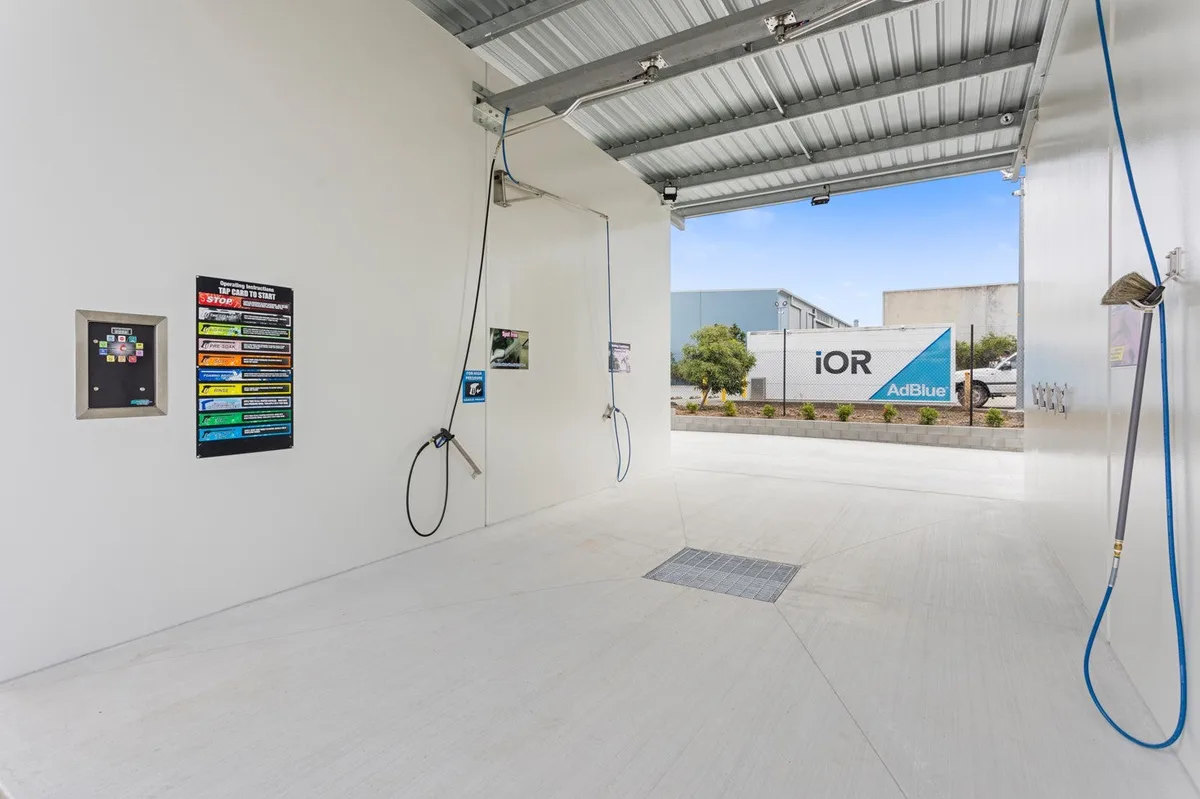
Self-serve car washes Best for: Hands-on owners or investors with limited capital.
Pros: Low startup cost, minimal staffing, high profit per car.
Cons: Lower throughput, vulnerable to vandalism, requires regular maintenance.
In-bay automatic car washes Best for: Owners who want automation without a full tunnel.
Pros: Higher throughput than self-serve, lower labor costs.
Cons: Limited to one car at a time, slower than tunnels.
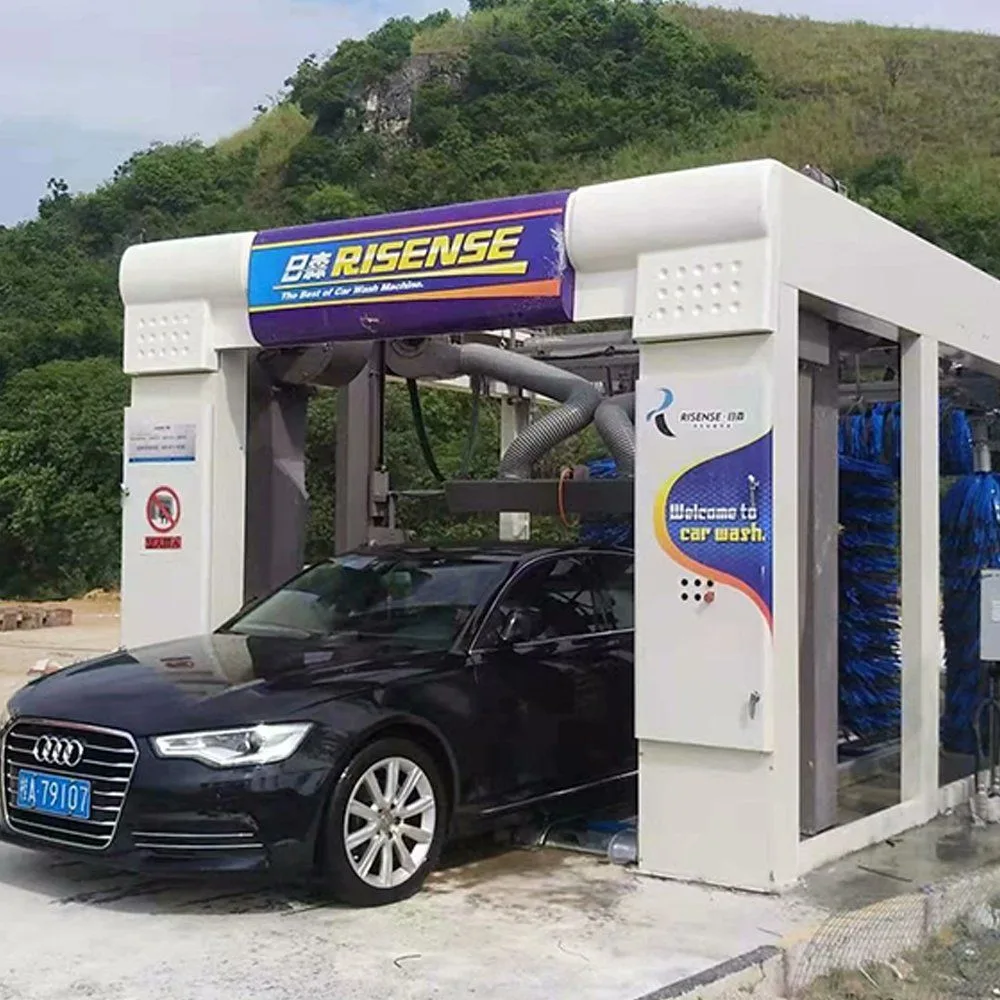
Tunnel (conveyor) car washes Best for: High-volume locations with steady traffic.
Pros: Fastest throughput (50, 150 cars/hour), scalable, high revenue potential.
Cons: High upfront cost, requires more space and staff, complex equipment.
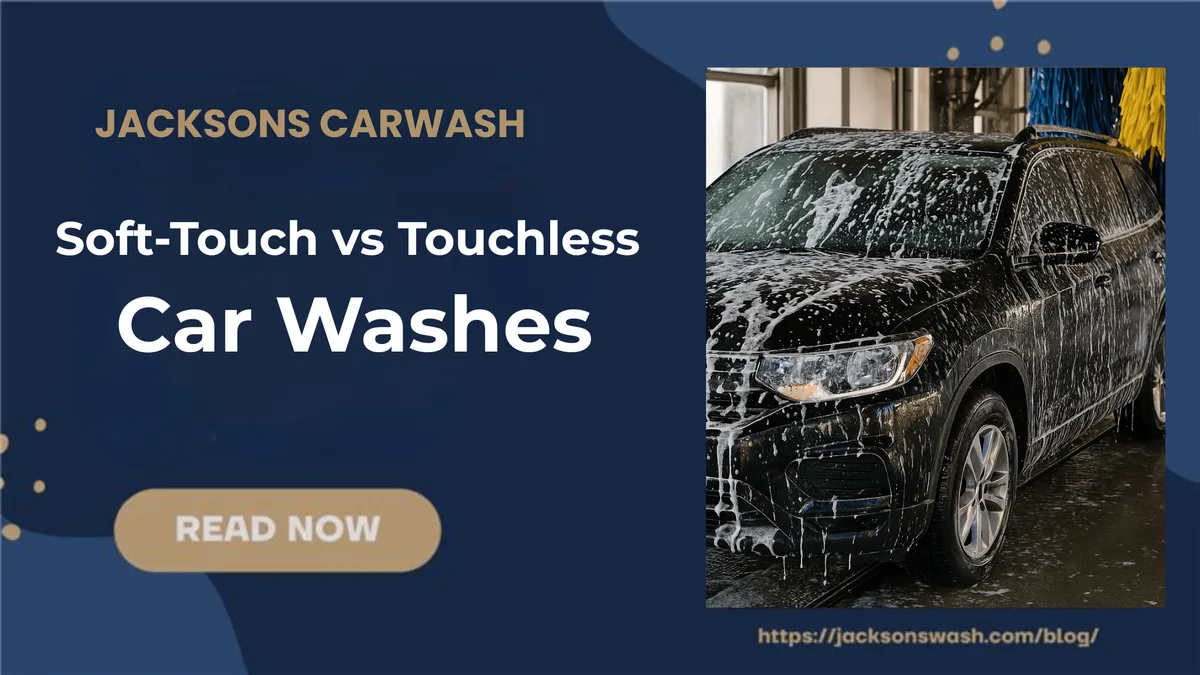
Touchless car washes Best for: Customers who prioritize vehicle safety.
Pros: No brushes mean less risk of scratches, good for high-end vehicles.
Cons: Higher chemical costs, may not clean as thoroughly as soft-cloth systems.
Full-service car washes Best for: Owners who want to offer premium services.
Pros: Highest revenue per car, builds customer loyalty.
Cons: High labor costs, requires skilled staff, slower throughput.
Self-Serve vs. Automatic vs. Full-Service: Side-by-Side Comparison
Choosing the right type depends on your budget, location, and goals. Below is a direct comparison of the three most common models:
| Factor | Self-Serve | Automatic (In-Bay) | Full-Service |
|---|---|---|---|
| Upfront Cost | $50K–$200K | $150K–$500K | $300K–$1M+ |
| Throughput | 10–30 cars/hour | 20–40 cars/hour | 10–20 cars/hour |
| Labor Needs | Low | Moderate | High |
| Revenue per Car | $5–$15 | $10–$20 | $20–$50+ |
| Maintenance Costs | Moderate | High | High |
| Best For | Budget-conscious buyers, rural areas | Suburban locations, moderate traffic | Urban areas, premium customers |
How Car Washes Make (and Lose) Money
The revenue model is straightforward: charge per wash, upsell add-ons, and build loyalty programs. But the devil’s in the details. A well-run tunnel car wash can bring in $500K to $2M annually, while a self-serve bay might generate $50K to $200K per year.
Revenue Streams:
- Base washes (exterior, interior, or full-service)
- Add-ons (wax, undercarriage wash, fragrance, tire shine)
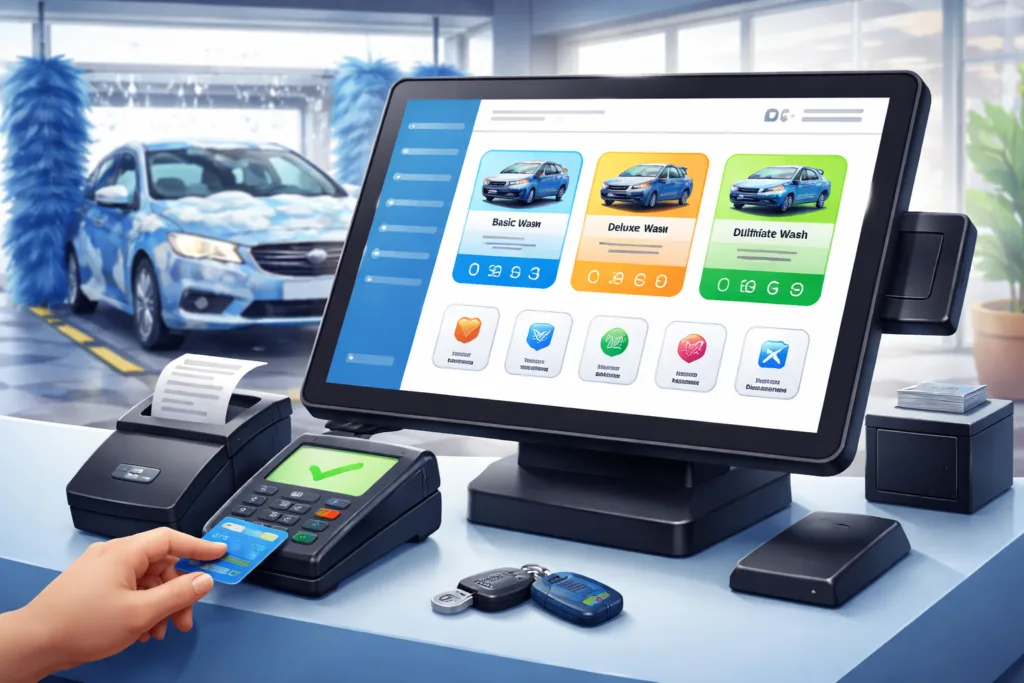
- Memberships/subscriptions (recurring revenue)
- Fleet services (taxis, ride-shares, delivery vehicles)
Costs That Eat Into Profits:
- Water and sewer fees (can be $2, $5 per car in some areas)
- Equipment maintenance (pumps, motors, brushes, dryers)
- Labor (especially for full-service models)
- Chemicals (soap, wax, pre-soak)
- Insurance and permits
The most profitable car washes combine high throughput with low overhead. Automatic tunnels excel here, as they require fewer staff per car washed. Self-serve bays, while cheaper to start, rely on volume to offset lower per-car revenue.
For a reliable machine to keep your equipment clean, consider using a durable hose. According to the International Carwash Association, the industry continues to grow, making it a solid investment for the right buyer.
Hidden Costs That Sink New Car Wash Owners
Equipment maintenance is the silent budget killer. Pumps, motors, and high-pressure systems wear out fast with heavy use. A single pump replacement can cost $2,000 to $5,000, and neglecting it risks downtime.
Water and sewer fees catch many off guard. In some municipalities, these can add $2 to $5 per car washed. Chemical costs for soap, wax, and pre-soak solutions also add up, especially for high-volume tunnels.
Permits and compliance aren’t one-time expenses. EPA wastewater regulations require ongoing monitoring. Local zoning laws may change, forcing costly upgrades.
How to Value a Car Wash Before You Buy
Start with the financials. Request three years of profit and loss statements. Look for consistent revenue growth and stable expenses.
Next, assess the equipment. Note the age and condition of pumps, brushes, dryers, and payment systems. Older equipment may need replacement within 1, 2 years.
Location matters just as much as the numbers. High-traffic areas with good visibility command premium prices. Check for competition within a 1, 2 mile radius.
Use industry multiples as a benchmark. Self-serve car washes often sell for 2, 3 times annual revenue. Tunnels can fetch 3, 5 times revenue, depending on volume and profitability.
Financing a Car Wash: Loans, Leases, and Creative Options
SBA loans are a popular choice. They offer long terms and competitive rates for qualified buyers. Banks typically require a 10, 20 percent down payment.
Seller financing can bridge the gap. Some sellers offer partial financing to make the deal more attractive. Terms vary but often include a 5, 7 year payback period.
Equipment leasing is another path. It lowers upfront costs but may increase long-term expenses. Lease terms usually run 3, 5 years.
Private investors or partnerships can provide capital. This route works well for larger multi-site purchases. Just be clear on ownership stakes and profit-sharing agreements.
The Best Locations for a Car Wash (And Where to Avoid)
High-traffic areas near gas stations or grocery stores are ideal. These locations offer built-in customer flow. Visibility from a main road is a must.
Avoid areas with oversaturation. Too many car washes in a small radius drive prices down. Check for existing competition within a 1, 2 mile radius.
Consider local demographics. Middle to upper-class neighborhoods have higher disposable income. Areas with high car ownership rates are also strong candidates.
Climate plays a role too. Year-round demand is stronger in Sun Belt states. Northern locations may see winter slowdowns.
Franchise vs. Independent: Which Path Is Right for You?
Franchises offer brand recognition and proven systems. They provide training, marketing support, and established operations. But they come with franchise fees and less flexibility.
Independent car washes give you full control. You can tailor services, pricing, and branding to your market. The downside is you’re on your own for marketing and operations.
Franchises typically require higher upfront investment. Fees can range from $20K to $50K, plus ongoing royalties. Independent washes avoid these costs but may take longer to build a customer base.
Consider your experience level. Franchises are often better for first-time owners. Independents suit those with industry knowledge and a clear vision.
Step-by-Step: How to Buy a Car Wash Without Getting Burned
Start with market research. Identify high-traffic areas with limited competition. Use tools like Google Maps and local business directories to scope out potential locations.
Next, evaluate the financials. Request at least three years of profit and loss statements. Look for consistent revenue and controlled expenses.
Inspect the equipment. Bring a technician to assess the condition of pumps, brushes, dryers, and payment systems. Note the age and maintenance history of each component.
Review the lease or property details. If the land is leased, check the terms and renewal options. If you’re buying the property, verify zoning and environmental compliance.
Negotiate the price. Use industry multiples as a baseline. Self-serve car washes typically sell for 2, 3 times annual revenue, while tunnels can fetch 3, 5 times.
Mistakes First-Time Car Wash Buyers Make (And How to Avoid Them)
Skipping due diligence is the biggest mistake. Some buyers rely on seller-provided numbers without verification. Always review financials and equipment condition independently.
Underestimating maintenance costs is another common pitfall. Pumps, motors, and plumbing require regular upkeep. Budget for these expenses from day one.
Ignoring local competition can be costly. Too many car washes in one area drive prices down. Check for existing locations within a 1, 2 mile radius.
Overlooking permits and compliance is risky. EPA wastewater regulations and local zoning laws can force costly upgrades. Ensure the business meets all requirements before purchasing.
Costs / Pricing / Data / Specs
Here’s a breakdown of typical costs and specs for car washes:
| Type | Upfront Cost | Throughput | Revenue Potential | Maintenance Costs |
|---|---|---|---|---|
| Self-serve | $50K–$200K | 10–30 cars/hour | $50K–$200K/year | Moderate |
| In-bay automatic | $150K–$500K | 20–40 cars/hour | $200K–$600K/year | High |
| Tunnel (conveyor) | $500K–$2M+ | 50–150 cars/hour | $500K–$2M+/year | High |
| Full-service | $300K–$1M+ | 10–20 cars/hour | $300K–$1M+/year | High |
Expert Tips / Pro Advice
Focus on location above all else. A great car wash in a poor location will struggle. Look for high visibility and easy access.
Invest in marketing. Loyalty programs and local partnerships can drive repeat business. Even a simple punch card system can boost customer retention.
Prioritize maintenance. Regular upkeep prevents costly downtime. Schedule inspections for pumps, motors, and plumbing.
Consider water reclamation systems. These can reduce water and sewer costs significantly. They also appeal to eco-conscious customers.
Safety / Legal / Compliance / Warnings
Follow EPA wastewater regulations. Improper disposal of chemicals can result in hefty fines. Install and maintain a water reclamation system if required.
Adhere to OSHA workplace safety standards. Ensure employees are trained in chemical handling and equipment operation. Provide proper protective gear.
Check local zoning laws. Some areas restrict car wash operations. Verify compliance before purchasing.
Carry adequate insurance. General liability, property, and workers’ compensation are essential. Protect your investment from potential lawsuits or accidents.
Frequently Asked Questions
How much does it cost to buy a car wash?
Costs vary widely by type. Self-serve car washes start around $50K, while tunnel systems can exceed $2M. Factor in real estate, equipment, and permits for a complete picture.
What’s the most profitable type of car wash?
Tunnel car washes typically generate the highest revenue due to their throughput. Express exterior models with membership programs also perform well.
How do I finance a car wash purchase?
Options include SBA loans, seller financing, equipment leasing, and private investors. Each has pros and cons depending on your capital and risk tolerance.
What are the biggest risks of buying a car wash?
Hidden maintenance costs, poor location, and local competition are the top risks. Always conduct thorough due diligence before purchasing.
How do I value a car wash business?
Use industry multiples (2, 3x revenue for self-serve, 3, 5x for tunnels) as a starting point. Then adjust for equipment condition, location, and growth potential.
Do I need special permits to operate a car wash?
Yes. You’ll need business licenses, water discharge permits, and possibly zoning approvals. Check with local authorities and the EPA for requirements.