Image source: Wikimedia Commons / skinnylawyer from Los Angeles, California, USA (CC BY-SA)
Cleaning your car motor isn’t just about looks. Dirt, grime, and corrosion can reduce efficiency, cause overheating, and shorten component lifespan. The process for how to clean car motors safely depends on the motor type and condition, but doing it right prevents costly damage.
Manufacturer specs show that even sealed motors can fail if moisture or conductive debris bridges internal components. The wrong approach, like pressure washing or harsh chemicals, can do more harm than good.
Quick Answer
Clean car motors only when necessary. Most need just a dry dusting with compressed air or a soft brush. Wet cleaning requires motor-safe degreasers and thorough drying.
Never use water on high-voltage EV motors without professional training.
Do You Actually Need to Clean Your Car Motor?
Start by asking why you’re considering this. If your car runs fine but you’re seeing surface dust, a quick blow-out with compressed air is enough. If you’re dealing with oil leaks, salt corrosion, or post-flood contamination, deeper cleaning may be required.
Signs you do need to act include overheating, strange noises from the motor housing, or visible grime blocking cooling fins. For electric vehicles, manufacturer guidelines often warn against DIY cleaning due to high-voltage risks. As of 2026, most EV manuals explicitly state that motor cleaning should be left to certified technicians.
The 3 Types of Car Motors and How They Get Dirty
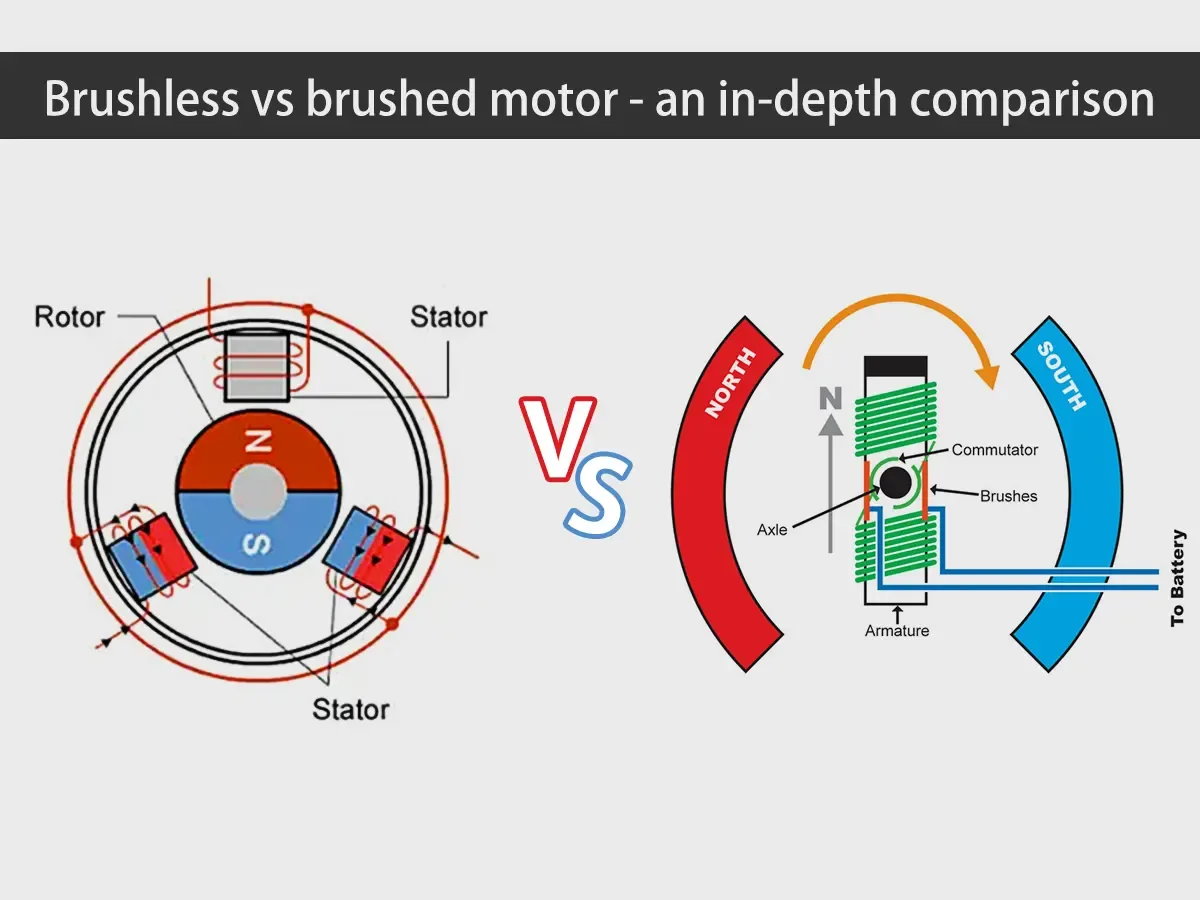
Image source: Bing (Web (fair-use with source credit)
Not all motors are built the same, and their cleaning needs vary. Here’s what you’re likely dealing with:
- Brushed DC motors (common in starters and older systems): Carbon brushes wear down, creating conductive dust that can short circuits if not cleaned. They’re more tolerant of dry cleaning but hate moisture.
- Brushless DC/AC motors (modern starters, alternators, and many hybrids): Sealed units with less internal debris, but external dirt can clog cooling vents. Wet cleaning risks damaging the windings.
- EV traction motors (permanent magnet or induction): High-voltage, liquid-cooled, and often sealed. These require professional service; DIY cleaning can void warranties and create safety hazards.
Each type has different weak points. Brushed motors collect carbon dust inside. Brushless and EV motors are more sensitive to water and chemicals.
Signs Your Motor Needs Cleaning (Before It’s Too Late)
Watch for these red flags:
- Overheating: If your motor runs hotter than usual, dirt may be blocking airflow. Check the cooling fins first.
- Unusual noises: Grinding or whirring can mean debris in the bearings or housing.
- Visible grime: Oil leaks, road salt, or thick dust on the motor casing are clear signs.
- Electrical issues: In brushed motors, carbon dust can cause intermittent power loss. In EVs, error codes may appear if the motor’s thermal management is compromised.
If you notice any of these, act before the problem worsens.
What You’ll Need: Tools & Cleaners That Won’t Damage Your Motor
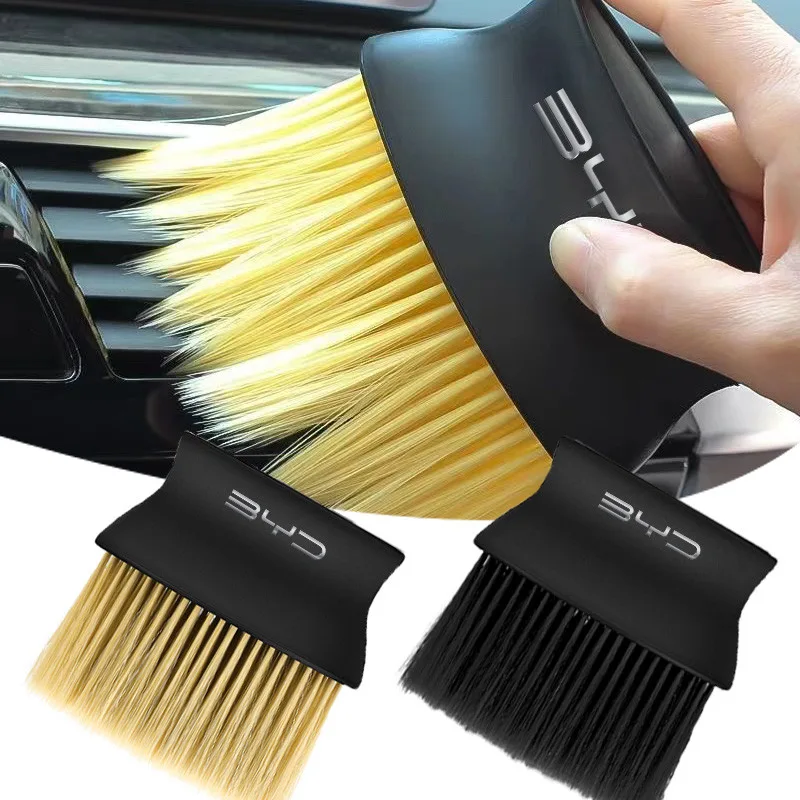
Image source: Bing (Web (fair-use with source credit)
Gather the right supplies before you start. Using the wrong tools can turn a simple cleanup into a repair job.
| Tool/Cleaner | Purpose | Avoid |
|---|---|---|
| Compressed air | Blow out dust and debris | High PSI (stick to <30 PSI) |
| Soft-bristle brush | Scrub off surface grime | Wire brushes (can scratch windings) |
| Microfiber cloths | Wipe down without lint | Paper towels (can leave fibers) |
| Motor-safe degreaser | Break down oil and grease | Harsh solvents (acetone, brake cleaner) |
| Dielectric grease | Protect electrical connections | Regular grease (not insulation-safe) |
| Insulation tester | Check for moisture or shorts | Skipping this step after wet cleaning |
For EV motors, add insulated gloves and a multimeter rated for high-voltage systems. Always refer to OSHA electrical safety guidelines for handling high-voltage components.
Step-by-Step: How to Clean a Car Motor Safely
Start with the motor disconnected and cool. For 12V systems, remove the negative battery terminal. For EVs, follow the manufacturer’s high-voltage shutdown procedure, this is non-negotiable.
Prep Work: Disconnect, Remove, and Inspect
Unplug all electrical connectors and label them if needed. For starters or alternators, you may need to unbolt the unit entirely. Check for cracks, frayed wires, or signs of fluid leaks before cleaning.
Dry Cleaning: Dust, Debris, and Surface Grime
Use compressed air at 20-30 PSI to blow out dust from vents and cooling fins. Follow up with a soft-bristle brush for stubborn grime. Avoid touching the commutator or brushes in brushed motors, carbon dust is conductive.
Wet Cleaning: Degreasers and Deep Grime (If Absolutely Necessary)
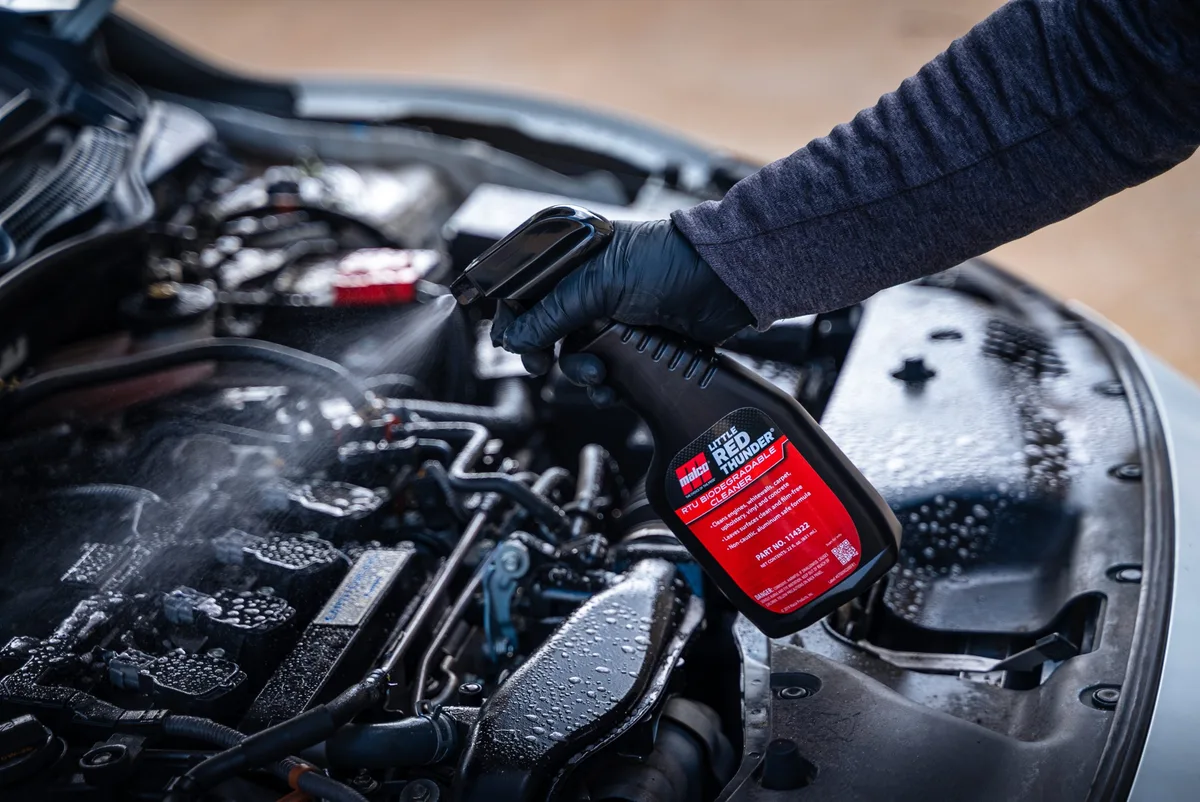
Image source: Bing (Web (fair-use with source credit)
Only use this method if dry cleaning isn’t enough. Apply a motor-safe degreaser to a cloth, not directly to the motor. Wipe down surfaces gently, avoiding electrical contacts.
Let the motor air-dry for at least 24 hours. For EVs, this step often requires professional equipment to ensure no moisture remains in the windings.
Drying and Reassembly: The Most Critical Step
After wet cleaning, use compressed air to blow out any remaining liquid from crevices. Test insulation resistance with a megohmmeter, readings should exceed 1 MΩ before reassembly.
Reconnect all connectors securely. Apply dielectric grease to terminals to prevent corrosion. For brushed motors, check that the brushes move freely before reinstalling.
Special Cases: EV Motors, Starters, and Alternators
EV traction motors are sealed and liquid-cooled. Cleaning them yourself risks voiding the warranty and creating electrical hazards. Most manufacturers recommend professional service for any internal cleaning.
Starters and alternators are more DIY-friendly but still require caution. Avoid spraying degreaser directly into the housing. If the alternator has a built-in voltage regulator, keep all cleaners away from the electronics.
For hybrid systems, follow the same EV precautions. The high-voltage battery and motor circuits are interconnected, and improper cleaning can trigger safety shutdowns.
Mistakes That’ll Ruin Your Motor (Avoid These at All Costs)
Pressure washing is the fastest way to destroy a motor. Water forced into the windings causes shorts and corrosion. Even a garden hose can be too aggressive.
Never use abrasive tools like steel wool or wire brushes. These can scratch insulation and create conductive paths. Avoid household cleaners like bleach or ammonia, they degrade seals and plastics.
Skipping the drying step after wet cleaning is just as bad. Moisture left inside leads to rust and electrical failures. Always verify dryness with an insulation tester before reassembly.
How Often Should You Clean Your Car Motor?
Most motors only need a dry dusting every 12 to 18 months under normal conditions. If you drive in dusty areas or off-road frequently, increase this to every 6 months.
For vehicles in coastal regions, salt corrosion is a bigger threat. Rinse the undercarriage regularly and check the motor housing for white residue. Clean as needed to prevent buildup.
EV and hybrid motors typically don’t require cleaning unless there’s a specific issue. Follow the manufacturer’s maintenance schedule, these systems are designed to be low-maintenance.
Safety First: High-Voltage, Chemicals, and Electrical Risks
High-voltage systems in EVs and hybrids can deliver lethal shocks. Always follow the manufacturer’s shutdown procedure before touching any components. Even 12V systems can cause sparks if mishandled.
Chemical exposure is another risk. Degreasers and solvents can irritate skin and eyes. Work in a ventilated area and wear gloves.
Avoid inhaling fumes from aerosol cleaners.
Electrical hazards don’t end with disconnection. Capacitors in some systems can hold a charge even when the battery is disconnected. Use an insulated multimeter to verify zero voltage before cleaning.
Maintenance Tips to Keep Your Motor Cleaner Longer
Prevention beats cleaning. Regularly check for oil leaks and address them immediately. A small drip today can coat your motor in grime tomorrow.
Keep the engine bay clean. Dirt and debris accumulate faster in a filthy environment. A quick rinse of the bay (avoiding electrical components) helps reduce motor contamination.
For off-road vehicles, consider adding a protective cover to the motor. This won’t stop all debris but will reduce the amount that reaches critical components.
Frequently Asked Questions
Can I use a pressure washer on my car motor?
No. Pressure washers force water into sealed components and windings. This causes shorts and corrosion.
Stick to compressed air and soft brushes for external cleaning.
How do I clean a motor with oil leaks?
First fix the leak. Then use a degreaser on a cloth to wipe down the motor housing. Avoid spraying directly onto electrical parts.
Dry thoroughly before reassembly.
Is it safe to clean an EV motor at home?
Most manufacturers advise against it. High-voltage systems require specialized training and equipment. Improper cleaning can void warranties and create safety hazards.
How long should I let a motor dry after wet cleaning?
At least 24 hours in a dry, warm environment. For critical applications, use compressed air to speed up the process. Verify dryness with an insulation resistance test.
What’s the best cleaner for car motors?
Use a motor-specific degreaser. Avoid harsh solvents like acetone or brake cleaner. For electrical contacts, isopropyl alcohol on a cloth works well.
Can I clean a starter motor without removing it?
Yes for surface cleaning. Use compressed air and a brush to remove dust and debris. For deep cleaning or oil contamination, removal is recommended.