ByMax Lee
How to Wash a Black Car Without Swirls
Image source: Bing (Web (fair-use with source credit))
Washing a black car isn’t just about soap and water, it’s about avoiding the swirls, streaks, and water spots that ruin its finish. If you’ve ever wondered step by step how to wash your black car without leaving marks, the secret is in the method, not just the effort. Black paint shows every flaw, so one wrong move can turn a quick wash into a costly correction job.
Manufacturer specs confirm that improper washing is the leading cause of surface damage on automotive paint. As of 2026, most car care experts agree that the right tools and technique matter more than frequency. Here’s how to do it safely.
Quick Answer
Wash your black car in the shade using the two-bucket method. Use pH-balanced car soap and a microfiber mitt. Rinse often and dry with a plush towel.
Always clean wheels first to avoid splashing contaminants.
Why Washing a Black Car Is Different (And What Goes Wrong)
Black paint amplifies every imperfection. Swirl marks, water spots, and streaks stand out far more than on lighter colors. The clear coat on most modern black cars is softer than you think, so abrasive tools or dirty water can scratch it in seconds.
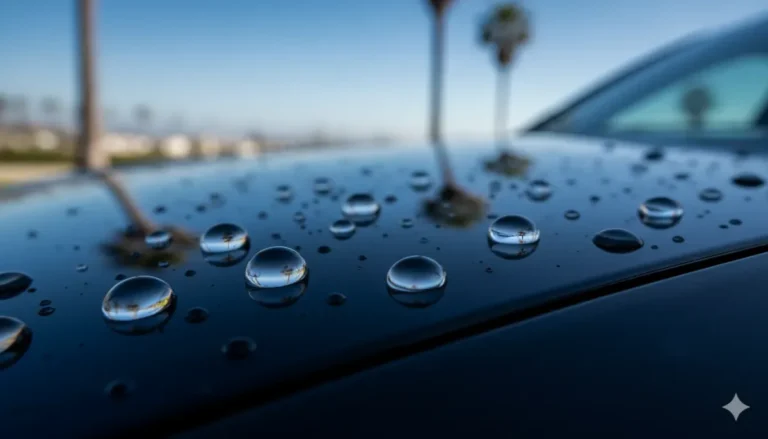
Hard water is another enemy. Minerals in tap water leave behind white spots if the car dries too fast. Direct sunlight speeds up drying, which traps soap and creates streaks.
Even the wrong towel, like a regular bath towel, can grind dirt into the finish.
The Right Tools for a Black Car Wash (Non-Negotiables)
You can’t cut corners here. The wrong supplies will do more harm than good.
- Two 5-gallon buckets with grit guards to trap dirt at the bottom
- pH-balanced car wash soap (dish soap strips wax and damages paint)
- Microfiber wash mitt (chenille or microfiber, not sponge or brush)
- Plush microfiber drying towels (400+ GSM to absorb without scratching)
- Wheel cleaner (pH-neutral for black cars to avoid etching)
- Clay bar and lubricant (for embedded contaminants)
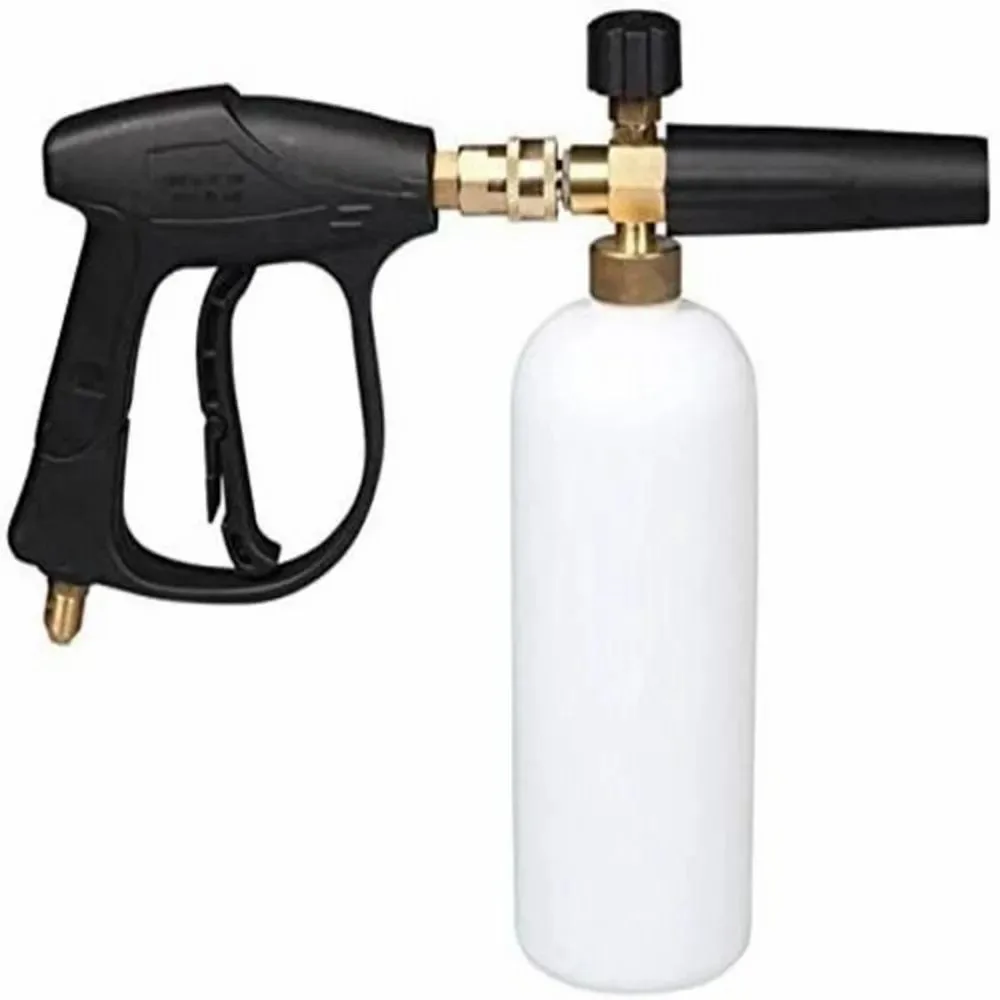
- Pressure washer or hose with adjustable nozzle (optional but helpful)

Image source: Bing (Web (fair-use with source credit))
Skip the automatic car wash with brushes, they’re notorious for swirl marks on black paint. And never use a single bucket; cross-contamination is how scratches happen.
Pre-Wash Prep: How to Avoid Swirls Before You Even Start
Start by parking in the shade. Direct sunlight heats the paint, causing water and soap to dry too fast. This leads to spots and streaks that are tough to remove.
Rinse the car thoroughly with a pressure washer or hose to remove loose dirt. If you skip this, you’ll drag grit across the paint with your mitt. For wheels, use a dedicated wheel cleaner and a separate mitt, brake dust is abrasive and will scratch the body if transferred.
Check your water source. If you live in a hard water area, consider a water softener or a final rinse with distilled water to prevent mineral deposits. USGS data shows that over 85% of U.S. households have hard water, which can leave spots if not managed.
Step-by-Step: The Safest Way to Wash Black Paint
Rinse and Wheel Cleaning First
Begin at the wheels. Spray them with wheel cleaner and let it dwell for 30, 60 seconds. Use a wheel brush to agitate brake dust and grime, then rinse thoroughly.
This prevents contaminated water from splashing onto the paint during the wash.
The Two-Bucket Method (And Why It’s a Game-Changer)
Fill one bucket with soapy water and the other with clean water for rinsing your mitt. After each pass on the car, rinse the mitt in the clean water bucket and rub it against the grit guard to release trapped dirt. This keeps your soap water clean and reduces the risk of scratching.
Work from the top down, roof, windows, hood, then sides and lower panels. Use straight-line motions, not circles, to minimize swirl marks. Wash one section at a time, rinsing frequently to prevent soap from drying.
Drying Without Streaks or Water Spots
Use a plush microfiber towel with a waffle weave or high GSM rating. Pat the surface dry instead of dragging the towel to avoid marring the paint. Work in sections, starting from the top and moving downward.
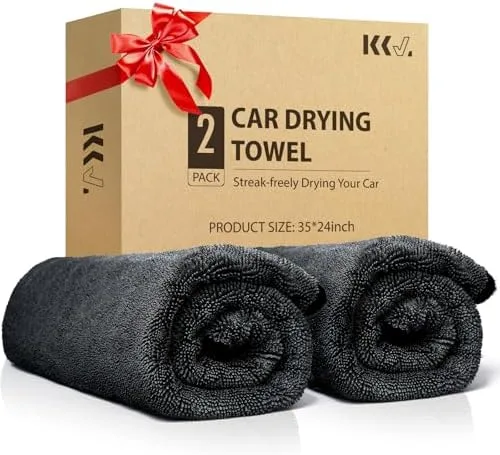
Image source: Bing (Web (fair-use with source credit))
If water spots appear, they’re usually from hard water minerals. A quick detailer spray can help dissolve them before they etch the clear coat. For stubborn spots, a 50/50 mix of white vinegar and distilled water can remove mineral deposits without harming the finish.
Decontamination: When and How to Use a Clay Bar
Clay bars remove embedded contaminants that washing can’t. After washing, spray a lubricant on a small section and gently glide the clay bar over the surface. You’ll feel it grab at first, then smooth out as it picks up grit.
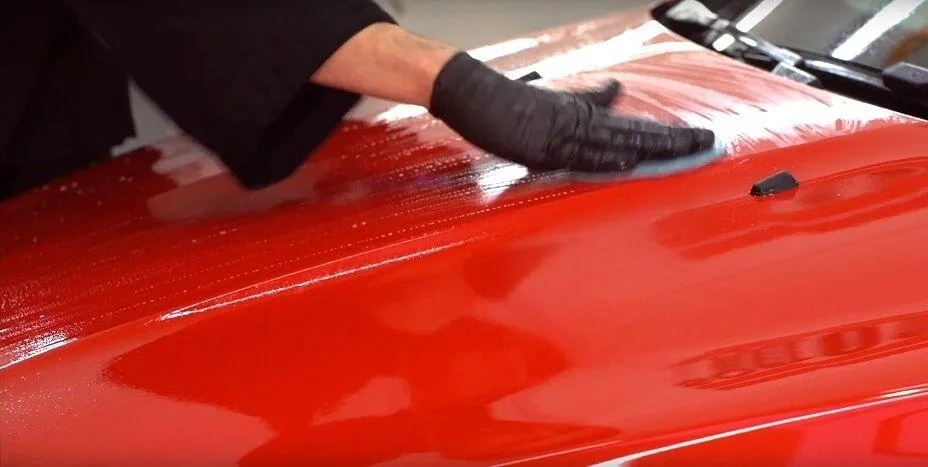
Image source: Bing (Web (fair-use with source credit))
Use a fine-grade clay bar for regular maintenance. Medium or heavy-grade clay is for severe contamination but can be too aggressive for frequent use. Always discard the clay if it drops on the ground, it’ll pick up debris that scratches the paint.
Post-Wash Protection: Wax, Sealant, or Ceramic Coating?
Wax provides a deep, warm shine but lasts only 3, 6 months. Synthetic sealants offer longer protection (6, 12 months) but with less visual depth. Ceramic coatings are the most durable (2, 5 years) but require professional application for best results.
| Protection Type | Durability | Shine | Ease of Application |
|---|---|---|---|
| Carnauba Wax | 3–6 months | High | Easy |
| Synthetic Sealant | 6–12 months | Medium | Easy |
| Ceramic Coating | 2–5 years | High | Professional |
For most black car owners, a quality synthetic sealant offers the best balance of protection and longevity. Wax is ideal for enthusiasts who enjoy the process and want that showroom glow.
Common Mistakes That Ruin Black Car Paint (And How to Fix Them)
Using dish soap strips wax and damages the clear coat. Always use a pH-balanced car wash soap. If you’ve already used dish soap, reapply wax or sealant to restore protection.
Washing in direct sunlight causes water to dry too quickly, leaving spots. Move to a shaded area or wait for cooler temperatures. If spots have already formed, use a water spot remover or a vinegar solution.
Cross-contaminating your wash mitt by using it on wheels and then the body transfers brake dust to the paint. Always use separate mitts for wheels and paint. If you’ve already made this mistake, clay the paint to remove embedded contaminants.
Hard Water, Sun, and Other Real-World Challenges
Hard water leaves mineral deposits that can etch into the clear coat over time. If your tap water is hard, use a water softener or a final rinse with distilled water. A quick detailer spray after washing can also help prevent spots.
Direct sunlight isn’t just uncomfortable, it can cause soap to dry before you rinse it off. This leads to streaks and residue that are difficult to remove. Always wash in the shade or during cooler parts of the day.
Dusty or polluted areas mean more frequent washing. However, washing too often can wear down your wax or sealant. Aim for a wash every 2 weeks in these conditions, and reapply protection every 3, 4 months.
How Often Should You Wash a Black Car?
Wash every 2 weeks in normal conditions. In dusty or polluted areas, increase to weekly washes to prevent buildup. Less frequent washing allows contaminants to bond with the paint, making them harder to remove.
If your car has a ceramic coating, you can stretch intervals to 3, 4 weeks. Coatings repel dirt better than wax or sealant. However, bird droppings and tree sap should be removed immediately regardless of your schedule.
Pro Tips for a Showroom Shine Every Time
Use the two-bucket method every time. It’s the simplest way to prevent swirl marks. Replace your wash mitt and towels when they show signs of wear or embedded grit.
Apply a quick detailer spray after washing to boost shine and add a layer of protection. This is especially useful between wax applications. For extra gloss, use a spray wax or sealant booster.
Work in small sections when drying. This prevents water from drying before you can wipe it away. Use a second towel to buff the surface lightly after the first pass for a streak-free finish.
Quick Fixes for Water Spots, Swirls, and Dullness
For fresh water spots, a quick detailer spray often dissolves them. For older spots, use a 50/50 vinegar and distilled water mix. Apply with a microfiber towel, then rinse and dry.
Swirl marks require a polish to remove. Use a dual-action polisher with a fine polishing compound for best results. If the swirls are deep, a professional detailer can perform paint correction.
Dullness often means the protective layer has worn off. Reapply wax or sealant to restore depth and shine. If the paint itself looks faded, a light polish followed by protection will bring back the gloss.
Frequently Asked Questions
Can I wash my black car in the sun?
No. Direct sunlight causes water and soap to dry too quickly, leaving spots and streaks. Always wash in the shade or during cooler parts of the day.
Why does my black car show every scratch?
Black paint reflects light differently than lighter colors. This makes imperfections like swirls and scratches more visible. Proper washing and drying techniques minimize these issues.
How do I prevent water spots on my black car?
Use a water softener or distilled water for the final rinse. Dry the car immediately with a plush microfiber towel. A quick detailer spray can also help prevent spots.
Is it safe to use a pressure washer on black paint?
Yes, but keep the nozzle 12, 18 inches away and use a 25, 40 degree spray pattern. Higher pressure or closer distance can damage the paint or strip wax.
How long does wax last on a black car?
Carnauba wax lasts 3, 6 months. Synthetic sealants last 6, 12 months. Ceramic coatings can last 2, 5 years but require professional application.